Hotel & Catering Equipment upgrades that cut daily labor time
For project managers under pressure to deliver faster operations and lower staffing strain, smart Hotel & Catering Equipment upgrades can unlock immediate gains. From high-throughput kitchen systems to labor-saving service stations, the right investments reduce repetitive tasks, streamline workflows, and support consistent performance across demanding hospitality environments.
In hotels, resorts, banquet venues, staff can lose 2 to 4 hours per shift to avoidable movement, manual prep, fragmented storage, and slow cleaning cycles. For engineering leads and project managers, that wasted time becomes a design problem, a procurement problem, and eventually a profitability problem. Upgrading Hotel & Catering Equipment is not only about replacing aging assets; it is about redesigning labor flow across kitchens, buffets, bars, room service, and back-of-house support areas.
The most effective upgrades are usually not the flashiest. They are the systems that cut touchpoints, shorten transfer distances, support easier sanitation, and hold stable output during peak periods. When specified correctly, labor-saving equipment can reduce task steps by 20% to 40% in high-frequency workflows while also improving safety, consistency, and maintenance planning.
Where labor time is typically lost in hospitality operations
Before selecting new Hotel & Catering Equipment, project teams need a clear picture of where labor time disappears. In most properties, losses cluster around five operational zones: food preparation, hot holding, dishwashing, service replenishment, and cold storage access. These are the areas where repeated bending, walking, lifting, and batch handling add hidden minutes to every order cycle.
High-frequency bottlenecks in kitchen and service areas
A breakfast kitchen serving 250 to 400 covers within a 3-hour window faces very different labor pressure from an all-day dining outlet with steady demand. Yet both often suffer from the same equipment gaps: insufficient pass-through refrigeration, undersized holding capacity, poorly positioned prep sinks, and dishwashing systems that cannot match service peaks. Each mismatch forces staff to compensate manually.
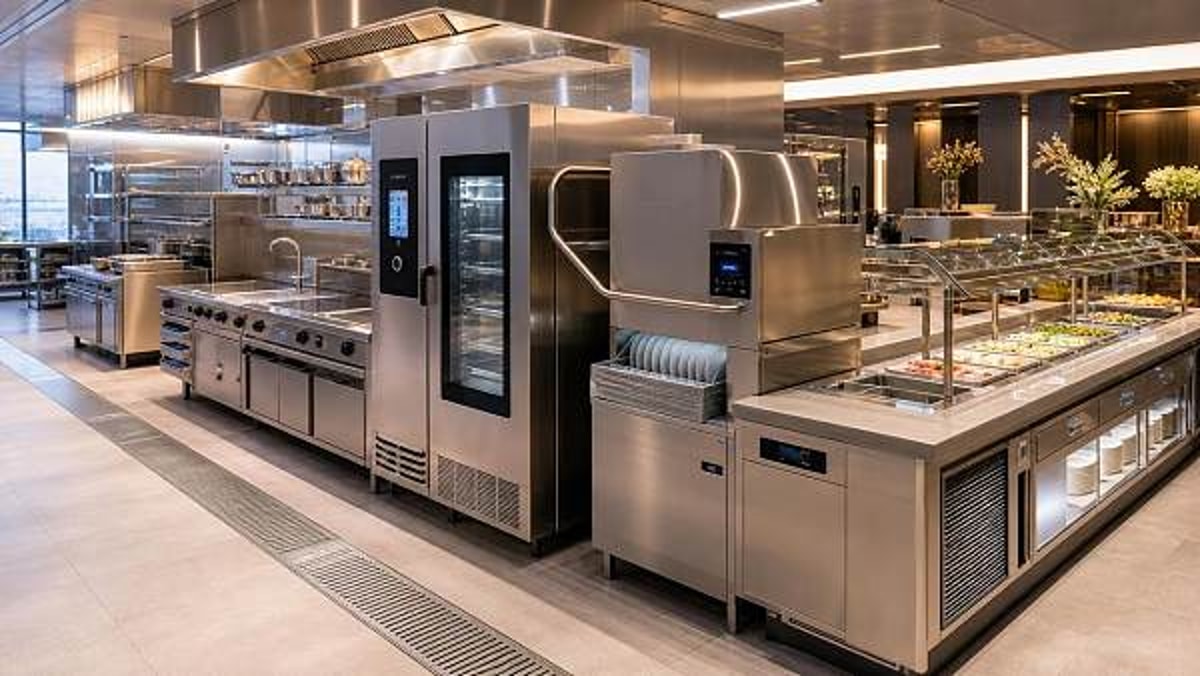
For project managers, this matters during renovation planning, MEP coordination, and tender evaluation. A combi oven with programmable cycles may save 15 to 25 minutes per batch compared with separate cooking steps. A flight-type dishwasher may process 3 to 5 times more racks per hour than a basic hood-type setup, but only if the loading tables, drain points, and return lanes are designed around actual service flow.
Operational signs that an upgrade is overdue
- Staff walk more than 8 to 12 meters between prep, cooking, and plating stations.
- Peak service requires temporary labor reallocation from other departments.
- Cleaning shutdown extends beyond 60 to 90 minutes after service ends.
- Hot holding or cold storage capacity regularly falls short during events or buffet turnover.
- Equipment downtime causes frequent menu restriction or delayed room service delivery.
The table below maps common labor drains to equipment-led responses that project teams can evaluate during refurbishment or new-build planning.
The key point is that labor time is rarely saved by a single machine in isolation. Real improvement comes when Hotel & Catering Equipment is selected as a connected workflow system. That is why project teams should evaluate movement paths, staging points, cleaning access, and utility coordination together rather than buying piece by piece.
Equipment upgrades that deliver the fastest labor savings
Not every capital purchase reduces labor at the same speed. For most hospitality sites, the fastest return comes from upgrades in cooking automation, warewashing throughput, refrigerated access, and self-contained service modules. These categories target repetitive tasks that occur dozens or hundreds of times per day.
1. Programmable cooking systems
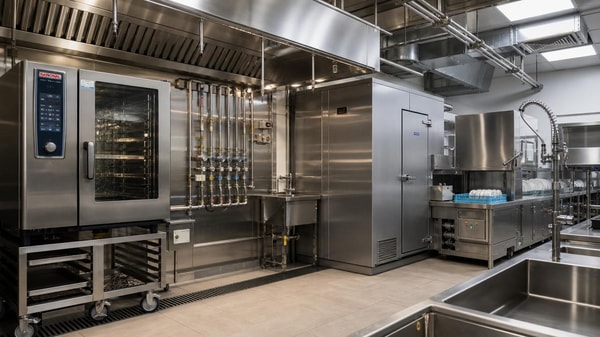
Combi ovens, multifunctional braising pans, and pressure-assisted cooking systems help standardize output while reducing manual supervision. In banquet production, programmable recipes can cut monitoring intervals from every 5 minutes to every 20 to 30 minutes, freeing skilled staff for plating, quality checks, or event coordination.
2. Smarter warewashing lines
Dishwashing is often underestimated in labor planning. Yet a poorly sized wash-up area can create end-of-shift bottlenecks that affect 4 to 8 staff members at once. Upgrading to conveyor systems, automatic dosing, heat recovery modules, and organized landing tables can reduce rewash rates, shorten idle time, and simplify hygiene routines.
3. Modular holding and service stations
For buffets, banquets, and conference catering, service stations that combine heated wells, refrigerated drawers, tray slides, and waste collection can remove multiple manual handling steps. Teams no longer need to shuttle backup stock from distant storage every 10 minutes. A better station layout can often support the same service volume with 1 fewer staff member during non-peak hours.
4. Access-optimized refrigeration
Refrigeration saves labor when access is designed around use frequency. Drawer refrigerators at prep lines, pass-through upright units between production zones, and blast chilling near cook lines reduce travel and waiting time. In many projects, moving cold storage access 5 to 7 meters closer to the point of use delivers more labor value than increasing overall storage volume.
The following comparison helps project managers prioritize which Hotel & Catering Equipment upgrades usually deliver the quickest operational effect.
For project managers, the priority should be operational frequency rather than equipment prestige. If a process happens 150 times per day, even a 20-second saving per cycle adds up quickly. That is the logic behind phased Hotel & Catering Equipment investment: start with the workflows that create the highest daily touch count.
How to specify labor-saving equipment without creating new project risks
An upgrade that looks efficient on paper can still fail during installation or handover. For engineering and project teams, the challenge is to specify Hotel & Catering Equipment that reduces labor without creating utility conflicts, service access issues, or maintenance delays. The specification phase should therefore combine workflow review with technical coordination.
Check utility and space conditions early
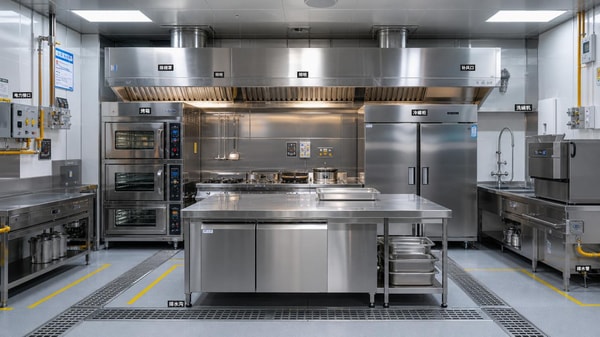
Confirm power load, drainage, ventilation, and water quality before finalizing equipment schedules. A 12kW to 20kW cooking unit may offer strong throughput benefits, but if extraction capacity or power availability is constrained, the real labor gains may never materialize. Service clearance matters too; 600 to 900 mm access around key units is often needed for cleaning and maintenance.
Specify for cleaning time, not only production speed
Daily labor time is affected as much by sanitation as by cooking output. Smooth welds, removable components, easy-drain surfaces, and automatic cleaning cycles can save 15 to 40 minutes per shutdown. In 24-hour hospitality environments, those minutes are especially valuable because they reduce overnight staffing pressure and make shift changeovers cleaner.
A practical 5-step evaluation sequence
- Map the current workflow and count high-frequency manual steps.
- Define peak-hour capacity in covers, racks, trays, or meal components per hour.
- Match equipment capacity to actual demand plus a 15% to 25% buffer.
- Verify utility, cleaning, and access requirements with MEP and operations teams.
- Review spare parts availability, training needs, and after-sales response time.
This sequence helps prevent a common mistake: buying oversized equipment that adds capital cost but does not reduce labor in the most constrained process point. In many hospitality projects, one well-positioned prep station or one improved wash line does more for staffing efficiency than a broad but unfocused replacement plan.
Implementation, maintenance, and procurement planning for long-term efficiency
Labor reduction is only sustainable when the equipment remains easy to operate and dependable after handover. That is why implementation planning should cover not just delivery dates, but also commissioning, operator training, preventive maintenance, and spare parts access. In cross-border sourcing, these details are especially important for hotel openings, phased refurbishments, and live-site replacements.
Align upgrade timing with operational windows
For occupied properties, installation often needs to fit within a 7-day to 21-day closure window for specific zones. Mobile stations, plug-and-play induction modules, and modular refrigeration can be easier to phase than fully built-in systems. Project managers should classify each item by shutdown dependency, commissioning complexity, and staff training requirement before final procurement approval.
Evaluate suppliers on service readiness, not unit price alone
The best Hotel & Catering Equipment sourcing decisions balance product suitability with support capability. For B2B buyers, the critical questions include lead time, documentation quality, spare parts planning for 12 to 24 months, and technical response expectations. A lower purchase price can quickly lose value if maintenance delays force manual workarounds during high occupancy periods.
Procurement checkpoints for project teams
- Request detailed utility schedules and installation drawings before PO release.
- Confirm whether training is on-site, remote, or included during commissioning.
- Ask for preventive maintenance intervals by weekly, monthly, and quarterly tasks.
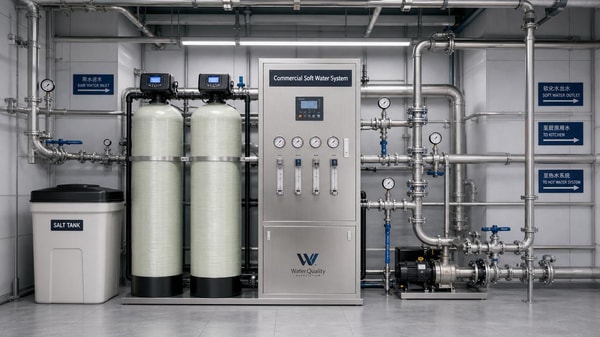
- Review consumables, water treatment needs, and recommended operating conditions.
- Check whether replacement parts can be shipped within 48 to 72 hours for critical items.
For organizations sourcing through international networks, this is where a specialized B2B intelligence platform adds value. Global Commercial Trade supports buyers with a more structured view of supplier capabilities, commercial fit, and application relevance across hospitality projects. That helps project leaders compare Hotel & Catering Equipment options with stronger context around design compatibility, sourcing risk, and deployment practicality.
The most successful upgrades are those that connect operational realities to procurement discipline. If the equipment shortens steps, improves access, cleans faster, and remains serviceable over a 3- to 5-year operating horizon, the labor benefit is much more likely to hold. For hotel groups, caterers, and mixed-use developments, that makes equipment planning a strategic operational decision rather than a simple replacement exercise.
Project managers looking to reduce daily labor time should focus on workflow-driven Hotel & Catering Equipment upgrades with clear gains in cooking efficiency, warewashing throughput, storage access, and service station design. The right specification can remove repeated manual tasks, support smoother peak-hour performance, and reduce strain across both front- and back-of-house operations.
If you are planning a hospitality fit-out, refurbishment, or sourcing review, Global Commercial Trade can help you evaluate suitable equipment categories, supplier readiness, and implementation priorities. Contact us today to get a tailored sourcing strategy, discuss product details, and explore more solutions for labor-efficient commercial hospitality environments.
Search News
Hot Articles
Popular Tags
Need ExpertConsultation?
Connect with our specialized leisureengineering team for procurementstrategies.
Recommended News
 May 06, 2026Hotel & Catering Equipment upgrades that cut daily labor timeHotel & Catering Equipment upgrades that cut labor time fast—discover smart kitchen, warewashing, and service solutions that streamline workflows, reduce staffing strain, and boost hospitality efficiency.● Hospitality Sourcing Dir
 May 05, 2026Hotel & Catering Equipment costs that often get missed earlyHotel & Catering Equipment costs often go beyond the quote. Discover hidden expenses in utilities, compliance, logistics, and commissioning to protect budgets and avoid project delays.● Hospitality Sourcing Dir
 May 04, 2026Commercial Water Softeners: Sizing Mistakes That Raise CostsCommercial water softeners sizing mistakes can quietly raise salt, water, and maintenance costs. Learn the most common errors and smarter sizing tips for long-term commercial efficiency.● Hospitality Sourcing Dir
 May 04, 2026Hotel & Catering Equipment Lists Often Miss These BasicsHotel & Catering Equipment lists often miss critical basics like utilities, compliance, workflow, and maintenance access. Learn how to avoid delays, rework, and costly project risks.● Hospitality Sourcing Dir
 May 03, 2026Commercial pizza ovens that save labor may cost more to ventCommercial pizza ovens can cut labor, but venting, code compliance, and installation may raise total costs. See the key checks before you buy.● Hospitality Sourcing Dir
 May 03, 2026Commercial juicers: cold press or centrifugal for daily serviceCommercial juicers: compare cold press and centrifugal models for daily service. Discover the best fit for speed, juice quality, yield, cleaning, and operating costs.● Hospitality Sourcing Dir
 May 03, 2026Commercial water boilers: recovery time matters more than listed capacityCommercial water boilers perform best when recovery time matches peak demand. Learn why faster reheating beats listed capacity for reliable, efficient commercial hot water service.● Hospitality Sourcing Dir
 May 03, 2026Cotton candy machines wholesale: small details that affect cleaning timeCotton candy machines wholesale guide: discover the small design details that cut cleaning time, reduce labor costs, and improve hygiene for busy commercial operations.● Hospitality Sourcing Dir
 May 03, 2026Dough sheeters wholesale: thickness control is where quality showsDough sheeters wholesale buyers: see why thickness control defines real quality, repeatability, and long-term value. Compare key evaluation points for smarter sourcing.● Hospitality Sourcing Dir
 May 03, 2026Slushy machines wholesale: what causes flavor crossover problemsSlushy machines wholesale buyers should understand what causes flavor crossover, from poor sealing to weak cleaning design, to protect drink quality and choose more reliable equipment.● Hospitality Sourcing Dir
 May 03, 2026Commercial bread slicers: slice consistency affects more than looksCommercial bread slicers do more than improve appearance—they boost portion control, reduce waste, and support faster service. Learn what drives slice consistency before you buy.● Hospitality Sourcing Dir
 May 03, 2026Wood fired pizza ovens need more space than most plans allowWood fired pizza ovens often require more space than expected. Learn how to avoid redesigns, protect workflow, and plan compliant, high-performance hospitality projects.● Hospitality Sourcing Dir
 May 03, 2026Commercial pizza ovens: gas or electric for steady outputCommercial pizza ovens: compare gas vs. electric for steady output, faster recovery, precise control, and smarter installation choices across real kitchen scenarios.● Hospitality Sourcing Dir
 May 03, 2026Commercial popcorn machines: kettle size vs serving rush realityCommercial popcorn machines should be chosen by real rush-hour output, not kettle size alone. Learn how to match serving peaks, staffing, and workflow for smarter buying.● Hospitality Sourcing Dir
 May 03, 2026Commercial insect killers: indoor placement changes results fastCommercial insect killers perform very differently based on indoor placement. Discover how small positioning changes can boost control, reduce pest activity, and improve operational results fast.● Hospitality Sourcing Dir
 May 03, 2026Hotel & Catering Equipment lists often hide installation costsHotel & Catering Equipment lists often hide installation costs. Learn where budgets slip, what to verify early, and how to compare total installed value before approval.● Hospitality Sourcing Dir
 May 03, 2026Bakery display cases: glass fogging, lighting, and product appealBakery display cases guide: compare anti-fog glass, lighting quality, and temperature stability to boost product appeal, hygiene, and sales with smarter sourcing decisions.● Hospitality Sourcing Dir
 May 03, 2026Commercial milkshake mixers: when motor power changes drink textureCommercial milkshake mixers directly shape texture, aeration, and consistency. Learn how motor power affects shake quality and choose the right mixer for your menu and volume.● Hospitality Sourcing Dir
 May 03, 2026Hot dog rollers that clean faster can cut downtime more than expectedHot dog rollers that clean faster can reduce downtime, improve sanitation, and save labor. Learn which features matter most before you buy for busy commercial service.● Hospitality Sourcing Dir
 May 03, 2026Conveyor pizza ovens or deck ovens for high-volume service?Conveyor pizza ovens vs deck ovens: discover which option delivers better throughput, consistency, labor efficiency, and site-fit for high-volume commercial pizza service.● Hospitality Sourcing Dir
 May 03, 2026Shawarma machines commercial buyers compare heat control firstShawarma machines commercial buyers compare heat control first. Learn how gas, electric, and multi-zone systems affect consistency, efficiency, safety, and sourcing decisions.● Hospitality Sourcing Dir
 May 02, 2026Stainless steel GN pans with reinforced corners last longer in busy kitchensStainless steel GN pans with reinforced corners help busy kitchens reduce warping, improve hygiene, and cut replacement costs. See why buyers choose longer-lasting performance.● Hospitality Sourcing Dir
 May 02, 2026Commercial induction cookers: power ratings that mislead first-time buyersCommercial induction cookers are not as simple as wattage labels suggest. Learn how to compare real performance, efficiency, pan fit, and reliability before you buy.● Hospitality Sourcing Dir
 May 02, 2026Beverage dispensers wholesale: what causes dripping after heavy useBeverage dispensers wholesale guide: learn what causes dripping after heavy use, how to spot seal, valve, and pressure issues, and choose durable suppliers with confidence.● Hospitality Sourcing Dir