Slushy machines wholesale: what causes flavor crossover problems
In slushy machines wholesale, flavor crossover is a common issue that can affect product quality, customer satisfaction, and brand consistency. Understanding what causes flavors to mix—whether from poor sealing, improper cleaning, or design limitations—helps buyers and operators make smarter sourcing and maintenance decisions before these problems impact daily performance.
What flavor crossover means in commercial frozen drink equipment
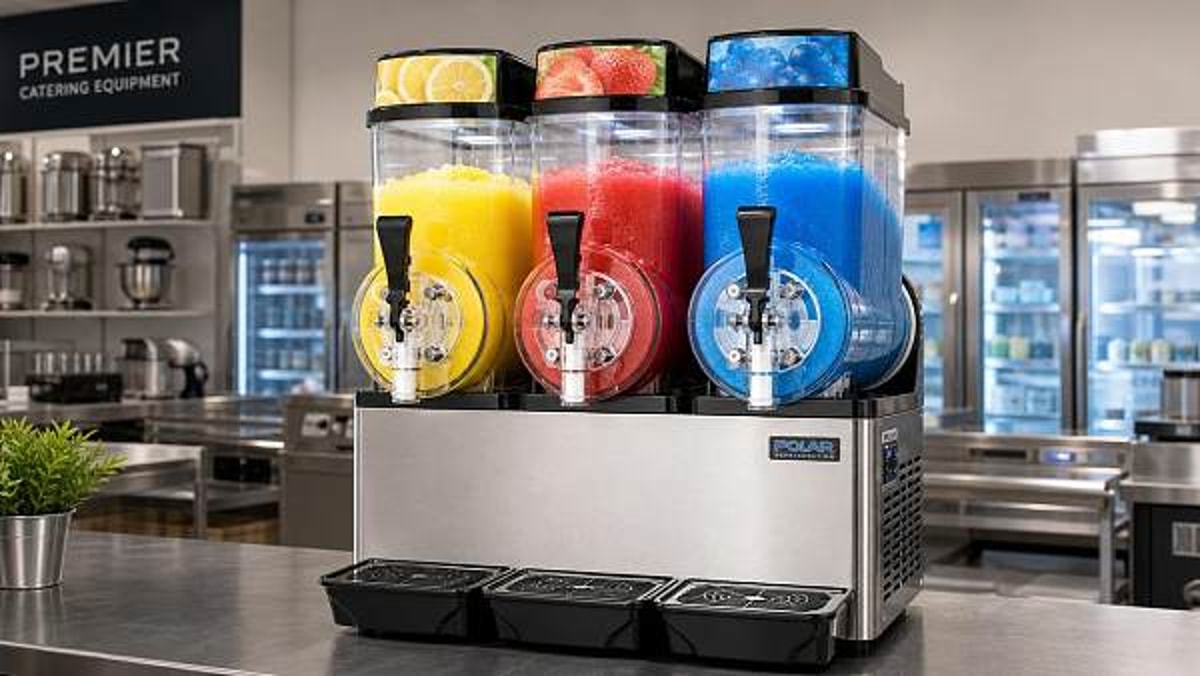
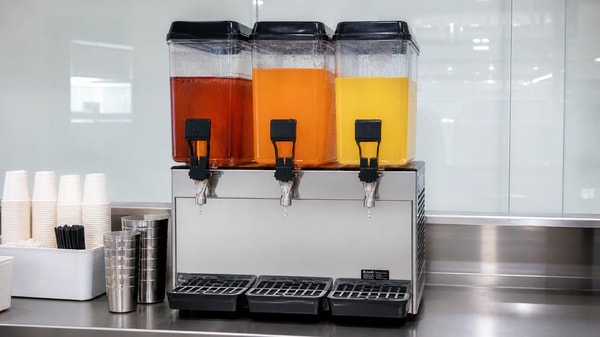
Flavor crossover happens when one product chamber, line, or dispensing path leaves behind enough residue, aroma, syrup, or coloring to affect another beverage. In practical terms, a lemon slush may carry traces of strawberry, cola may pick up blue raspberry notes, or a neutral base may become visibly tinted after repeated cycles. For operators, this is not only a taste problem. It can also create complaints, allergen concerns, waste, and lower confidence in the machine.
For buyers researching slushy machines wholesale, the issue matters because flavor crossover often reflects deeper equipment and process problems. It may signal weak component quality, difficult cleaning access, poor product separation, or a mismatch between machine design and the intended menu. In a B2B environment where brand consistency and operating efficiency matter, even a minor crossover issue can turn into a recurring service and reputation cost.
Why the industry pays attention to crossover problems
Commercial buyers in hospitality, entertainment, foodservice, education, and specialty retail increasingly expect equipment to support premium presentation and repeatable product quality. Frozen beverage stations are no longer treated as simple add-ons. In hotels, cinemas, family entertainment centers, quick-service chains, and convenience stores, slush drinks contribute to visual merchandising, impulse purchases, and customer experience.
That is why slushy machines wholesale discussions now go beyond price and output. Buyers want to know how well machines isolate flavors, how easy they are to sanitize, whether seals hold under daily use, and how internal design affects residue buildup. In global sourcing, where one machine model may be deployed across multiple sites, a small design weakness can scale into widespread operational inconsistency.
From a trade and sourcing perspective, flavor crossover is also linked to compliance and trust. If a machine is difficult to clean or mixes traces of ingredients across tanks, it can create concerns around food safety, labeling accuracy, and consumer expectations. For institutional and commercial buyers, preventing these problems at the evaluation stage is far more efficient than correcting them after rollout.
The main causes behind flavor crossover
Most crossover issues come from a combination of machine design, maintenance quality, and operational habits rather than from one single defect. Understanding the root causes helps buyers compare machines more intelligently in the slushy machines wholesale market.
1. Incomplete cleaning between flavor changes
The most common reason is residue left inside tanks, augers, faucets, valves, or drip areas. Sugary syrups and concentrated flavorings cling to surfaces, especially when the machine is not fully disassembled during cleaning. If operators only rinse visible areas, hidden channels may still hold color, aroma, and sweetness from the previous batch.
2. Worn seals, gaskets, and O-rings
As machines age, sealing components may crack, flatten, or loosen. When that happens, liquid can migrate between adjacent sections or collect in spaces where it is hard to remove. Inferior gasket materials also absorb flavor and odor over time, then release them into later batches. This is especially relevant when evaluating long-term value in slushy machines wholesale sourcing.
3. Shared dispensing or internal pathways
Some machines appear to have separate bowls but still rely on closely connected internal components. Shared or poorly isolated dispensing assemblies can allow product traces to carry over. This is more likely in compact or low-cost units where design simplification reduces manufacturing cost but compromises flavor separation.
4. Improper product viscosity and formulation
A syrup blend that is too thick, too sticky, or heavy in artificial coloring may leave stronger residue than a balanced formulation. Machines can be blamed for crossover when the real issue is a product mix not suited to the equipment. Commercial users should confirm that the drink base, sugar level, and freezing characteristics match the manufacturer’s operating recommendations.
5. Dead zones in machine design
Dead zones are small internal areas where product stagnates rather than circulating smoothly. These pockets may exist around corners, connectors, faucet seats, or behind removable parts. Residue in those areas can survive a standard rinse and contaminate the next batch. Well-engineered commercial models reduce dead zones through smoother flow paths and easier access for cleaning.
6. Inconsistent staff procedures
Even a strong machine can perform poorly if cleaning steps vary by shift or location. In multi-site businesses, one team may sanitize correctly while another shortens the process during busy periods. This creates uneven quality and makes it harder to judge whether the problem comes from the machine or the operation.
A practical overview of crossover risk factors
The table below summarizes how common factors influence flavor crossover and what buyers should review when assessing slushy machines wholesale options.
Where crossover problems matter most
Not every operating environment faces the same level of risk. The impact of flavor crossover depends on menu diversity, traffic volume, cleaning frequency, and brand positioning. In slushy machines wholesale projects, buyers should match machine specifications to the actual use case rather than treating all deployments as identical.
How buyers can assess machines before committing
For information researchers and sourcing teams, the goal is not only to identify whether flavor crossover can happen, but to estimate how likely it is under real operating conditions. A strong slushy machines wholesale evaluation should include both engineering review and operational review.
Start with the physical design. Ask whether each bowl has a truly separate product path. Review how the faucet assembly is built, how many seals are involved, and whether the machine can be cleaned without excessive labor. A supplier should be able to explain where residue tends to collect and how the design addresses those points.
Next, examine maintenance practicality. A machine that performs well in a showroom but requires difficult disassembly may fail in daily commercial use. Check whether replacement gaskets, bowls, valves, and auger parts are easy to source. In global trade projects, parts availability can matter as much as original machine quality.
It is also useful to request cleaning protocols and field references. Reliable suppliers in the slushy machines wholesale segment should provide operation manuals, sanitation guidance, and support documentation aligned with commercial foodservice expectations. If possible, ask how the machine performs when changing between strongly colored flavors such as blue raspberry, cola, mango, or cherry.
Practical steps to reduce flavor crossover in daily operations
Once equipment is installed, prevention depends on disciplined routines. First, use a documented cleaning schedule based on traffic level and flavor intensity. Dark, acidic, or highly aromatic products may require more thorough flushing than lighter flavors. Second, replace gaskets and seals before they visibly fail. Preventive replacement is cheaper than product loss and customer dissatisfaction.
Third, match beverage formulations to machine specifications. If the syrup ratio is outside the recommended range, residue can become more difficult to remove and freezing behavior can become unstable. Fourth, train operators to recognize early warning signs such as unusual coloring in a new batch, persistent off-aroma near the faucet, or sticky buildup around dispensing components.
Finally, standardize inspection. Multi-site operators purchasing through slushy machines wholesale channels should use the same checklist across locations. A simple audit covering bowl cleanliness, seal condition, flavor accuracy, and last-service date can prevent recurring crossover issues from becoming normalized.
What this means for sourcing strategy
In a global commercial sourcing environment, flavor crossover should be treated as a quality management issue, not just a cleaning mistake. Buyers who compare machine architecture, component durability, maintenance support, and product compatibility are more likely to secure equipment that protects long-term beverage quality. This is particularly important for hospitality groups, leisure operators, institutional buyers, and retail chains that depend on consistent guest-facing performance.
When reviewing slushy machines wholesale opportunities, prioritize suppliers that can demonstrate clear separation design, reliable food-contact materials, practical maintenance access, and documented after-sales support. Those factors help reduce flavor crossover, preserve brand standards, and improve total operating value well beyond the initial purchase price.
Conclusion
Flavor crossover is usually caused by a mix of incomplete cleaning, worn seals, shared pathways, difficult internal geometry, incompatible beverage formulations, and inconsistent operating procedures. For anyone researching slushy machines wholesale, understanding these causes provides a more realistic way to assess equipment quality and fit. The best results come from combining smart sourcing with disciplined maintenance. If your project involves multi-site deployment or premium service environments, it is worth evaluating machine design and supplier support in detail before finalizing a decision.
Search News
Hot Articles
Popular Tags
Need ExpertConsultation?
Connect with our specialized leisureengineering team for procurementstrategies.
Recommended News
 May 03, 2026Commercial pizza ovens that save labor may cost more to ventCommercial pizza ovens can cut labor, but venting, code compliance, and installation may raise total costs. See the key checks before you buy.● Hospitality Sourcing Dir
 May 03, 2026Commercial juicers: cold press or centrifugal for daily serviceCommercial juicers: compare cold press and centrifugal models for daily service. Discover the best fit for speed, juice quality, yield, cleaning, and operating costs.● Hospitality Sourcing Dir
 May 03, 2026Commercial water boilers: recovery time matters more than listed capacityCommercial water boilers perform best when recovery time matches peak demand. Learn why faster reheating beats listed capacity for reliable, efficient commercial hot water service.● Hospitality Sourcing Dir
 May 03, 2026Cotton candy machines wholesale: small details that affect cleaning timeCotton candy machines wholesale guide: discover the small design details that cut cleaning time, reduce labor costs, and improve hygiene for busy commercial operations.● Hospitality Sourcing Dir
 May 03, 2026Dough sheeters wholesale: thickness control is where quality showsDough sheeters wholesale buyers: see why thickness control defines real quality, repeatability, and long-term value. Compare key evaluation points for smarter sourcing.● Hospitality Sourcing Dir
 May 03, 2026Slushy machines wholesale: what causes flavor crossover problemsSlushy machines wholesale buyers should understand what causes flavor crossover, from poor sealing to weak cleaning design, to protect drink quality and choose more reliable equipment.● Hospitality Sourcing Dir
 May 03, 2026Commercial bread slicers: slice consistency affects more than looksCommercial bread slicers do more than improve appearance—they boost portion control, reduce waste, and support faster service. Learn what drives slice consistency before you buy.● Hospitality Sourcing Dir
 May 03, 2026Wood fired pizza ovens need more space than most plans allowWood fired pizza ovens often require more space than expected. Learn how to avoid redesigns, protect workflow, and plan compliant, high-performance hospitality projects.● Hospitality Sourcing Dir
 May 03, 2026Commercial pizza ovens: gas or electric for steady outputCommercial pizza ovens: compare gas vs. electric for steady output, faster recovery, precise control, and smarter installation choices across real kitchen scenarios.● Hospitality Sourcing Dir
 May 03, 2026Commercial popcorn machines: kettle size vs serving rush realityCommercial popcorn machines should be chosen by real rush-hour output, not kettle size alone. Learn how to match serving peaks, staffing, and workflow for smarter buying.● Hospitality Sourcing Dir
 May 03, 2026Commercial insect killers: indoor placement changes results fastCommercial insect killers perform very differently based on indoor placement. Discover how small positioning changes can boost control, reduce pest activity, and improve operational results fast.● Hospitality Sourcing Dir
 May 03, 2026Hotel & Catering Equipment lists often hide installation costsHotel & Catering Equipment lists often hide installation costs. Learn where budgets slip, what to verify early, and how to compare total installed value before approval.● Hospitality Sourcing Dir
 May 03, 2026Bakery display cases: glass fogging, lighting, and product appealBakery display cases guide: compare anti-fog glass, lighting quality, and temperature stability to boost product appeal, hygiene, and sales with smarter sourcing decisions.● Hospitality Sourcing Dir
 May 03, 2026Commercial milkshake mixers: when motor power changes drink textureCommercial milkshake mixers directly shape texture, aeration, and consistency. Learn how motor power affects shake quality and choose the right mixer for your menu and volume.● Hospitality Sourcing Dir
 May 03, 2026Hot dog rollers that clean faster can cut downtime more than expectedHot dog rollers that clean faster can reduce downtime, improve sanitation, and save labor. Learn which features matter most before you buy for busy commercial service.● Hospitality Sourcing Dir
 May 03, 2026Conveyor pizza ovens or deck ovens for high-volume service?Conveyor pizza ovens vs deck ovens: discover which option delivers better throughput, consistency, labor efficiency, and site-fit for high-volume commercial pizza service.● Hospitality Sourcing Dir
 May 03, 2026Shawarma machines commercial buyers compare heat control firstShawarma machines commercial buyers compare heat control first. Learn how gas, electric, and multi-zone systems affect consistency, efficiency, safety, and sourcing decisions.● Hospitality Sourcing Dir
 May 02, 2026Stainless steel GN pans with reinforced corners last longer in busy kitchensStainless steel GN pans with reinforced corners help busy kitchens reduce warping, improve hygiene, and cut replacement costs. See why buyers choose longer-lasting performance.● Hospitality Sourcing Dir
 May 02, 2026Commercial induction cookers: power ratings that mislead first-time buyersCommercial induction cookers are not as simple as wattage labels suggest. Learn how to compare real performance, efficiency, pan fit, and reliability before you buy.● Hospitality Sourcing Dir
 May 02, 2026Beverage dispensers wholesale: what causes dripping after heavy useBeverage dispensers wholesale guide: learn what causes dripping after heavy use, how to spot seal, valve, and pressure issues, and choose durable suppliers with confidence.● Hospitality Sourcing Dir
 May 02, 2026Disposable wooden cutlery and the taste issue customers noticeDisposable wooden cutlery can affect taste, texture, and customer perception. Learn what causes woody aftertaste, how to test suppliers, and how to choose better options.● Hospitality Sourcing Dir
 May 02, 2026Sushi display cases: curved glass looks better, but is it practical?Sushi display cases with curved glass look premium, but are they practical? Compare visibility, cleaning, temperature control, and ROI before you buy.● Hospitality Sourcing Dir
 May 02, 2026Vacuum sealing machines food businesses can scale withVacuum sealing machines food businesses can scale with improve shelf life, workflow, and cost control. Explore reliable, compliant solutions for growing food operations.● Hospitality Sourcing Dir
 May 02, 2026Chafing fuel gel bulk: storage and burn-time issues to check firstChafing fuel gel bulk buyers should check storage stability, seal integrity, and real burn-time performance first. Reduce waste, avoid service disruption, and source with more confidence.● Hospitality Sourcing Dir