Commercial insect killers: indoor placement changes results fast
For facilities teams and commercial buyers, commercial insect killers can deliver very different outcomes depending on where they are installed. Small placement changes indoors often improve coverage, reduce recurring pest activity, and support safer, more efficient operations. This guide explores why positioning matters, what indoor factors influence performance, and how informed placement decisions can quickly change results.
Understanding indoor placement in commercial insect control
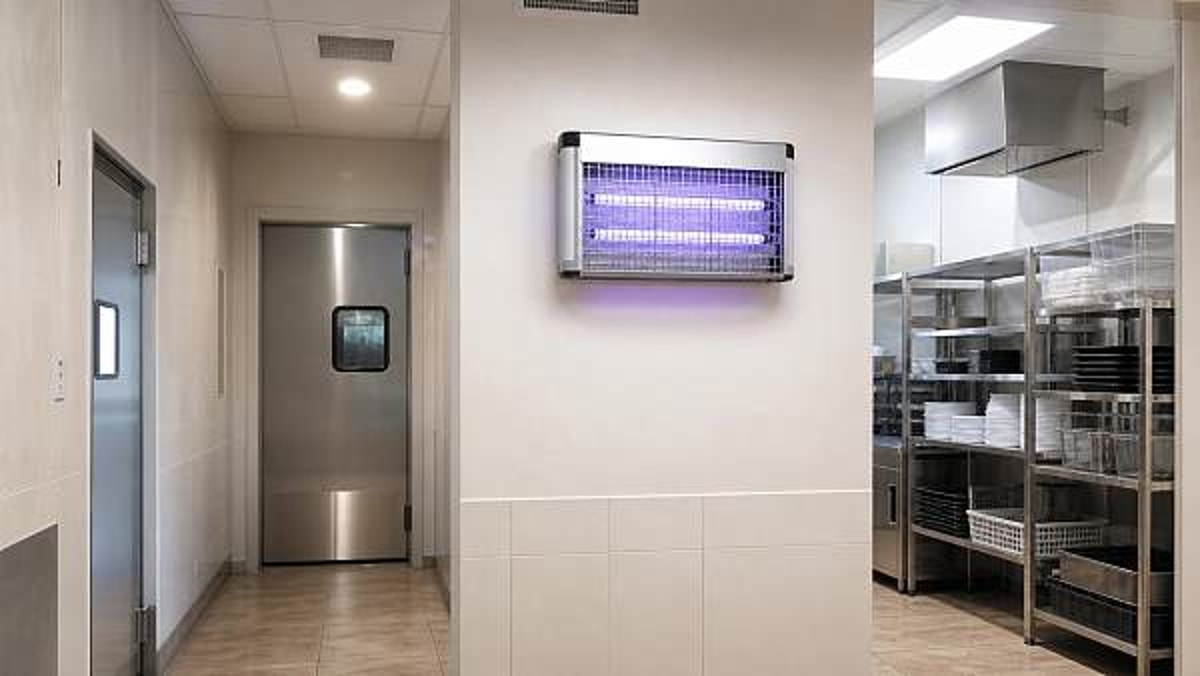
Commercial insect killers are indoor pest-control devices designed for business environments such as hotels, restaurants, offices, schools, retail stores, entertainment venues, and specialty commercial spaces. Depending on the technology used, they may attract insects with UV light, capture them on glue boards, or eliminate them through electrified grids. While device quality matters, real-world results are often shaped just as strongly by placement. In practice, the same unit can perform poorly in one corner and exceptionally well only a few meters away.
This is why placement has become a serious operational topic rather than a minor installation detail. For information researchers, procurement teams, and facility managers, indoor positioning affects pest pressure, cleanliness standards, guest experience, and compliance support. In sectors where customer perception matters, visible insect activity can undermine confidence quickly. In foodservice and hospitality settings, it can also influence sanitation outcomes and internal quality audits.
The core principle is simple: commercial insect killers work best when they intercept insect movement patterns instead of merely filling a room with equipment. Flying insects respond to light contrast, air movement, moisture, food odors, and travel routes. If the unit is installed without considering those factors, attraction may be weak, capture may be inconsistent, or insects may remain active in critical zones.
Why the industry pays close attention to placement
Across the broader commercial sector, indoor pest control is now tied to experience management. A premium hotel lobby, a smart campus cafeteria, a luxury showroom, or an amusement venue all depend on environments that feel clean, controlled, and professionally maintained. Commercial insect killers are therefore part of a larger operating strategy that combines hygiene, design, safety, and maintenance efficiency.
Placement receives attention because many commercial sites are no longer simple rectangular rooms. Modern interiors include glass walls, open-plan layouts, mixed-use zones, display lighting, HVAC complexity, hidden service corridors, and frequent door traffic. These factors change insect behavior and can either support or reduce device performance. A unit that is technically suitable may underperform if it competes with bright decorative lighting, sits in a dead airflow zone, or is placed too far from typical insect entry paths.
From a sourcing and operations perspective, better placement also improves return on investment. Businesses often assume recurring insect issues require more units, stronger specifications, or a complete product change. In reality, reviewing indoor placement first may solve the problem faster and at lower cost. For commercial buyers, that makes placement assessment a practical first step before expanding budgets or changing suppliers.
How small indoor changes can alter results fast
The reason small changes matter is that insects do not use indoor space evenly. Many species travel along walls, near entrances, around waste points, beside food-preparation zones, or close to moisture sources. Moving a unit slightly closer to those routes can dramatically increase interception. Likewise, shifting a device away from direct sunlight, decorative spotlights, or reflective surfaces can improve attraction by making the unit’s light source more noticeable.
Airflow is another fast-acting variable. Supply vents, ceiling fans, and open doors can disperse attractants, redirect insect movement, or create turbulence that makes some zones less effective. A device installed in strong cross-drafts may not capture as efficiently as one placed in a more stable path between an entry point and a target activity area. In many facilities, results improve after relocating the unit only slightly higher, lower, or sideways to better match indoor circulation patterns.
Visibility also matters, but not in the way many people assume. Commercial insect killers should be visible to insects, not necessarily prominent to guests. In customer-facing areas, effective placement often means balancing operational performance with discreet presentation. This is especially relevant in luxury, hospitality, and retail environments where aesthetics influence brand perception.
Key indoor factors that influence commercial insect killers
When evaluating performance, facilities teams should focus on a small set of indoor variables before judging the product itself. These variables explain most placement-related differences in outcome.
Taken together, these factors show why a placement review is often more valuable than a simple device count. Commercial insect killers are most effective when integrated into the way a space actually operates throughout the day.
Typical commercial environments and placement priorities
Although the basic logic of placement is consistent, priorities vary by environment. A hotel back-of-house kitchen does not have the same exposure profile as an office pantry or a luxury display floor. Understanding the room’s function helps decision-makers install commercial insect killers where they add the most value.
This setting-based view is important for global sourcing and specification decisions. Buyers should not evaluate commercial insect killers only by technical brochure claims. They should also ask how each device type fits the operational zones, appearance requirements, and maintenance routines of the intended environment.
Business value beyond basic pest reduction
Good indoor placement creates value beyond catching insects. It supports brand protection, audit readiness, labor efficiency, and more predictable maintenance planning. In hospitality and premium commercial spaces, one visible pest issue can have an outsized impact on reviews and customer trust. When commercial insect killers are positioned well, they help reduce that risk quietly in the background.
There is also a workflow benefit. Poorly placed devices may fill slowly in one area while insects remain active elsewhere, leading teams to spend time reacting to complaints instead of controlling root patterns. Better placement can concentrate captures where monitoring is useful, making trends easier to track and service schedules easier to manage. For multi-site operators, this can improve consistency across properties and simplify internal standards.
For suppliers and sourcing platforms serving international buyers, this practical perspective matters. Commercial customers increasingly want solutions that combine performance, compliance awareness, design suitability, and operational clarity. Placement guidance is therefore part of the value proposition, not an afterthought.
Practical placement guidance for facilities teams and buyers
A useful starting point is to map the indoor journey of insects rather than the ideal appearance of the room. Look at where doors open most often, where waste pauses before removal, where food or moisture is present, and where air currents push movement. Then place commercial insect killers to intercept those patterns inside the building without drawing attention in customer-sensitive zones.
It is usually advisable to avoid placing units directly above food-preparation surfaces or in positions where customers focus visually for long periods. Equally, devices should not be hidden so completely that service access becomes difficult or that they lose exposure to likely insect routes. The best positions often sit at the edge of activity: just outside kitchens, along interior approach paths from loading areas, near pantry exits, or on walls that connect public and operational zones.
Maintenance should be considered during placement as well. If a unit is difficult to inspect, clean, or service safely, performance will decline over time even if the initial location was strong. Buyers should therefore review installation height, replacement access, surrounding clearance, and line-of-sight interference before standardizing a rollout.
What to evaluate before changing equipment
When results are disappointing, businesses often assume the commercial insect killers themselves are inadequate. Before replacing products, decision-makers should review five questions: Is the device too close to competing light? Is airflow disrupting attraction? Is it too far from insect entry or movement routes? Has the room function changed since installation? Is maintenance access affecting service quality? These checks often identify a placement issue faster than a product comparison exercise.
This approach is especially useful in multi-purpose facilities where layouts evolve. Temporary displays, seasonal traffic, updated furniture, new ventilation adjustments, or revised service routes can all change how insects move indoors. Placement should therefore be reviewed periodically, not only when an outbreak becomes visible.
A practical next step for informed commercial decisions
For information researchers and commercial buyers, the most effective way to assess commercial insect killers is to connect product selection with indoor context. Device technology matters, but performance depends on how the unit interacts with layout, traffic, lighting, hygiene routines, and brand presentation. A small relocation can change results quickly because it aligns the equipment with the actual behavior of insects inside commercial spaces.
Organizations planning upgrades, new fit-outs, or multi-site sourcing programs should treat placement as part of early-stage evaluation. Reviewing room function, entry paths, and maintenance practicality before installation can reduce recurring pest pressure and improve overall operational control. In a market where experience, cleanliness, and trust shape commercial success, smarter placement is one of the fastest ways to get more value from commercial insect killers.
Search News
Hot Articles
Popular Tags
Need ExpertConsultation?
Connect with our specialized leisureengineering team for procurementstrategies.
Recommended News
 May 03, 2026Commercial pizza ovens that save labor may cost more to ventCommercial pizza ovens can cut labor, but venting, code compliance, and installation may raise total costs. See the key checks before you buy.● Hospitality Sourcing Dir
 May 03, 2026Commercial juicers: cold press or centrifugal for daily serviceCommercial juicers: compare cold press and centrifugal models for daily service. Discover the best fit for speed, juice quality, yield, cleaning, and operating costs.● Hospitality Sourcing Dir
 May 03, 2026Commercial water boilers: recovery time matters more than listed capacityCommercial water boilers perform best when recovery time matches peak demand. Learn why faster reheating beats listed capacity for reliable, efficient commercial hot water service.● Hospitality Sourcing Dir
 May 03, 2026Cotton candy machines wholesale: small details that affect cleaning timeCotton candy machines wholesale guide: discover the small design details that cut cleaning time, reduce labor costs, and improve hygiene for busy commercial operations.● Hospitality Sourcing Dir
 May 03, 2026Dough sheeters wholesale: thickness control is where quality showsDough sheeters wholesale buyers: see why thickness control defines real quality, repeatability, and long-term value. Compare key evaluation points for smarter sourcing.● Hospitality Sourcing Dir
 May 03, 2026Slushy machines wholesale: what causes flavor crossover problemsSlushy machines wholesale buyers should understand what causes flavor crossover, from poor sealing to weak cleaning design, to protect drink quality and choose more reliable equipment.● Hospitality Sourcing Dir
 May 03, 2026Commercial bread slicers: slice consistency affects more than looksCommercial bread slicers do more than improve appearance—they boost portion control, reduce waste, and support faster service. Learn what drives slice consistency before you buy.● Hospitality Sourcing Dir
 May 03, 2026Wood fired pizza ovens need more space than most plans allowWood fired pizza ovens often require more space than expected. Learn how to avoid redesigns, protect workflow, and plan compliant, high-performance hospitality projects.● Hospitality Sourcing Dir
 May 03, 2026Commercial pizza ovens: gas or electric for steady outputCommercial pizza ovens: compare gas vs. electric for steady output, faster recovery, precise control, and smarter installation choices across real kitchen scenarios.● Hospitality Sourcing Dir
 May 03, 2026Commercial popcorn machines: kettle size vs serving rush realityCommercial popcorn machines should be chosen by real rush-hour output, not kettle size alone. Learn how to match serving peaks, staffing, and workflow for smarter buying.● Hospitality Sourcing Dir
 May 03, 2026Commercial insect killers: indoor placement changes results fastCommercial insect killers perform very differently based on indoor placement. Discover how small positioning changes can boost control, reduce pest activity, and improve operational results fast.● Hospitality Sourcing Dir
 May 03, 2026Hotel & Catering Equipment lists often hide installation costsHotel & Catering Equipment lists often hide installation costs. Learn where budgets slip, what to verify early, and how to compare total installed value before approval.● Hospitality Sourcing Dir
 May 03, 2026Bakery display cases: glass fogging, lighting, and product appealBakery display cases guide: compare anti-fog glass, lighting quality, and temperature stability to boost product appeal, hygiene, and sales with smarter sourcing decisions.● Hospitality Sourcing Dir
 May 03, 2026Commercial milkshake mixers: when motor power changes drink textureCommercial milkshake mixers directly shape texture, aeration, and consistency. Learn how motor power affects shake quality and choose the right mixer for your menu and volume.● Hospitality Sourcing Dir
 May 03, 2026Hot dog rollers that clean faster can cut downtime more than expectedHot dog rollers that clean faster can reduce downtime, improve sanitation, and save labor. Learn which features matter most before you buy for busy commercial service.● Hospitality Sourcing Dir
 May 03, 2026Conveyor pizza ovens or deck ovens for high-volume service?Conveyor pizza ovens vs deck ovens: discover which option delivers better throughput, consistency, labor efficiency, and site-fit for high-volume commercial pizza service.● Hospitality Sourcing Dir
 May 03, 2026Shawarma machines commercial buyers compare heat control firstShawarma machines commercial buyers compare heat control first. Learn how gas, electric, and multi-zone systems affect consistency, efficiency, safety, and sourcing decisions.● Hospitality Sourcing Dir
 May 02, 2026Stainless steel GN pans with reinforced corners last longer in busy kitchensStainless steel GN pans with reinforced corners help busy kitchens reduce warping, improve hygiene, and cut replacement costs. See why buyers choose longer-lasting performance.● Hospitality Sourcing Dir
 May 02, 2026Commercial induction cookers: power ratings that mislead first-time buyersCommercial induction cookers are not as simple as wattage labels suggest. Learn how to compare real performance, efficiency, pan fit, and reliability before you buy.● Hospitality Sourcing Dir
 May 02, 2026Beverage dispensers wholesale: what causes dripping after heavy useBeverage dispensers wholesale guide: learn what causes dripping after heavy use, how to spot seal, valve, and pressure issues, and choose durable suppliers with confidence.● Hospitality Sourcing Dir
 May 02, 2026Disposable wooden cutlery and the taste issue customers noticeDisposable wooden cutlery can affect taste, texture, and customer perception. Learn what causes woody aftertaste, how to test suppliers, and how to choose better options.● Hospitality Sourcing Dir
 May 02, 2026Sushi display cases: curved glass looks better, but is it practical?Sushi display cases with curved glass look premium, but are they practical? Compare visibility, cleaning, temperature control, and ROI before you buy.● Hospitality Sourcing Dir
 May 02, 2026Vacuum sealing machines food businesses can scale withVacuum sealing machines food businesses can scale with improve shelf life, workflow, and cost control. Explore reliable, compliant solutions for growing food operations.● Hospitality Sourcing Dir
 May 02, 2026Chafing fuel gel bulk: storage and burn-time issues to check firstChafing fuel gel bulk buyers should check storage stability, seal integrity, and real burn-time performance first. Reduce waste, avoid service disruption, and source with more confidence.● Hospitality Sourcing Dir