Hotel & Catering Equipment costs that often get missed early
When planning a hospitality project, many teams budget for visible purchases but underestimate hidden Hotel & Catering Equipment costs that emerge during design, installation, compliance, and long-term operation. For project managers and engineering leads, identifying these overlooked expenses early is essential to protecting timelines, controlling capital outlay, and avoiding costly changes once procurement is underway.
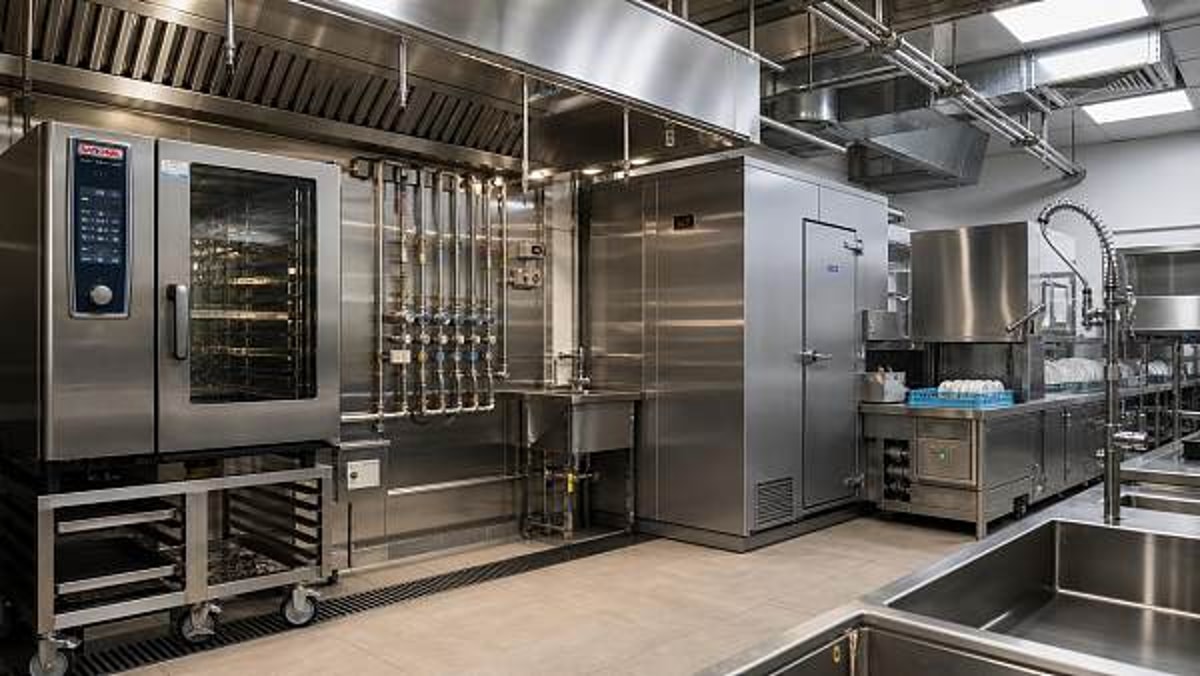
In hotel kitchens, banquet production areas, buffet lines, laundry interfaces, bars, and back-of-house support zones, the headline equipment price is only one part of the real investment. A combi oven, walk-in cold room, dishwashing line, or stainless fabrication package may appear competitive at quotation stage, yet the total delivered cost can rise by 15% to 35% once utilities, ventilation, approvals, logistics, training, and after-sales support are added.
For project leaders managing hospitality developments, refurbishments, or mixed-use commercial assets, missing these cost layers creates three common problems: budget drift, programme delays, and operational compromise. The most effective response is to map hidden Hotel & Catering Equipment costs early, assign them to the right work packages, and align procurement with design, engineering, and commissioning milestones from day one.
Why early-stage budgets often miss the real cost of Hotel & Catering Equipment
At concept stage, many budgets are based on supplier catalog pricing or benchmark rates per room, per cover, or per square metre. That approach is useful for fast feasibility work, but it rarely captures the full cost stack. In hospitality projects, equipment packages interact with MEP systems, architectural finishes, workflow design, hygiene requirements, and local compliance rules, which can add 10 to 20 separate cost points beyond the initial purchase order.
The gap between quoted price and installed cost
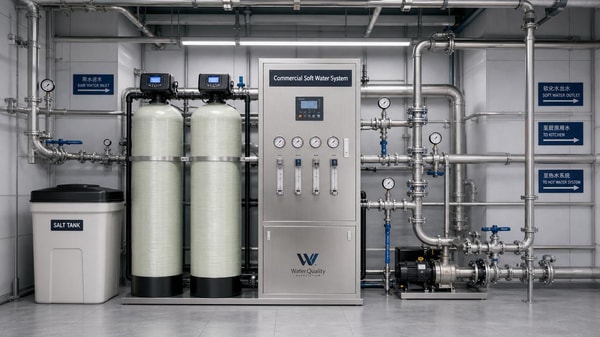
A supplier quotation may include the machine, standard accessories, and basic factory testing. It may not include builder’s work openings, drain upgrades, grease management, additional duct runs, fire suppression interfaces, power isolation points, water filtration, or night-time delivery restrictions. On live hotel sites or city-centre developments, these “small” items can increase installed cost by 8% to 18% per equipment category.
This issue becomes more serious when project teams split procurement across multiple packages. The kitchen consultant may specify the equipment, the MEP contractor may price utilities based on early drawings, and the fit-out contractor may assume standard dimensions. If the final equipment submittals change power load from 12kW to 18kW, or require a 150mm larger service void, the rework lands late and usually at a premium.
Typical hidden cost categories in hospitality projects
The table below highlights common cost areas that are frequently missed in Hotel & Catering Equipment planning. It is most useful during concept validation, budget sign-off, and pre-tender coordination.
The main takeaway is that hidden cost is not a single line item. It is a chain of dependencies. When project managers treat Hotel & Catering Equipment as an integrated package rather than a standalone purchase, budget accuracy usually improves and variation exposure falls during the final 20% of the programme.
Where cost escalation starts in the design phase
Escalation often begins with incomplete equipment schedules. Missing details such as connected load, heat rejection, door swing, floor loading, or cleaning clearance may seem minor, but they drive architectural and engineering decisions. A blast chiller with inadequate service clearance may force layout revisions. A dishwash area without proper steam extraction can affect ceiling design, corrosion protection, and staff comfort.
Four early warning signs
- Equipment schedules issued without utility matrices or connection points.
- Value engineering applied before workflow and peak-volume analysis are complete.
- Supplier selection based only on unit price instead of lifecycle and service support.
- Kitchen, bar, and catering zones coordinated after ceiling, drainage, and MEP routes are frozen.
The hidden Hotel & Catering Equipment costs that affect delivery, compliance, and operations
For engineering leads, the most costly surprises usually appear in five areas: infrastructure readiness, compliance adaptation, freight and site handling, commissioning, and long-term operating support. Each area can be planned, but only if the procurement team asks the right questions 6 to 16 weeks before equipment arrival.
Infrastructure upgrades that appear after supplier approval
Hotel & Catering Equipment often triggers hidden base-build or fit-out changes. An imported cooking suite may need a different gas pressure regime. A bakery line may require 380V or 415V three-phase supply instead of the provision shown on preliminary drawings. A large ice machine may need upgraded drainage falls and water filtration to protect warranty conditions. These changes can take 2 to 6 weeks to approve and execute.
Cold-room installations are another common example. The quoted panel and condensing unit price may exclude insulated floor build-up, anti-slip finishing, vapour barriers, remote condenser brackets, refrigerant pipe routing, and weather protection. On retrofit projects, these associated works can add more cost than the cold room door upgrade that initially drove the purchase.
Compliance, hygiene, and local adaptation costs
International sourcing creates value, but imported equipment may need local adaptation. Power plugs, isolators, labeling language, food-contact material declarations, gas conversion kits, splashback details, or height adjustments for accessibility and staff workflow are frequently excluded from standard pricing. Depending on jurisdiction and project complexity, compliance-related extras may add 3% to 12% to the equipment package.
Project teams should also review cleaning and hygiene obligations. Seam welding standards, coved skirting interfaces, removable filters, floor stand design, and drainage access are not just operational details; they influence acceptance, maintenance hours, and audit readiness. In premium hospitality environments, poor cleanability can lead to higher labour input every shift, which becomes a hidden operating cost over 5 to 10 years.
Freight, duties, storage, and on-site handling
Global sourcing can reduce factory pricing, yet freight volatility, customs handling, and site logistics often erode the expected savings. Equipment arriving in 4 to 8 separate consignments creates additional inspection, storage, and coordination effort. If the site is not ready, off-site warehousing, re-delivery, and packaging deterioration become real cost items.
This is especially relevant for luxury hotels, airport hospitality venues, and mixed-use towers where access windows may be limited to overnight periods. A delivery that looks simple on paper can require lift bookings, protection of finished corridors, temporary removal of doors, and specialist rigging teams. None of these items should be left as assumptions.
The matrix below helps project teams identify when hidden costs become most likely and which owner should verify them before purchase order release.
A practical lesson from this table is that the owner of the cost risk changes over time. Hidden Hotel & Catering Equipment costs are rarely caused by one bad decision; they are usually created by a handover gap between disciplines.
How project managers can control overlooked costs before procurement starts
The strongest cost control method is not aggressive late-stage negotiation. It is disciplined pre-procurement coordination. When the project team defines performance requirements, utility conditions, access constraints, and commissioning responsibilities before tender, budget reliability improves significantly.
Build a five-part review before equipment approval
- Validate production capacity against peak covers, service style, and menu complexity.
- Confirm all utility loads, connection sizes, and heat rejection values with MEP teams.
- Check access routes, lifting limits, storage conditions, and floor loading constraints.
- Review local compliance needs, testing protocols, and authority interfaces.
- Define training, spare parts, warranty response time, and maintenance responsibilities.
This review can usually be completed in 7 to 10 working days for a standard hotel kitchen package and 2 to 3 weeks for a larger resort, convention venue, or multi-outlet project. The time invested upfront is small compared with the delay caused by late utility changes or non-compliant delivered equipment.
Use total cost thinking, not only purchase price
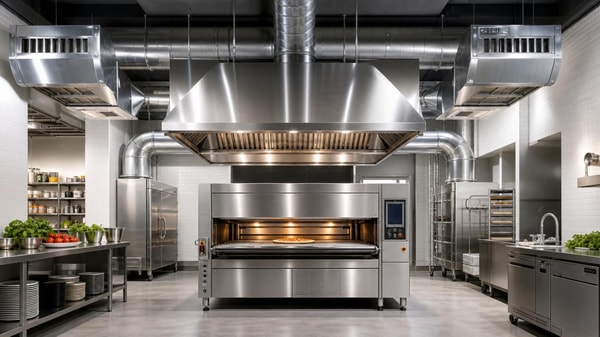
For Hotel & Catering Equipment, low upfront cost does not always mean lower project cost. A lower-priced dishwasher may consume more water, require more frequent descaling, or have longer lead times for replacement parts. A cheaper extraction canopy may create higher noise, grease accumulation, or balancing issues. Over a 3- to 5-year period, these differences affect labour, downtime, and guest-facing service quality.
Questions worth asking suppliers
- What is included in the standard installation scope, and what is expressly excluded?
- What utility tolerances are required for warranty validity?
- How many preventive maintenance visits are recommended per year?
- What are the normal lead times for critical spare parts: 48 hours, 7 days, or 30 days?
- Can the supplier support commissioning during phased openings or soft-launch periods?
Align sourcing with operational reality
A project may be technically compliant but still commercially inefficient if the equipment mix does not suit the operator’s service model. For example, a banquet kitchen sized for 1,000 covers has very different resilience needs than a boutique hotel with 120 covers and a high-margin à la carte concept. Hidden costs appear when teams over-specify capacity, under-specify redundancy, or ignore staff skill levels. Training time, menu consistency, and cleaning routines all have cost implications.
This is where a sourcing intelligence partner can add value. By comparing supplier capabilities, lead-time reliability, customization options, and after-sales readiness across regions, commercial buyers can avoid false economies and select equipment packages that support both opening deadlines and long-term service standards.
A practical planning framework for hospitality developments and refurbishments
Whether the project is a new-build hotel, a serviced residence, a university hospitality block, or a foodservice refurbishment inside a mixed-use asset, a clear framework helps teams convert hidden risks into visible decisions.
Recommended checkpoints from concept to handover
- Concept stage: set budget with a contingency allowance for associated works, often 10% to 15% on complex kitchen packages.
- Design development: freeze utility schedules and service clearances before ceiling and drainage coordination closes.
- Tender stage: reconcile all exclusions line by line across supplier, MEP, fit-out, and contractor scopes.
- Pre-delivery stage: confirm customs, storage, lifting, and installation sequence at least 14 days in advance.
- Commissioning stage: allow 3 to 7 days for testing, staff familiarization, and defect rectification before live service.
Common mistakes to avoid
One common mistake is treating every supplier quotation as directly comparable. In reality, one offer may include start-up, training, and CAD coordination, while another excludes them. Another mistake is delaying operator input until installation. By that point, changes to prep flow, pass counters, storage zoning, or menu-specific equipment can trigger both cost and delay. A third mistake is assuming service support is equal across regions. For critical Hotel & Catering Equipment, local parts access and technician response can matter more than minor purchase price savings.
For project managers and engineering leaders under pressure to open on time, the best protection is early detail. Define the full equipment ecosystem, not just the appliance list. Budget for interfaces, verify exclusions, and challenge any quotation that seems unusually low without a transparent scope breakdown.
Hidden Hotel & Catering Equipment costs are manageable when they are identified early, allocated correctly, and reviewed against actual operational goals. In hospitality projects, the most resilient procurement strategy combines technical coordination, realistic lifecycle costing, and supplier due diligence across design, logistics, installation, and service support. If you are planning a hotel, resort, catering facility, or mixed-use commercial development, Global Commercial Trade can help you assess sourcing options, compare equipment packages, and build a more reliable procurement roadmap. Contact us today to discuss your project requirements, request a tailored sourcing plan, or explore more commercial hospitality solutions.
Search News
Hot Articles
Popular Tags
Need ExpertConsultation?
Connect with our specialized leisureengineering team for procurementstrategies.
Recommended News
 May 05, 2026Hotel & Catering Equipment costs that often get missed earlyHotel & Catering Equipment costs often go beyond the quote. Discover hidden expenses in utilities, compliance, logistics, and commissioning to protect budgets and avoid project delays.● Hospitality Sourcing Dir
 May 04, 2026Commercial Water Softeners: Sizing Mistakes That Raise CostsCommercial water softeners sizing mistakes can quietly raise salt, water, and maintenance costs. Learn the most common errors and smarter sizing tips for long-term commercial efficiency.● Hospitality Sourcing Dir
 May 04, 2026Hotel & Catering Equipment Lists Often Miss These BasicsHotel & Catering Equipment lists often miss critical basics like utilities, compliance, workflow, and maintenance access. Learn how to avoid delays, rework, and costly project risks.● Hospitality Sourcing Dir
 May 03, 2026Commercial pizza ovens that save labor may cost more to ventCommercial pizza ovens can cut labor, but venting, code compliance, and installation may raise total costs. See the key checks before you buy.● Hospitality Sourcing Dir
 May 03, 2026Commercial juicers: cold press or centrifugal for daily serviceCommercial juicers: compare cold press and centrifugal models for daily service. Discover the best fit for speed, juice quality, yield, cleaning, and operating costs.● Hospitality Sourcing Dir
 May 03, 2026Commercial water boilers: recovery time matters more than listed capacityCommercial water boilers perform best when recovery time matches peak demand. Learn why faster reheating beats listed capacity for reliable, efficient commercial hot water service.● Hospitality Sourcing Dir
 May 03, 2026Cotton candy machines wholesale: small details that affect cleaning timeCotton candy machines wholesale guide: discover the small design details that cut cleaning time, reduce labor costs, and improve hygiene for busy commercial operations.● Hospitality Sourcing Dir
 May 03, 2026Dough sheeters wholesale: thickness control is where quality showsDough sheeters wholesale buyers: see why thickness control defines real quality, repeatability, and long-term value. Compare key evaluation points for smarter sourcing.● Hospitality Sourcing Dir
 May 03, 2026Slushy machines wholesale: what causes flavor crossover problemsSlushy machines wholesale buyers should understand what causes flavor crossover, from poor sealing to weak cleaning design, to protect drink quality and choose more reliable equipment.● Hospitality Sourcing Dir
 May 03, 2026Commercial bread slicers: slice consistency affects more than looksCommercial bread slicers do more than improve appearance—they boost portion control, reduce waste, and support faster service. Learn what drives slice consistency before you buy.● Hospitality Sourcing Dir
 May 03, 2026Wood fired pizza ovens need more space than most plans allowWood fired pizza ovens often require more space than expected. Learn how to avoid redesigns, protect workflow, and plan compliant, high-performance hospitality projects.● Hospitality Sourcing Dir
 May 03, 2026Commercial pizza ovens: gas or electric for steady outputCommercial pizza ovens: compare gas vs. electric for steady output, faster recovery, precise control, and smarter installation choices across real kitchen scenarios.● Hospitality Sourcing Dir
 May 03, 2026Commercial popcorn machines: kettle size vs serving rush realityCommercial popcorn machines should be chosen by real rush-hour output, not kettle size alone. Learn how to match serving peaks, staffing, and workflow for smarter buying.● Hospitality Sourcing Dir
 May 03, 2026Commercial insect killers: indoor placement changes results fastCommercial insect killers perform very differently based on indoor placement. Discover how small positioning changes can boost control, reduce pest activity, and improve operational results fast.● Hospitality Sourcing Dir
 May 03, 2026Hotel & Catering Equipment lists often hide installation costsHotel & Catering Equipment lists often hide installation costs. Learn where budgets slip, what to verify early, and how to compare total installed value before approval.● Hospitality Sourcing Dir
 May 03, 2026Bakery display cases: glass fogging, lighting, and product appealBakery display cases guide: compare anti-fog glass, lighting quality, and temperature stability to boost product appeal, hygiene, and sales with smarter sourcing decisions.● Hospitality Sourcing Dir
 May 03, 2026Commercial milkshake mixers: when motor power changes drink textureCommercial milkshake mixers directly shape texture, aeration, and consistency. Learn how motor power affects shake quality and choose the right mixer for your menu and volume.● Hospitality Sourcing Dir
 May 03, 2026Hot dog rollers that clean faster can cut downtime more than expectedHot dog rollers that clean faster can reduce downtime, improve sanitation, and save labor. Learn which features matter most before you buy for busy commercial service.● Hospitality Sourcing Dir
 May 03, 2026Conveyor pizza ovens or deck ovens for high-volume service?Conveyor pizza ovens vs deck ovens: discover which option delivers better throughput, consistency, labor efficiency, and site-fit for high-volume commercial pizza service.● Hospitality Sourcing Dir
 May 03, 2026Shawarma machines commercial buyers compare heat control firstShawarma machines commercial buyers compare heat control first. Learn how gas, electric, and multi-zone systems affect consistency, efficiency, safety, and sourcing decisions.● Hospitality Sourcing Dir
 May 02, 2026Stainless steel GN pans with reinforced corners last longer in busy kitchensStainless steel GN pans with reinforced corners help busy kitchens reduce warping, improve hygiene, and cut replacement costs. See why buyers choose longer-lasting performance.● Hospitality Sourcing Dir
 May 02, 2026Commercial induction cookers: power ratings that mislead first-time buyersCommercial induction cookers are not as simple as wattage labels suggest. Learn how to compare real performance, efficiency, pan fit, and reliability before you buy.● Hospitality Sourcing Dir
 May 02, 2026Beverage dispensers wholesale: what causes dripping after heavy useBeverage dispensers wholesale guide: learn what causes dripping after heavy use, how to spot seal, valve, and pressure issues, and choose durable suppliers with confidence.● Hospitality Sourcing Dir
 May 02, 2026Disposable wooden cutlery and the taste issue customers noticeDisposable wooden cutlery can affect taste, texture, and customer perception. Learn what causes woody aftertaste, how to test suppliers, and how to choose better options.● Hospitality Sourcing Dir