Soundproof phone booths: when sound ratings mislead office plans
Many office projects specify soundproof phone booths based on advertised sound ratings alone, only to discover post-installation complaints, privacy gaps, and layout conflicts. For project managers, the real challenge is not just comparing numbers, but understanding how acoustic performance, ventilation, placement, and compliance affect daily use. This article explains where sound ratings can mislead office plans and what to evaluate before procurement.
Why do soundproof phone booths often underperform after installation?
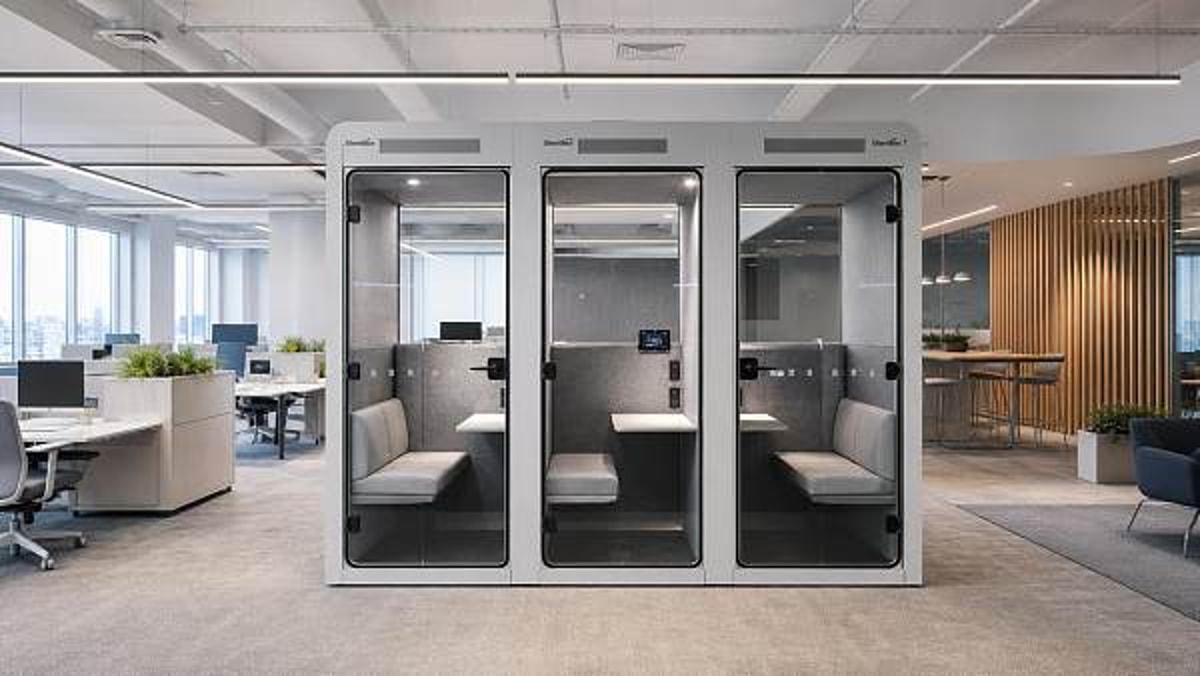
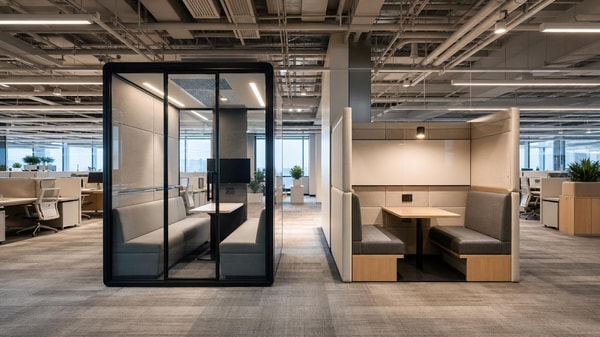
For project managers overseeing office fit-outs, the most common mistake is treating soundproof phone booths as isolated products rather than as part of a working acoustic environment. A booth may look impressive on a datasheet, yet deliver disappointing privacy in an open-plan office with hard floors, exposed ceilings, and dense circulation routes.
The phrase “soundproof phone booths” is also used loosely in the market. Some suppliers refer to speech reduction inside the pod. Others highlight laboratory-tested sound insulation. Some focus on user comfort, while buyers assume full confidentiality. These are not the same performance outcomes, and the gap affects complaints, user adoption, and retrofit costs.
- A strong rating may come from a controlled test condition that does not reflect office background noise or nearby collaboration zones.
- Booth placement near printers, lift lobbies, pantry areas, or circulation corridors can undermine actual speech privacy.
- Ventilation fans, door seals, glazing details, and cable penetrations may reduce real-world performance even when the structure is solid.
- Users judge success by comfort and confidentiality during calls, not by a single decibel number in a brochure.
In commercial projects across hospitality offices, smart campuses, shared workplaces, and specialty retail headquarters, procurement teams need a broader evaluation method. This is where Global Commercial Trade (GCT) adds value: not by pushing a single product claim, but by helping buyers compare sourcing options against operating conditions, compliance expectations, and layout realities.
Which sound ratings matter, and which ones mislead office planning?
Before approving soundproof phone booths, project managers should clarify what a supplier is actually measuring. A booth can reduce transmitted sound, absorb interior reflections, or mask speech differently depending on construction and test method. Problems arise when one number is used as a universal indicator of privacy.
Common rating confusion in office booth procurement
The table below helps translate typical acoustic claims into practical procurement meaning. It is especially useful when comparing quotes from multiple international suppliers that describe soundproof phone booths in different technical language.
A reliable comparison should combine the rating itself with test context, installation assumptions, and use case. If your office handles HR calls, legal review, telehealth intake, premium client service, or executive discussions, “good enough for casual calls” is not the same as “adequate for sensitive speech.”
Questions to ask suppliers before relying on a sound number
- Was the performance measured in a laboratory, a mock office, or an occupied commercial environment?
- Does the reported result address insulation, speech privacy, or internal comfort?
- What assumptions were made for door closure, sealing, ventilation operation, and flooring?
- Can the supplier explain expected performance for normal speech versus raised voice or video calls?
What should project managers evaluate beyond the sound rating?
For soundproof phone booths, acoustic numbers are only one part of a successful specification. In real projects, user comfort, MEP coordination, code review, occupancy expectations, and maintenance access often determine whether the booth becomes a valued asset or an operational issue.
Core evaluation dimensions
- Ventilation and thermal comfort: A booth with strong sound isolation but weak airflow quickly becomes unpopular. Heat buildup affects call duration and occupancy turnover.
- Lighting and power integration: Poor lighting, insufficient outlets, or awkward cable access reduce usability, especially for hybrid work and video conferencing.
- Footprint and circulation: Door swing, wheelchair access, emergency egress paths, and cleaning routes need early review.
- Assembly logistics: Lift dimensions, corridor widths, phased fit-out schedules, and after-hours installation windows can affect product choice.
- Durability and serviceability: Replaceable fans, lighting modules, glass components, and interior finishes influence lifecycle cost more than initial purchase price alone.
This is particularly relevant in multi-sector commercial environments served by GCT, where office booths may be deployed in hotel administrative spaces, educational management offices, media production campuses, customer consultation zones, or mixed-use headquarters. Each context changes what “fit for purpose” really means.
A practical evaluation matrix for soundproof phone booths
Use the following matrix during specification review. It supports more balanced decisions than comparing brochures line by line.
A booth that scores well across these dimensions is usually a safer choice than one with a standout acoustic claim but limited operational clarity. For project teams, this reduces post-handover surprises and improves user satisfaction.
How does office layout change the real performance of soundproof phone booths?
Layout is often the hidden variable. The same soundproof phone booths can feel private in one office and exposed in another. This is because speech privacy depends on distance, surrounding finishes, local noise floor, ceiling treatment, and the activity profile around the booth.
Placement risks that often cause complaints
- Placing booths directly beside desking for heads-down work, where low ambient noise makes speech more noticeable.
- Installing booths in reverberant spaces with hard glazing and minimal ceiling absorption, which amplifies perceived leakage.
- Grouping multiple booths too tightly, creating queues and overlapping call noise during peak use.
- Ignoring door swing, user waiting zones, and informal gathering points around the booth entrance.
In procurement planning, a simple mock-up or sample placement review can prevent expensive mistakes. GCT’s cross-sector sourcing perspective is useful here because office booth decisions increasingly sit at the intersection of workplace design, user experience, and international supply coordination rather than furniture purchasing alone.
Scenario-based placement guidance
The next table shows how soundproof phone booths should be evaluated differently by use setting, not just by generic specification.
This scenario approach prevents overbuying in low-risk areas and under-specifying in sensitive environments. That balance is critical when project budgets are tight and leadership still expects a premium user experience.
What compliance and technical checks should not be skipped?
Although soundproof phone booths are often purchased as movable or semi-freestanding solutions, they still interact with workplace safety, electrical requirements, material standards, and accessibility expectations. Project managers should avoid assuming that a furniture classification removes all technical review.
Important checkpoints before final approval
- Confirm electrical components align with local voltage, plug type, and relevant safety requirements.
- Review materials for fire behavior, interior finish suitability, and low-maintenance cleaning compatibility where applicable.
- Check whether booth dimensions, threshold details, and door operation support intended accessibility goals.
- Assess structural stability and manufacturer instructions for relocation, leveling, and floor condition.
- Verify ventilation and occupancy guidance, especially if booths are expected to support long video calls or intensive daily use.
Because GCT works across office and educational supplies, hospitality, and other commercial sectors, the sourcing lens is broader than product aesthetics alone. Cross-border procurement often introduces different documentation standards, so early technical clarification helps avoid customs delays, rejected installations, or last-minute substitution.
How should buyers compare cost, value, and alternatives?
The lowest priced soundproof phone booths can become expensive if they create complaints, need relocation, or fail to support expected usage density. At the same time, the highest acoustic specification may be unnecessary for casual call zones. Good procurement balances acoustic need, occupancy pattern, and total project cost.
Cost factors beyond unit price
- Import and freight complexity, especially for assembled modules or glass-heavy configurations.
- Onsite installation time, access restrictions, and potential disruption to live office operations.
- Energy use, fan replacement, lighting maintenance, and cleaning frequency.
- Reconfiguration value if the workplace may be relocated or redesigned within a few years.
When alternatives may be more practical
Not every need requires enclosed soundproof phone booths. In some layouts, alternative solutions perform better for the budget and user behavior involved.
- If the issue is mostly visual distraction and short calls, semi-enclosed acoustic seating may be sufficient.
- If confidential discussion is frequent and multi-person, a small enclosed meeting room may be a better fit.
- If leakage is caused by a poor office noise environment, adding ceiling absorption and sound masking may improve outcomes more effectively than upgrading booth specification alone.
This is where comparative sourcing support matters. GCT helps buyers assess not just products, but solution fit across commercial use cases, delivery requirements, and supplier capability profiles.
FAQ: what do project managers ask most about soundproof phone booths?
How should I compare two soundproof phone booths with different sound ratings?
Start by asking whether the ratings come from the same test logic and whether they describe insulation, absorption, or speech reduction. Then compare ventilation, fan noise, interior comfort, and the supplier’s placement recommendations. A lower published number may still perform better in your office if airflow, sealing, and layout suitability are superior.
Are soundproof phone booths suitable for confidential business calls?
They can be suitable for many business conversations, but suitability depends on the sensitivity of the content, surrounding office noise, and the actual speech privacy target. For HR, legal, financial, healthcare-adjacent, or executive uses, request more than a marketing claim. Clarify the expected level of intelligibility outside the booth and validate placement carefully.
What is the most overlooked issue during procurement?
Ventilation is often overlooked. Users reject booths that become warm, stuffy, or noisy from mechanical airflow. This creates underuse even when acoustic performance is acceptable. Installation access is another common problem, especially in retrofits with tight lifts, finished interiors, or phased occupancy.
How early should soundproof phone booths be specified in a project?
Ideally during layout and coordination planning, not after furniture selection. Early specification allows the team to review circulation, power supply, floor loading assumptions, acoustic strategy, and procurement lead times together. Late-stage insertion often forces compromises in location and performance.
Why choose us for sourcing guidance and supplier comparison?
Global Commercial Trade supports project managers and commercial buyers who need more than product catalogs. When evaluating soundproof phone booths, we help connect acoustic claims with real procurement decisions: what to ask suppliers, how to compare documentation, where layout risks may appear, and which solution tier matches your commercial setting.
You can contact us for practical support on the topics that affect project outcomes most:
- Parameter confirmation, including acoustic claim interpretation, airflow expectations, and electrical configuration checks.
- Product selection support based on office density, confidentiality level, and budget range.
- Delivery timeline review for international sourcing, phased installation, and site access constraints.
- Custom solution discussion for finishes, branding, integration needs, and sector-specific use cases.
- Documentation and certification screening to reduce compliance uncertainty during procurement.
- Sample and quotation communication for structured supplier comparison rather than one-dimensional price shopping.
If your current shortlist of soundproof phone booths looks similar on paper, that is exactly when deeper sourcing intelligence matters. A better decision usually comes from asking better questions before ordering, not from fixing avoidable issues after handover.
Search News
Hot Articles
Popular Tags
Need ExpertConsultation?
Connect with our specialized leisureengineering team for procurementstrategies.
Recommended News
 May 05, 2026Cork bulletin boards: why frame quality matters over board sizeCork bulletin boards deliver better long-term value when frame quality comes first. Learn how stronger materials, secure corners, and stable mounting improve durability, safety, and appearance.● Institutional Buyer
 May 05, 2026Soundproof phone booths: when sound ratings mislead office plansSoundproof phone booths can mislead office plans when ratings are taken at face value. Learn how to compare privacy, ventilation, placement, and compliance before you buy.● Institutional Buyer
 May 05, 2026Laser printer toner bulk: what affects page yield mostLaser printer toner bulk page yield depends on more than toner volume. Discover the top factors affecting real output and make smarter, lower-cost sourcing decisions.● Institutional Buyer
 May 05, 2026Science lab furniture: small design choices with big safety impactScience lab furniture shapes lab safety in ways many teams overlook. Discover smart design choices that reduce risk, improve compliance, and support efficient long-term performance.● Institutional Buyer
 May 05, 2026Wholesale ink cartridges: remanufactured vs compatible in real useWholesale ink cartridges compared in real use: remanufactured vs compatible on print quality, yield, firmware risk, and sourcing value—helping procurement teams buy smarter.● Institutional Buyer
 May 05, 2026Cash drawers wholesale: what causes jams at checkoutCash drawers wholesale guide: uncover the real causes of checkout jams, from latch design to POS compatibility, and learn how to source reliable drawers that reduce downtime.● Institutional Buyer
 May 05, 2026Office acoustic pods or open booths: which solves noise betterOffice acoustic pods vs. open booths: discover which solution controls noise better for privacy, focus, and hybrid calls, and make a smarter office planning decision.● Institutional Buyer
 May 05, 2026Office LED panel lights that cut glare without dim workspacesOffice LED panel lights that reduce glare without sacrificing brightness. Discover how to choose low-glare, high-comfort lighting for productive, compliant, and modern office spaces.● Institutional Buyer
 May 05, 2026Chemical resistant lab tops: which materials hold up bestChemical resistant lab tops compared: discover whether epoxy resin, phenolic resin, or stainless steel holds up best for harsh chemicals, heat, and daily lab demands.● Institutional Buyer
 May 05, 2026How to compare drafting tables wholesale without overbuyingDrafting tables wholesale comparison starts with MOQ, specs, and supplier reliability. Learn how to avoid overbuying, reduce inventory risk, and choose better-value sourcing options.● Institutional Buyer
 May 04, 2026Ergonomic Office Chairs Wholesale: Comfort Claims vs Real SupportErgonomic office chairs wholesale: learn how to verify real support beyond comfort claims with fit, adjustability, durability, and compliance insights for smarter commercial buying.● Institutional Buyer
 May 04, 2026Modular Office Workstations: Flexibility Can Add Setup CostsModular office workstations can improve flexibility, but setup costs often rise through installation, power, data, and rework. Learn when the added investment truly pays off.● Institutional Buyer
 May 04, 2026Steel Filing Cabinets: Why Some Drawers Jam Too EarlySteel filing cabinets often jam early due to weak slides, poor leveling, overload, or lock issues. Discover what to check before buying and how to avoid costly drawer failures.● Institutional Buyer
 May 04, 2026Office Network Racks: Airflow Problems Start With Bad PlanningOffice network racks can fail early when airflow is ignored. Learn the key planning checklist to prevent overheating, reduce maintenance risks, and build a more reliable office network.● Institutional Buyer
 May 04, 2026Office Partitions Wholesale: Open Plan Savings, Closed Office NeedsOffice partitions wholesale helps project managers cut fit-out costs, speed delivery, and balance open-plan efficiency with private office performance. Explore smarter commercial workspace solutions.● Institutional Buyer
 May 04, 2026Conference Room Tables: Common Layout Mistakes to AvoidConference room tables can make or break meeting flow. Discover common layout mistakes to avoid and plan smarter spaces for collaboration, AV integration, and professional results.● Institutional Buyer
 May 04, 2026Mobile Pedestals Wholesale: Why Drawer Slides Matter MoreMobile pedestals wholesale buyers should look beyond price—drawer slides shape durability, load capacity, and maintenance costs. Learn what to compare before ordering.● Institutional Buyer
 May 04, 2026Height Adjustable Standing Desks: Stability Matters More Than SpeedHeight adjustable standing desks should be judged by stability, not just speed. Learn how stronger frames improve safety, user confidence, and long-term value in commercial spaces.● Institutional Buyer
 May 04, 2026Executive Office Desks: When Looks Start to Hurt FunctionExecutive office desks should do more than look impressive. Discover how to balance prestige, ergonomics, storage, and tech support for smarter office buying decisions.● Institutional Buyer
 May 04, 2026Server Cabinets Wholesale: How to Avoid Ordering the Wrong DepthServer cabinets wholesale guide: avoid costly depth mistakes by checking usable internal space, rail fit, cable clearance, and expansion needs before placing bulk orders.● Institutional Buyer
 May 04, 2026Commercial Paper Shredders and the Hidden Cost of DowntimeCommercial paper shredders do more than destroy documents—they protect uptime, compliance, and budgets. Discover how to avoid hidden downtime costs and choose smarter for busy workplaces.● Institutional Buyer
 May 04, 2026Mesh Office Chairs OEM Orders: Specs That Cause ReworkMesh office chairs OEM projects often face rework from vague specs, certification gaps, and component mismatches. Learn what to verify before production to avoid delays and protect budgets.● Institutional Buyer
 May 04, 2026Stackable Visitor Chairs That Save Space Without Looking CheapStackable visitor chairs that save space without looking cheap—discover how to choose stylish, durable seating for offices, schools, and hospitality spaces.● Institutional Buyer
 May 04, 2026What Makes Commercial Acoustic Panels Worth the Cost?Commercial acoustic panels help buyers balance cost with performance, compliance, durability, and design. Learn what makes them worth the investment across offices, schools, hotels, and more.● Institutional Buyer