Modular Office Workstations: Flexibility Can Add Setup Costs
Modular office workstations are often marketed as a flexible, future-ready solution for changing teams and evolving layouts. For project managers and engineering leads, that promise is real—but so is the risk of underestimating setup costs. In most commercial fit-out projects, the workstation price itself is only part of the budget. Installation sequencing, electrical and data integration, accessory configuration, storage planning, and later rework can all increase total project cost.
The practical takeaway is straightforward: modular office workstations can deliver strong long-term value when flexibility is a true operational need, but they are not automatically the lower-cost option at setup stage. The right procurement decision depends on how often the workspace will change, how complex the infrastructure is, and whether the selected system reduces lifecycle costs enough to justify higher implementation effort.
For buyers managing office upgrades, new campuses, hybrid workplaces, or phased commercial projects, the key question is not simply “Are modular systems better?” It is “Will the flexibility pay back the extra setup cost in our specific project conditions?” That is the judgment this article helps clarify.
Why setup costs for modular office workstations are often higher than expected
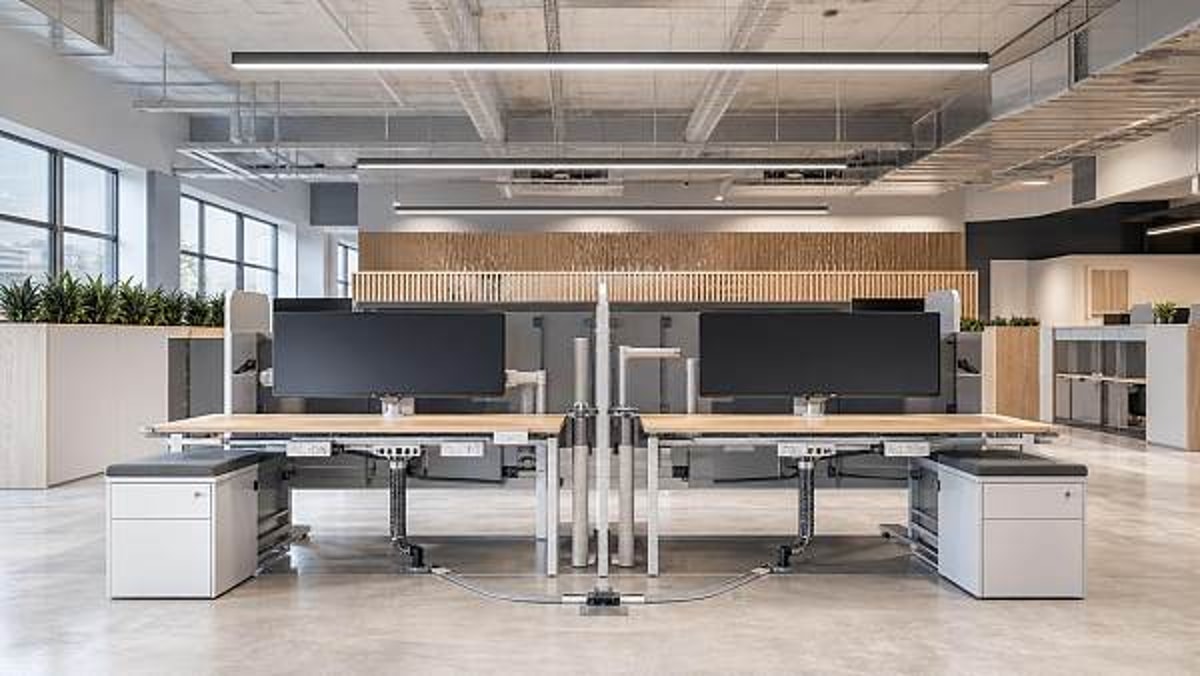
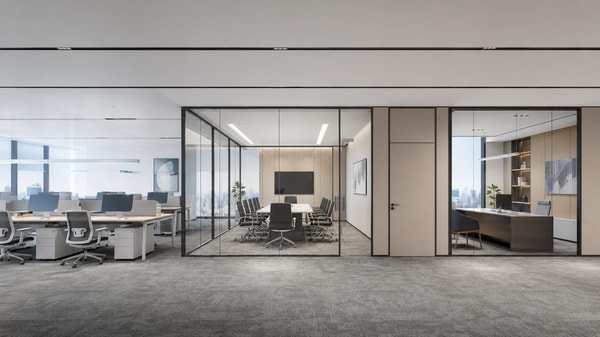
When teams compare modular office workstations with conventional desks or simpler benching systems, the first budget mistake is focusing too heavily on unit price. Modular systems are rarely just furniture. They are an integrated workspace platform that may include panels, cable management, power modules, monitor arms, privacy screens, shared storage, acoustic elements, and adaptable add-ons.
That integrated design creates operational advantages, but it also means more coordination across procurement, installation, IT, electrical, and facilities teams. Each connection point introduces labor, planning time, and potential site constraints. As a result, the difference between quoted product cost and actual delivered setup cost can be significant.
For project managers, the hidden cost issue usually appears in five places: pre-install planning, site readiness, assembly labor, infrastructure integration, and post-install adjustment. If any of these are handled late, the workstation package may still arrive on budget while the overall project runs over cost or behind schedule.
What project managers are really buying: flexibility, not just furniture
The appeal of modular office workstations is their ability to support change. Teams can expand, departments can be reconfigured, privacy levels can be adjusted, and support accessories can be added without replacing the full workstation inventory. In fast-moving organizations, that can reduce future disruption and preserve capital value.
However, flexibility is not free. Buyers are effectively paying an upfront premium for a system designed to absorb future change. That means the business case is strongest in environments where layouts will actually evolve—such as growth-stage companies, hybrid office models, educational administration spaces, project-based work zones, and multi-tenant commercial facilities.
If the office layout is likely to remain static for many years, the benefits of modularity may be overstated. In those cases, a simpler furniture solution may deliver a lower total cost of ownership, especially if the organization does not need frequent churn management or phased expansion capability.
The most common hidden setup costs in modular workstation projects
One of the biggest cost drivers is installation complexity. Modular office workstations often involve more parts, more precise alignment, and more sequence-sensitive assembly than standard office desks. This increases labor hours, especially on large floors or sites with restricted access windows. If installation happens after flooring, ceiling, power, and low-voltage works are complete, any mismatch can slow down multiple trades.
Electrical and data integration is another major factor. Many modular systems are designed around integrated cable routing and under-desk or panel-based power distribution. That creates a cleaner finished space, but it may require floor boxes, ceiling drops, trunking adjustments, or coordination with local compliance requirements. If these infrastructure needs are discovered late, change orders can rise quickly.
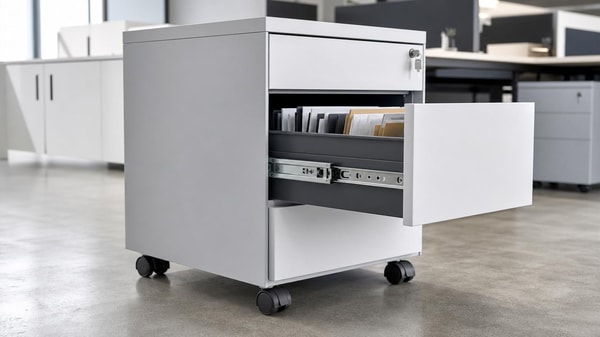
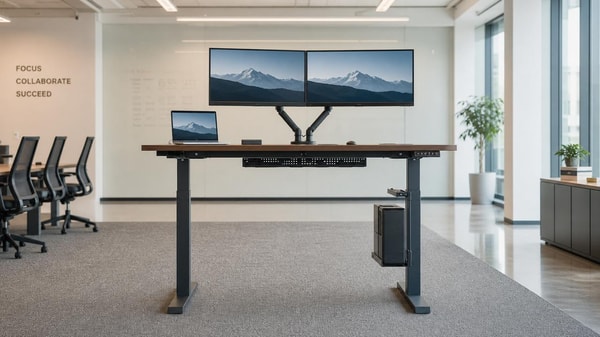
Accessory configuration also affects setup cost more than many buyers expect. Privacy screens, pedestal storage, locker modules, sit-stand frames, task lighting, and collaborative add-ons can turn a base workstation quote into a highly customized package. Customization improves usability, but every added component increases procurement complexity, lead-time risk, and installation time.
Then there is space planning. Modular systems work best when dimensions, circulation, team adjacencies, and storage strategy are resolved before ordering. If furniture selection begins before the organization has finalized how people will actually work in the space, the project may incur expensive redesigns, underused modules, or mismatched workstation densities.
Finally, there are soft costs that do not always appear in the furniture line item: internal stakeholder meetings, mock-up reviews, facilities training, user change management, and post-occupancy adjustments. These may seem minor individually, but in large rollouts they materially affect delivery efficiency.
When the added setup cost is justified
Higher setup cost does not automatically mean poor value. In fact, modular office workstations can be the smarter investment when flexibility solves a recurring operational problem. If an organization routinely reorganizes teams, adds headcount in phases, or repurposes office zones, a modular system can reduce future procurement and reinstallation costs.
This is especially true in project-driven businesses where departments scale up and down, or in hybrid workplaces where focus work, touchdown stations, and collaboration areas need periodic rebalancing. In these settings, modularity can reduce the need for full furniture replacement and help facilities teams reconfigure layouts with less disruption.
The same logic applies to multi-site organizations seeking standardization. A modular platform can simplify specifications across locations while still allowing local adjustments. That can improve procurement consistency, spare parts management, and brand alignment. For enterprise buyers, those operational efficiencies may outweigh a higher initial setup bill.
Another case where modular systems make sense is premium commercial environments where aesthetics, cable control, and user experience matter. A cleaner integrated workstation solution can support workplace branding, acoustic comfort, and better space utilization. For companies using office design to attract talent or host clients, those qualitative benefits can have real strategic value.
When modular office workstations may not be the right choice
Not every office needs a highly configurable workstation system. If the layout is stable, technology needs are simple, and budget pressure is high, modularity can become an unnecessary premium. A project with fixed departmental seating and minimal future change may gain little from paying for features that will rarely be used.
Modular office workstations can also be a weaker fit where building infrastructure is outdated or inconsistent. Older properties may have limited floor box locations, irregular column grids, poor power distribution flexibility, or restrictions on invasive modifications. In such cases, the theoretical adaptability of the workstation system may be offset by real site limitations.
Short project timelines are another caution point. Because modular systems require more coordination and specification discipline, they can be harder to deliver smoothly in compressed programs. If occupancy dates are immovable and design decisions are still evolving, simpler workstation packages may reduce execution risk.
Buyers should also be careful when internal decision-making is fragmented. If HR, IT, facilities, procurement, and business unit leaders all influence configuration but no one owns final standards, modular projects can drift into over-customization. That is where setup costs rise without a matching increase in functional value.
How to evaluate total cost instead of headline price
For project leaders, the best way to assess modular office workstations is through total installed cost and expected lifecycle value. That means looking beyond the product quote and asking suppliers for a more complete cost structure. At minimum, the evaluation should separate product cost, delivery, installation, electrical integration assumptions, accessories, reconfiguration capability, warranty coverage, and after-sales support.
A useful approach is to compare three scenarios: a basic fixed workstation solution, a mid-level modular package, and a fully integrated modular system. This makes trade-offs more visible. The least expensive option may cost more later if reconfiguration is frequent, while the most advanced option may never recover its premium in a stable office environment.
Project managers should also quantify the cost of future churn. How often are teams reorganized? How much does it cost today to move people, reroute cables, and replace mismatched furniture? How much downtime occurs during workplace changes? Once those costs are visible, the value of modularity becomes easier to judge in business terms.
Another important step is identifying what is standard and what is optional. Many workstation proposals look competitive at base level, then expand during design development. A disciplined bill of materials, tied to user types and departmental standards, helps prevent scope creep and protects budget control.
Questions buyers should ask suppliers before approving a workstation package
Supplier evaluation is critical because the success of modular office workstations depends on both product design and execution capability. Buyers should ask how the system handles power and data distribution, what site conditions are assumed, how reconfiguration works after installation, and which components are truly interchangeable across future phases.
It is equally important to ask for installation methodology. How many labor hours are typically required per workstation? What dependencies exist with flooring, electrical rough-in, or ceiling works? Can the supplier support phased occupancy? What level of punch-list adjustment is included? These questions reveal whether a low quote is realistic or incomplete.
Warranty and spare-part support matter as well. A modular system only delivers long-term value if replacement panels, brackets, connectors, and accessories remain available. Buyers should confirm product continuity, lead times for add-on modules, and local service capability. Without that support, the practical benefits of modularity may erode over time.
Mock-ups are often worth the effort on larger projects. A pilot installation can expose access issues, cable congestion, ergonomic concerns, and storage problems before full deployment. For project managers, this is one of the most effective ways to reduce expensive last-minute changes.
Practical planning steps to control setup costs
First, lock the workplace strategy before final furniture specification. Too many workstation projects begin with product selection before seat ratios, user profiles, storage rules, and collaboration patterns are clear. A good planning sequence starts with how teams work, then translates that into workstation standards.
Second, coordinate furniture planning early with MEP and IT stakeholders. Integrated modular office workstations perform best when power, data, and device requirements are resolved in parallel. This avoids a common failure point where a beautiful workstation layout is approved, but infrastructure cannot support it efficiently.
Third, reduce unnecessary variation. Standardize workstation types wherever possible, then allow limited exceptions only where justified by role or workflow. This simplifies procurement, speeds installation, and makes future reconfiguration less costly. Excessive customization is one of the fastest ways to lose the economic advantage of a modular system.
Fourth, build contingency into both budget and program. Even well-run workstation installations may require adjustment after on-site assembly begins. Access constraints, final field dimensions, and user feedback often reveal issues that drawings alone do not capture. A realistic contingency is better than assuming a frictionless rollout.
Fifth, evaluate the rollout in phases when scale is large. A phased approach can reduce disruption, improve quality control, and provide learning that improves later stages. It may also help smooth cash flow and align procurement with evolving occupancy needs.
A decision framework for project managers
If you are deciding whether modular office workstations are worth the added setup cost, start with four questions. How often will this space change? How complex is the technology and infrastructure integration? How expensive is workplace churn today? And how important are aesthetics, standardization, and future expansion?
If the answer to most of those questions points toward frequent change, higher coordination demands, and long-term operational flexibility, modular systems are likely a strong fit. If the answers point toward layout stability, limited infrastructure complexity, and tight upfront capital constraints, a simpler workstation approach may be more efficient.
In other words, modular office workstations are not inherently expensive or economical—they are context-sensitive. Their value depends on whether the project genuinely needs adaptability and whether the organization is prepared to implement the system properly.
Conclusion: flexibility has value, but only when it matches the project reality
For project managers and engineering leads, the real issue is not whether modular office workstations offer flexibility. They do. The more important issue is whether that flexibility produces measurable operational value that outweighs higher setup costs. Hidden expenses usually come from installation labor, infrastructure coordination, accessory scope, and late planning decisions—not from the concept of modularity itself.
The best procurement outcomes come from evaluating total installed cost, aligning workstation choice with actual workplace change patterns, and demanding clear supplier accountability on execution. When selected for the right environment, modular office workstations can improve adaptability, space performance, and long-term cost control. When chosen mainly because they sound future-ready, they can add complexity without enough return.
That is why the smartest buying decision is not to chase flexibility at any price, but to invest in it only where the project reality makes it valuable.
Search News
Hot Articles
Popular Tags
Need ExpertConsultation?
Connect with our specialized leisureengineering team for procurementstrategies.
Recommended News
 May 04, 2026Ergonomic Office Chairs Wholesale: Comfort Claims vs Real SupportErgonomic office chairs wholesale: learn how to verify real support beyond comfort claims with fit, adjustability, durability, and compliance insights for smarter commercial buying.● Institutional Buyer
 May 04, 2026Modular Office Workstations: Flexibility Can Add Setup CostsModular office workstations can improve flexibility, but setup costs often rise through installation, power, data, and rework. Learn when the added investment truly pays off.● Institutional Buyer
 May 04, 2026Steel Filing Cabinets: Why Some Drawers Jam Too EarlySteel filing cabinets often jam early due to weak slides, poor leveling, overload, or lock issues. Discover what to check before buying and how to avoid costly drawer failures.● Institutional Buyer
 May 04, 2026Office Network Racks: Airflow Problems Start With Bad PlanningOffice network racks can fail early when airflow is ignored. Learn the key planning checklist to prevent overheating, reduce maintenance risks, and build a more reliable office network.● Institutional Buyer
 May 04, 2026Office Partitions Wholesale: Open Plan Savings, Closed Office NeedsOffice partitions wholesale helps project managers cut fit-out costs, speed delivery, and balance open-plan efficiency with private office performance. Explore smarter commercial workspace solutions.● Institutional Buyer
 May 04, 2026Conference Room Tables: Common Layout Mistakes to AvoidConference room tables can make or break meeting flow. Discover common layout mistakes to avoid and plan smarter spaces for collaboration, AV integration, and professional results.● Institutional Buyer
 May 04, 2026Mobile Pedestals Wholesale: Why Drawer Slides Matter MoreMobile pedestals wholesale buyers should look beyond price—drawer slides shape durability, load capacity, and maintenance costs. Learn what to compare before ordering.● Institutional Buyer
 May 04, 2026Height Adjustable Standing Desks: Stability Matters More Than SpeedHeight adjustable standing desks should be judged by stability, not just speed. Learn how stronger frames improve safety, user confidence, and long-term value in commercial spaces.● Institutional Buyer
 May 04, 2026Executive Office Desks: When Looks Start to Hurt FunctionExecutive office desks should do more than look impressive. Discover how to balance prestige, ergonomics, storage, and tech support for smarter office buying decisions.● Institutional Buyer
 May 04, 2026Server Cabinets Wholesale: How to Avoid Ordering the Wrong DepthServer cabinets wholesale guide: avoid costly depth mistakes by checking usable internal space, rail fit, cable clearance, and expansion needs before placing bulk orders.● Institutional Buyer
 May 04, 2026Commercial Paper Shredders and the Hidden Cost of DowntimeCommercial paper shredders do more than destroy documents—they protect uptime, compliance, and budgets. Discover how to avoid hidden downtime costs and choose smarter for busy workplaces.● Institutional Buyer
 May 04, 2026Mesh Office Chairs OEM Orders: Specs That Cause ReworkMesh office chairs OEM projects often face rework from vague specs, certification gaps, and component mismatches. Learn what to verify before production to avoid delays and protect budgets.● Institutional Buyer
 May 04, 2026Stackable Visitor Chairs That Save Space Without Looking CheapStackable visitor chairs that save space without looking cheap—discover how to choose stylish, durable seating for offices, schools, and hospitality spaces.● Institutional Buyer
 May 04, 2026What Makes Commercial Acoustic Panels Worth the Cost?Commercial acoustic panels help buyers balance cost with performance, compliance, durability, and design. Learn what makes them worth the investment across offices, schools, hotels, and more.● Institutional Buyer
 May 04, 2026Biometric Time Attendance Systems: Where Accuracy Gains FadeBiometric time attendance systems deliver stronger tracking, but where do accuracy gains fade? Explore real-world limits, privacy risks, and smarter deployment choices.● Institutional Buyer
 May 03, 2026Commercial trash cans: capacity, liners, and lid design all matterCommercial trash cans impact cleanliness, labor, and guest experience. Learn how capacity, liner fit, and lid design help buyers choose smarter, cleaner, cost-effective solutions.● Institutional Buyer
 May 03, 2026Wet and dry vacuum cleaners: when tank size slows teams downWet and dry vacuum cleaners can boost flexibility, but the wrong tank size cuts productivity. Learn how to choose capacity that reduces downtime, labor costs, and workflow friction.● Institutional Buyer
 May 03, 2026Commercial floor scrubbers: ride-on or walk-behind for large sitesCommercial floor scrubbers for large sites: compare ride-on and walk-behind models by productivity, maneuverability, labor efficiency, and cost to choose the best fit.● Institutional Buyer
 May 03, 2026Decorative room dividers that improve layout without blocking lightDecorative room dividers improve layout, define zones, and preserve natural light in modern interiors. Explore stylish, flexible solutions for commercial and hospitality spaces.● Institutional Buyer
 May 03, 2026Why wholesale ironing boards vary so much in frame qualityWholesale ironing boards vary in frame quality due to steel grade, weld strength, stability, coating, and QC. Learn what smart buyers should check before placing bulk orders.● Institutional Buyer
 Apr 30, 2026Contract furniture specs that reduce replacement cyclesContract furniture specs that cut replacement cycles: learn how durability, cleanability, compliance, and serviceable design help buyers lower lifecycle costs and protect brand standards.● Institutional Buyer
 Apr 28, 2026Luxury Furniture Materials That Age Well and Those That Do NotLuxury furniture guide for hotel furniture, custom furniture, hotel beds, hotel chairs, hotel tables, and park benches—learn which materials age well, cut lifecycle costs, and protect premium spaces.● Institutional Buyer
 Apr 28, 2026Custom Furniture Orders Go Wrong When Samples Skip Real TestingCustom furniture mistakes start when samples skip real testing. Learn how hotel furniture, hotel beds, hotel chairs, hotel tables, luxury furniture and park benches avoid costly failures.● Institutional Buyer
 Apr 28, 2026Are Park Benches With Backrests Always the Better Choice?Park benches with backrests are not always best. Explore how custom furniture choices align with luxury furniture, hotel furniture, hotel chairs, hotel tables, and hotel equipment needs.● Institutional Buyer