Custom Furniture Orders Go Wrong When Samples Skip Real Testing
When custom furniture samples look flawless in a showroom or factory, many buyers assume the hard part is done. In reality, that is often where risk begins. If a sample has not gone through real testing for load, finish durability, joinery strength, climate response, repeated use, and compliance, the final order can fail in ways that are expensive and highly visible. For procurement teams sourcing hotel furniture, hotel beds, hotel chairs, hotel tables, luxury furniture, or commercial outdoor seating such as park benches, sample validation is not a formality. It is one of the most important controls in the buying process.
The core judgment is simple: a beautiful sample proves appearance, but only tested samples prove production readiness. For hospitality groups, commercial buyers, distributors, and sourcing evaluators, skipping this step can lead to warranty claims, delayed openings, safety issues, replacement costs, and reputational damage. The smartest buyers do not ask only, “Does the sample look right?” They ask, “Has this sample survived the conditions our project will create?”
Why “approved sample” does not always mean “safe to scale”
In custom furniture procurement, a sample often gets approved based on visual factors: dimensions, color, fabric, stitching, silhouette, material feel, and overall design alignment. Those are necessary checks, but they do not confirm whether the item will perform under daily commercial use.
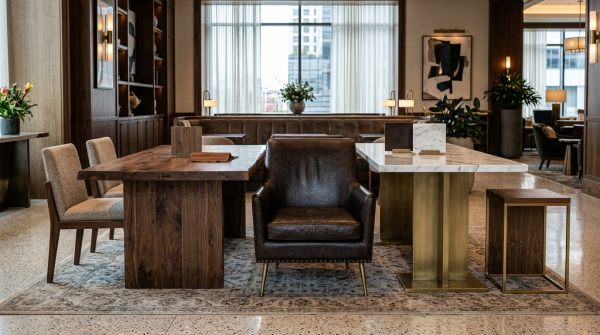
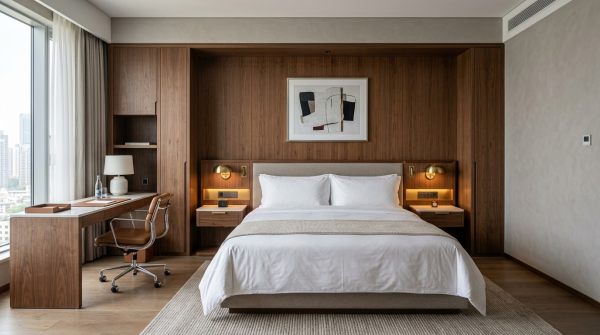
This gap is especially dangerous in sectors such as hotels, serviced apartments, clubs, educational facilities, restaurants, lounges, and themed venues. A chair that feels stable during a five-minute showroom review may loosen after three months of repeated guest use. A bedside table finish may look premium under factory lighting but fail after exposure to cleaning chemicals. A hotel bed frame may appear structurally sound but begin to squeak, warp, or crack once installed in rooms with variable humidity and heavy turnover.
For commercial projects, the sample should answer three separate questions:
- Does it match the design intent?
- Can it withstand real operating conditions?
- Can the factory reproduce this standard consistently at scale?
Many custom furniture orders go wrong because buyers confirm only the first question and assume the other two are covered.
What commercial buyers are really trying to avoid
The search intent behind this topic is not just academic curiosity about testing. Buyers and evaluators are typically trying to reduce risk before placing a large custom order. They want to know how to prevent costly mistakes and how to identify whether a supplier is truly ready for production.
The biggest concerns usually include:
- Post-delivery failure: wobbling chairs, cracked frames, peeling veneer, fabric wear, unstable legs, broken hardware, or noisy bed bases
- Project delays: replacements, rework, re-approval cycles, and installation disruption
- Compliance exposure: fire safety, material safety, structural standards, or local commercial requirements not properly verified
- Inconsistent bulk production: the approved sample is excellent, but mass production quality falls below it
- Brand damage: guests, tenants, or end users notice defects immediately in premium environments
- Budget overrun: freight for replacements, on-site labor, storage, claims handling, and operational downtime
For procurement professionals, the real issue is not whether testing adds cost. It is whether skipping testing creates a much larger total cost later. In most commercial furniture projects, it does.
Which tests matter before approving custom furniture for production
Not every project requires the same protocol, but real testing should reflect actual use conditions. The more public, premium, or high-traffic the environment, the less room there is for guesswork.
For hotel furniture and other commercial interiors, buyers should consider the following testing categories:
1. Structural and load testing
This is essential for hotel chairs, banquet seating, lounge furniture, bed frames, headboards, tables, benches, and casegoods with mounted components. The goal is to confirm that the product can handle expected user weight, repeated pressure, shifting loads, and impact over time.
2. Durability and cycle testing
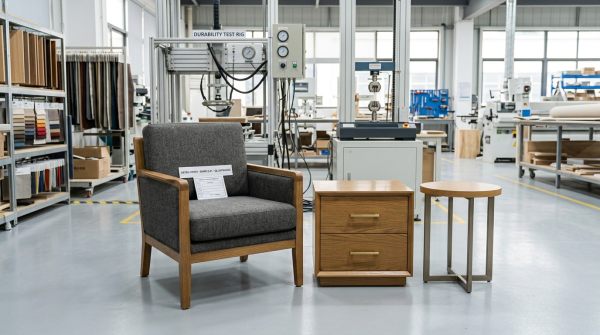
Furniture in hospitality and commercial spaces is used repeatedly, not occasionally. Drawer slides, hinges, recline mechanisms, upholstery seams, and joints should be tested through repeated cycles to simulate real use. A sample that survives one inspection is not the same as a product that survives thousands of operations.
3. Surface and finish resistance testing
Hotel tables, desks, vanities, and bedside units are exposed to spills, heat, moisture, cleaning chemicals, cosmetics, and luggage abrasion. Buyers should evaluate scratch resistance, stain resistance, chemical resistance, edge integrity, and color stability.
4. Fabric, foam, and upholstery testing
For luxury furniture and guestroom seating, abrasion resistance, seam strength, pilling, colorfastness, foam recovery, and cleanability are practical concerns. A premium-looking fabric can still fail quickly in service if not tested for commercial-grade performance.
5. Environmental testing
Changes in humidity and temperature can affect solid wood, veneers, laminates, adhesives, and metal finishes. This matters for international projects, coastal properties, tropical destinations, and furniture that moves through long shipping routes before installation.
6. Safety and compliance checks
Depending on destination market and project type, buyers may need to verify fire retardancy, formaldehyde emission levels, material safety, edge safety, anti-tip features, and other regional compliance points. This is especially critical for hotels, educational spaces, healthcare-adjacent environments, and public venues.
7. Packaging and transit testing
Even well-made furniture can fail if packaging is weak. Corner damage, finish abrasion, moisture penetration, or hardware loss often happen between the factory and the site. Packaging should be tested for export conditions, container loading, handling, and last-mile delivery realities.
Why sample testing matters even more for hotel furniture and luxury commercial projects
In hospitality, furniture is part of the guest experience, not just an operational asset. If a hotel chair feels unstable, a hotel bed squeaks, or a luxury side table shows surface damage during opening month, the issue affects more than maintenance cost. It influences reviews, perceived quality, brand trust, and repeat business.
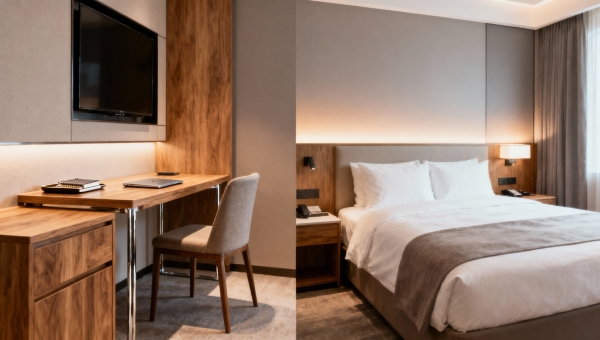
This is why hotel furniture requires a stronger validation process than many buyers initially expect. A five-star property, boutique resort, premium serviced apartment, or high-end restaurant cannot treat samples as decorative approvals alone. Commercial-grade furniture must perform under:
- High user turnover
- Frequent cleaning
- Baggage impact and movement
- Staff handling during housekeeping
- Seasonal climate variation
- Continuous visual scrutiny from guests
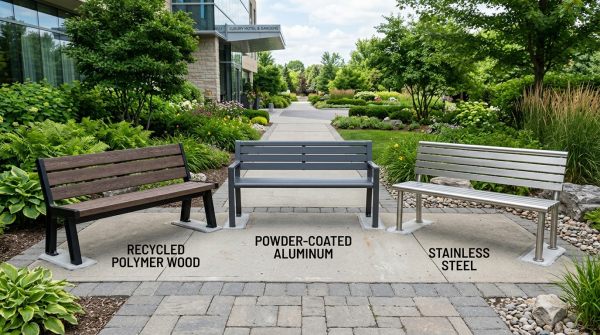
The same principle applies to outdoor or semi-public commercial products such as park benches used in hospitality landscapes, leisure parks, mixed-use developments, or public rest zones. Exposure to moisture, sun, corrosion risk, and repeated occupancy makes real-world testing essential before mass rollout.
How custom furniture orders typically fail when testing is skipped
Most failures do not start with dramatic collapse. They begin with small signs that the approved sample was never properly validated.
Common examples include:
- A hotel chair passes visual approval but develops loose joints after guest use
- A bedside cabinet finish reacts badly to cleaning chemicals used by housekeeping teams
- A custom headboard veneer bubbles after installation in humid climates
- A banquet table edge chips because packaging did not protect corners during shipment
- A luxury sofa cushion loses shape because foam density was selected for comfort, not endurance
- An outdoor bench coating fades or corrodes because weather exposure was not simulated
- A production batch differs from the approved sample because no golden sample control or QC benchmark was established
These failures usually point to one of four root problems:
- The sample was built for presentation, not performance
- Testing standards were unclear or incomplete
- The supplier lacked stable bulk production capability
- Buyer approval focused too heavily on design and too lightly on operational reality
What buyers should ask suppliers before approving a custom sample
To make better sourcing decisions, procurement teams should use the sample stage to gather evidence, not reassurance. A supplier that is truly prepared for commercial business should be able to answer detailed questions clearly.
Useful questions include:
- What performance tests have been completed on this sample or similar products?
- Were the tests internal, third-party, or market-specific?
- Which materials, hardware, adhesives, foams, and finishes are being used in mass production?
- Will the bulk order use the same construction and bill of materials as the approved sample?
- What are the acceptable tolerances for color, dimensions, alignment, and finish?
- How is sample quality translated into production QC standards?
- Can the factory provide cycle test data, load test records, or compliance documents?
- How has the item been packaged and transit-tested for export shipment?
- What known risk points has the supplier identified for this design?
- How are defects handled if the first production lot does not match the approved sample?
These questions help buyers separate factories that understand commercial durability from those that mainly excel at surface presentation.
A practical approval process that reduces risk before bulk production
For sourcing teams, the goal is not endless testing. It is structured validation. A practical approval framework can reduce risk without slowing projects unnecessarily.
A reliable process often looks like this:
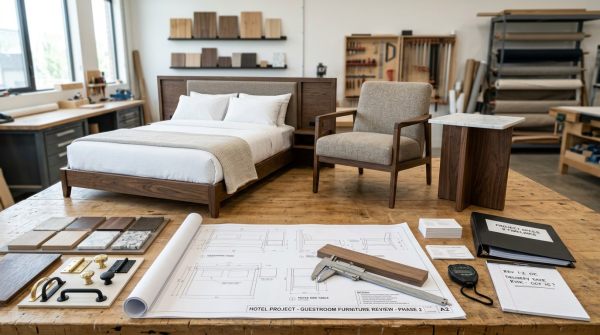
- Design sample review: confirm look, dimensions, materials, ergonomics, and finish intent
- Technical review: verify construction method, hardware specs, material grades, and compliance requirements
- Performance testing: run fit-for-purpose structural, durability, finish, and safety tests
- Use-case simulation: review cleaning exposure, user behavior, environmental conditions, and installation context
- Packaging validation: test carton strength, protection method, labeling, and loading configuration
- Golden sample sign-off: lock the final approved version as the reference for production and inspection
- Pre-production check: ensure the factory can reproduce the same standard using actual production conditions
- In-line and pre-shipment QC: inspect whether output matches approved benchmark and agreed tolerances
This approach is especially useful for large hotel openings, multi-site rollouts, branded commercial fit-outs, distributor programs, and OEM/ODM furniture sourcing where consistency matters as much as design.
How distributors, agents, and commercial evaluators can use testing as a competitive filter
For distributors, sourcing agents, and channel partners, sample testing is not just a quality tool. It is a commercial filter. It helps identify which suppliers are genuinely ready for long-term cooperation.
A supplier that welcomes testing, documents performance, and aligns approval standards with production controls is usually easier to scale with. A supplier that avoids technical questions, offers vague performance claims, or changes material specifications after sample approval is a higher-risk partner.
Testing records also create stronger selling confidence downstream. If a distributor is offering hotel chairs, hotel tables, luxury furniture, or outdoor seating to commercial clients, verified performance evidence supports pricing, shortens objections, and improves trust during negotiations.
In other words, testing protects not only the buyer’s project but also the seller’s market credibility.
Final takeaway: appearance wins approval, testing wins reliability
Custom furniture orders rarely fail because the sample looked bad. They fail because the sample looked good enough to approve without being challenged under real conditions. For commercial buyers, that is the key lesson.
If you are sourcing hotel furniture, hotel beds, hotel chairs, hotel tables, luxury furniture, or park benches for demanding environments, do not treat the sample as a visual milestone alone. Treat it as a decision gate for performance, compliance, manufacturability, and consistency.
The most valuable sample is not the one that impresses fastest. It is the one that reveals problems early, while changes are still affordable. In commercial sourcing, real testing is not delay. It is protection for budget, timeline, brand reputation, and long-term asset value.
Search News
Hot Articles
- Stage Lighting & Truss2026 FIBA Women's World Cup Draw Sparks LED Timing Screen Upgrade DemandApr 28, 2026
- Pro Stage AudioKenyan Marathon WR Break Drives Demand for Timing Chips & Track SensorsApr 28, 2026
- Smart Campus Tech2026 Shanghai Smart Campus Expo: VR Teaching Devices Gain ITU & ISO/IEC 23053 CertificationApr 28, 2026
Popular Tags
Need ExpertConsultation?
Connect with our specialized leisureengineering team for procurementstrategies.
Recommended News
 Apr 28, 2026Luxury Furniture Materials That Age Well and Those That Do NotLuxury furniture guide for hotel furniture, custom furniture, hotel beds, hotel chairs, hotel tables, and park benches—learn which materials age well, cut lifecycle costs, and protect premium spaces.● Institutional Buyer
 Apr 28, 2026Custom Furniture Orders Go Wrong When Samples Skip Real TestingCustom furniture mistakes start when samples skip real testing. Learn how hotel furniture, hotel beds, hotel chairs, hotel tables, luxury furniture and park benches avoid costly failures.● Institutional Buyer
 Apr 28, 2026Are Park Benches With Backrests Always the Better Choice?Park benches with backrests are not always best. Explore how custom furniture choices align with luxury furniture, hotel furniture, hotel chairs, hotel tables, and hotel equipment needs.● Institutional Buyer
 Apr 28, 2026How to Tell if Custom Furniture Is Worth the Extra Lead TimeCustom furniture, hotel furniture, hotel beds, hotel chairs, hotel tables, park benches and luxury furniture—learn when longer lead times deliver better value, durability and ROI.● Institutional Buyer
 Apr 28, 2026Custom Furniture Delays Often Start at the Drawing StageCustom furniture delays often begin in drawings. Learn how hotel furniture, luxury furniture, hotel beds, hotel chairs, hotel tables, and park benches avoid costly sourcing delays.● Institutional Buyer
 Apr 28, 2026When Does Luxury Furniture Feel Premium and When Is It Overpriced?Luxury furniture, hotel furniture, custom furniture, hotel beds, hotel chairs, hotel tables, and park benches: learn when premium quality delivers value vs overpriced design, with smart sourcing tips.● Institutional Buyer
 Apr 28, 2026Luxury Furniture Trends Shaping Premium Interiors in 2026Explore 2026 luxury furniture trends, from custom furniture and hotel furniture to hotel beds, hotel chairs, hotel tables, and park benches—smart sourcing for premium interiors.● Institutional Buyer
 Apr 28, 2026Park Benches: Which Materials Need Less Maintenance Outdoors?Park benches made of aluminum, recycled plastic, and stainless steel need less upkeep outdoors. Ideal for luxury furniture, custom furniture, hotel furniture, and resort projects.● Institutional Buyer
 Apr 28, 2026What Makes Park Benches Hold Up Better in High-Traffic Areas?Park benches built for heavy use need smart materials, strong design, and low upkeep. Discover how they compare with luxury furniture, custom furniture, hotel furniture, and hotel equipment.● Institutional Buyer
 Apr 21, 2026What size hotel desks work in compact guest roomsHotel desks for compact guest rooms: discover the right hotel furniture sizes, layouts, and hospitality procurement tips to maximize space, comfort, and luxury furniture appeal.● Institutional Buyer
 Apr 21, 2026Hotel desks with built in power are now expectedHotel desks with built in power are redefining hotel furniture and hotel room furniture. Explore smarter commercial furniture choices for hospitality procurement and better guest satisfaction.● Institutional Buyer
 Apr 23, 2026Commercial Furniture Buying Mistakes to AvoidCommercial furniture buying mistakes can impact hotel tables, amusement equipment, playground borders, sensory playground safety, and more. Learn how to source smarter and avoid costly errors.● Institutional Buyer
 Apr 23, 2026Commercial Furniture Materials That Hold Up Better OutdoorsCommercial furniture that lasts outdoors: compare hotel tables, amusement equipment, playground borders, sensory playground seating, and playground safety-focused materials.● Institutional Buyer
 Apr 23, 2026Custom Furniture or Stock Which WinsCompare custom furniture vs stock for hotels and leisure park projects. From hotel beds, catering equipment, and soundproofing materials to playground swings and theme park rides, find the best-fit solution.● Institutional Buyer
 Apr 20, 2026Commercial furniture upholstery stains that won’t lift—even with pro cleanersCommercial furniture stains won’t lift? Discover stain-resistant solutions for hotel beds, park benches, luxury furniture & more—backed by lab data & real-world performance.● Institutional Buyer
 Apr 19, 2026Commercial furniture fire ratings that change mid-projectCommercial furniture fire ratings—especially for hotel beds, park benches, hotel chairs, and luxury custom furniture—can shift mid-project. Avoid delays, cost overruns, and non-compliance with real-time, E-E-A-T–validated fire safety intelligence.● Institutional Buyer
 Apr 17, 2026Why commercial furniture specs matter more than price in 2026Commercial furniture, playground borders, sensory playgrounds & more—why specs trump price in 2026 for safety, ROI & brand trust. Discover how.● Institutional Buyer
 Apr 17, 2026Office furniture & equip: How ‘modular’ claims fall apart after three reconfigurationscommercial furniture, playground safety & sensory playground systems—why 'modular' fails after 3 reconfigurations. Get data-backed validation for amusement equipment, hotel tables & educational supplies.● Institutional Buyer
 Apr 14, 2026Fuzhou Hospital's Office Supply Tender Fails Due to Lack of BiddersFuzhou Hospital's office supply tender failed due to lack of qualified bidders, exposing gaps in regional suppliers' compliance and procurement experience. Learn key considerations for international buyers evaluating Chinese vendors.● Institutional Buyer
 Apr 14, 2026Chongqing Launches Office Supplies Procurement with 2-Hour Delivery FocusChongqing's office supplies procurement (KZQ26A00105) sets new standards with 2-hour delivery focus and 60% SME quota. Discover how this 886,700 RMB tender impacts logistics and supply chains in China's evolving B2B market.● Institutional Buyer
 Apr 16, 2026Custom fabrication for office furniture: Why CAD files alone don’t guarantee fit-on-siteCustom fabrication for hotel furniture, designer eyewear & luxury watches demands real-world fit—not just CAD files. Discover why OEM manufacturing, supply chain solutions & precision matter on-site.● Institutional Buyer
 Apr 16, 2026Luxury furniture finishes that resist UV fading outdoorsDiscover UV-resistant luxury furniture finishes for park benches, music stands & outdoor playgrounds—engineered for colorfastness, compliance, and premium aesthetics under harsh sun.● Institutional Buyer
 Apr 15, 2026Luxury furniture materials that age well — and those that don’tDiscover luxury furniture materials that age gracefully—ideal for park benches, music stands, orchestral instruments & more. Avoid costly failures.● Institutional Buyer
 Apr 15, 2026Why commercial furniture specs matter more than price in 2026Commercial furniture specs—playground borders, sensory playgrounds, music accessories & more—drive safety, durability & experience in 2026. Stop choosing by price alone.● Institutional Buyer