How to Tell if Custom Furniture Is Worth the Extra Lead Time
Custom furniture can elevate commercial spaces, but is the extra lead time justified? For buyers comparing hotel furniture, hotel beds, hotel chairs, hotel tables, park benches, and even luxury furniture for premium projects, the answer depends on design value, operational needs, and sourcing risk. This guide helps procurement teams assess when custom furniture delivers stronger long-term returns than standard hotel equipment or related commercial solutions.
In commercial procurement, lead time is not just a calendar issue. A delay of 4 to 12 weeks can affect opening schedules, cash flow planning, installation sequencing, and even revenue launch targets. That is why buyers, specifiers, and distributors need a practical framework to decide when custom furniture creates measurable value and when standard products are the smarter choice.
For hotels, serviced apartments, campuses, lounges, retail flagships, and public leisure projects, the decision usually comes down to five factors: design differentiation, fit-for-purpose performance, lifecycle cost, supplier capability, and project timing. Custom furniture is worth the wait only when those factors align with the business case.
When Custom Furniture Creates Real Commercial Value
Custom furniture is most valuable when the space itself is part of the brand experience. In premium hospitality, high-end office reception areas, and luxury retail environments, furniture is not only functional equipment. It shapes perception, influences guest comfort, and supports spatial identity. If a project needs a unique visual language across 20, 50, or 200 rooms or seating zones, custom design can justify additional production time.
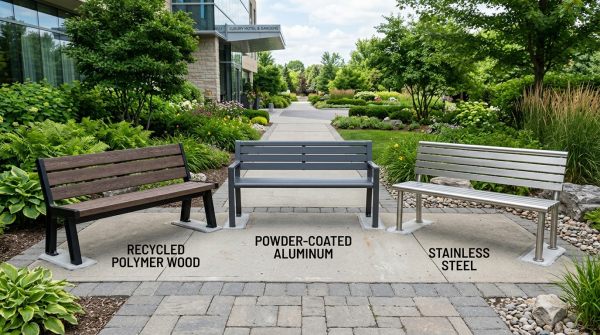
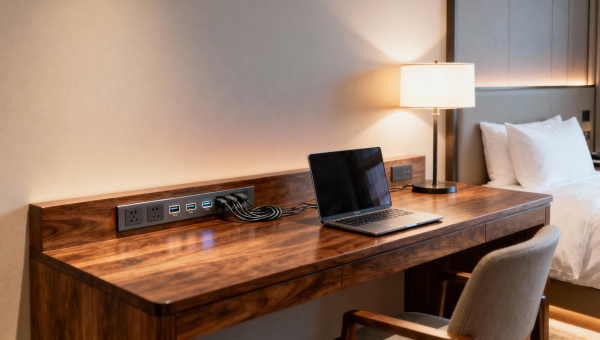
The strongest case usually appears when standard dimensions do not work. For example, a hotel bed base may need a non-standard footprint to fit compact guestroom layouts, or hotel tables may require integrated power access and specific edge radiuses for safety and cleaning efficiency. In outdoor leisure projects, park benches may need custom anchoring details, UV-resistant finishes, or moisture-tolerant materials to match local climate conditions.
A custom program also makes sense when repeatability matters. If procurement teams are furnishing 80 guest rooms, 12 VIP suites, and 6 public zones, standard catalog products may create inconsistent detailing. A custom package allows finish matching, unified hardware selection, and coordinated specifications across hotel chairs, headboards, casegoods, and lounge furniture.
Typical situations where custom lead time pays off
- Branded hospitality projects that require a signature look across 3 to 6 furniture categories.
- Renovation projects with space constraints, where standard sizes reduce circulation or seating capacity.
- Premium commercial interiors where material selection, grain direction, metal finish, or upholstery quality directly affects perceived value.
- Public-use projects that need higher durability thresholds, such as 120–180 kg seating load expectations or heavy-cleaning tolerance.
The table below shows when extra lead time tends to produce stronger returns than buying off-the-shelf products. It is especially relevant for procurement managers balancing operational deadlines with design-driven commercial goals.
The key takeaway is simple: custom furniture earns its longer lead time when it solves a real commercial problem. If it improves usable space, strengthens brand value, or lowers replacement risk over a 5- to 10-year lifecycle, waiting longer may be financially sound rather than operationally inconvenient.
How to Evaluate the True Cost of Waiting
Many buyers compare only unit price and delivery date. That approach misses the real equation. The right comparison is total project cost versus total project value. A hotel chair delivered in 2 weeks may seem efficient, but if it needs replacement in 24 months instead of lasting 5 to 7 years, the faster choice may carry a higher long-term cost.
Lead time should be assessed against three categories of impact: schedule cost, operational performance, and lifecycle economics. Schedule cost includes delayed room turnover, missed opening dates, and temporary furniture solutions. Operational performance covers comfort, fit, cleanability, and service life. Lifecycle economics includes maintenance frequency, repair complexity, and replacement cycles.
For commercial buyers, a practical threshold is whether the custom solution reduces waste, boosts usability, or extends asset life enough to offset a lead-time premium. If a custom bedside unit improves room function and lowers damage rates by better fitting housekeeping movement paths, the procurement case becomes stronger even if production takes 6 to 10 weeks instead of 2 to 4.
A useful 4-point decision model
- Measure the business value of customization: revenue impact, brand alignment, occupancy experience, or premium pricing support.
- Calculate schedule exposure: how many days of project delay can the opening plan absorb before costs rise materially.
- Estimate lifecycle savings: repairs, refinishing, replacement rates, and labor related to maintenance.
- Test supplier reliability: sampling speed, drawing accuracy, QC discipline, and shipping consistency.
The comparison table below helps procurement teams distinguish between visible cost and hidden cost when reviewing custom furniture proposals for hotel equipment or public-use interiors.
This does not mean custom is always better. If the furniture is for a short-term rollout, a budget-sensitive chain refresh, or a project with less than 30 days of schedule flexibility, standard products may be the more rational route. The right answer depends on the cost of waiting versus the cost of compromise.
What Procurement Teams Should Check Before Approving a Custom Order
A long lead time becomes dangerous when it hides weak supplier processes. Before approving custom furniture, procurement teams should verify whether the manufacturer has a repeatable method for drawings, material control, prototyping, production planning, and export packaging. One missed detail in the sample stage can create delays across 100 pieces or more.
The first checkpoint is technical clarity. Buyers should request dimensioned drawings, material specifications, finish references, upholstery codes, and tolerance expectations. For commercial furniture, tolerance expectations often need to stay within practical factory ranges, such as around ±2 mm to ±5 mm depending on the material and assembly type. Without this clarity, disputes often appear only after goods arrive on site.
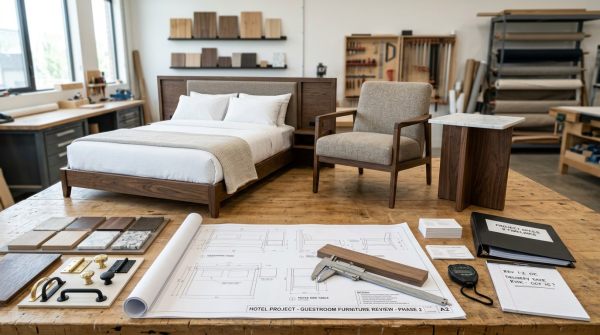
The second checkpoint is prototype discipline. For medium to high-value projects, one full sample or at least one critical mock-up is usually worth the time. A sample review can confirm seat comfort, edge treatment, stain tone, veneer matching, hardware function, and carton protection. Spending 7 to 14 extra days on sample validation can prevent a 6-week remake later.
Critical supplier review points
Design and engineering readiness
- Can the supplier convert concept sketches into production drawings within 3 to 7 working days?
- Are material substitutions documented and approved before production starts?
- Is there a clear bill of materials for wood species, metal gauge, foam density, and fabric composition?
Production and quality control
- Is in-process inspection done at key stages such as frame assembly, finishing, upholstery, and packing?
- Can the factory handle your order size without pushing it behind larger production runs?
- Does packaging protect corners, finished surfaces, and hardware kits for long-distance shipping?
Buyers of hotel beds, hotel tables, and custom lounge seating should also confirm after-sales practicality. Ask whether replacement parts, matching finishes, or replenishment quantities can be supplied 12 to 24 months later. This matters for phased installations and future room additions. A custom piece that cannot be replicated later creates long-term procurement friction.
For distributors and sourcing agents, supplier communication speed is another filter. If a manufacturer takes 5 days to answer a technical query during quotation, that lag often grows during production. Reliable custom furniture programs depend on predictable communication, not only attractive samples.
Lead Time Benchmarks and Risk Control in Furniture Projects
Not all custom lead times are equal. A simple size modification on an existing hotel chair may add only 2 to 3 weeks, while a fully bespoke suite package with multiple finishes, stone inserts, and metal detailing may require 10 to 16 weeks. Procurement teams should separate design lead time from production lead time and shipping lead time, because each stage has different risks.
In practice, custom furniture projects move through 5 major stages: brief confirmation, technical drawings, sample approval, mass production, and logistics preparation. Delays usually come from revision loops, material sourcing changes, and unclear sign-off authority. A well-managed project can often save 10% to 20% of calendar time simply by reducing approval bottlenecks.
The table below outlines common lead time ranges and the risk controls buyers should build into each stage. These are typical commercial ranges rather than fixed rules, and exact timing depends on quantity, finish complexity, and shipment route.
The most effective way to control lead-time risk is to lock decisions early. Avoid changing veneer tone, upholstery type, or handle selection after production begins. Even small revisions can affect procurement of raw materials, especially if fabrics or metal components have separate supplier lead times of 2 to 5 weeks.
Practical risk-reduction steps
- Approve one master sample and use it as the reference for production and final inspection.
- Set milestone dates for drawings, samples, deposit, production start, inspection, and shipping release.
- Build a buffer of at least 7 to 14 days for international logistics or site-access uncertainty.
- Separate critical-path items such as hotel beds and reception counters from lower-priority decorative pieces.
For sourcing platforms and project advisors like GCT, the value lies in helping buyers compare supplier capability, not just quoted price. In commercial furniture, the best supplier is often the one that can make timing predictable while still protecting design intent and quality standards.
Custom vs Standard: Which Choice Fits Your Project Type?
The final decision should match the project category. A five-star hotel, a business hotel, a campus lounge, and a municipal park do not need the same furniture strategy. Custom furniture works best where user experience, layout precision, or visual identity has direct commercial value. Standard furniture works best where speed, budget control, and easy replenishment are the top priorities.
For example, luxury furniture in presidential suites or branded retail salons often justifies longer development cycles because each piece contributes to the premium environment. In contrast, back-of-house seating, staff areas, or temporary project phases may perform perfectly well with standard catalog options that can be delivered in 7 to 21 days.
Dealers, distributors, and commercial buyers should also think in mixed strategies rather than all-or-nothing decisions. Many successful projects customize only the high-visibility or dimension-sensitive items, while standardizing side chairs, utility tables, or secondary storage pieces. This hybrid approach can reduce lead-time pressure while preserving design distinction where it matters most.
Best-fit guidance by application
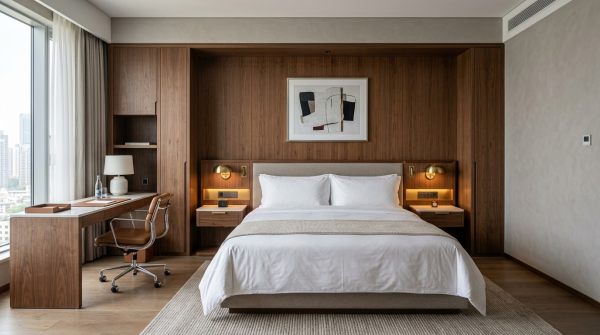
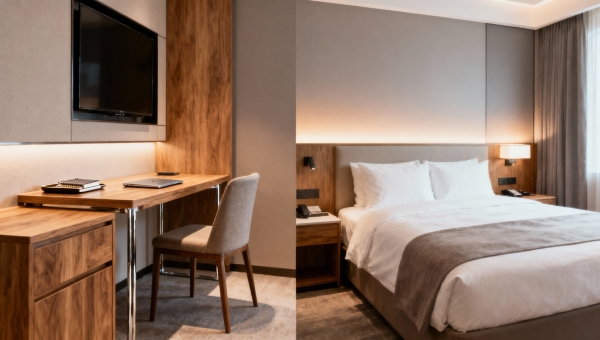
- Guest rooms: Custom is often worthwhile for headboards, bedside units, desks, and integrated luggage benches where room layout efficiency matters.
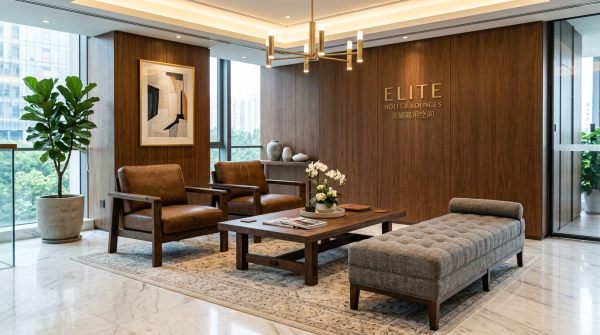
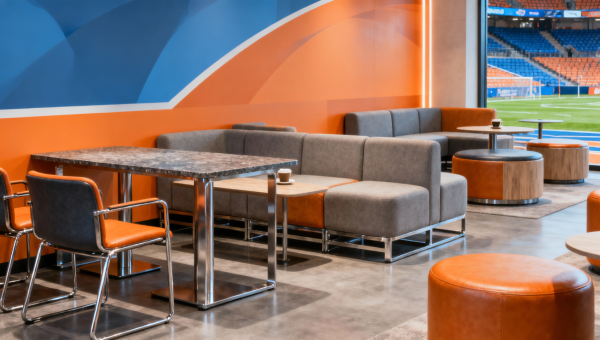
- Public lounge areas: Custom helps where brand expression, seating comfort, and upholstery durability affect guest impression.
- Outdoor spaces: Park benches and exterior seating may require custom materials or fixings when weather, vandal resistance, or site conditions are specific.
- High-volume functional zones: Standard products are often sufficient when replacement speed and budget discipline matter more than unique detailing.
FAQ: How long is too long for custom furniture?
If the supplier cannot provide a clear stage-by-stage schedule, or if the total timeline exceeds your opening buffer by more than 15% without a strong commercial reason, the lead time may be too long. Extended timing is acceptable only when it brings measurable gains in fit, durability, or brand value.
FAQ: Is custom furniture only for luxury projects?
No. Even mid-scale hotels and institutional projects use custom furniture when standard sizes fail, when storage needs are unique, or when durability requirements are higher than catalog-grade products can support. The decision is about functional and financial fit, not only prestige.
FAQ: What should buyers ask before placing an order?
Ask for drawings, sample timing, material specifications, packing details, QC checkpoints, and replenishment policy. Also confirm who approves finish samples and how many revision rounds are included. These questions reduce disputes and give procurement teams a clearer view of lead-time reliability.
When custom furniture is aligned with project goals, it can outperform standard options in visual impact, operational fit, and lifecycle value. The extra lead time is worth it when the product solves a specific commercial need, supports long-term use, and comes from a supplier with disciplined engineering and production processes.
For procurement teams, business evaluators, and channel partners, the smartest approach is structured comparison rather than assumption. Review the design benefit, schedule exposure, technical readiness, and total ownership cost before deciding. If you are sourcing hotel furniture, hotel beds, hotel chairs, hotel tables, park benches, or premium custom pieces for commercial interiors, GCT can help you assess suitable supply options and project-fit sourcing strategies. Contact us today to discuss your specifications, request a tailored sourcing plan, or explore more commercial furniture solutions.
Search News
Hot Articles
- Stage Lighting & Truss2026 FIBA Women's World Cup Draw Sparks LED Timing Screen Upgrade DemandApr 28, 2026
- Pro Stage AudioKenyan Marathon WR Break Drives Demand for Timing Chips & Track SensorsApr 28, 2026
- Smart Campus Tech2026 Shanghai Smart Campus Expo: VR Teaching Devices Gain ITU & ISO/IEC 23053 CertificationApr 28, 2026
Popular Tags
Need ExpertConsultation?
Connect with our specialized leisureengineering team for procurementstrategies.
Recommended News
 Apr 28, 2026How to Tell if Custom Furniture Is Worth the Extra Lead TimeCustom furniture, hotel furniture, hotel beds, hotel chairs, hotel tables, park benches and luxury furniture—learn when longer lead times deliver better value, durability and ROI.● Institutional Buyer
 Apr 28, 2026Custom Furniture Delays Often Start at the Drawing StageCustom furniture delays often begin in drawings. Learn how hotel furniture, luxury furniture, hotel beds, hotel chairs, hotel tables, and park benches avoid costly sourcing delays.● Institutional Buyer
 Apr 28, 2026When Does Luxury Furniture Feel Premium and When Is It Overpriced?Luxury furniture, hotel furniture, custom furniture, hotel beds, hotel chairs, hotel tables, and park benches: learn when premium quality delivers value vs overpriced design, with smart sourcing tips.● Institutional Buyer
 Apr 28, 2026Luxury Furniture Trends Shaping Premium Interiors in 2026Explore 2026 luxury furniture trends, from custom furniture and hotel furniture to hotel beds, hotel chairs, hotel tables, and park benches—smart sourcing for premium interiors.● Institutional Buyer
 Apr 28, 2026Park Benches: Which Materials Need Less Maintenance Outdoors?Park benches made of aluminum, recycled plastic, and stainless steel need less upkeep outdoors. Ideal for luxury furniture, custom furniture, hotel furniture, and resort projects.● Institutional Buyer
 Apr 28, 2026What Makes Park Benches Hold Up Better in High-Traffic Areas?Park benches built for heavy use need smart materials, strong design, and low upkeep. Discover how they compare with luxury furniture, custom furniture, hotel furniture, and hotel equipment.● Institutional Buyer
 Apr 21, 2026What size hotel desks work in compact guest roomsHotel desks for compact guest rooms: discover the right hotel furniture sizes, layouts, and hospitality procurement tips to maximize space, comfort, and luxury furniture appeal.● Institutional Buyer
 Apr 21, 2026Hotel desks with built in power are now expectedHotel desks with built in power are redefining hotel furniture and hotel room furniture. Explore smarter commercial furniture choices for hospitality procurement and better guest satisfaction.● Institutional Buyer
 Apr 23, 2026Commercial Furniture Buying Mistakes to AvoidCommercial furniture buying mistakes can impact hotel tables, amusement equipment, playground borders, sensory playground safety, and more. Learn how to source smarter and avoid costly errors.● Institutional Buyer
 Apr 23, 2026Commercial Furniture Materials That Hold Up Better OutdoorsCommercial furniture that lasts outdoors: compare hotel tables, amusement equipment, playground borders, sensory playground seating, and playground safety-focused materials.● Institutional Buyer
 Apr 23, 2026Custom Furniture or Stock Which WinsCompare custom furniture vs stock for hotels and leisure park projects. From hotel beds, catering equipment, and soundproofing materials to playground swings and theme park rides, find the best-fit solution.● Institutional Buyer
 Apr 20, 2026Commercial furniture upholstery stains that won’t lift—even with pro cleanersCommercial furniture stains won’t lift? Discover stain-resistant solutions for hotel beds, park benches, luxury furniture & more—backed by lab data & real-world performance.● Institutional Buyer
 Apr 19, 2026Commercial furniture fire ratings that change mid-projectCommercial furniture fire ratings—especially for hotel beds, park benches, hotel chairs, and luxury custom furniture—can shift mid-project. Avoid delays, cost overruns, and non-compliance with real-time, E-E-A-T–validated fire safety intelligence.● Institutional Buyer
 Apr 17, 2026Why commercial furniture specs matter more than price in 2026Commercial furniture, playground borders, sensory playgrounds & more—why specs trump price in 2026 for safety, ROI & brand trust. Discover how.● Institutional Buyer
 Apr 17, 2026Office furniture & equip: How ‘modular’ claims fall apart after three reconfigurationscommercial furniture, playground safety & sensory playground systems—why 'modular' fails after 3 reconfigurations. Get data-backed validation for amusement equipment, hotel tables & educational supplies.● Institutional Buyer
 Apr 14, 2026Fuzhou Hospital's Office Supply Tender Fails Due to Lack of BiddersFuzhou Hospital's office supply tender failed due to lack of qualified bidders, exposing gaps in regional suppliers' compliance and procurement experience. Learn key considerations for international buyers evaluating Chinese vendors.● Institutional Buyer
 Apr 14, 2026Chongqing Launches Office Supplies Procurement with 2-Hour Delivery FocusChongqing's office supplies procurement (KZQ26A00105) sets new standards with 2-hour delivery focus and 60% SME quota. Discover how this 886,700 RMB tender impacts logistics and supply chains in China's evolving B2B market.● Institutional Buyer
 Apr 16, 2026Custom fabrication for office furniture: Why CAD files alone don’t guarantee fit-on-siteCustom fabrication for hotel furniture, designer eyewear & luxury watches demands real-world fit—not just CAD files. Discover why OEM manufacturing, supply chain solutions & precision matter on-site.● Institutional Buyer
 Apr 16, 2026Luxury furniture finishes that resist UV fading outdoorsDiscover UV-resistant luxury furniture finishes for park benches, music stands & outdoor playgrounds—engineered for colorfastness, compliance, and premium aesthetics under harsh sun.● Institutional Buyer
 Apr 15, 2026Luxury furniture materials that age well — and those that don’tDiscover luxury furniture materials that age gracefully—ideal for park benches, music stands, orchestral instruments & more. Avoid costly failures.● Institutional Buyer
 Apr 15, 2026Why commercial furniture specs matter more than price in 2026Commercial furniture specs—playground borders, sensory playgrounds, music accessories & more—drive safety, durability & experience in 2026. Stop choosing by price alone.● Institutional Buyer
") Apr 13, 2026Why contract furniture quotes vary by 40%—and what’s really included (or missing)Discover why hotel desks, commercial playgrounds & trampoline park manufacturer quotes vary by 40%—and what’s truly included in hospitality furniture, outdoor play structures, microphone systems & more.● Institutional Buyer
Apr 13, 2026Why contract furniture quotes vary by 40%—and what’s really included (or missing)Discover why hotel desks, commercial playgrounds & trampoline park manufacturer quotes vary by 40%—and what’s truly included in hospitality furniture, outdoor play structures, microphone systems & more.● Institutional Buyer Apr 13, 2026Contract furniture lead times in 2026: why ‘standard’ delivery now means 14+ weeksHotel desks, hospitality furniture & commercial playgrounds now face 14+ week lead times in 2026. Discover why—and how to mitigate delays for outdoor play structures, trampoline park manufacturing, stage equipment & more.● Institutional Buyer
 Apr 14, 2026Office furniture & equip that supports hybrid work—but fails silently in summer heatOffice supplies, arcade games & percussion instruments—engineered for hybrid work AND summer heat. Discover heat-resilient office furniture that won’t fail silently.● Institutional Buyer