2026 Shanghai Smart Campus Expo: VR Teaching Devices Gain ITU & ISO/IEC 23053 Certification
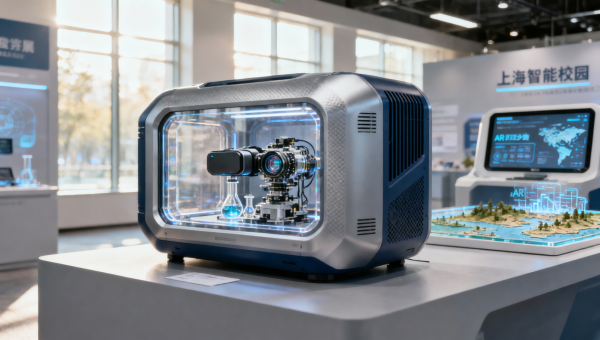
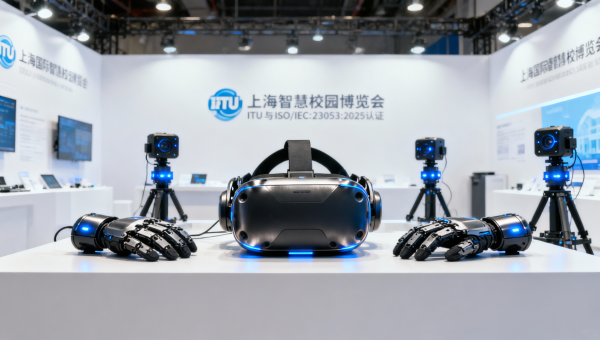
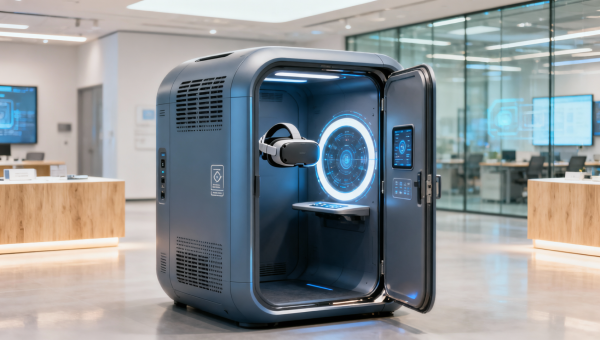
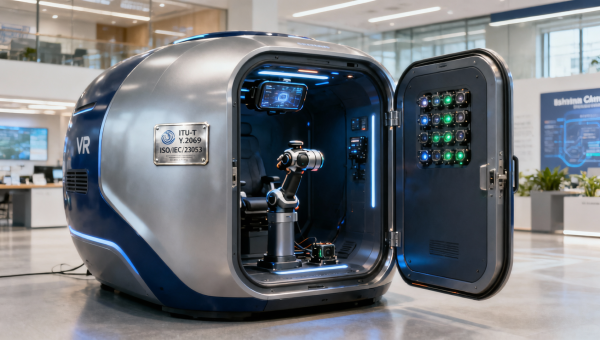
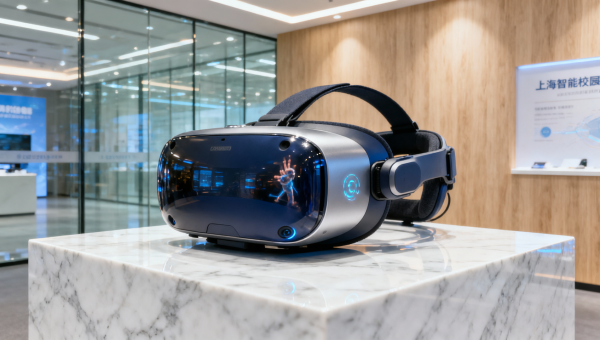
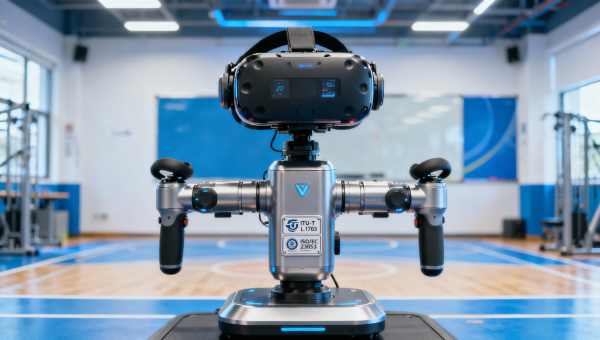
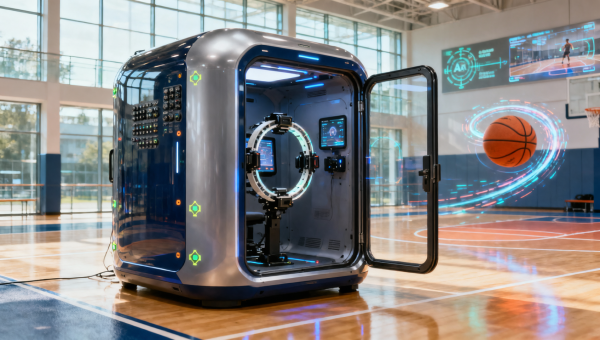
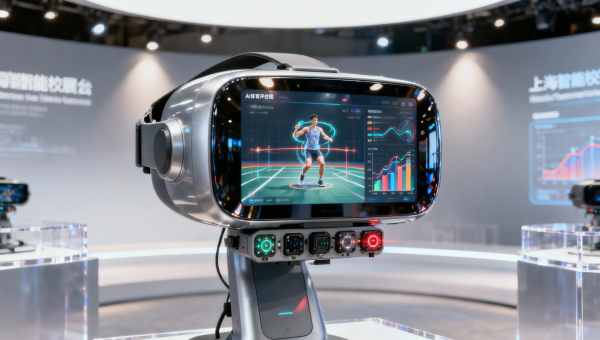
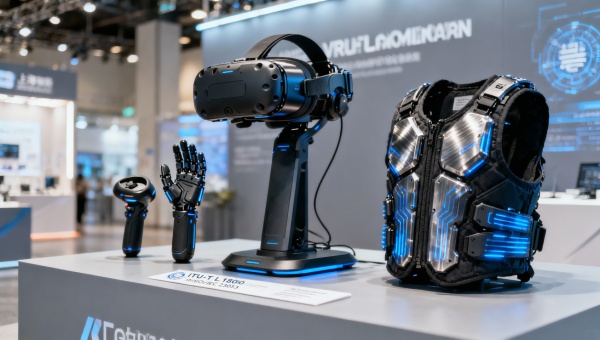
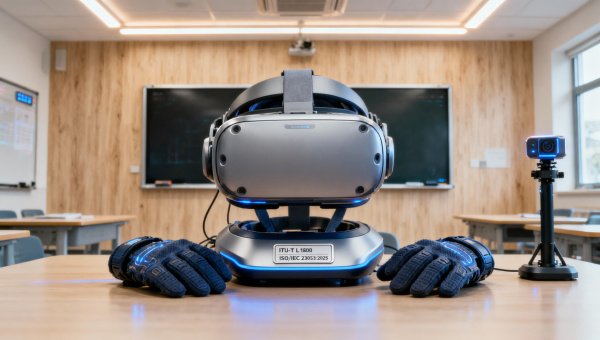
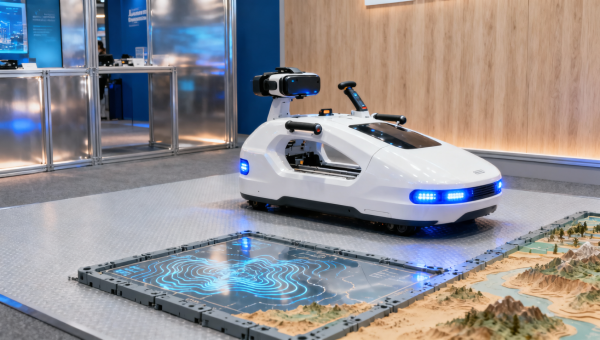
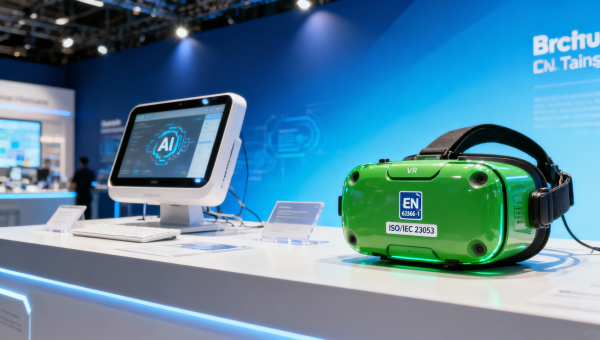
On April 26, 2026, the Shanghai International Smart Campus Exhibition concluded with a notable development: Chinese-made VR-based haptic teaching equipment—including physics experiment simulation cabins and sports motion-capture teaching tools—became the first batch of domestically produced educational XR hardware to achieve dual international certification under ITU-T Y.2069 (IoT Security for Education) and ISO/IEC 23053 (Interoperability of XR Educational Systems). This milestone signals growing alignment between China’s edtech manufacturing standards and global regulatory expectations—particularly for export-oriented vendors, education technology integrators, and interoperability-focused platform developers.
Event Overview
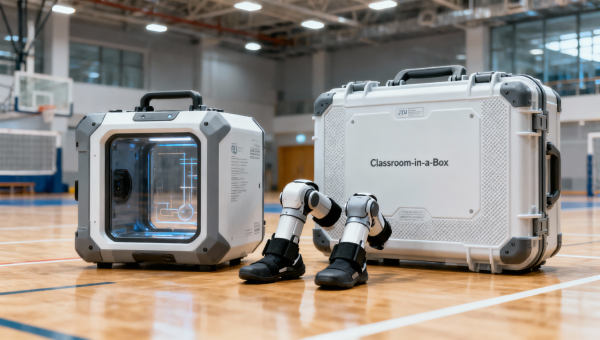
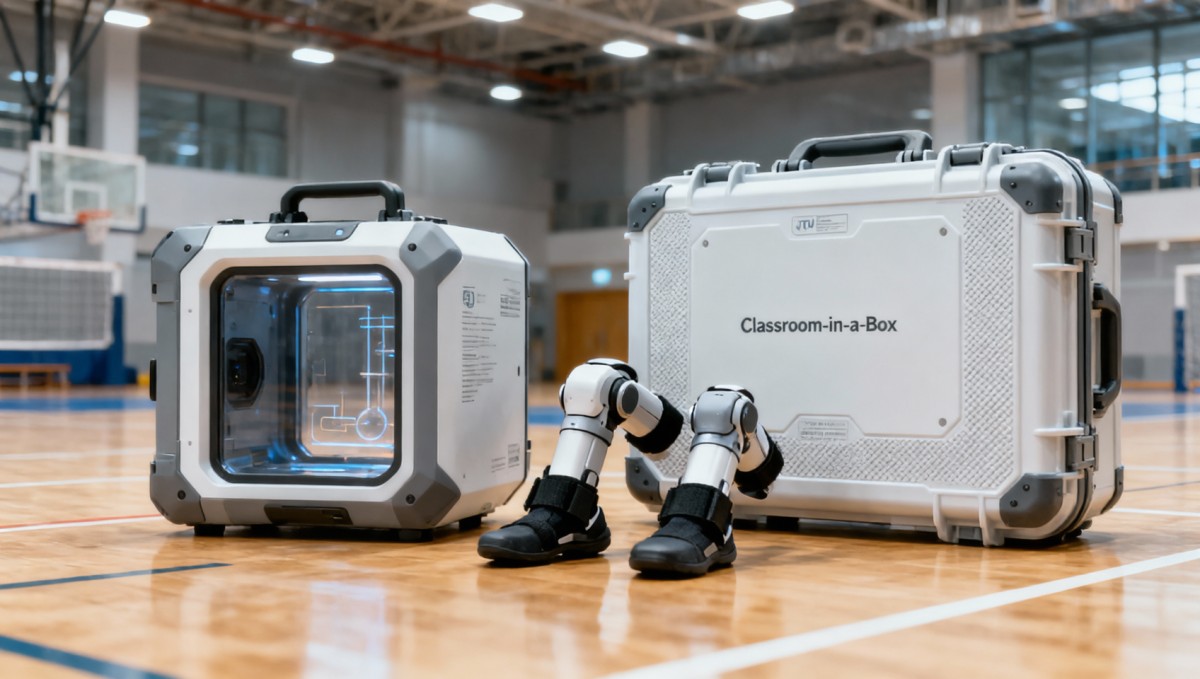
The 2026 Shanghai International Smart Campus Exhibition closed on April 26, 2026. Publicly confirmed information indicates that certain Chinese VR body-sensing teaching devices have received formal certification against both ITU-T Y.2069 and ISO/IEC 23053. The certified products include physics lab simulation cabins and physical education motion-capture teaching aids. The European Union’s education system integrators have initiated internal cataloging procedures for these certified products, with initial procurement interest focused on the ‘Classroom-in-a-Box’ integrated delivery solution.
Industries Affected
Export-Oriented Edtech Hardware Manufacturers
These manufacturers are directly affected because dual certification serves as a de facto technical gateway for EU public-sector tenders and cross-border B2G deployments. Impact manifests in three ways: eligibility for inclusion in EU integrator product catalogs; reduced pre-deployment compliance verification time; and potential differentiation from non-certified competitors in emerging markets adopting similar standards.
Education System Integrators (EU & APAC)
Integrators face revised procurement criteria: certified devices now qualify for faster technical validation and may be prioritized in framework agreements requiring interoperability assurance. The impact lies primarily in sourcing workflow—certified hardware reduces integration risk and shortens deployment cycles for standardized classroom solutions like ‘Classroom-in-a-Box’.
XR Platform & LMS Developers
Developers of learning management systems and XR content platforms are indirectly affected. ISO/IEC 23053 certification implies conformance to defined data exchange protocols and device abstraction layers. This increases pressure to align APIs and metadata schemas with certified hardware interfaces—especially where joint deployments are anticipated.
What Enterprises and Practitioners Should Monitor and Do Now
Track official updates from ITU and ISO/IEC JTC 1/SC 36
Neither ITU-T Y.2069 nor ISO/IEC 23053 are yet widely adopted in national regulations. Current certification status reflects voluntary conformance testing—not mandatory compliance. Stakeholders should monitor whether either standard is referenced in upcoming EU Digital Education Action Plan revisions or national smart campus procurement guidelines.
Assess exposure to ‘Classroom-in-a-Box’-aligned procurement pipelines
The stated procurement interest centers on an integrated delivery model—not standalone devices. Companies involved in hardware assembly, software bundling, or logistics packaging should review whether their current offerings meet the functional scope implied by this term (e.g., pre-configured connectivity, unified admin dashboard, bundled curriculum-aligned content).
Distinguish between certification issuance and market access timelines
Certification does not equal immediate contract award. EU integrators’ cataloging process is internal and non-binding. Enterprises should avoid treating certification as a sales trigger; instead, treat it as a prerequisite enabling participation in downstream bidding—where lead times often exceed six months.
Review supply chain documentation for traceability requirements
Both ITU-T Y.2069 and ISO/IEC 23053 require documented evidence of secure firmware update mechanisms, data handling policies, and interface version control. Suppliers should verify whether existing quality records and technical files meet evidentiary thresholds for third-party audit—especially for components sourced externally.
Editorial Perspective / Industry Observation
Observably, this certification event functions less as a commercial inflection point and more as a procedural signal: it confirms that Chinese edtech hardware is entering formal interoperability and security assessment pathways used by multilateral institutions. Analysis shows that dual certification remains rare globally—not because technical capability is lacking elsewhere, but because few vendors pursue parallel conformity assessments across telecom (ITU) and computing (ISO/IEC) standardization bodies. From an industry perspective, its significance lies in precedent-setting, not scale: it demonstrates feasibility of alignment, not yet adoption velocity. Continued attention is warranted—not for immediate revenue impact, but to gauge whether such certifications begin appearing in tender specifications or national digital education infrastructure frameworks within the next 12–18 months.
In summary, the dual certification marks a formal step toward technical harmonization—not a market shift. It reflects evolving evaluation criteria for educational XR systems, particularly where security, data integrity, and cross-platform operability are prioritized. For stakeholders, it is best understood not as a new market opportunity, but as an early indicator of tightening technical gateways for global public-sector education procurement.
Source: Official exhibition announcements from the 2026 Shanghai International Smart Campus Exhibition; publicly confirmed certification status reported by participating exhibitors; statements from EU education system integrators regarding cataloging procedures. Note: Ongoing observation is recommended for updates on EU procurement policy references to ITU-T Y.2069 or ISO/IEC 23053, which have not yet been formally published in binding regulatory texts.
Search News
Hot Articles
- Stage Lighting & Truss2026 FIBA Women's World Cup Draw Sparks LED Timing Screen Upgrade DemandApr 28, 2026
- Pro Stage AudioKenyan Marathon WR Break Drives Demand for Timing Chips & Track SensorsApr 28, 2026
- Smart Campus Tech2026 Shanghai Smart Campus Expo: VR Teaching Devices Gain ITU & ISO/IEC 23053 CertificationApr 28, 2026
Popular Tags
Need ExpertConsultation?
Connect with our specialized leisureengineering team for procurementstrategies.
Recommended News
 Apr 28, 20262026 Shanghai Smart Campus Expo: VR Teaching Devices Gain ITU & ISO/IEC 23053 CertificationVR teaching devices certified to ITU & ISO/IEC 23053 at 2026 Shanghai Smart Campus Expo—unlock EU tenders, interoperability, and global edtech growth.● Institutional Buyer
 Apr 27, 20262026 Shanghai Smart Campus Expo: VR EdTech Gains ITU & ISO/IEC Dual CertificationVR EdTech gains ITU & ISO/IEC dual certification at 2026 Shanghai Smart Campus Expo—key for global edtech exporters, integrators, and compliance teams.● Institutional Buyer
 Apr 26, 20262026 Shanghai Smart Campus Expo: VR EdTech Devices Gain ITU & ISO/IEC 23053 CertificationVR EdTech devices certified to ITU & ISO/IEC 23053 at 2026 Shanghai Smart Campus Expo — key for GCC & SEA education exporters, integrators, and compliance teams.● Institutional Buyer
 Apr 25, 20262026 Shanghai Smart Campus Expo: VR EdTech Gains ITU & ISO/IEC 23053 Dual CertificationVR EdTech gains ITU & ISO/IEC 23053 dual certification at 2026 Shanghai Smart Campus Expo—key for EU/UAE edtech tenders. Act now.● Institutional Buyer
 Apr 24, 20262026 Shanghai Smart Campus Expo: VR EdTech Gains ITU & ISO/IEC 23053 Dual CertificationVR EdTech gains ITU & ISO/IEC 23053 dual certification at 2026 Shanghai Smart Campus Expo—key for global edtech tenders. Discover impact & compliance insights.● Institutional Buyer
 Apr 23, 20262026 Shanghai Smart Campus Expo: VR EdTech Gains ITU & ISO/IEC Dual CertificationVR EdTech gains ITU & ISO/IEC dual certification at 2026 Shanghai Smart Campus Expo — a must-see milestone for global edtech exporters, LMS integrators, and STEM hardware providers.● Institutional Buyer
 Apr 22, 20262026 Shanghai Smart Campus Expo: VR EdTech Gains ITU & ISO/IEC Dual CertificationVR EdTech gains ITU & ISO/IEC dual certification at 2026 Shanghai Smart Campus Expo—unlock B2G opportunities in UAE, Chile & Indonesia now.● Institutional Buyer
 Apr 21, 2026FSAE China 2026: Domestic Timing System Gains ITU CertificationFSAE China 2026: Domestic timing system wins ITU certification — first education-level motorsport solution compliant with ITU-T G.9972. Discover implications for timing tech, AI integration & standards adoption.● Institutional Buyer
 Apr 21, 20262026 Shanghai Smart Campus Expo: VR EdTech Gains ITU & ISO/IEC 23053 Dual CertificationVR EdTech gains ITU & ISO/IEC 23053 dual certification at 2026 Shanghai Smart Campus Expo—key for exporters, integrators & procurement pros.● Institutional Buyer
 Apr 20, 20262026 Shanghai Smart Campus Expo: VR EdTech Gains ITU & ISO/IEC Dual CertificationVR EdTech gains ITU & ISO/IEC dual certification at 2026 Shanghai Smart Campus Expo—key for global edtech exporters, procurement agencies & VR integrators.● Institutional Buyer
 Apr 19, 20262026 Shanghai Smart Campus Expo: VR EdTech Gains ITU & ISO/IEC Dual CertificationVR EdTech hits a milestone: 2026 Shanghai Smart Campus Expo unveils ITU & ISO/IEC dual-certified haptic teaching devices—game-changing for global edtech exporters, OEMs, and procurement agencies.● Institutional Buyer
 Apr 18, 20262026 Shanghai Smart Campus Expo: VR Teaching Devices Gain ITU & ISO/IEC Dual CertificationVR teaching devices gain ITU & ISO/IEC dual certification at 2026 Shanghai Smart Campus Expo — a must-have for edtech exporters targeting Saudi, Mexico & Poland.● Institutional Buyer
 Apr 17, 20262026 Shanghai Smart Campus Expo: VR Teaching Devices Gain ITU & ISO/IEC Dual CertificationVR teaching devices with ITU & ISO/IEC dual certification headline the 2026 Shanghai Smart Campus Expo—unlock global edtech tenders now.● Institutional Buyer
 Apr 16, 20262026 Shanghai Smart Campus Expo Highlights VR EdTech ExportVR EdTech Export takes center stage at 2026 Shanghai Smart Campus Expo — discover VR learning rides, AR sand tables & global procurement opportunities.● Institutional Buyer
 Apr 17, 2026Smart campus tech integrations that break when you add new educational suppliesDiscover why commercial furniture, sensory playgrounds & educational supplies break smart campus tech—and how to ensure playground safety, interoperability & future-proof amusement equipment.● Institutional Buyer
 Apr 15, 2026Smart campus tech integrations that break when firmware updates dropDiscover firmware-resilient commercial furniture, sensory playgrounds, amusement equipment & hotel tables—engineered to stay safe, synced, and operational post-update.● Institutional Buyer
 Apr 15, 2026Educational supplies that teachers quietly replace after one semesterDiscover high-wear educational supplies, sensory playgrounds, playground climbers & commercial furniture—strategically replaced by teachers. Optimize procurement with GCT’s wear analytics and compliance insights.● Institutional Buyer
 Apr 13, 20262026 China International Education Tour: AI and Green Training Equipment in SpotlightExplore AI education platforms & green training equipment at 2026 China International Education Tour. 242 global exhibitors showcase ISO-certified VR tools & low-carbon solutions for international buyers.● Institutional Buyer
 Apr 11, 20262026 China Intl Education Expo: AI & Green Tech in SpotlightExplore AI & green tech trends at 2026 China Intl Education Expo: 242 global institutions showcase smart classrooms & sustainable training solutions. Discover export opportunities for EdTech and eco-friendly equipment.● Institutional Buyer
 Apr 11, 2026China-Russia Vocational Education Week Launches with Bilingual Textbook ReleaseThe China-Russia Vocational Education Week 2026 launched with bilingual textbook releases, boosting cross-border collaboration in electromechanics, healthcare & digital commerce. Explore new SCO education standards & partnership opportunities.● Institutional Buyer
 Apr 11, 2026China's Smart Education Platform Upgrade Spurs Global AI Teaching Tool DemandChina's AI-powered education platform upgrade boosts global demand for smart teaching tools, featuring multilingual assistants and API integration. Discover how this impacts EdTech exporters and vocational training providers.● Institutional Buyer
 Apr 12, 2026Educational supplies built for actual classroom chaos — not idealized lesson plansEducational supplies, office supplies & commercial furniture engineered for real classrooms—soundproofing materials, custom fabrication, luxury furniture & supply chain solutions.● Institutional Buyer
 Apr 09, 2026Chengdu Implements Spring Break for Schools, Boosting Study Tour and Camp Equipment ExportsChengdu's new spring break policy boosts study tour & camp equipment exports, creating a $200M opportunity for manufacturers. Learn how to capitalize on this demand surge now.● Institutional Buyer
 Apr 09, 2026China-Russia Vocational Education Week Launches with Bilingual Textbook ReleaseChina-Russia Vocational Education Week launches bilingual textbooks for智能制造 and新能源汽车 sectors, creating export opportunities for vocational training providers. Discover how this impacts edtech and curriculum localization markets.● Institutional Buyer