2026 Shanghai Smart Campus Expo: VR EdTech Gains ITU & ISO/IEC Dual Certification
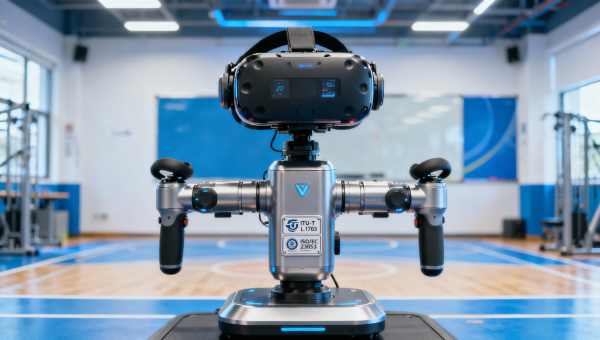
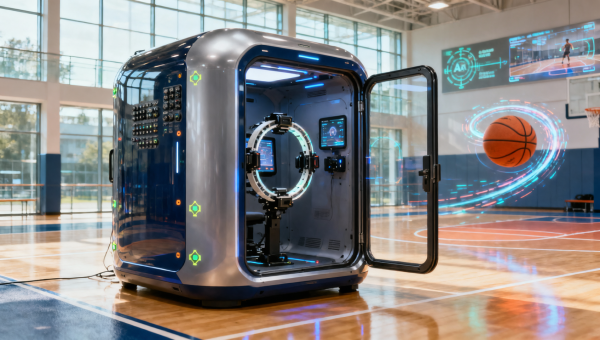
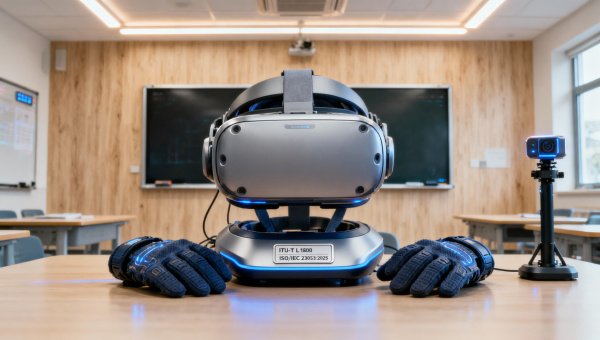
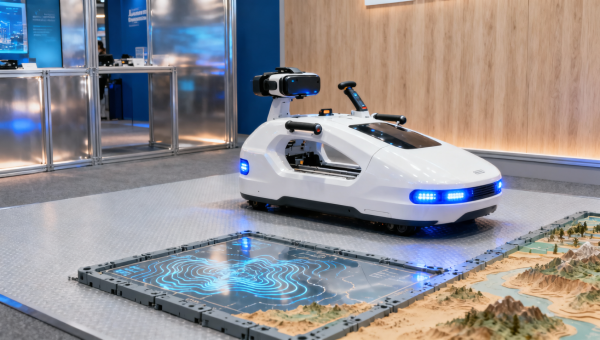
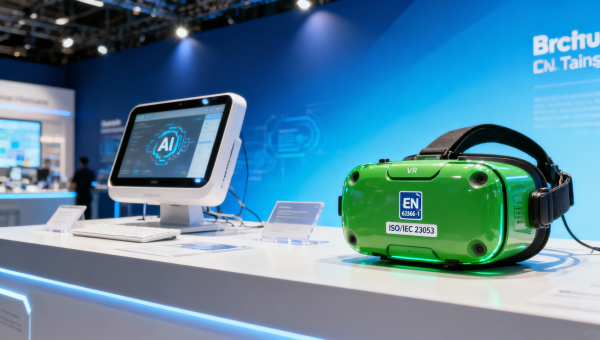
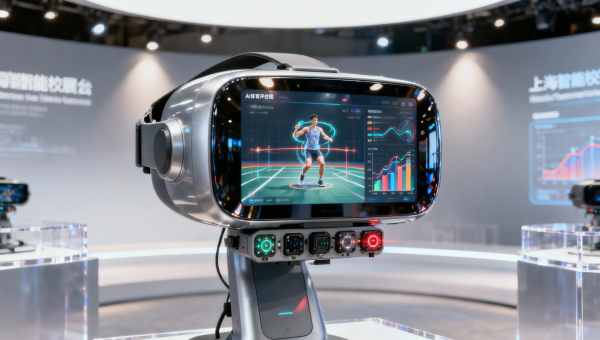
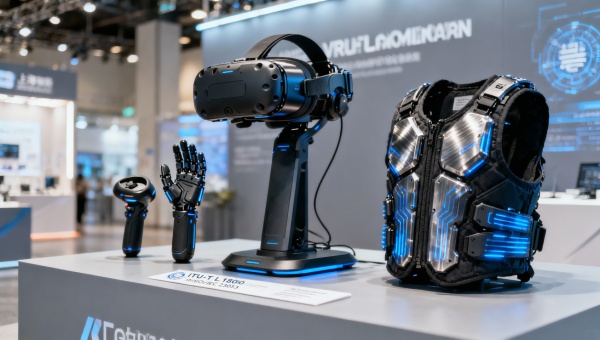
On April 19, 2026, the 2026 Shanghai International Smart Campus Exhibition concluded with a notable development: China’s domestically developed VR-based immersive teaching equipment—including virtual lab cabins and AI-powered physical fitness assessment stations—has achieved dual international certification under ITU-T Y.3507 and ISO/IEC 23053:2025. This milestone positions China as the first country with full coverage of globally recognized interoperability standards for education-specific VR hardware. The certification is now being adopted by the Ministries of Education in the UAE, Chile, and Indonesia as a prerequisite for inclusion in their ‘Digital Classroom Procurement White Lists’, effectively establishing a B2G (business-to-government) export pathway for Chinese edtech hardware.
Event Overview
The 2026 Shanghai International Smart Campus Exhibition closed on April 19, 2026. Publicly confirmed information indicates that certain Chinese VR body-sensing teaching devices have passed both ITU-T Y.3507 and ISO/IEC 23053:2025 certification. These standards address interoperability, safety, and pedagogical alignment for immersive learning systems. The certification status has been referenced by national education authorities in the UAE, Chile, and Indonesia as a mandatory condition for eligibility in public-sector digital classroom procurement programs.
Industries Affected
Direct Exporters & B2G Suppliers
Export-oriented manufacturers supplying VR teaching hardware to overseas government tenders are directly affected. The dual certification now functions as a formal gatekeeping requirement—not merely a competitive advantage—in targeted markets. Impact manifests in tender eligibility, compliance documentation timelines, and pre-bid qualification reviews.
Hardware OEMs & System Integrators
OEMs producing VR headsets, motion-tracking peripherals, or embedded AI modules used in certified educational systems may face upstream demand shifts. As certified end-products gain procurement priority, component-level traceability, firmware versioning, and conformity documentation (e.g., declaration of conformity per ISO/IEC 23053:2025 Annex A) become operationally relevant.
Educational Technology Distributors & Channel Partners
Distributors operating in or targeting the UAE, Chile, or Indonesia must align product portfolios with certified SKUs. Non-certified variants—even functionally similar ones—may be excluded from official procurement pipelines. Impact includes inventory planning, marketing material updates, and technical support readiness for certified configurations.
Standards Compliance & Certification Service Providers
Third-party testing labs and certification consultants supporting edtech clients will likely see increased demand for ITU-T Y.3507 and ISO/IEC 23053:2025 conformance assessments. The scope includes test protocol execution, documentation review, and post-certification surveillance—especially where national education ministries begin requiring periodic revalidation.
What Relevant Enterprises or Practitioners Should Monitor and Do Now
Track official implementation guidance from target-country education ministries
While the UAE, Chile, and Indonesia have announced the certification as a white-list prerequisite, detailed procurement rules—including transition periods, grandfathering clauses for existing contracts, and enforcement timelines—remain pending. Enterprises should monitor official gazettes, tender portals, and ministry circulars rather than relying solely on exhibition announcements.
Verify which specific device models and firmware versions hold valid certification
Certification applies to defined product configurations—not entire brands or technology platforms. Companies should confirm exact model numbers, software build IDs, and hardware revision levels covered under each issued certificate. Misalignment between marketed SKUs and certified variants risks disqualification during tender evaluation.
Distinguish between policy signal and operational readiness
The inclusion of certification in procurement criteria signals intent but does not guarantee immediate large-scale rollout. Current impact is most acute in new pilot tenders and framework agreements. Firms should prioritize responsiveness to early-stage RFPs (requests for proposals) rather than assuming broad market-wide adoption in FY2026.
Prepare documentation packages aligned with ISO/IEC 23053:2025 Annex A requirements
Annex A of ISO/IEC 23053:2025 specifies mandatory technical documentation—including system architecture diagrams, pedagogical use-case mappings, data handling statements, and accessibility compliance summaries. Manufacturers should initiate internal audits against these items now, even if formal submission is not yet required.
Editorial Perspective / Industry Observation
From an industry perspective, this development is best understood not as an immediate sales catalyst, but as a structural inflection point in global edtech standardization. Analysis来看, the simultaneous adoption of both ITU and ISO/IEC credentials signals convergence between telecommunications infrastructure governance (ITU) and cross-sector digital system interoperability (ISO/IEC)—a rare alignment that elevates the credibility threshold for education hardware. Observation来看, its current weight lies more in signaling long-term regulatory direction than in triggering near-term volume shifts. It is more accurately interpreted as a foundational enabler for systematic, repeatable B2G access—not a one-off commercial win. Continued attention is warranted because certification maintenance, regional adaptation (e.g., Arabic-language UI validation for UAE), and potential expansion to other countries (e.g., Vietnam, Saudi Arabia) remain open variables.

In summary, the dual certification marks a procedural milestone—not a market saturation event. Its primary significance is institutional: it formalizes a compliance benchmark for public-sector procurement in multiple emerging education markets. For stakeholders, the appropriate stance is calibrated readiness—not urgency. The path forward favors methodical alignment with documented standards over reactive scaling.
Source: Official announcements from the 2026 Shanghai International Smart Campus Exhibition; publicly cited policy references from the UAE Ministry of Education, Chilean Ministry of Education, and Indonesian Ministry of Education, Culture, Research, and Technology. Note: Specific tender implementation schedules and certification validity periods remain under observation and are not yet publicly finalized.
Search News
Hot Articles
- Stage Lighting & TrussCCTV5 Snooker Broadcast Drives 37% Surge in Stage Lighting Export InquiriesApr 21, 2026
- Indoor PlaygroundVietnam Mandates Child Finger-Trap Sensors for Indoor Play EquipmentApr 21, 2026
- Stage Lighting & TrussGuangdong vs. Shanxi CBA Game Highlights Domestic Smart Arena LightingApr 21, 2026
Popular Tags
Need ExpertConsultation?
Connect with our specialized leisureengineering team for procurementstrategies.
Recommended News
 Apr 21, 2026FSAE China 2026: Domestic Timing System Gains ITU CertificationFSAE China 2026: Domestic timing system wins ITU certification — first education-level motorsport solution compliant with ITU-T G.9972. Discover implications for timing tech, AI integration & standards adoption.● Institutional Buyer
 Apr 21, 20262026 Shanghai Smart Campus Expo: VR EdTech Gains ITU & ISO/IEC 23053 Dual CertificationVR EdTech gains ITU & ISO/IEC 23053 dual certification at 2026 Shanghai Smart Campus Expo—key for exporters, integrators & procurement pros.● Institutional Buyer
 Apr 20, 20262026 Shanghai Smart Campus Expo: VR EdTech Gains ITU & ISO/IEC Dual CertificationVR EdTech gains ITU & ISO/IEC dual certification at 2026 Shanghai Smart Campus Expo—key for global edtech exporters, procurement agencies & VR integrators.● Institutional Buyer
 Apr 17, 20262026 Shanghai Smart Campus Expo: VR Teaching Devices Gain ITU & ISO/IEC Dual CertificationVR teaching devices with ITU & ISO/IEC dual certification headline the 2026 Shanghai Smart Campus Expo—unlock global edtech tenders now.● Institutional Buyer
 Apr 16, 20262026 Shanghai Smart Campus Expo Highlights VR EdTech ExportVR EdTech Export takes center stage at 2026 Shanghai Smart Campus Expo — discover VR learning rides, AR sand tables & global procurement opportunities.● Institutional Buyer
 Apr 13, 20262026 China International Education Tour: AI and Green Training Equipment in SpotlightExplore AI education platforms & green training equipment at 2026 China International Education Tour. 242 global exhibitors showcase ISO-certified VR tools & low-carbon solutions for international buyers.● Institutional Buyer
 Apr 11, 20262026 China Intl Education Expo: AI & Green Tech in SpotlightExplore AI & green tech trends at 2026 China Intl Education Expo: 242 global institutions showcase smart classrooms & sustainable training solutions. Discover export opportunities for EdTech and eco-friendly equipment.● Institutional Buyer
 Apr 11, 2026China-Russia Vocational Education Week Launches with Bilingual Textbook ReleaseThe China-Russia Vocational Education Week 2026 launched with bilingual textbook releases, boosting cross-border collaboration in electromechanics, healthcare & digital commerce. Explore new SCO education standards & partnership opportunities.● Institutional Buyer
 Apr 11, 2026China's Smart Education Platform Upgrade Spurs Global AI Teaching Tool DemandChina's AI-powered education platform upgrade boosts global demand for smart teaching tools, featuring multilingual assistants and API integration. Discover how this impacts EdTech exporters and vocational training providers.● Institutional Buyer
 Apr 09, 2026Chengdu Implements Spring Break for Schools, Boosting Study Tour and Camp Equipment ExportsChengdu's new spring break policy boosts study tour & camp equipment exports, creating a $200M opportunity for manufacturers. Learn how to capitalize on this demand surge now.● Institutional Buyer
 Apr 09, 2026China-Russia Vocational Education Week Launches with Bilingual Textbook ReleaseChina-Russia Vocational Education Week launches bilingual textbooks for智能制造 and新能源汽车 sectors, creating export opportunities for vocational training providers. Discover how this impacts edtech and curriculum localization markets.● Institutional Buyer
 Apr 09, 2026Vocational Health Education Collaboration Expands Global Reach with New StandardsVocational health education reaches new global standards with China's 2026 initiative, featuring Luban Workshop standards and cross-border cloud platforms. Explore opportunities for healthcare training, edtech, and equipment exports in emerging markets.● Institutional Buyer
 Apr 09, 2026China's Education Ministry Launches Sunshine Enrollment Campaign, Impacting International School ProgramsChina's Sunshine Enrollment Campaign tightens regulations on international school programs, impacting A-Level/IB/AP providers with new localization requirements. Learn how this affects curriculum partnerships and compliance strategies.● Institutional Buyer
 Apr 09, 2026China's Smart Education Platform Upgrade Sparks Global Demand for AI ToolsChina's AI education platform upgrade drives global demand for smart teaching tools, creating export opportunities in Southeast Asia and beyond. Discover how edtech exporters can capitalize on this trend.● Institutional Buyer
 Apr 22, 20262026 Shanghai Smart Campus Expo: VR EdTech Gains ITU & ISO/IEC Dual CertificationVR EdTech gains ITU & ISO/IEC dual certification at 2026 Shanghai Smart Campus Expo—unlock B2G opportunities in UAE, Chile & Indonesia now.● Institutional Buyer
 Apr 19, 20262026 Shanghai Smart Campus Expo: VR EdTech Gains ITU & ISO/IEC Dual CertificationVR EdTech hits a milestone: 2026 Shanghai Smart Campus Expo unveils ITU & ISO/IEC dual-certified haptic teaching devices—game-changing for global edtech exporters, OEMs, and procurement agencies.● Institutional Buyer
 Apr 18, 20262026 Shanghai Smart Campus Expo: VR Teaching Devices Gain ITU & ISO/IEC Dual CertificationVR teaching devices gain ITU & ISO/IEC dual certification at 2026 Shanghai Smart Campus Expo — a must-have for edtech exporters targeting Saudi, Mexico & Poland.● Institutional Buyer
 Apr 17, 2026Smart campus tech integrations that break when you add new educational suppliesDiscover why commercial furniture, sensory playgrounds & educational supplies break smart campus tech—and how to ensure playground safety, interoperability & future-proof amusement equipment.● Institutional Buyer
 Apr 15, 2026Smart campus tech integrations that break when firmware updates dropDiscover firmware-resilient commercial furniture, sensory playgrounds, amusement equipment & hotel tables—engineered to stay safe, synced, and operational post-update.● Institutional Buyer
 Apr 15, 2026Educational supplies that teachers quietly replace after one semesterDiscover high-wear educational supplies, sensory playgrounds, playground climbers & commercial furniture—strategically replaced by teachers. Optimize procurement with GCT’s wear analytics and compliance insights.● Institutional Buyer
 Apr 12, 2026Educational supplies built for actual classroom chaos — not idealized lesson plansEducational supplies, office supplies & commercial furniture engineered for real classrooms—soundproofing materials, custom fabrication, luxury furniture & supply chain solutions.● Institutional Buyer
 Apr 07, 2026China's National Smart Education Platform Upgraded, Boosting AI EdTech ExportsChina's upgraded National Smart Education Platform boosts AI EdTech exports with new AI-driven features and international accessibility, creating opportunities for EdTech providers and localization services worldwide.● Institutional Buyer
 Apr 07, 2026China's 2026 School Admissions Policy Impacts International Education ProvidersChina's 2026 school admissions policy reshapes international education landscape, impacting IB, AP & A-Level providers with new compliance requirements. Learn how global education stakeholders can adapt.● Institutional Buyer
 Apr 04, 2026Smart Campus Tech Procurement Is Pulling From Office Supplies Manufacturers — Here’s WhyOffice supplies manufacturer? Smart campuses now choose trusted office supplies suppliers, OEM manufacturers & B2B exporters for integrated infrastructure—discover why.● Institutional Buyer