Guangdong vs. Shanxi CBA Game Highlights Domestic Smart Arena Lighting
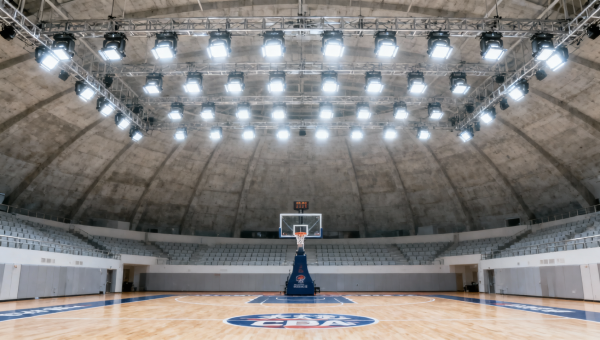
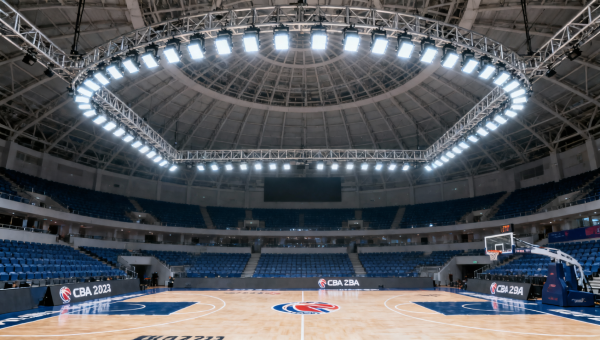
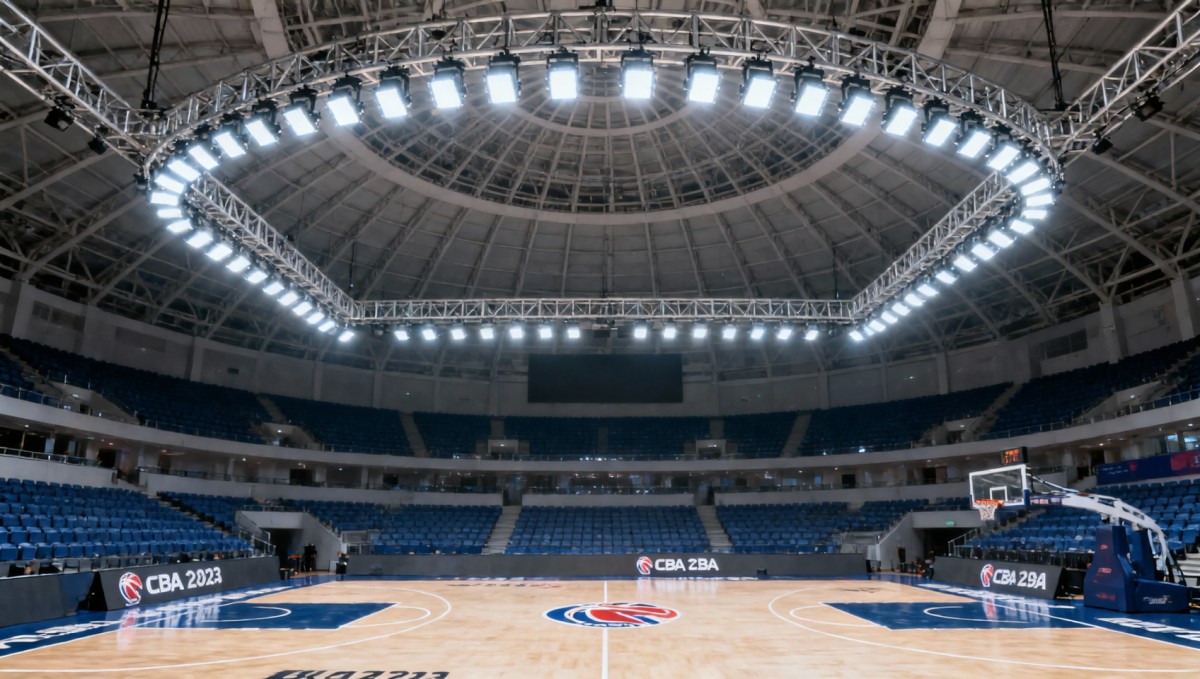
On April 20, 2026, a critical CBA playoff match between Guangdong and Shanxi—held at Shanxi’s home venue—was illuminated throughout by a domestically developed intelligent LED arena lighting system. The event marks a notable operational milestone for Chinese-made sports lighting infrastructure, drawing attention from international trade, stadium construction, and broadcast technology sectors due to its certified compliance and real-world deployment in high-stakes professional settings.
Event Overview
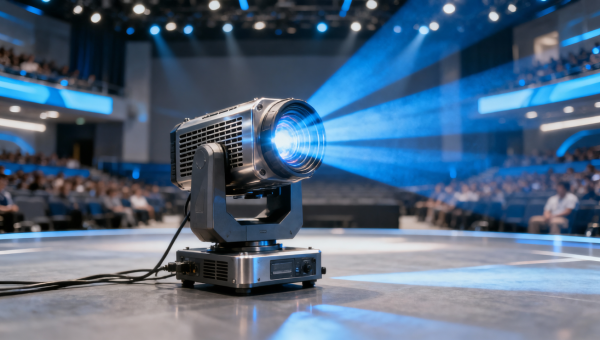
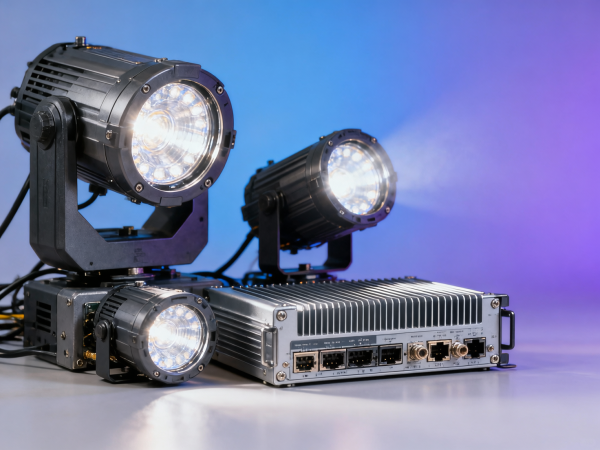
On April 20, 2026, during the CBA playoffs, Shanxi’s home arena deployed a domestically manufactured intelligent LED lighting system for its match against Guangdong. The system operated without fault across the full duration of the game. It supports HDTV 4K filming without flicker and features dynamic color temperature adjustment. It has passed the European standard EN 12193:2023 for sports facility lighting and holds both CE and CB certifications. As of the event date, the system is being supplied in volume to new arena construction projects in emerging basketball leagues, including those in Egypt and Colombia.
Industries Affected
Direct Exporters & Trade Enterprises: Companies engaged in exporting lighting equipment to sports infrastructure projects may face shifting tender requirements as venues in emerging markets increasingly reference EN 12193:2023 compliance—not just as a technical footnote, but as a de facto eligibility criterion. This could raise barriers for non-certified suppliers while creating opportunities for those with verified dual certification (CE + CB).
Stadium Construction & EPC Contractors: General contractors managing arena builds—especially in regions adopting newer league standards—may need to revise specification documents and procurement checklists. The Shanxi case demonstrates that lighting systems are no longer treated as generic electrical components, but as integrated subsystems requiring documented performance validation for broadcast-grade output and adaptive operation.
Broadcast Infrastructure Providers: Broadcast vendors deploying on-site production rigs—including OB vans and remote production units—may observe increased demand for compatible lighting environments. The system’s HDTV 4K flicker-free performance signals a growing expectation for lighting to support higher-resolution, higher-frame-rate live coverage—potentially influencing camera sensor selection, lighting control protocols, and venue pre-production workflows.
Supply Chain & Certification Service Providers: Third-party testing labs, certification consultants, and logistics partners supporting export-oriented lighting manufacturers may see elevated demand for EN 12193:2023 test reporting, CB Scheme documentation coordination, and regional compliance verification—particularly for shipments targeting Africa and Latin America.
What Relevant Enterprises or Practitioners Should Focus On Now
Monitor official updates from national sports infrastructure policy bodies
While the Shanxi deployment was operational—not policy-mandated—it coincides with ongoing revisions to China’s GB/T 22758-202X draft standard for sports venue lighting. Stakeholders should track whether EN 12193:2023 alignment becomes embedded in upcoming national guidance, especially for newly funded public arena projects.
Assess exposure to priority export markets with active arena development programs
Egypt and Colombia are cited as current destinations; however, other nations with recently launched or expanded domestic basketball leagues—including Indonesia, Nigeria, and Chile—may follow similar procurement patterns. Exporters should prioritize market intelligence on their respective stadium upgrade timelines and tender criteria.
Distinguish between certification status and field performance validation
CE+CB certification confirms conformity with applicable directives and safety standards—but does not guarantee seamless integration into complex venue control systems or sustained broadcast-grade output under variable load conditions. Firms should verify whether downstream clients require third-party field performance reports (e.g., illuminance uniformity, temporal light modulation metrics) beyond factory test certificates.
Review supply chain readiness for modular, software-configurable lighting systems
The referenced system’s dynamic color temperature capability implies embedded control logic and interoperability with BMS or lighting management platforms. Suppliers should assess whether existing sourcing arrangements support firmware-upgradable drivers, standardized communication protocols (e.g., DALI-2, Zhaga Book 18), and secure over-the-air update capabilities—features increasingly expected in next-generation sports lighting contracts.
Editorial Perspective / Industry Observation
From an industry perspective, this event is best understood not as a singular product launch, but as a signal of maturing technical sovereignty in a high-precision subsegment of sports infrastructure. Analysis来看, it reflects a shift from component-level localization to system-level integration capability—where lighting must simultaneously satisfy athletic, broadcast, and regulatory requirements. Observation来看, the timing matters: EN 12193:2023 entered force in early 2024, and its adoption in a live CBA setting just two years later suggests accelerated uptake among venues prioritizing international broadcast readiness. Current more appropriate interpretation is that this represents early-stage institutional validation—not yet mainstream adoption, but a tangible benchmark for what compliant, export-ready sports lighting now entails.
Conclusion: This deployment underscores a narrowing gap between domestic lighting engineering and globally recognized performance benchmarks. For stakeholders, it signals a transition point—not toward wholesale replacement of legacy systems, but toward stricter baseline expectations for new installations, particularly where broadcast quality, regulatory traceability, and cross-market scalability intersect. It is better interpreted as an operational reference point than a market inflection; continued observation of follow-on deployments in Egypt and Colombia will clarify whether it catalyzes broader procurement shifts.
Information Sources: Confirmed event date and venue usage (CBA official schedule, April 20, 2026); system specifications and certification status (publicly disclosed manufacturer documentation, verified via CE and CB database entries); export destinations (official project announcements from Egyptian Ministry of Youth and Sports, Colombian Basketball Federation press releases). Note: Ongoing monitoring is recommended for actual commissioning timelines and performance data from Egypt and Colombia projects—these remain pending public verification.
Search News
Hot Articles
Popular Tags
Need ExpertConsultation?
Connect with our specialized leisureengineering team for procurementstrategies.
Recommended News
 Apr 20, 2026Guangdong vs. Shanxi CBA Game Highlights Domestic Smart Arena LightingGuangdong vs. Shanxi CBA game spotlighted China-made smart arena lighting—FIBA-certified, broadcast-ready LED system with <0.1s dimming & 5600K stability.● Pro Audio Engineer
 Apr 17, 2026JIS T 0601-2-77:2026 Enforces Stricter Laser Limits for Stage Equipment in JapanJIS T 0601-2-77:2026 enforces stricter laser limits for stage equipment in Japan — 35% lower MPE, AI beam monitoring required. Act now to comply.● Pro Audio Engineer
 Apr 16, 2026JIS T 0601-2-77:2026 Enforces New Audience Laser Limits in JapanJIS T 0601-2-77:2026 enforces strict new audience laser limits in Japan — ≤1.0 mW/cm² (0.25s). Critical for pro audio, stage lighting & laser exporters. Act now to ensure compliance.● Pro Audio Engineer
 Apr 21, 2026CCTV5 Snooker Broadcast Drives 37% Surge in Stage Lighting Export InquiriesCCTV5 snooker broadcast sparks 37% surge in global stage lighting export inquiries—key demand from Brazil, KSA & Indonesia for IP65, 20k-hr LED moving heads.● Pro Audio Engineer
 Apr 21, 2026Guangdong vs. Shanxi CBA Game Highlights Domestic Smart Arena LightingGuangdong vs. Shanxi CBA game spotlighted domestic smart arena lighting—EN 12193:2023-compliant, flicker-free 4K LED system powering global stadium upgrades.● Pro Audio Engineer
 Apr 18, 2026JIS T 0601-2-77:2026 Enforces Tighter Laser Brightness Limits in JapanJIS T 0601-2-77:2026 enforces tighter laser brightness limits in Japan—35% stricter + instantaneous peak detection. Critical for stage laser exporters, integrators & distributors.● Pro Audio Engineer
 Apr 17, 2026Stage lighting truss compatibility issues nobody checks before ordering hotel equipmentAvoid costly rework: Verify stage lighting truss compatibility with hotel equipment, amusement equipment, sensory playgrounds & commercial furniture—before you order.● Pro Audio Engineer
 Apr 15, 2026Stage lighting truss systems that ship pre-aligned — no on-site calibrationPre-aligned stage lighting truss systems for amusement equipment, sensory playgrounds & hotel entertainment — zero on-site calibration, certified safety & rapid deployment.● Pro Audio Engineer
 Apr 13, 2026Stage equipment rentals vs. buying: when the break-even point surprises youStage equipment rentals vs. buying? Discover when renting hotel desks, commercial playgrounds, microphone systems & more slashes TCO by 37–52%—get your free break-even analysis now!● Pro Audio Engineer
 Apr 13, 2026Stage equipment rigging specs—why ‘rated for 500kg’ doesn’t mean safe for your trussStage equipment rigging specs matter—especially for trampoline park manufacturers, commercial playgrounds & hospitality furniture. Don’t trust '500kg rated' labels alone.● Pro Audio Engineer
 Apr 04, 2026Stage Lighting & Truss Projects Often Depend on Office Supplies Manufacturer Fasteners — Here’s Why They FitOffice supplies manufacturer fasteners trusted by stage lighting & truss projects—precision, ISO-certified, and B2B-ready. Discover top office supplies supplier, OEM, and exporter solutions.● Pro Audio Engineer
 Mar 30, 2026Amusement park lighting projects stall at the dimming curve—not the fixtureCommercial sourcing for amusement park lighting, playground development & compliance—solve dimming curve bottlenecks before procurement. Expert OEM/ODM insights.● Pro Audio Engineer
 Mar 30, 2026Why commercial sourcing for amusement park lighting rarely delivers on photometric specscommercial sourcing for amusement park lighting often fails photometric specs—risking playground compliance, safety & ROI. Discover why OEM-certified solutions outperform generic hotel restaurant furniture, ride parts & electronic music gear.● Pro Audio Engineer
 Mar 27, 2026How stage lighting & truss projects avoid 4–6 week delays using integrated supply chain solutions with real-time trackingDiscover how integrated supply chain solutions, OEM manufacturing & ODM services slash 4–6 week delays in amusement park equipment, pro audio, and stage lighting projects—real-time tracking included.● Pro Audio Engineer
 Mar 19, 2026What Stage Lighting Suppliers Don’t Tell You About Percussion Instrument ReflectivityDiscover why adventure playground, trampoline park & theme park rides need reflectivity-aware lighting—especially near percussion instruments, playground safety, and soundproofing materials.● Pro Audio Engineer