2026 Shanghai Smart Campus Expo: VR EdTech Gains ITU & ISO/IEC 23053 Dual Certification
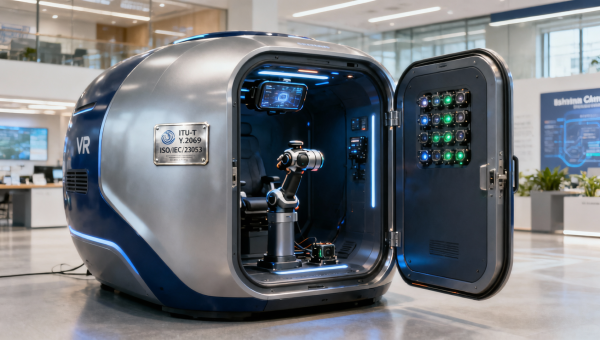
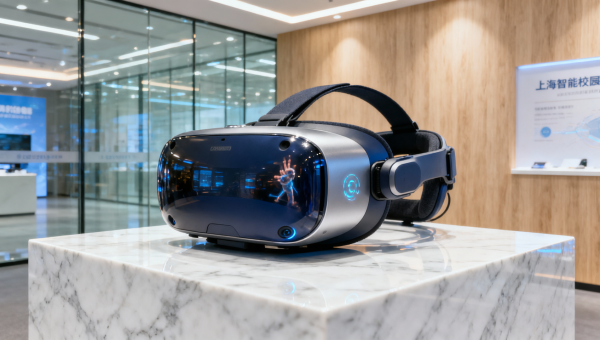
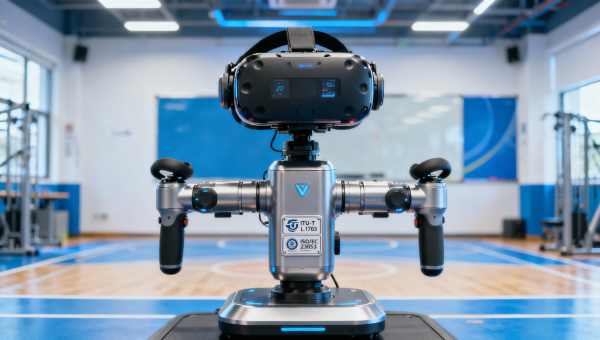
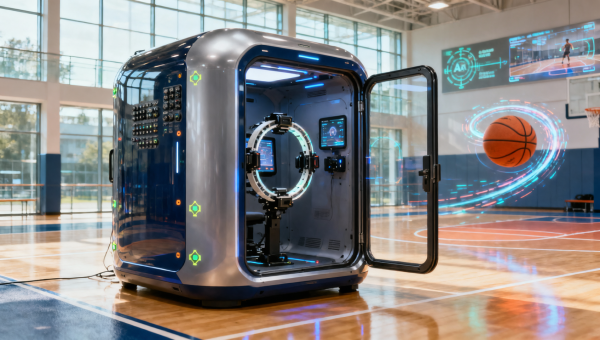
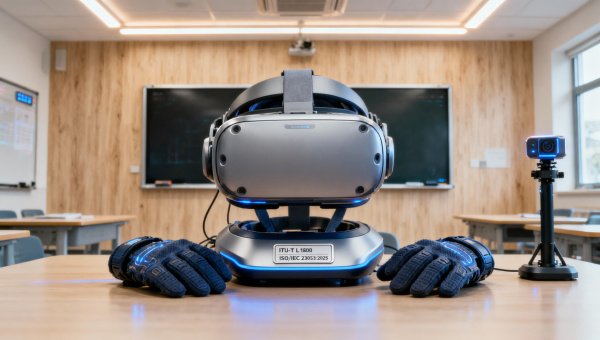
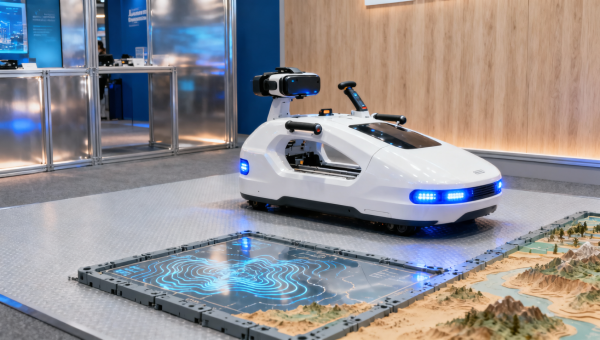
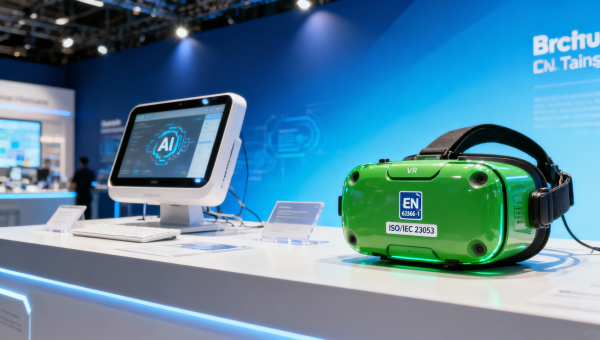
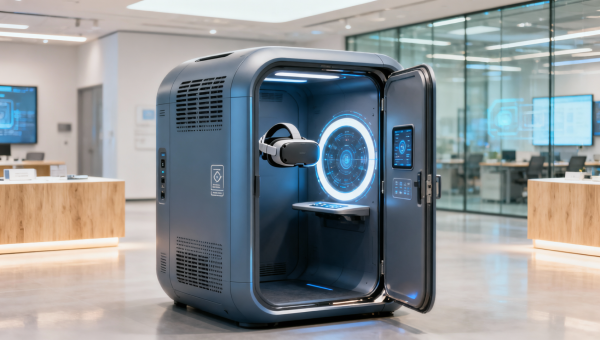
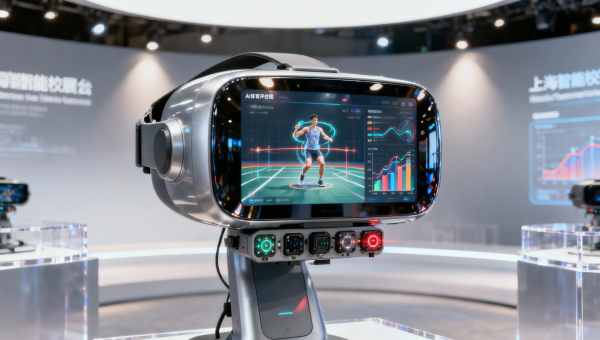
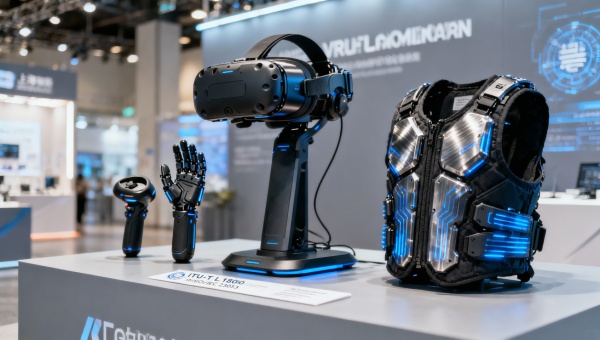
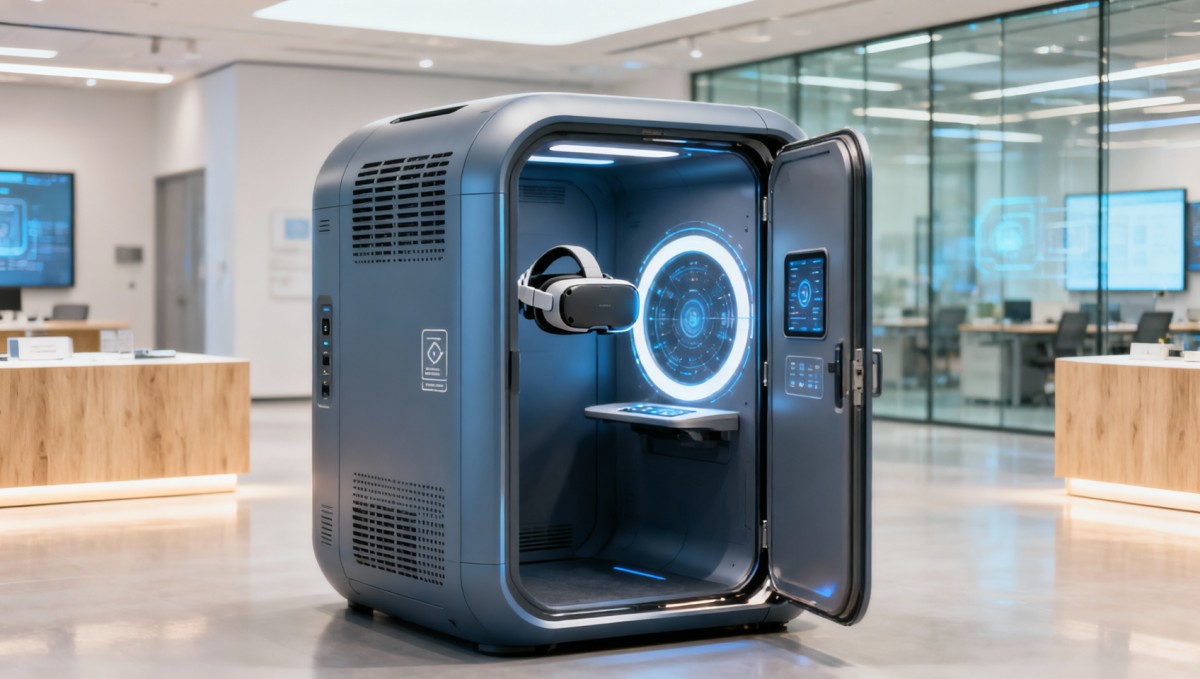
At the 2026 Shanghai International Smart Campus Exhibition held on April 23–24, six Chinese VR-based educational hardware vendors—including makers of haptic interaction stations and immersive lab pods—received dual certification under ITU-T L.1703 and ISO/IEC 23053:2024. This certification combination is now emerging as a technical eligibility benchmark for EU EDUtech procurement frameworks and UAE Smart Campus public tenders—making it highly relevant for edtech exporters, compliance officers, and education infrastructure integrators.
Event Overview
The 2026 Shanghai International Smart Campus Exhibition took place from April 23 to 24, 2026. During the event, six domestic VR education equipment manufacturers were awarded official certificates confirming compliance with both ITU-T L.1703 (a standard addressing energy efficiency and accessibility in ICT-enabled learning environments) and ISO/IEC 23053:2024 (a newly published international standard specifying functional and interoperability requirements for AI-integrated immersive learning systems). No further details about certifying bodies, evaluation scope, or vendor names were publicly disclosed at the time of the exhibition.
Industries Affected
EdTech Exporters & Trade Compliance Teams
These firms face direct implications because the dual certification is cited as a core technical entry requirement for EU EDUtech procurement and UAE Smart Campus tenders. Its adoption signals a shift toward harmonized, standards-based technical gatekeeping—not just for safety or EMC, but for pedagogical interoperability and sustainable deployment.
Hardware Manufacturers (VR/AR Learning Devices)
Vendors producing VR headsets, haptic platforms, or modular lab enclosures may experience increased pressure to align product development roadmaps with ISO/IEC 23053:2024’s functional architecture—especially around data portability, teacher control interfaces, and real-time learner feedback integration. Certification readiness is no longer optional for targeted export markets.
Education System Integrators & Procurement Agencies
Organizations responsible for specifying or deploying campus-wide digital learning infrastructure must now assess whether existing or planned VR solutions meet this dual-certification baseline—particularly when bidding on cross-border public contracts where compliance documentation is mandatory at tender submission stage.
What Enterprises and Practitioners Should Monitor and Act On
Track official updates on ISO/IEC 23053:2024 implementation guidance
Although the standard was published in 2024, national adoptions and conformity assessment procedures remain under development in many jurisdictions. Monitoring announcements from national standards bodies (e.g., SAC in China, DIN in Germany, ANSI in the US) will clarify timelines for mandatory referencing in public tenders.
Verify which procurement programs explicitly reference the dual certification
Not all EU EDUtech calls or UAE Smart Campus RFPs currently require ITU-T L.1703 + ISO/IEC 23053:2024. Reviewing recently issued tender documents—and distinguishing between ‘preferred’, ‘recommended’, and ‘mandatory’ language—is essential before committing to certification investment.
Distinguish between certification eligibility and actual market access
Obtaining the dual certificate does not guarantee contract award; it only satisfies one technical eligibility criterion. Bidders still need to demonstrate pedagogical efficacy, local support capacity, cybersecurity compliance (e.g., NIS2, UAE IA), and language/localization readiness. Treating certification as a standalone differentiator risks misallocating resources.
Assess internal testing and documentation capabilities early
Conformity assessment under ISO/IEC 23053:2024 involves functional verification across multiple use cases (e.g., multi-user lab mode, offline operation, accessibility mode switching). Firms lacking in-house test labs or certified QA documentation processes should begin scoping third-party lab partnerships now—not after tender deadlines are announced.
Editorial Perspective / Industry Observation
From an industry perspective, this dual certification outcome is best understood as an early signal—not yet a de facto global mandate. Its immediate relevance is concentrated in specific high-value public procurement streams, not broad commercial sales. Analysis来看, the co-endorsement by ITU and ISO/IEC suggests growing institutional alignment on defining minimum technical baselines for AI-augmented immersive learning—but implementation remains fragmented across regions. Observation来看, the Shanghai Expo served less as a launch platform for new products and more as a visibility checkpoint for standards readiness among domestic suppliers. Current more appropriate interpretation is that this marks the beginning of a multi-year convergence process—not a sudden regulatory inflection point.
Conclusion: This development reflects an evolving, standards-driven layer of technical governance in global edtech procurement—not a wholesale market shift. It underscores the increasing role of internationally recognized specifications in shaping competitive advantage for hardware vendors targeting public-sector education infrastructure. For most stakeholders, the priority remains selective, evidence-based engagement—not blanket compliance acceleration.
Source: Official announcements from the 2026 Shanghai International Smart Campus Exhibition (April 23–24, 2026); publicly referenced status of ITU-T L.1703 and ISO/IEC 23053:2024. Note: National adoption timelines and tender-level enforcement mechanisms remain subject to ongoing observation.
Search News
Hot Articles
- Pro Stage AudioFIFA Adopts Chinese Mini-LED Displays for 2026 World Cup VAR SystemApr 24, 2026
- Outdoor RidesChina FA Warns Nanjing City Over Fan Conduct; ISO 20785 Compliance AcceleratesApr 24, 2026
- Pro Stage AudioFan Zhendong Visits Silicon Valley as MLTT Investor, AI Ping-Pong Tech Draws US InterestApr 24, 2026
Popular Tags
Need ExpertConsultation?
Connect with our specialized leisureengineering team for procurementstrategies.
Recommended News
 Apr 24, 20262026 Shanghai Smart Campus Expo: VR EdTech Gains ITU & ISO/IEC 23053 Dual CertificationVR EdTech gains ITU & ISO/IEC 23053 dual certification at 2026 Shanghai Smart Campus Expo—key for global edtech tenders. Discover impact & compliance insights.● Institutional Buyer
 Apr 23, 20262026 Shanghai Smart Campus Expo: VR EdTech Gains ITU & ISO/IEC Dual CertificationVR EdTech gains ITU & ISO/IEC dual certification at 2026 Shanghai Smart Campus Expo — a must-see milestone for global edtech exporters, LMS integrators, and STEM hardware providers.● Institutional Buyer
 Apr 22, 20262026 Shanghai Smart Campus Expo: VR EdTech Gains ITU & ISO/IEC Dual CertificationVR EdTech gains ITU & ISO/IEC dual certification at 2026 Shanghai Smart Campus Expo—unlock B2G opportunities in UAE, Chile & Indonesia now.● Institutional Buyer
 Apr 21, 2026FSAE China 2026: Domestic Timing System Gains ITU CertificationFSAE China 2026: Domestic timing system wins ITU certification — first education-level motorsport solution compliant with ITU-T G.9972. Discover implications for timing tech, AI integration & standards adoption.● Institutional Buyer
 Apr 21, 20262026 Shanghai Smart Campus Expo: VR EdTech Gains ITU & ISO/IEC 23053 Dual CertificationVR EdTech gains ITU & ISO/IEC 23053 dual certification at 2026 Shanghai Smart Campus Expo—key for exporters, integrators & procurement pros.● Institutional Buyer
 Apr 20, 20262026 Shanghai Smart Campus Expo: VR EdTech Gains ITU & ISO/IEC Dual CertificationVR EdTech gains ITU & ISO/IEC dual certification at 2026 Shanghai Smart Campus Expo—key for global edtech exporters, procurement agencies & VR integrators.● Institutional Buyer
 Apr 17, 20262026 Shanghai Smart Campus Expo: VR Teaching Devices Gain ITU & ISO/IEC Dual CertificationVR teaching devices with ITU & ISO/IEC dual certification headline the 2026 Shanghai Smart Campus Expo—unlock global edtech tenders now.● Institutional Buyer
 Apr 16, 20262026 Shanghai Smart Campus Expo Highlights VR EdTech ExportVR EdTech Export takes center stage at 2026 Shanghai Smart Campus Expo — discover VR learning rides, AR sand tables & global procurement opportunities.● Institutional Buyer
 Apr 13, 20262026 China International Education Tour: AI and Green Training Equipment in SpotlightExplore AI education platforms & green training equipment at 2026 China International Education Tour. 242 global exhibitors showcase ISO-certified VR tools & low-carbon solutions for international buyers.● Institutional Buyer
 Apr 11, 20262026 China Intl Education Expo: AI & Green Tech in SpotlightExplore AI & green tech trends at 2026 China Intl Education Expo: 242 global institutions showcase smart classrooms & sustainable training solutions. Discover export opportunities for EdTech and eco-friendly equipment.● Institutional Buyer
 Apr 11, 2026China-Russia Vocational Education Week Launches with Bilingual Textbook ReleaseThe China-Russia Vocational Education Week 2026 launched with bilingual textbook releases, boosting cross-border collaboration in electromechanics, healthcare & digital commerce. Explore new SCO education standards & partnership opportunities.● Institutional Buyer
 Apr 11, 2026China's Smart Education Platform Upgrade Spurs Global AI Teaching Tool DemandChina's AI-powered education platform upgrade boosts global demand for smart teaching tools, featuring multilingual assistants and API integration. Discover how this impacts EdTech exporters and vocational training providers.● Institutional Buyer
 Apr 09, 2026Chengdu Implements Spring Break for Schools, Boosting Study Tour and Camp Equipment ExportsChengdu's new spring break policy boosts study tour & camp equipment exports, creating a $200M opportunity for manufacturers. Learn how to capitalize on this demand surge now.● Institutional Buyer
 Apr 09, 2026China-Russia Vocational Education Week Launches with Bilingual Textbook ReleaseChina-Russia Vocational Education Week launches bilingual textbooks for智能制造 and新能源汽车 sectors, creating export opportunities for vocational training providers. Discover how this impacts edtech and curriculum localization markets.● Institutional Buyer
 Apr 09, 2026Vocational Health Education Collaboration Expands Global Reach with New StandardsVocational health education reaches new global standards with China's 2026 initiative, featuring Luban Workshop standards and cross-border cloud platforms. Explore opportunities for healthcare training, edtech, and equipment exports in emerging markets.● Institutional Buyer
 Apr 09, 2026China's Education Ministry Launches Sunshine Enrollment Campaign, Impacting International School ProgramsChina's Sunshine Enrollment Campaign tightens regulations on international school programs, impacting A-Level/IB/AP providers with new localization requirements. Learn how this affects curriculum partnerships and compliance strategies.● Institutional Buyer
 Apr 09, 2026China's Smart Education Platform Upgrade Sparks Global Demand for AI ToolsChina's AI education platform upgrade drives global demand for smart teaching tools, creating export opportunities in Southeast Asia and beyond. Discover how edtech exporters can capitalize on this trend.● Institutional Buyer
 Apr 25, 20262026 Shanghai Smart Campus Expo: VR EdTech Gains ITU & ISO/IEC 23053 Dual CertificationVR EdTech gains ITU & ISO/IEC 23053 dual certification at 2026 Shanghai Smart Campus Expo—key for EU/UAE edtech tenders. Act now.● Institutional Buyer
 Apr 19, 20262026 Shanghai Smart Campus Expo: VR EdTech Gains ITU & ISO/IEC Dual CertificationVR EdTech hits a milestone: 2026 Shanghai Smart Campus Expo unveils ITU & ISO/IEC dual-certified haptic teaching devices—game-changing for global edtech exporters, OEMs, and procurement agencies.● Institutional Buyer
 Apr 18, 20262026 Shanghai Smart Campus Expo: VR Teaching Devices Gain ITU & ISO/IEC Dual CertificationVR teaching devices gain ITU & ISO/IEC dual certification at 2026 Shanghai Smart Campus Expo — a must-have for edtech exporters targeting Saudi, Mexico & Poland.● Institutional Buyer
 Apr 17, 2026Smart campus tech integrations that break when you add new educational suppliesDiscover why commercial furniture, sensory playgrounds & educational supplies break smart campus tech—and how to ensure playground safety, interoperability & future-proof amusement equipment.● Institutional Buyer
 Apr 15, 2026Smart campus tech integrations that break when firmware updates dropDiscover firmware-resilient commercial furniture, sensory playgrounds, amusement equipment & hotel tables—engineered to stay safe, synced, and operational post-update.● Institutional Buyer
 Apr 15, 2026Educational supplies that teachers quietly replace after one semesterDiscover high-wear educational supplies, sensory playgrounds, playground climbers & commercial furniture—strategically replaced by teachers. Optimize procurement with GCT’s wear analytics and compliance insights.● Institutional Buyer
 Apr 12, 2026Educational supplies built for actual classroom chaos — not idealized lesson plansEducational supplies, office supplies & commercial furniture engineered for real classrooms—soundproofing materials, custom fabrication, luxury furniture & supply chain solutions.● Institutional Buyer