2026 Shanghai Smart Campus Expo: VR EdTech Gains ITU & ISO/IEC Dual Certification
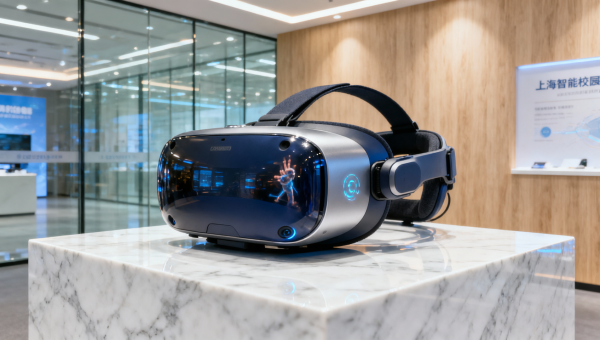
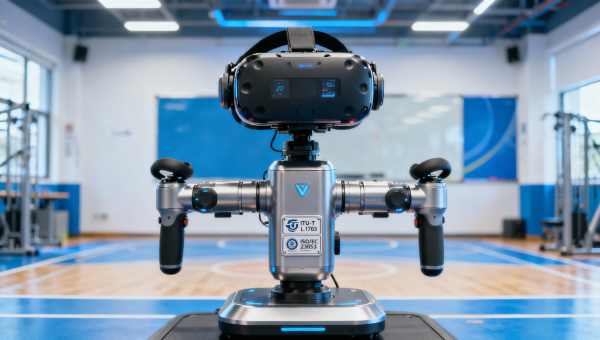
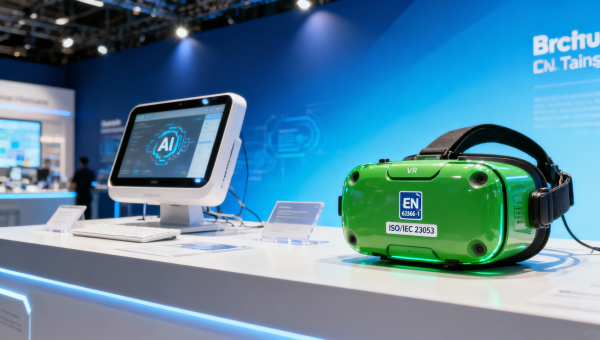
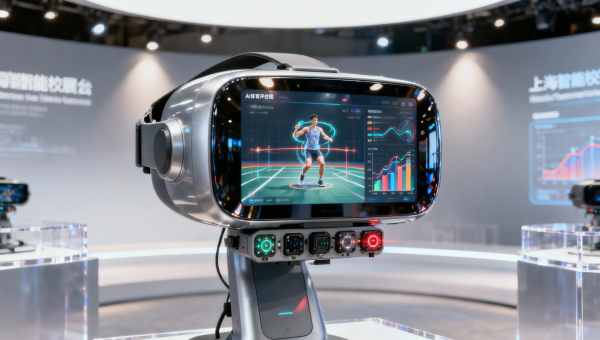
From April 19–21, 2026, the Shanghai International Smart Campus Exhibition concluded with a notable milestone: six Chinese VR-based embodied learning device manufacturers unveiled products certified to both ITU-T H.870 (Human Factors for Immersive Learning) and ISO/IEC 23053 (Security Framework for Educational VR Systems). This development signals growing technical alignment between domestic edtech hardware and globally recognized interoperability and safety benchmarks — a shift relevant to educational technology exporters, curriculum integration platforms, STEM hardware suppliers, and localization service providers.
Event Overview
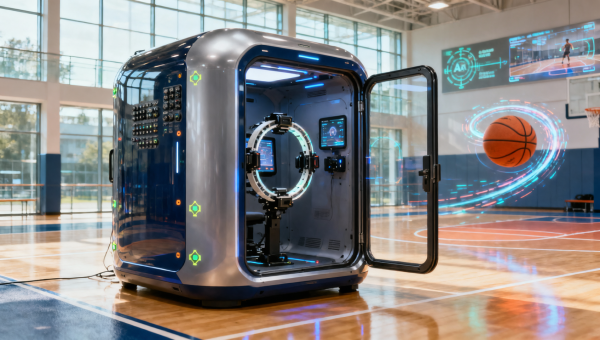
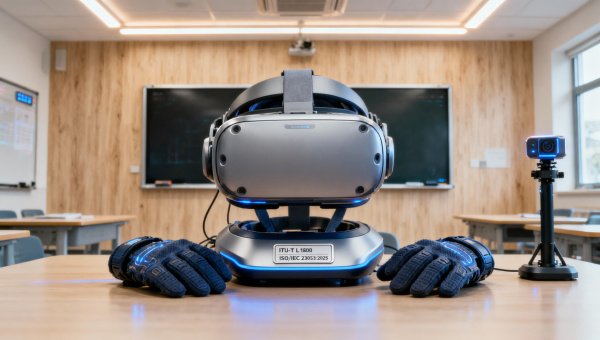
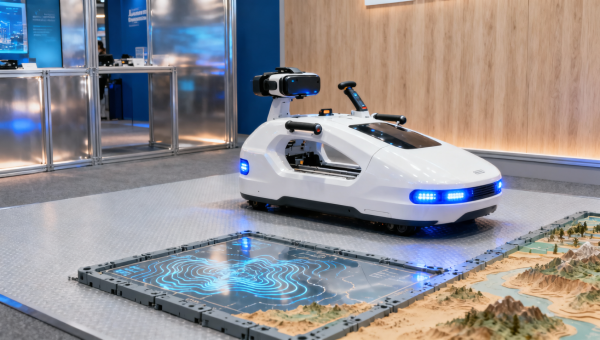
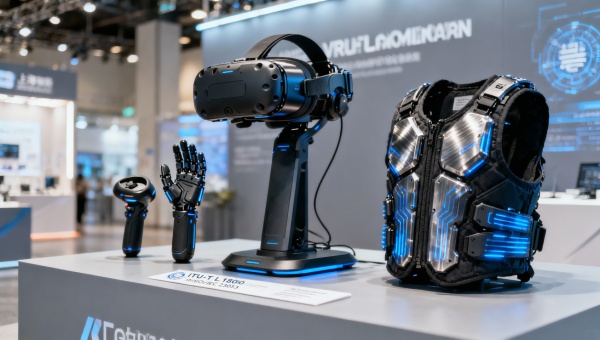
The 2026 Shanghai International Smart Campus Exhibition took place from April 19 to 21, 2026. During the event, six China-based VR education equipment vendors demonstrated body-tracking, gesture-responsive teaching devices certified under two international standards: ITU-T H.870 and ISO/IEC 23053. These devices target three core instructional use cases — physics lab simulation, language interaction training, and STEM hands-on practice. Delegations from the Ministry of Education of Saudi Arabia, Indonesia’s Kemendikbud, and Mexico’s Secretaría de Educación Pública (SEP) signed 12 letters of intent, specifying requirements for pre-installed Arabic or Spanish user interfaces and compatibility with local learning management systems.
Industries Affected
VR/AR Hardware Exporters
Exporters of immersive learning hardware face revised technical expectations in key emerging markets. The dual certification is not yet mandatory, but its appearance in procurement criteria — especially in formal LOIs from national education ministries — indicates early-stage standard adoption. Impact manifests in product compliance planning, documentation readiness, and pre-shipment verification workflows.
EdTech Localization Service Providers
Localization vendors are now directly implicated in hardware procurement terms. The explicit requirement for Arabic/Spanish UI and LMS integration means UI string extraction, bidirectional text rendering, and API-level interoperability testing must be embedded earlier in the hardware development cycle — not treated as post-certification add-ons.
STEM Curriculum Platform Developers
Platform developers supporting VR-integrated lesson delivery must now anticipate standardized data exchange protocols. ISO/IEC 23053 includes security-related interface specifications; therefore, platform-side authentication handshakes, session logging, and content sandboxing may require updates to align with certified device behavior.
Education Equipment Distributors & Channel Integrators
Distributors handling cross-border deployment face new pre-deployment validation steps. LOIs specify functional interoperability (e.g., course package ingestion, progress sync), meaning channel partners must verify not only device functionality but also integration readiness with local platforms before shipment — increasing pre-sales technical coordination load.
What Enterprises and Practitioners Should Monitor and Act On
Track official standard implementation timelines in target markets
While ITU-T H.870 and ISO/IEC 23053 are international consensus documents, their incorporation into national procurement regulations remains pending. Current LOIs reflect early buyer preference, not regulatory mandates. Enterprises should monitor announcements from Saudi MoE, Indonesia’s Kemendikbud, and Mexico’s SEP on formal tender specifications — distinguishing policy signals from commercial pilots.
Verify device certification scope against actual export configurations
Certification applies to specific hardware/software versions and configurations. Exporters must confirm whether bilingual UI support and LMS APIs fall within the certified scope — or require separate validation. Mixing certified base units with region-specific firmware may void compliance unless re-validated.
Prepare for localized integration testing cycles
Given that LOIs explicitly reference LMS compatibility, enterprises should allocate time and resources for joint testing with regional platform vendors (e.g., Saudi Madrasati, Indonesia’s Rumah Belajar, Mexico’s S@lud) prior to contract finalization — rather than assuming generic SCORM/xAPI compliance suffices.
Update supply chain documentation for audit-readiness
Certification documentation — including test reports, conformity declarations, and version-controlled firmware manifests — must be structured for third-party review by foreign procurement agencies. Suppliers should ensure traceability between hardware serials, software builds, and certification records ahead of tender submissions.
Editorial Perspective / Industry Observation
From an industry perspective, this event is best understood not as a completed market shift, but as a leading indicator of convergence between global technical governance and national education procurement practices. The presence of dual certification in LOIs suggests that standard compliance is transitioning from a differentiator to a baseline eligibility criterion — particularly in public-sector tenders across the Global South. However, analysis shows no evidence yet of binding regulatory enforcement; the current value lies in signaling buyer readiness and shaping upstream R&D priorities. It is more accurately interpreted as an early-stage alignment signal — one that rewards proactive technical due diligence, not reactive compliance.
Conclusion
This exhibition outcome reflects a maturing intersection of educational hardware development and international standardization. For stakeholders, it underscores that technical certification is increasingly inseparable from market access — especially where national education authorities drive large-scale procurement. Yet, it remains a voluntary benchmark at this stage: its significance lies less in immediate enforceability and more in its role as a forward-looking filter for supplier capability and interoperability foresight.
Source Attribution
Main source: Official exhibition summary released by Shanghai International Smart Campus Exhibition Organizing Committee (April 2026).
Points requiring ongoing observation: Formal adoption status of ITU-T H.870 and ISO/IEC 23053 in national education procurement regulations across Saudi Arabia, Indonesia, and Mexico — to be tracked via official ministry tender portals and standardization body bulletins.
Search News
Hot Articles
- Indoor PlaygroundFan Zhendong Visits Silicon Valley as MLTT Investor, AI Ping-Pong Tech Draws AttentionApr 23, 2026
- Stage Lighting & Truss2026 FIBA Women's World Cup Draw Opens Export Window for Arena Lighting & Timing SystemsApr 23, 2026
- Pro Stage AudioChina Upgrades Security Compliance for International Sports EventsApr 23, 2026
Popular Tags
Need ExpertConsultation?
Connect with our specialized leisureengineering team for procurementstrategies.
Recommended News
 Apr 23, 20262026 Shanghai Smart Campus Expo: VR EdTech Gains ITU & ISO/IEC Dual CertificationVR EdTech gains ITU & ISO/IEC dual certification at 2026 Shanghai Smart Campus Expo — a must-see milestone for global edtech exporters, LMS integrators, and STEM hardware providers.● Institutional Buyer
 Apr 22, 20262026 Shanghai Smart Campus Expo: VR EdTech Gains ITU & ISO/IEC Dual CertificationVR EdTech gains ITU & ISO/IEC dual certification at 2026 Shanghai Smart Campus Expo—unlock B2G opportunities in UAE, Chile & Indonesia now.● Institutional Buyer
 Apr 21, 2026FSAE China 2026: Domestic Timing System Gains ITU CertificationFSAE China 2026: Domestic timing system wins ITU certification — first education-level motorsport solution compliant with ITU-T G.9972. Discover implications for timing tech, AI integration & standards adoption.● Institutional Buyer
 Apr 21, 20262026 Shanghai Smart Campus Expo: VR EdTech Gains ITU & ISO/IEC 23053 Dual CertificationVR EdTech gains ITU & ISO/IEC 23053 dual certification at 2026 Shanghai Smart Campus Expo—key for exporters, integrators & procurement pros.● Institutional Buyer
 Apr 20, 20262026 Shanghai Smart Campus Expo: VR EdTech Gains ITU & ISO/IEC Dual CertificationVR EdTech gains ITU & ISO/IEC dual certification at 2026 Shanghai Smart Campus Expo—key for global edtech exporters, procurement agencies & VR integrators.● Institutional Buyer
 Apr 17, 20262026 Shanghai Smart Campus Expo: VR Teaching Devices Gain ITU & ISO/IEC Dual CertificationVR teaching devices with ITU & ISO/IEC dual certification headline the 2026 Shanghai Smart Campus Expo—unlock global edtech tenders now.● Institutional Buyer
 Apr 16, 20262026 Shanghai Smart Campus Expo Highlights VR EdTech ExportVR EdTech Export takes center stage at 2026 Shanghai Smart Campus Expo — discover VR learning rides, AR sand tables & global procurement opportunities.● Institutional Buyer
 Apr 13, 20262026 China International Education Tour: AI and Green Training Equipment in SpotlightExplore AI education platforms & green training equipment at 2026 China International Education Tour. 242 global exhibitors showcase ISO-certified VR tools & low-carbon solutions for international buyers.● Institutional Buyer
 Apr 11, 20262026 China Intl Education Expo: AI & Green Tech in SpotlightExplore AI & green tech trends at 2026 China Intl Education Expo: 242 global institutions showcase smart classrooms & sustainable training solutions. Discover export opportunities for EdTech and eco-friendly equipment.● Institutional Buyer
 Apr 11, 2026China-Russia Vocational Education Week Launches with Bilingual Textbook ReleaseThe China-Russia Vocational Education Week 2026 launched with bilingual textbook releases, boosting cross-border collaboration in electromechanics, healthcare & digital commerce. Explore new SCO education standards & partnership opportunities.● Institutional Buyer
 Apr 11, 2026China's Smart Education Platform Upgrade Spurs Global AI Teaching Tool DemandChina's AI-powered education platform upgrade boosts global demand for smart teaching tools, featuring multilingual assistants and API integration. Discover how this impacts EdTech exporters and vocational training providers.● Institutional Buyer
 Apr 09, 2026Chengdu Implements Spring Break for Schools, Boosting Study Tour and Camp Equipment ExportsChengdu's new spring break policy boosts study tour & camp equipment exports, creating a $200M opportunity for manufacturers. Learn how to capitalize on this demand surge now.● Institutional Buyer
 Apr 09, 2026China-Russia Vocational Education Week Launches with Bilingual Textbook ReleaseChina-Russia Vocational Education Week launches bilingual textbooks for智能制造 and新能源汽车 sectors, creating export opportunities for vocational training providers. Discover how this impacts edtech and curriculum localization markets.● Institutional Buyer
 Apr 09, 2026Vocational Health Education Collaboration Expands Global Reach with New StandardsVocational health education reaches new global standards with China's 2026 initiative, featuring Luban Workshop standards and cross-border cloud platforms. Explore opportunities for healthcare training, edtech, and equipment exports in emerging markets.● Institutional Buyer
 Apr 09, 2026China's Education Ministry Launches Sunshine Enrollment Campaign, Impacting International School ProgramsChina's Sunshine Enrollment Campaign tightens regulations on international school programs, impacting A-Level/IB/AP providers with new localization requirements. Learn how this affects curriculum partnerships and compliance strategies.● Institutional Buyer
 Apr 09, 2026China's Smart Education Platform Upgrade Sparks Global Demand for AI ToolsChina's AI education platform upgrade drives global demand for smart teaching tools, creating export opportunities in Southeast Asia and beyond. Discover how edtech exporters can capitalize on this trend.● Institutional Buyer
 Apr 19, 20262026 Shanghai Smart Campus Expo: VR EdTech Gains ITU & ISO/IEC Dual CertificationVR EdTech hits a milestone: 2026 Shanghai Smart Campus Expo unveils ITU & ISO/IEC dual-certified haptic teaching devices—game-changing for global edtech exporters, OEMs, and procurement agencies.● Institutional Buyer
 Apr 18, 20262026 Shanghai Smart Campus Expo: VR Teaching Devices Gain ITU & ISO/IEC Dual CertificationVR teaching devices gain ITU & ISO/IEC dual certification at 2026 Shanghai Smart Campus Expo — a must-have for edtech exporters targeting Saudi, Mexico & Poland.● Institutional Buyer
 Apr 17, 2026Smart campus tech integrations that break when you add new educational suppliesDiscover why commercial furniture, sensory playgrounds & educational supplies break smart campus tech—and how to ensure playground safety, interoperability & future-proof amusement equipment.● Institutional Buyer
 Apr 15, 2026Smart campus tech integrations that break when firmware updates dropDiscover firmware-resilient commercial furniture, sensory playgrounds, amusement equipment & hotel tables—engineered to stay safe, synced, and operational post-update.● Institutional Buyer
 Apr 15, 2026Educational supplies that teachers quietly replace after one semesterDiscover high-wear educational supplies, sensory playgrounds, playground climbers & commercial furniture—strategically replaced by teachers. Optimize procurement with GCT’s wear analytics and compliance insights.● Institutional Buyer
 Apr 12, 2026Educational supplies built for actual classroom chaos — not idealized lesson plansEducational supplies, office supplies & commercial furniture engineered for real classrooms—soundproofing materials, custom fabrication, luxury furniture & supply chain solutions.● Institutional Buyer
 Apr 07, 2026China's National Smart Education Platform Upgraded, Boosting AI EdTech ExportsChina's upgraded National Smart Education Platform boosts AI EdTech exports with new AI-driven features and international accessibility, creating opportunities for EdTech providers and localization services worldwide.● Institutional Buyer
 Apr 07, 2026China's 2026 School Admissions Policy Impacts International Education ProvidersChina's 2026 school admissions policy reshapes international education landscape, impacting IB, AP & A-Level providers with new compliance requirements. Learn how global education stakeholders can adapt.● Institutional Buyer