Fan Zhendong Visits Silicon Valley as MLTT Investor, AI Ping-Pong Tech Draws Attention
Fan Zhendong, Olympic and World Table Tennis champion, visited Silicon Valley from April 20–22, 2026, in his capacity as a strategic investor of the Major League Table Tennis (MLTT) U.S. professional league. The visit signals growing cross-border technical alignment between Chinese smart sports hardware and U.S.-based AI infrastructure — particularly relevant for manufacturers of intelligent table tennis equipment, AI coaching platforms, and API-integrated sports SaaS providers.
Event Overview
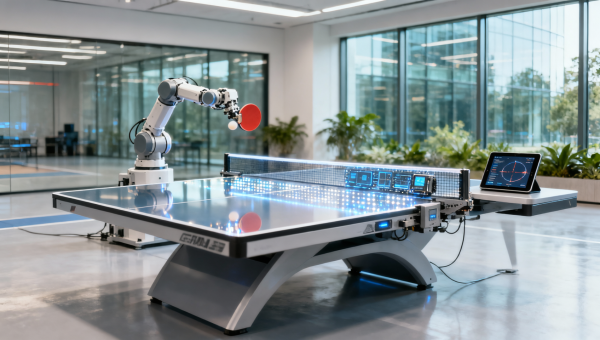
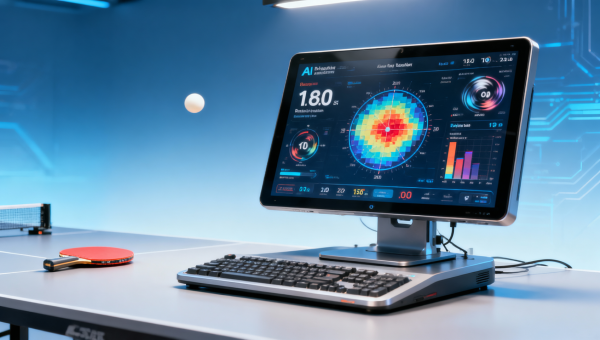
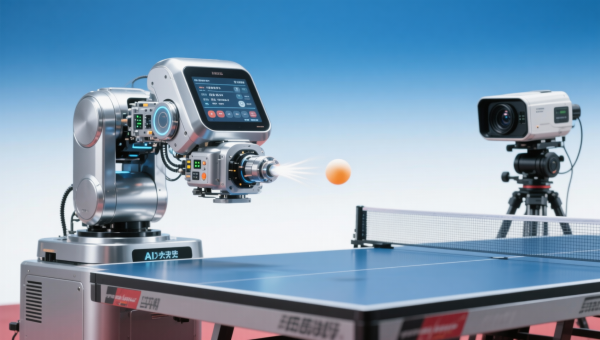
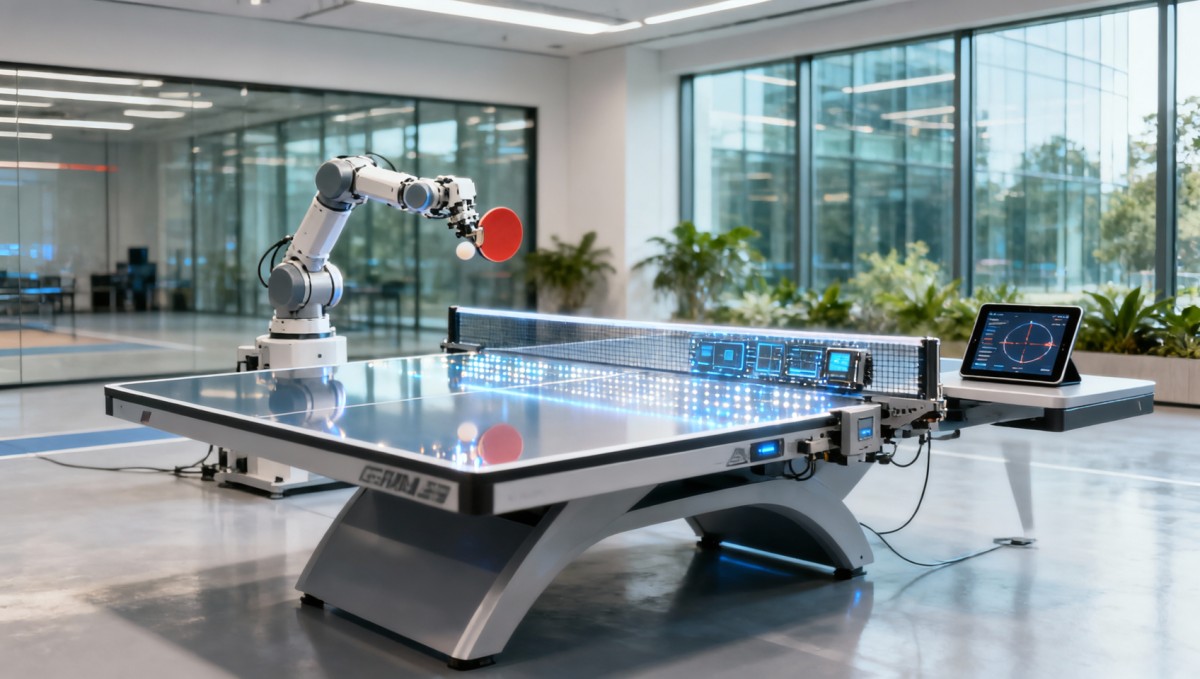
On April 20–22, 2026, Fan Zhendong traveled to Silicon Valley as a strategic investor of MLTT. During the visit, he engaged with multiple AI-driven sports technology firms. A demonstration of a domestically developed AI table tennis coaching system — featuring high-speed visual tracking, real-time motion correction, and multilingual feedback — received coverage from TechCrunch and other tech media. MLTT has issued technical compatibility test invitations to three Chinese manufacturers of intelligent table tennis tables, specifying support for MLTT API v2.1 and compliance with the NIST Cybersecurity Framework.
Industries Affected
Smart Sports Hardware Manufacturers
Chinese makers of intelligent table tennis tables are directly affected because MLTT’s compatibility invitation requires adherence to MLTT API v2.1 and NIST cybersecurity standards. This introduces new interoperability and certification requirements beyond domestic market specifications.
AI Coaching Platform Developers
Developers of AI-powered sports training software face implications for integration scope and localization strategy. The demonstrated multilingual feedback and real-time motion analysis capability suggest demand for modular, low-latency inference engines compatible with edge devices deployed on U.S. courts.
Sports Data Infrastructure Providers
Companies offering data pipelines, video analytics middleware, or standardized sports motion labeling services may see increased relevance if their tooling supports MLTT’s API schema or NIST-aligned data governance protocols — especially around video metadata tagging and secure sensor data ingestion.
Export & Certification Service Firms
Firms supporting international market entry — including API conformance testing, cybersecurity audit coordination, and U.S. regulatory liaison — now have a concrete use case: MLTT’s stated requirements provide an early benchmark for sports-tech export readiness in North America.
What Enterprises and Practitioners Should Monitor and Do Now
Track official MLTT technical documentation updates
MLTT API v2.1 and its associated conformance criteria are not yet publicly released. Companies should monitor MLTT’s developer portal and official announcements for specification drafts, deprecation timelines, and sandbox access windows — rather than relying on media summaries.
Assess current product architecture against NIST CSF Tier 1 baseline
The NIST Cybersecurity Framework is referenced broadly; however, MLTT’s requirement likely targets foundational controls (e.g., device identity management, encrypted telemetry, audit logging). Firms should map existing firmware and cloud service components to NIST CSF Core Functions (Identify, Protect, Detect, Respond, Recover) — focusing first on data-in-transit encryption and authenticated API endpoints.
Distinguish between pilot engagement and commercial rollout
The compatibility invitation is a technical evaluation step, not a procurement commitment. Analysis来看, this phase prioritizes architectural alignment over volume deployment. Companies should avoid scaling production or localizing UI before confirming whether MLTT intends to adopt specific vendors’ implementations in its 2027 season rollout.
Prepare for API-first integration workflows
MLTT’s emphasis on API v2.1 signals a shift toward standardized, service-oriented interoperability — moving beyond proprietary hardware ecosystems. Firms should review internal SDKs, webhook configurations, and third-party API gateway usage to ensure flexibility for rapid adaptation to evolving sports league integrations.
Editorial Perspective / Industry Observation
From industry angle, this event is best understood as a technical signaling milestone — not yet a market inflection point. Fan Zhendong’s role as investor lends visibility, but the substantive development is MLTT’s formalization of technical prerequisites for foreign hardware integration. Observation来看, it reflects a broader trend: U.S. professional leagues increasingly act as de facto standard setters for connected sports equipment, especially where domestic regulation remains fragmented. Current more appropriate interpretation is that this marks the beginning of structured technical due diligence — not immediate commercial opportunity. Continued attention is warranted as MLTT publishes API documentation and announces test results.
Conclusion: This visit underscores how professional sports leagues are evolving into technical gatekeepers for global smart sports hardware adoption. For industry participants, the immediate value lies not in sales projections, but in early awareness of interoperability expectations — particularly around API design and cybersecurity baselines. It is better understood as a procedural signal than a commercial trigger.
Source: Public statements by MLTT (April 2026), TechCrunch coverage (April 21, 2026), confirmed timeline and technical requirements per MLTT press release. Note: MLTT API v2.1 specification and NIST implementation guidance remain pending publication — ongoing observation recommended.
Search News
Hot Articles
- Indoor PlaygroundFan Zhendong Visits Silicon Valley as MLTT Investor, AI Ping-Pong Tech Draws AttentionApr 23, 2026
- Stage Lighting & Truss2026 FIBA Women's World Cup Draw Opens Export Window for Arena Lighting & Timing SystemsApr 23, 2026
- Pro Stage AudioChina Upgrades Security Compliance for International Sports EventsApr 23, 2026
Popular Tags
Need ExpertConsultation?
Connect with our specialized leisureengineering team for procurementstrategies.
Recommended News
 Apr 23, 2026Fan Zhendong Visits Silicon Valley as MLTT Investor, AI Ping-Pong Tech Draws AttentionAI ping-pong tech takes center stage as Fan Zhendong visits Silicon Valley as MLTT investor—key for smart sports hardware, AI coaching platforms & SaaS providers.● Theme Park Strategist
 Apr 23, 2026Vietnam Mandates Child Finger-Trap Sensors for Indoor Play EquipmentChild finger-trap sensors now mandatory for indoor play equipment in Vietnam—learn how QCVN 121:2026 impacts exporters, manufacturers & suppliers ahead of July 1, 2026 enforcement.● Theme Park Strategist
 Apr 22, 2026Vietnam Mandates Child Finger-Trap Sensors for Indoor Playground EquipmentVietnam mandates child finger-trap sensors for indoor playground equipment—comply with QCVN 128:2026 & TCVN 9350:2023 before Oct 2026!● Theme Park Strategist
 Apr 21, 2026Vietnam Mandates Child Finger-Trap Sensors for Indoor Play EquipmentVietnam mandates child finger-trap sensors for indoor play equipment—comply with TCVN 9507:2023 by July 1, 2026 to clear customs & protect kids.● Theme Park Strategist
 Apr 20, 2026NES Launches Sports Community Curator ProgramSports Community Curator program launched by NES — join global fitness studios, uni clubs & outdoor groups to co-create, test gear & grow with Chinese sports brands.● Theme Park Strategist
 Apr 17, 2026CPSC AI Safety Alert: 200ms Delay in Child Playground AI Systems = HazardCPSC AI Safety Alert: 200ms delay in child playground AI systems = hazard. Learn how latency compliance impacts Target/Walmart listings, testing, and supply chain.● Theme Park Strategist
 Apr 17, 20262026 Shanghai Sailing Open Adopts Domestic SeaChronos Pro Timing SystemSeaChronos Pro timing system debuts at 2026 Shanghai Sailing Open — ITU-certified, millisecond-accurate, wind- and tide-integrated. A game-changer for marine sports tech.● Theme Park Strategist
 Apr 16, 2026FDA Proposes New Labeling Rules for Sports Nutrition Supplements with Chinese LabelsFDA's new labeling rules for sports nutrition supplements with Chinese labels take effect April 2026—learn compliance must-dos for U.S. importers, manufacturers & brands.● Theme Park Strategist
 Apr 15, 2026Saudi SASO Updates Amusement Ride Standards: VR Devices Now Require Mandatory EMC TestingSaudi SASO's new 2026 standard mandates EMC testing for VR amusement rides, impacting exporters. Learn key compliance strategies for Saudi market access.● Theme Park Strategist
 Apr 14, 2026Japan Mandates Multilingual E-Manuals for Fitness Equipment from April 2026Japan mandates multilingual e-manuals for fitness equipment from April 2026. Learn how this impacts manufacturers & importers with JIS T 0601-1 compliance requirements. Stay ahead of the regulation!● Theme Park Strategist
 Apr 13, 2026WTT Taiyuan Adopts Chinese AI Table Tennis Analysis System with ITTF Export CertificationWTT Taiyuan adopts Chinese AI table tennis analysis system with ITTF export certification, enabling real-time ball speed & spin tracking. A game-changer for sports tech in emerging markets like Southeast Asia & Middle East.● Theme Park Strategist
 Apr 13, 2026First Female Snooker Player Achieves Multiple Century Breaks as Chinese Table Gains WPBSA CertificationChinese snooker player Bai Yulu makes history with multiple century breaks using WPBSA-certified 'Tournament Pro X7' table, marking a milestone for Chinese manufacturing in professional snooker equipment. Discover how this impacts global markets.● Theme Park Strategist
 Apr 13, 2026RCEP Zero Tariff on China's TPU Sports Protective Gear Boosts ASEAN TradeRCEP's zero-tariff policy on China's TPU sports protective gear boosts ASEAN trade, giving Chinese exporters cost advantages over Korean rivals. Learn how manufacturers and distributors can capitalize on this opportunity.● Theme Park Strategist
 Apr 10, 2026Japan's JIS T 9001:2026 Sports Flooring Anti-Slip Standard Mandatory from April 2026Japan's JIS T 9001:2026 standard mandates anti-slip sports flooring (SCOF ≥ 0.6) from April 2026. Chinese exporters must adapt to meet new requirements. Learn key compliance strategies.● Theme Park Strategist
 Apr 10, 2026Bai Yulu Makes History at Snooker World Championship, Sparks Surge in Women's Sports Equipment DemandBai Yulu makes history at Snooker World Championship with two century breaks, sparking 185% surge in women's sports equipment demand. Discover how manufacturers, e-commerce & supply chains can capitalize on this trend.● Theme Park Strategist
 Apr 10, 20262026 Badminton Asia Championships Quarterfinals Schedule Announced, Shi Yuqi to Compete; Southeast Asia Racket Orders Face 6-8 Week Delays2026 Badminton Asia Championships quarterfinals schedule revealed with Shi Yuqi competing, while Southeast Asia faces 6-8 week racket delays. Learn how supply chain issues impact manufacturers and get strategies to navigate equipment shortages.● Theme Park Strategist
 Apr 10, 2026WTT Taiyuan Challenge Sparks Smart Equipment Demand: Japan Buyers Scrutinize AI Training TechDiscover how the WTT Taiyuan Challenge boosts demand for AI training tech as Japanese buyers evaluate smart sports equipment. Learn key opportunities for manufacturers with JIS-certified solutions.● Theme Park Strategist
 Apr 10, 2026Chinese Snooker Players' Success Spurs Global Demand for Cue AccessoriesChinese snooker players' success drives 210% global demand surge for cue accessories. Explore how manufacturers & exporters can capitalize on this trend with UK, German & Australian markets leading inquiries.● Theme Park Strategist
 Apr 10, 2026EU Updates EN 16830:2026 Eyewear Safety Standard, Impacting China's Sports Goggle ExportsEU's updated EN 16830:2026 eyewear safety standard impacts China's sports goggle exports with stricter CE certification requirements. Learn how manufacturers and exporters can adapt to new impact resistance, UV400+, and blue light blocking standards before the September 2026 deadline.● Theme Park Strategist
 Apr 23, 2026What Makes a Good Sensory Playground?Discover what makes a good sensory playground with strong playground safety, playground borders, and playground climbers. Explore durable amusement equipment and music accessories for inclusive commercial spaces.● Theme Park Strategist
 Apr 23, 2026Best Playground Borders for Safer Play AreasPlayground borders improve playground safety, support sensory playground design, and pair with amusement equipment and playground climbers for durable, organized commercial play areas.● Theme Park Strategist
 Apr 23, 2026Are Playground Borders Worth the Cost?Playground borders improve playground safety, protect sensory playground layouts, and lower maintenance costs. Explore smart choices for amusement equipment and playground climbers.● Theme Park Strategist
 Apr 23, 2026What Playground Safety Complaints Usually Point to FirstPlayground safety complaints often first expose issues with playground borders, playground climbers, sensory playground surfacing, and amusement equipment planning. See what buyers should check.● Theme Park Strategist
 Apr 23, 2026Playground Safety Checks That Matter More Than CertificationsPlayground safety starts beyond certifications. Compare playground climbers, playground borders, sensory playground systems, and amusement equipment with practical checks that reduce risk and support smarter commercial projects.● Theme Park Strategist