CPSC AI Safety Alert: 200ms Delay in Child Playground AI Systems = Hazard
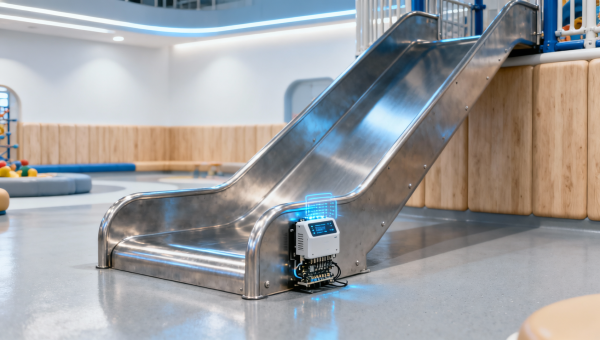
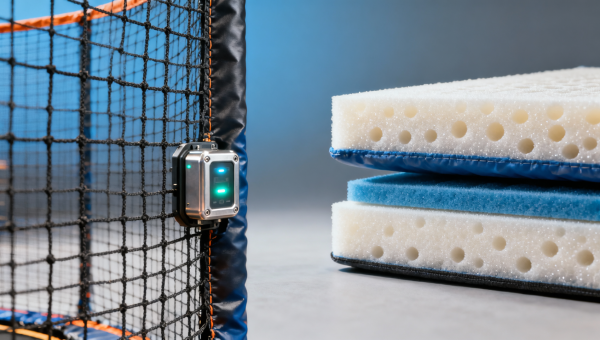
On April 16, 2026, the U.S. Consumer Product Safety Commission (CPSC) issued AI-Safety Alert No. 2026-04, identifying response latency exceeding 200 milliseconds in AI-powered collision/fall prevention systems for indoor playground equipment as a substantial product hazard. This development directly impacts manufacturers, importers, and major U.S. retail channel partners — particularly those supplying to Target and Walmart — whose new product approvals now require pre-submission verification of AI system latency performance.
Event Overview
On April 16, 2026, the U.S. Consumer Product Safety Commission (CPSC) published AI-Safety Alert No. 2026-04. The alert states that indoor playground equipment incorporating AI-based anti-collision or anti-fall detection systems may pose a substantial product hazard if the end-to-end recognition-to-braking response delay exceeds 200 milliseconds. While the alert is not a formal mandatory standard, it has been adopted by major U.S. retailers — including Target and Walmart — as a prerequisite for new product listing and vendor onboarding.
Industries Affected by Segment
Manufacturers of Indoor Playground Equipment
These companies are directly affected because their products must now demonstrate sub-200ms AI system latency to meet CPSC’s hazard threshold and retain shelf access at key U.S. retail channels. Impact includes potential redesign of sensor-fusion logic, real-time inference pipelines, and hardware-accelerated edge processing units — all without compromising cost or certification timelines.
Importers and Direct Trade Enterprises
Importers sourcing indoor playground equipment from overseas suppliers face increased technical due diligence requirements. Retailer pre-approval now hinges on verifiable latency test reports — not just safety certifications — meaning importers must obtain and validate time-domain performance documentation before shipment, adding lead time and compliance overhead.
Channel Distributors and Retail-Ready Packaging Providers
Distributors handling logistics, labeling, and retail-ready packaging must now accommodate updated technical disclosure requirements. Where previously only ASTM F1487 or EN 1176 compliance was required, distributors may now be asked to verify and document AI latency compliance status as part of vendor qualification packages submitted to Target or Walmart.
Embedded Systems and AI Module Suppliers
Suppliers providing vision processors, edge AI chips, or pre-trained behavioral models for motion prediction or proximity detection are seeing heightened scrutiny on real-time performance metrics. Their datasheets and validation reports — especially worst-case latency under low-light or occlusion conditions — are now subject to downstream audit by equipment integrators and retailers.
What Relevant Companies or Practitioners Should Focus On Now
Monitor CPSC’s upcoming guidance on testing methodology
The Alert references latency but does not specify test conditions (e.g., lighting, object size, motion velocity, or environmental noise). Current more suitable understanding is that CPSC may release supplemental guidance — likely in Q3 2026 — outlining standardized test protocols. Companies should track CPSC public dockets and subscribe to official alerts.
Review AI latency claims across current and near-term product portfolios
Analysis来看, many commercially deployed AI modules advertise ‘<100ms average latency’ — but do not disclose worst-case or percentile-based figures (e.g., P99 latency). Companies should internally retest existing systems using realistic indoor playground scenarios, not just lab benchmarks, to assess exposure risk.
Update vendor onboarding checklists with latency verification steps
From industry perspective, leading U.S. retailers have already embedded latency validation into their new-item introduction (NII) workflows. Importers and OEMs should revise internal checklists to include third-party latency test reports, firmware version logs, and hardware configuration manifests — not just safety certificates — before submitting to buyer portals.
Clarify contractual liability terms with AI component vendors
Observation shows that latency-related failure modes may fall outside traditional indemnity clauses. Companies integrating third-party AI modules should review supply agreements to determine whether latency compliance, real-time performance warranties, and recall cost allocation are explicitly addressed — especially where module-level certification does not cover full-system integration delays.
Editorial Perspective / Industry Observation
This Alert is better understood as a regulatory signal than an enforcement action — it establishes a clear hazard threshold without introducing new rulemaking. From industry angle, its significance lies less in immediate recalls and more in how quickly it reshapes commercial gatekeeping: within weeks of issuance, Target and Walmart converted it into a de facto technical barrier to market entry. That shift suggests CPSC’s AI-safety alerts are evolving into operational benchmarks for private-sector compliance — even absent statutory authority. Continued attention is warranted because similar latency thresholds may soon appear in other AI-augmented children’s products, such as ride-ons or interactive learning mats.
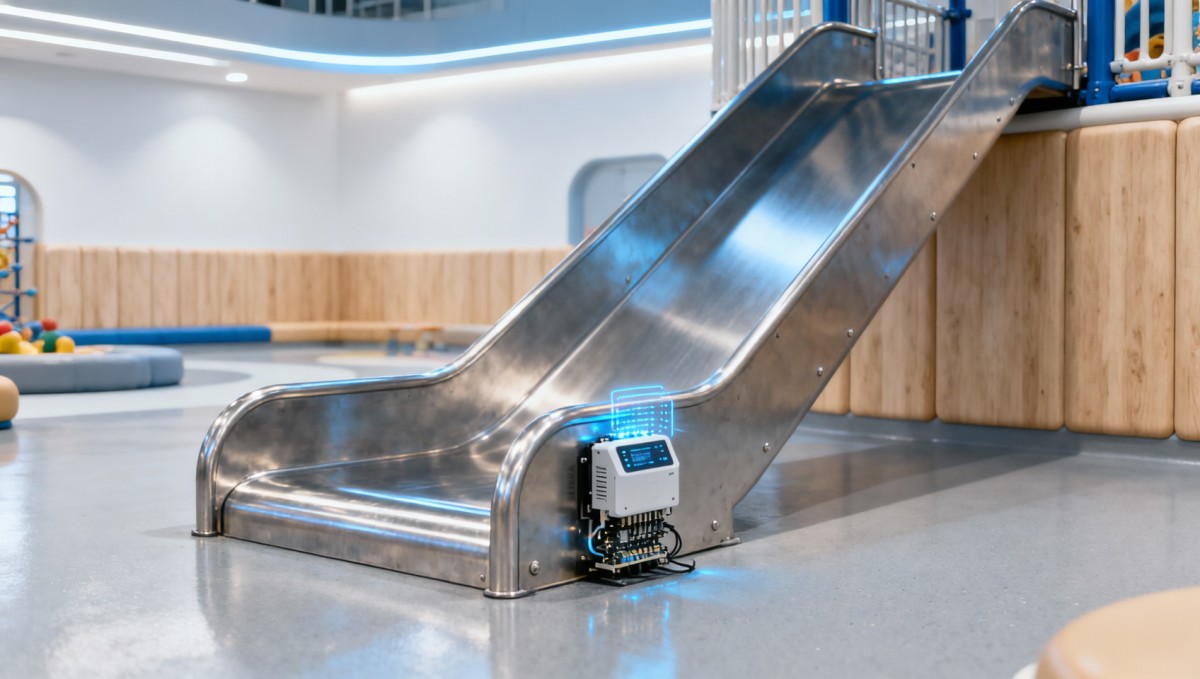
In summary, CPSC’s April 16, 2026 alert introduces a measurable, time-bound AI performance criterion — 200ms latency — that functions as both a safety benchmark and a commercial gatekeeper for indoor playground equipment. Its practical effect is not yet regulatory enforcement, but rather accelerated alignment between public safety expectations and private-sector procurement standards. For stakeholders, this is best interpreted not as a final rule, but as an early-stage calibration point in the broader integration of AI performance metrics into consumer product governance.
Source: U.S. Consumer Product Safety Commission (CPSC), AI-Safety Alert No. 2026-04, issued April 16, 2026.
Ongoing observation required: CPSC’s potential publication of standardized latency test procedures; updates to Target and Walmart vendor requirement documents (VRDs); any subsequent enforcement actions citing this Alert.
Search News
Hot Articles
Popular Tags
Need ExpertConsultation?
Connect with our specialized leisureengineering team for procurementstrategies.
Recommended News
 Apr 17, 2026CPSC AI Safety Alert: 200ms Delay in Child Playground AI Systems = HazardCPSC AI Safety Alert: 200ms delay in child playground AI systems = hazard. Learn how latency compliance impacts Target/Walmart listings, testing, and supply chain.● Theme Park Strategist
 Apr 17, 20262026 Shanghai Sailing Open Adopts Domestic SeaChronos Pro Timing SystemSeaChronos Pro timing system debuts at 2026 Shanghai Sailing Open — ITU-certified, millisecond-accurate, wind- and tide-integrated. A game-changer for marine sports tech.● Theme Park Strategist
 Apr 16, 2026FDA Proposes New Labeling Rules for Sports Nutrition Supplements with Chinese LabelsFDA's new labeling rules for sports nutrition supplements with Chinese labels take effect April 2026—learn compliance must-dos for U.S. importers, manufacturers & brands.● Theme Park Strategist
 Apr 15, 2026Saudi SASO Updates Amusement Ride Standards: VR Devices Now Require Mandatory EMC TestingSaudi SASO's new 2026 standard mandates EMC testing for VR amusement rides, impacting exporters. Learn key compliance strategies for Saudi market access.● Theme Park Strategist
 Apr 14, 2026Japan Mandates Multilingual E-Manuals for Fitness Equipment from April 2026Japan mandates multilingual e-manuals for fitness equipment from April 2026. Learn how this impacts manufacturers & importers with JIS T 0601-1 compliance requirements. Stay ahead of the regulation!● Theme Park Strategist
 Apr 13, 2026WTT Taiyuan Adopts Chinese AI Table Tennis Analysis System with ITTF Export CertificationWTT Taiyuan adopts Chinese AI table tennis analysis system with ITTF export certification, enabling real-time ball speed & spin tracking. A game-changer for sports tech in emerging markets like Southeast Asia & Middle East.● Theme Park Strategist
 Apr 13, 2026First Female Snooker Player Achieves Multiple Century Breaks as Chinese Table Gains WPBSA CertificationChinese snooker player Bai Yulu makes history with multiple century breaks using WPBSA-certified 'Tournament Pro X7' table, marking a milestone for Chinese manufacturing in professional snooker equipment. Discover how this impacts global markets.● Theme Park Strategist
 Apr 13, 2026RCEP Zero Tariff on China's TPU Sports Protective Gear Boosts ASEAN TradeRCEP's zero-tariff policy on China's TPU sports protective gear boosts ASEAN trade, giving Chinese exporters cost advantages over Korean rivals. Learn how manufacturers and distributors can capitalize on this opportunity.● Theme Park Strategist
 Apr 10, 2026Japan's JIS T 9001:2026 Sports Flooring Anti-Slip Standard Mandatory from April 2026Japan's JIS T 9001:2026 standard mandates anti-slip sports flooring (SCOF ≥ 0.6) from April 2026. Chinese exporters must adapt to meet new requirements. Learn key compliance strategies.● Theme Park Strategist
 Apr 10, 2026Bai Yulu Makes History at Snooker World Championship, Sparks Surge in Women's Sports Equipment DemandBai Yulu makes history at Snooker World Championship with two century breaks, sparking 185% surge in women's sports equipment demand. Discover how manufacturers, e-commerce & supply chains can capitalize on this trend.● Theme Park Strategist
 Apr 10, 20262026 Badminton Asia Championships Quarterfinals Schedule Announced, Shi Yuqi to Compete; Southeast Asia Racket Orders Face 6-8 Week Delays2026 Badminton Asia Championships quarterfinals schedule revealed with Shi Yuqi competing, while Southeast Asia faces 6-8 week racket delays. Learn how supply chain issues impact manufacturers and get strategies to navigate equipment shortages.● Theme Park Strategist
 Apr 10, 2026WTT Taiyuan Challenge Sparks Smart Equipment Demand: Japan Buyers Scrutinize AI Training TechDiscover how the WTT Taiyuan Challenge boosts demand for AI training tech as Japanese buyers evaluate smart sports equipment. Learn key opportunities for manufacturers with JIS-certified solutions.● Theme Park Strategist
 Apr 10, 2026Chinese Snooker Players' Success Spurs Global Demand for Cue AccessoriesChinese snooker players' success drives 210% global demand surge for cue accessories. Explore how manufacturers & exporters can capitalize on this trend with UK, German & Australian markets leading inquiries.● Theme Park Strategist
 Apr 10, 2026EU Updates EN 16830:2026 Eyewear Safety Standard, Impacting China's Sports Goggle ExportsEU's updated EN 16830:2026 eyewear safety standard impacts China's sports goggle exports with stricter CE certification requirements. Learn how manufacturers and exporters can adapt to new impact resistance, UV400+, and blue light blocking standards before the September 2026 deadline.● Theme Park Strategist
 Apr 17, 2026Indoor playground flooring: Rubber tiles vs poured-in-placeIndoor playground flooring guide: Compare rubber tiles vs poured-in-place for trampoline parks, adventure playgrounds & arcade games—safety, ROI & design insights.● Theme Park Strategist
 Apr 17, 2026Trampoline park safety standards: What’s changed in 2026?Trampoline park safety standards changed in 2026—ASTM F2970 & EN 13219 updates impact indoor playgrounds, adventure playgrounds, and arcade games. Get compliant sourcing insights now.● Theme Park Strategist
 Apr 17, 2026Sensory playgrounds: Are you overloading kids with too much stimulation?Explore sensory playgrounds, playground borders & safety solutions—balanced commercial furniture, music accessories & educational supplies for neuro-inclusive play.● Theme Park Strategist
 Apr 17, 2026Indoor playground flooring that fails under repeated sensory play cyclesCommercial furniture & sensory playground flooring that fails under repeated play? Discover why—plus safety-certified solutions for amusement equipment, hotel equipment, and educational supplies.● Theme Park Strategist
 Apr 16, 2026Indoor playground equipment anchoring failures: What inspection reports rarely catch pre-handoverIndoor playground equipment anchoring failures threaten luxury hotel furniture, designer eyewear zones & pro audio gear. Discover what inspections miss—and how OEM manufacturing & supply chain solutions ensure safety, precision & brand integrity.● Theme Park Strategist
 Apr 16, 2026Playground design for mixed-age zones: How layout oversights increase supervision loadOptimize playground design for luxury eyewear, jewelry & watch boutiques—reduce supervision load with certified indoor playground equipment, OEM manufacturing & custom fabrication solutions.● Theme Park Strategist
 Apr 16, 2026Indoor playground equipment certifications: Which ones are legally required vs. just marketing claimsIndoor playground equipment certifications demystified for luxury hotels, jewelry boutiques & optical retail—legally required vs. marketing claims. Get compliant, premium-grade OEM manufacturing & supply chain solutions.● Theme Park Strategist
 Apr 16, 2026Playground design mistakes that trigger costly retrofits after installationAvoid costly retrofits: Fix playground design mistakes in luxury hotels, jewelry boutiques & optical studios. Expert insights on indoor playground equipment, OEM manufacturing, supply chain solutions & designer eyewear integration.● Theme Park Strategist
 Apr 16, 2026Indoor playground equipment safety gaps most buyers miss during site handoverIndoor playground equipment safety gaps jeopardize luxury retail projects—discover critical ASTM/EN validation oversights in hotel furniture, designer eyewear & jewelry installations.● Theme Park Strategist
 Apr 15, 2026Indoor playground flooring that passes ASTM F1292 — and stays compliant after 3 yearsCommercial furniture & playground safety meet ASTM F1292 compliance—guaranteed for 3+ years. Trusted by hotels, schools & amusement equipment providers.● Theme Park Strategist