RCEP Zero Tariff on China's TPU Sports Protective Gear Boosts ASEAN Trade
Introduction
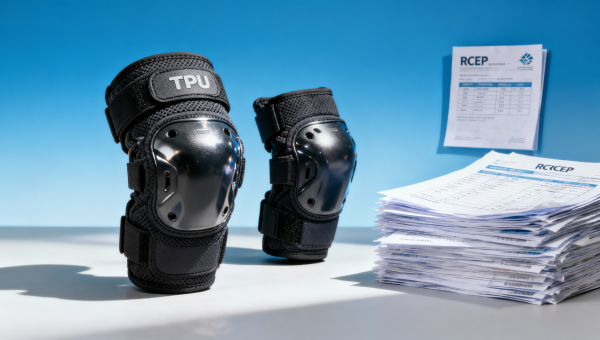
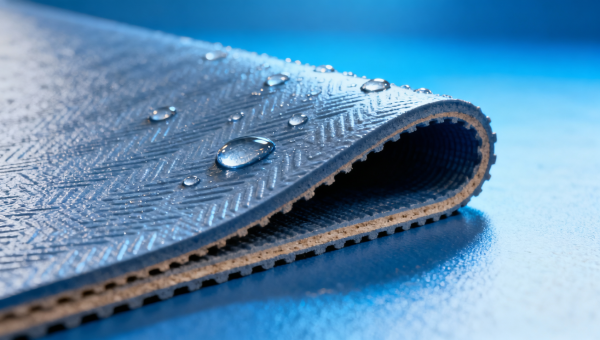
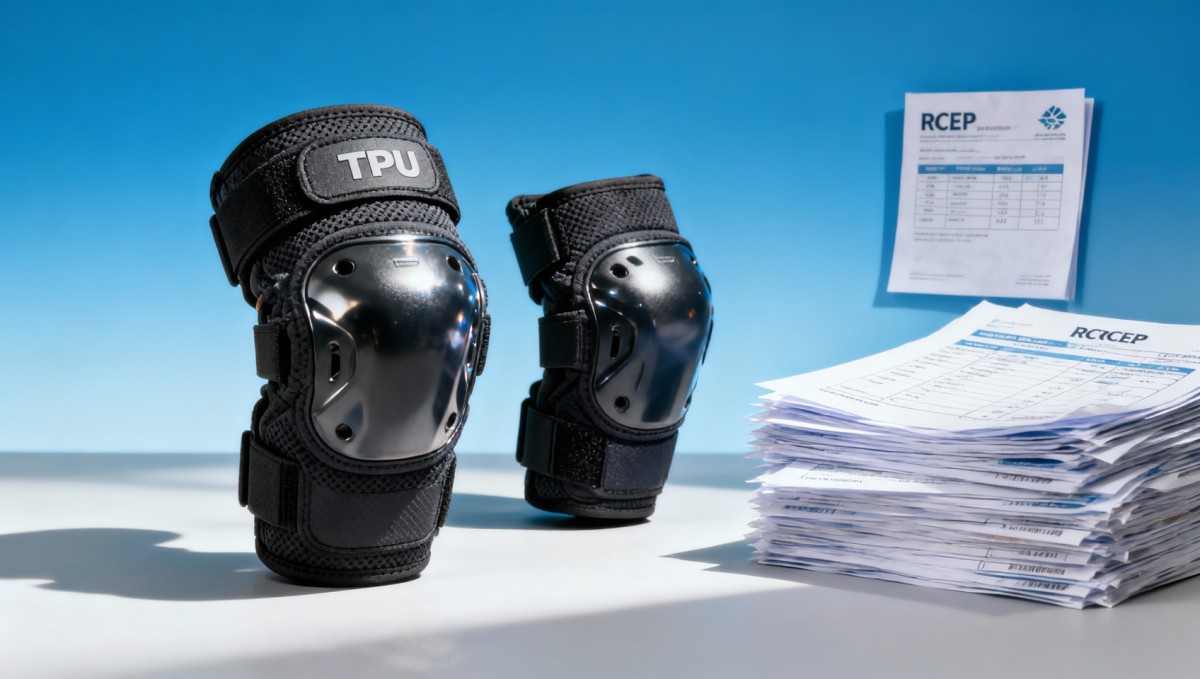
The RCEP Joint Committee announced on April 5, 2026, a new zero-tariff policy for TPU-based sports protective gear (e.g., knee pads, elbow supports) exported from China to ASEAN, effective April 10. This move directly benefits manufacturers, exporters, and supply chains in the sports equipment and polymer materials sectors, reducing annual costs by an estimated ¥120 million and reshaping regional competitiveness against Korean and Vietnamese producers.
Event Overview
Under the Third Round of Tariff Concessions Supplement, RCEP eliminated import duties for Chinese-made TPU sports protectors (HS Code 6307.90.90) across ASEAN. The adjustment aims to enhance trade flow and regional supply chain integration.
Impact on Key Industries
1. Export-Oriented Manufacturers
Chinese producers of TPU-based protective gear gain immediate cost advantages, with tariffs dropping from 5–10% to 0%. This strengthens price competitiveness against Korean rivals, who face 3–8% duties in ASEAN.
2. Polymer Material Suppliers
Demand for thermoplastic polyurethane (TPU) is expected to rise, particularly from sports gear makers seeking lightweight, durable alternatives to neoprene or EVA foam.
3. ASEAN Distributors & Retailers
Local importers may renegotiate contracts with Chinese suppliers, leveraging tariff savings to expand inventories or reduce retail prices.
Actionable Insights for Businesses
1. Verify Product Classification
Ensure exports strictly fall under HS 6307.90.90 to qualify. Misclassification could void tariff benefits.
2. Monitor ASEAN Market Shifts
Track demand spikes in Indonesia, Thailand, and Vietnam—markets where Korean brands previously dominated mid-range segments.
3. Adapt Pricing Strategies
Exporters should balance margin recovery (from tariff savings) with market share gains, avoiding abrupt price cuts that trigger anti-dumping probes.
Industry Observation
Analysis suggests this policy accelerates ASEAN’s shift toward Chinese-made technical sports gear. However, long-term gains depend on overcoming non-tariff barriers (e.g., local certifications) and maintaining quality consistency. The move signals RCEP’s evolving role in rebalancing Asia’s protective equipment supply chains.
Conclusion
While the tariff cut delivers immediate relief, sustained success requires Chinese firms to invest in ASEAN-centric product customization and compliance readiness. The policy is more than a cost-saving measure—it’s a strategic opportunity to redefine regional market leadership.
Source: RCEP Joint Committee Official Release (April 5, 2026). Pending updates: ASEAN member states’ local implementation guidelines.
Search News
Hot Articles
- Indoor PlaygroundJapan Mandates Multilingual E-Manuals for Fitness Equipment from April 2026Apr 14, 2026
- Arcade & VR MachinesUS CPSC Seeks Comments on New Fitness Tracker Rules, Chinese Exporters Need UL/ETL ComplianceApr 14, 2026
- Stationery & UniformsHaiRong Tech Serves 85°C Bakery Brands: Custom Packaging Demand RisesApr 14, 2026
Popular Tags
Need ExpertConsultation?
Connect with our specialized leisureengineering team for procurementstrategies.
Recommended News
 Apr 14, 2026Japan Mandates Multilingual E-Manuals for Fitness Equipment from April 2026Japan mandates multilingual e-manuals for fitness equipment from April 2026. Learn how this impacts manufacturers & importers with JIS T 0601-1 compliance requirements. Stay ahead of the regulation!● Theme Park Strategist
 Apr 13, 2026WTT Taiyuan Adopts Chinese AI Table Tennis Analysis System with ITTF Export CertificationWTT Taiyuan adopts Chinese AI table tennis analysis system with ITTF export certification, enabling real-time ball speed & spin tracking. A game-changer for sports tech in emerging markets like Southeast Asia & Middle East.● Theme Park Strategist
 Apr 13, 2026First Female Snooker Player Achieves Multiple Century Breaks as Chinese Table Gains WPBSA CertificationChinese snooker player Bai Yulu makes history with multiple century breaks using WPBSA-certified 'Tournament Pro X7' table, marking a milestone for Chinese manufacturing in professional snooker equipment. Discover how this impacts global markets.● Theme Park Strategist
 Apr 13, 2026RCEP Zero Tariff on China's TPU Sports Protective Gear Boosts ASEAN TradeRCEP's zero-tariff policy on China's TPU sports protective gear boosts ASEAN trade, giving Chinese exporters cost advantages over Korean rivals. Learn how manufacturers and distributors can capitalize on this opportunity.● Theme Park Strategist
 Apr 10, 2026Japan's JIS T 9001:2026 Sports Flooring Anti-Slip Standard Mandatory from April 2026Japan's JIS T 9001:2026 standard mandates anti-slip sports flooring (SCOF ≥ 0.6) from April 2026. Chinese exporters must adapt to meet new requirements. Learn key compliance strategies.● Theme Park Strategist
 Apr 10, 2026Bai Yulu Makes History at Snooker World Championship, Sparks Surge in Women's Sports Equipment DemandBai Yulu makes history at Snooker World Championship with two century breaks, sparking 185% surge in women's sports equipment demand. Discover how manufacturers, e-commerce & supply chains can capitalize on this trend.● Theme Park Strategist
 Apr 10, 20262026 Badminton Asia Championships Quarterfinals Schedule Announced, Shi Yuqi to Compete; Southeast Asia Racket Orders Face 6-8 Week Delays2026 Badminton Asia Championships quarterfinals schedule revealed with Shi Yuqi competing, while Southeast Asia faces 6-8 week racket delays. Learn how supply chain issues impact manufacturers and get strategies to navigate equipment shortages.● Theme Park Strategist
 Apr 10, 2026WTT Taiyuan Challenge Sparks Smart Equipment Demand: Japan Buyers Scrutinize AI Training TechDiscover how the WTT Taiyuan Challenge boosts demand for AI training tech as Japanese buyers evaluate smart sports equipment. Learn key opportunities for manufacturers with JIS-certified solutions.● Theme Park Strategist
 Apr 10, 2026Chinese Snooker Players' Success Spurs Global Demand for Cue AccessoriesChinese snooker players' success drives 210% global demand surge for cue accessories. Explore how manufacturers & exporters can capitalize on this trend with UK, German & Australian markets leading inquiries.● Theme Park Strategist
 Apr 10, 2026EU Updates EN 16830:2026 Eyewear Safety Standard, Impacting China's Sports Goggle ExportsEU's updated EN 16830:2026 eyewear safety standard impacts China's sports goggle exports with stricter CE certification requirements. Learn how manufacturers and exporters can adapt to new impact resistance, UV400+, and blue light blocking standards before the September 2026 deadline.● Theme Park Strategist
 Apr 13, 2026Trampoline park manufacturer certifications—what’s mandatory vs. what’s just a brochure highlightTrampoline park manufacturer certifications—separate mandatory safety standards (ASTM/EN) from strategic differentiators (ISO/TÜV) for commercial playground, outdoor play structures & hospitality projects.● Theme Park Strategist
 Apr 13, 2026Trampoline park manufacturer support after installation—what response windows are realistic?Trampoline park manufacturer support timelines revealed—realistic SLAs for emergency, critical & standard issues. Covers playground installation, hospitality furniture, outdoor play structures & more.● Theme Park Strategist
 Apr 13, 2026Playground design for multi-age zones: Why zone separation isn’t just about heightDiscover expert playground design for multi-age zones—beyond height. Premium indoor playground equipment, OEM manufacturing & supply chain solutions for hotels and resorts.● Theme Park Strategist
 Apr 13, 2026Supply chain solutions for seasonal venue rollouts: Timing the inventory wave rightOptimize seasonal venue rollouts with expert supply chain solutions for hotel furniture, indoor playground equipment, pro audio equipment, custom fabrication & more—timed right, compliant, and on budget.● Theme Park Strategist
") Apr 13, 2026Indoor playground equipment warranties: What ‘lifetime’ really covers (and what it doesn’t)Indoor playground equipment warranties decoded: What 'lifetime' really covers for hotels, FECs & resorts—plus OEM manufacturing, supply chain solutions, and custom fabrication insights.● Theme Park Strategist
Apr 13, 2026Indoor playground equipment warranties: What ‘lifetime’ really covers (and what it doesn’t)Indoor playground equipment warranties decoded: What 'lifetime' really covers for hotels, FECs & resorts—plus OEM manufacturing, supply chain solutions, and custom fabrication insights.● Theme Park Strategist Apr 14, 2026Playground design mistakes that trigger costly retrofits after installationAvoid costly retrofits in indoor playground equipment design—discover critical mistakes in playground design, OEM manufacturing, and supply chain solutions.● Theme Park Strategist
 Apr 14, 2026Custom fabrication for themed venues: Where design vision meets structural realityCustom fabrication for hotel furniture, indoor playground equipment & pro audio equipment—OEM manufacturing with supply chain solutions, playground design & recording studio gear expertise.● Theme Park Strategist
 Apr 14, 2026Indoor playground equipment that passes ASTM F1487—without inflating your budgetASTM F1487-certified indoor playground equipment—affordable, OEM-sourced, and seamlessly integrated with hotel furniture, pro audio equipment & supply chain solutions.● Theme Park Strategist
 Apr 14, 2026Trampoline park netting systems with certified UV resistance—what the label doesn’t sayTrampoline park netting systems for indoor playgrounds, adventure playgrounds & arcade games—UV resistance certified? Discover what labels hide. Expert insights for office supplies & commercial buyers.● Theme Park Strategist
 Apr 14, 2026Indoor playground flooring that meets IPEMA but still shifts under loadDiscover IPEMA-certified indoor playground flooring with controlled load deflection—ideal for trampoline parks, office supplies lounges, arcade games zones & adventure playgrounds.● Theme Park Strategist
 Apr 14, 2026Trampoline park safety gaps most operators overlookTrampoline park safety gaps impact indoor playgrounds, office supplies & adventure playground compliance—discover overlooked risks and certified solutions.● Theme Park Strategist
 Apr 14, 2026Why indoor playgrounds need ASTM-certified surfacing in 2026Indoor playgrounds, trampoline parks & adventure playgrounds must use ASTM-certified surfacing in 2026—critical for office supplies, arcade games, and percussion instruments too. Ensure safety, compliance & trust.● Theme Park Strategist
 Apr 12, 2026Inclusive playgrounds that get excluded from bids—why accessibility specs don’t guarantee inclusionInclusive playground design goes beyond compliance—discover how outdoor playgrounds, custom furniture, soundproofing materials & sensory-rich structures drive true accessibility.● Theme Park Strategist
 Apr 08, 2026Snooker World Championship Qualifiers: 6 Chinese Players Advance, Boosting Demand for Chinese Cue Sports Equipment6 Chinese players advance in Snooker World Championship qualifiers, boosting global demand for Chinese-made carbon fiber cues & eco-friendly billiard equipment. Explore export opportunities now.● Theme Park Strategist