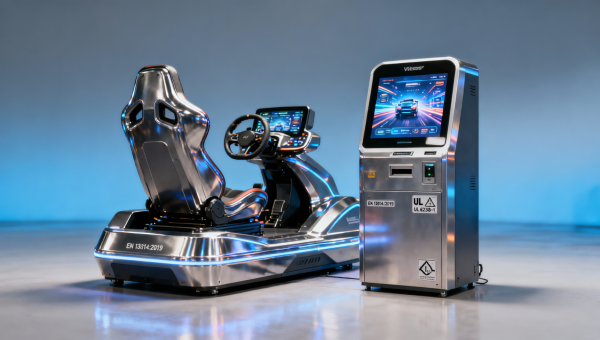
2026 Chinese Youth League Upgrades Format with VR Training Pods
Introduction
On April 9, 2026, China's Youth Football Super League ("Su Chao") announced a major upgrade to its competition format, introducing a single-round robin regular season followed by home-and-away knockout matches. Notably, all U19 teams are now required to equip VR tactical training pods. This development has significantly boosted export orders for domestic VR equipment manufacturers, with Q2 exports surging by 210% quarter-on-quarter. The sports technology and youth football training sectors should pay close attention to this shift, as it reflects growing integration of advanced technology in athlete development programs.
Event Overview
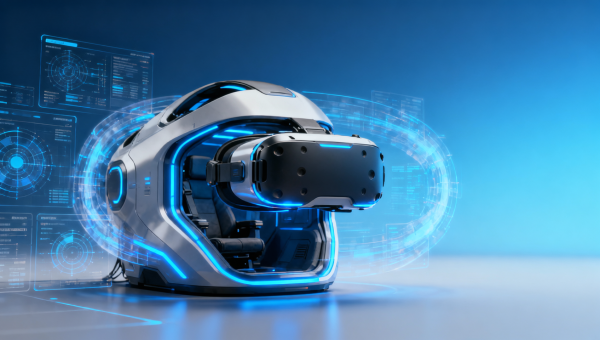
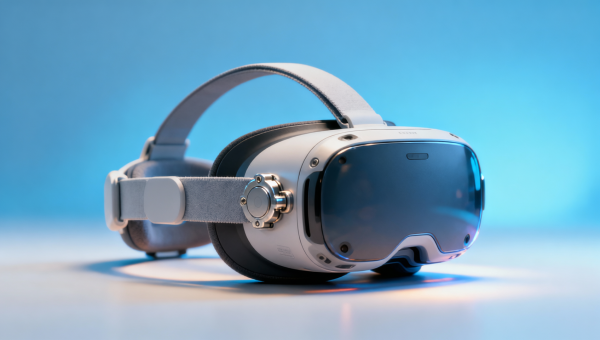
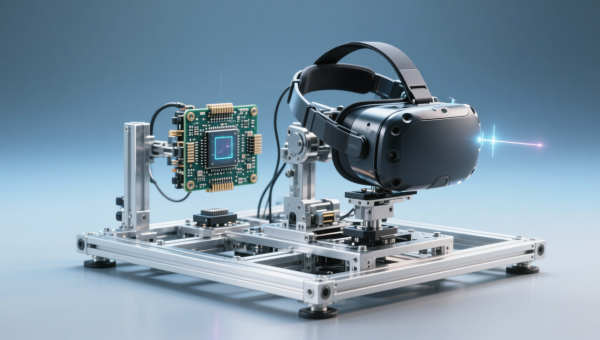
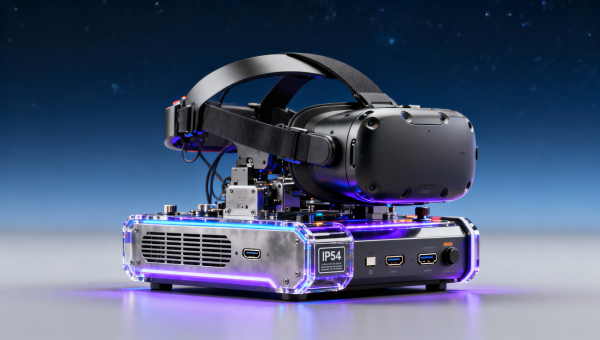
The 2026 season of China's Youth Football Super League has implemented two key changes: 1) A new competition format combining single-round robin regular season with home-and-away knockout matches; 2) Mandatory installation of VR tactical training pods for all U19 teams. Currently, 12 clubs have purchased domestically-produced VR pods that meet FIFA Quality Pro standards, with prices 38% lower than imported equivalents and delivery times reduced to just 14 days.
Impact on Related Industries
Sports Technology Manufacturers
Chinese VR equipment producers in Jiangsu and Guangdong are experiencing unprecedented demand, with export orders increasing by 210% in Q2. The FIFA Quality Pro certification gives these manufacturers a competitive edge in international markets.
Youth Football Development
The mandatory adoption of VR training technology signals a paradigm shift in player development methodologies, potentially raising the technical level of young Chinese players through more efficient tactical training.
Sports Equipment Supply Chain
The compressed 14-day delivery timeline indicates optimized production processes, suggesting opportunities for component suppliers and logistics providers to align with this accelerated cycle.
Key Considerations for Stakeholders
Monitor Certification Standards
With FIFA Quality Pro becoming a de facto requirement, manufacturers should prioritize obtaining this certification to remain competitive.
Evaluate Supply Chain Capacity
The rapid delivery expectations may require suppliers to reassess inventory management and production scheduling.
Track Technology Adoption Patterns
Observe how different clubs implement VR training to identify best practices and potential product improvements.
Assess International Market Potential
The export surge suggests growing global demand for cost-effective sports training solutions.
Industry Perspective
From an industry viewpoint, this development represents more than just a procurement spike. It signals China's growing capability to produce high-end sports technology that meets international standards. The rapid adoption also demonstrates how policy mandates can effectively drive technology implementation in sports training. However, the long-term impact on player development remains to be seen, making continued monitoring essential.
Conclusion
This policy change marks a significant step in modernizing China's youth football training infrastructure while simultaneously boosting the domestic sports technology sector. The immediate export growth indicates strong international market potential for Chinese-made VR training solutions. Stakeholders should view this as both a validation of current capabilities and an opportunity to further develop sports technology applications.
Source Information
Primary source: Official announcement from China's Youth Football Super League (April 9, 2026). Ongoing monitoring required for: long-term effects on player development, sustained export performance, and potential expansion to other age groups.
Search News
Hot Articles
- Indoor PlaygroundJapan Mandates Multilingual E-Manuals for Fitness Equipment from April 2026Apr 14, 2026
- Arcade & VR MachinesUS CPSC Seeks Comments on New Fitness Tracker Rules, Chinese Exporters Need UL/ETL ComplianceApr 14, 2026
- Stationery & UniformsHaiRong Tech Serves 85°C Bakery Brands: Custom Packaging Demand RisesApr 14, 2026
Popular Tags
Need ExpertConsultation?
Connect with our specialized leisureengineering team for procurementstrategies.
Recommended News
 Apr 14, 2026US CPSC Seeks Comments on New Fitness Tracker Rules, Chinese Exporters Need UL/ETL ComplianceUS CPSC proposes new UL/ETL compliance rules for fitness trackers, impacting Chinese exporters. Learn key action points and industry impacts to stay ahead of regulatory changes affecting wearable tech exports to America.● Theme Park Strategist
 Apr 13, 20262026 Chinese Youth League Upgrades Format with VR Training PodsDiscover how China's 2026 Youth League VR training pods revolutionize football development, boosting exports by 210%. Learn about FIFA-certified tech transforming player training.● Theme Park Strategist
 Apr 09, 2026US CPSC Proposes New VR Safety Standards for Children's Indoor Play EquipmentUS CPSC proposes new VR safety standards for children's indoor play equipment, including dizziness testing and age grading. Learn how these regulations impact VR manufacturers and get compliance strategies.● Theme Park Strategist
 Apr 14, 2026Arcade game cabinets with field-replaceable PCBs—cutting downtime by 70%Arcade games with field-replaceable PCBs cut downtime by 70%—ideal for office supplies, indoor playgrounds, trampoline parks & adventure playgrounds. Reliable, upgradable, certified.● Theme Park Strategist
 Apr 14, 2026Arcade games with the lowest long-term maintenance costArcade games offer the lowest long-term maintenance cost vs. trampoline parks, indoor playgrounds, adventure playgrounds & office supplies—discover TCO-optimized, certified solutions.● Theme Park Strategist
 Apr 08, 2026Middle East Tensions Raise Shipping Costs for Sports EquipmentMiddle East tensions spike shipping costs by 12% for sports equipment like smart fitness gear & e-scooters. Learn how exporters can navigate rising air freight fees & supply chain disruptions.● Theme Park Strategist
 Apr 08, 2026EU Updates EN 16830:2026 Eyewear Safety Standards, Chinese Sports Goggles Exporters Face 6-Month Certification DeadlineEU's EN 16830:2026 update raises safety standards for sports goggles, giving Chinese exporters just 6 months to comply with new impact resistance and UV protection rules. Learn critical deadlines and action steps for EU market access.● Theme Park Strategist
: Mandatory Bilingual Manuals & QR Code Traceability Take Effect April 15") Apr 01, 2026Vietnam's New Technical Standards for Imported Amusement Equipment (2026): Mandatory Bilingual Manuals & QR Code Traceability Take Effect April 15Vietnam's new 2026 standards mandate bilingual manuals & QR codes for imported amusement equipment. Chinese exporters must comply by April 15 to avoid customs issues. Learn key impacts & action steps.● Theme Park Strategist
Apr 01, 2026Vietnam's New Technical Standards for Imported Amusement Equipment (2026): Mandatory Bilingual Manuals & QR Code Traceability Take Effect April 15Vietnam's new 2026 standards mandate bilingual manuals & QR codes for imported amusement equipment. Chinese exporters must comply by April 15 to avoid customs issues. Learn key impacts & action steps.● Theme Park Strategist Apr 04, 2026Arcade & VR Machines Installers Now Source Cables and Mounts from Office Supplies WholesalersOffice supplies wholesaler? Discover UL-certified cables, mounts & trampoline park accessories — engineered for VR arcades, fast B2B delivery & global compliance.● Theme Park Strategist
 Mar 30, 2026Arcade & VR machines with ‘plug-and-play’ labeling—then the network handshake failsCommercial sourcing of arcade & VR machines? Avoid network handshake failures—ensure playground compliance, amusement ride parts interoperability, and hotel bar furniture integration.● Theme Park Strategist
 Mar 28, 2026Arcade game cabinets that don’t age gracefully—and why it matters for foot trafficArcade games, trampoline park anchors & luxury accessories demand durable hardware—discover why cabinet longevity drives foot traffic, ROI, and brand trust.● Theme Park Strategist
 Mar 28, 2026Arcade games with built-in loyalty systems: convenience or hidden maintenance drag?Arcade games with built-in loyalty systems: boost repeat visits in trampoline parks, luxury furniture venues & more—but weigh real maintenance costs first.● Theme Park Strategist
 Mar 28, 2026Golden Horse Amusement Equipment Sees Surge in Overseas VR Ride Orders: Industry ImplicationsGolden Horse Amusement Equipment reports 142% surge in overseas VR ride orders, transforming theme park markets in Southeast Asia and the Middle East with space-efficient, content-upgradable solutions.● Theme Park Strategist
 Mar 27, 2026Can supply chain solutions support just-in-time delivery for arcade & VR machine parts without increasing defect rates?Supply chain solutions for arcade & VR machines—backed by ODM services, OEM manufacturing, and commercial procurement expertise—enable true JIT delivery without raising defect rates.● Theme Park Strategist
 Mar 27, 2026What ODM services actually include when developing custom arcade & VR machines for global distributorsDiscover end-to-end ODM services for arcade & VR machines — supply chain solutions, commercial procurement, amusement park equipment, and more. Source with confidence.● Theme Park Strategist
 Mar 19, 2026Can Soundproofing Materials Be Integrated Into Existing Arcade & VR Machine Zones?Integrate soundproofing materials into arcade & VR zones for adventure playgrounds, trampoline parks, and theme park rides—boost playground safety, indoor/outdoor playground acoustics, and hospitality furniture compliance.● Theme Park Strategist
 Mar 19, 2026Arcade & VR Machines Procurement: Why Warranty Coverage Must Include On-Site Technician Response SLAsCommercial sourcing of arcade & VR machines demands on-site SLAs—like hotel equipment and premium accessories—ensuring uptime, ROI, and guest trust. Get expert warranty benchmarking now.● Theme Park Strategist