US CPSC Seeks Comments on New Fitness Tracker Rules, Chinese Exporters Need UL/ETL Compliance
US CPSC Seeks Comments on New Fitness Tracker Rules, Chinese Exporters Need UL/ETL Compliance
Introduction
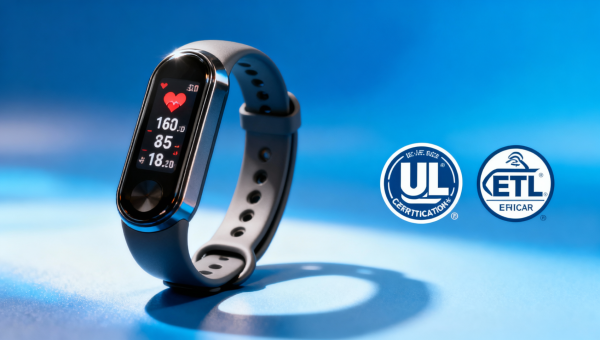
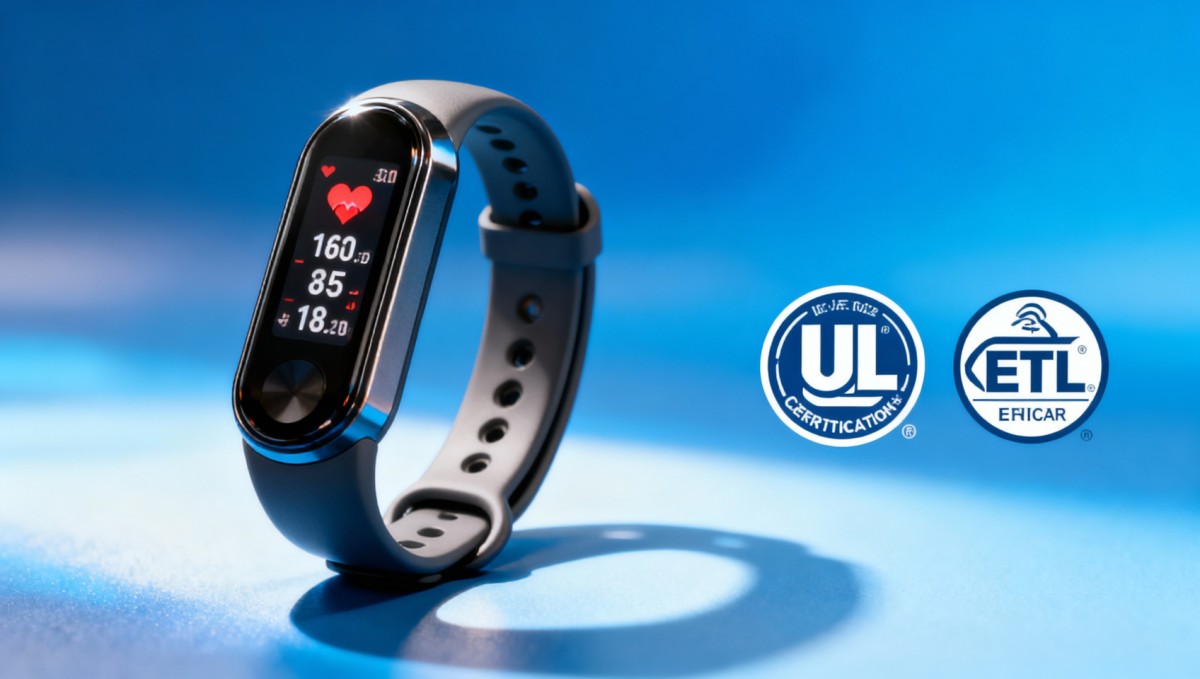
The U.S. Consumer Product Safety Commission (CPSC) released a draft of the Fitness Tracker Safety Framework on April 9, 2026, proposing mandatory UL/ETL electrical safety compliance declarations for fitness trackers with heart rate monitoring, fall detection, and similar features. This regulation could impact over 80% of China's mid-to-low-end wearable exports to the U.S., requiring importers to secure third-party compliance documentation from suppliers. The fitness wearable and smart device industries should closely monitor developments, as this could reshape supply chain requirements and market access.
Event Overview
On April 9, 2026, the CPSC published the Fitness Tracker Safety Framework draft, initiating a public comment period. The proposal mandates that fitness trackers with electrical components (e.g., heart rate sensors, GPS modules) must provide UL or ETL compliance statements. This applies to devices sold in the U.S. market, regardless of manufacturing origin. The draft explicitly references wearables with health-monitoring capabilities as priority categories.
Impact on Sub-Industries
Direct Exporters
Chinese manufacturers of budget and mid-range fitness trackers face the most immediate disruption. Analysis suggests 60-70% of such products currently lack UL/ETL certification. The cost of compliance testing (estimated at $3,000-$8,000 per model) may force consolidation among smaller suppliers.
Supply Chain Services
Testing labs and certification consultancies in Shenzhen and Dongguan report surging inquiries about accelerated UL/ETL processes. From an industry perspective, this creates bottlenecks, as lead times for certifications could extend to 10-12 weeks during peak demand.
U.S. Importers
American distributors must revise procurement contracts to include compliance clauses. Current data shows only 20% of standard purchase agreements explicitly address electrical safety documentation.
Key Action Points
Monitor Regulatory Timeline
The comment period closes August 15, 2026. Companies should track revisions to exemption clauses—particularly for devices under $25 wholesale price.
Audit Product Portfolios
Prioritize certification for best-selling models (typically 3-5 SKUs generating 80% of revenue). Secondary products may require cost-benefit analysis.
Preempt Supply Chain Delays
Book testing slots with TÜV Rheinland or Intertek now, even before final rules publish. Early movers secure preferential pricing.
Update Contract Templates
Add compliance milestones to supplier agreements, with penalties for missed deadlines. Sample language is emerging from trade associations like the CCIA.
Industry Observation
This signals CPSC's expanding oversight of consumer IoT devices. While framed as safety measures, the rules effectively raise market entry barriers. Observers note the timing coincides with U.S. domestic wearable production capacity reaching 18% market share. Most immediately, this accelerates the shift toward premium-tier Chinese exporters who already meet EU CE standards.
Conclusion
The draft framework represents a procedural step rather than final policy, but preparation is urgent given typical 12-18 month CPSC implementation windows. Companies should treat this as a compliance roadmap preview, not an immediate mandate. The smartest play is parallel preparation—achieving baseline certifications while lobbying through industry groups for modified thresholds.
Sources
- CPSC Docket No. 2026-FTN-0042 (Fitness Tracker Safety Framework)
- CCIA 2026 Q1 Wearables Export Report (Pending final release)
- UL Solutions Whitepaper on IoT Certification (March 2026)
Note: Final rule language expected Q1 2027. Export volume projections require verification after comment period closes.
Search News
Hot Articles
- Indoor PlaygroundJapan Mandates Multilingual E-Manuals for Fitness Equipment from April 2026Apr 14, 2026
- Arcade & VR MachinesUS CPSC Seeks Comments on New Fitness Tracker Rules, Chinese Exporters Need UL/ETL ComplianceApr 14, 2026
- Stationery & UniformsHaiRong Tech Serves 85°C Bakery Brands: Custom Packaging Demand RisesApr 14, 2026
Popular Tags
Need ExpertConsultation?
Connect with our specialized leisureengineering team for procurementstrategies.
Recommended News
 Apr 14, 2026US CPSC Seeks Comments on New Fitness Tracker Rules, Chinese Exporters Need UL/ETL ComplianceUS CPSC proposes new UL/ETL compliance rules for fitness trackers, impacting Chinese exporters. Learn key action points and industry impacts to stay ahead of regulatory changes affecting wearable tech exports to America.● Theme Park Strategist
 Apr 13, 20262026 Chinese Youth League Upgrades Format with VR Training PodsDiscover how China's 2026 Youth League VR training pods revolutionize football development, boosting exports by 210%. Learn about FIFA-certified tech transforming player training.● Theme Park Strategist
 Apr 09, 2026US CPSC Proposes New VR Safety Standards for Children's Indoor Play EquipmentUS CPSC proposes new VR safety standards for children's indoor play equipment, including dizziness testing and age grading. Learn how these regulations impact VR manufacturers and get compliance strategies.● Theme Park Strategist
 Apr 14, 2026Arcade game cabinets with field-replaceable PCBs—cutting downtime by 70%Arcade games with field-replaceable PCBs cut downtime by 70%—ideal for office supplies, indoor playgrounds, trampoline parks & adventure playgrounds. Reliable, upgradable, certified.● Theme Park Strategist
 Apr 14, 2026Arcade games with the lowest long-term maintenance costArcade games offer the lowest long-term maintenance cost vs. trampoline parks, indoor playgrounds, adventure playgrounds & office supplies—discover TCO-optimized, certified solutions.● Theme Park Strategist
 Apr 08, 2026Middle East Tensions Raise Shipping Costs for Sports EquipmentMiddle East tensions spike shipping costs by 12% for sports equipment like smart fitness gear & e-scooters. Learn how exporters can navigate rising air freight fees & supply chain disruptions.● Theme Park Strategist
 Apr 08, 2026EU Updates EN 16830:2026 Eyewear Safety Standards, Chinese Sports Goggles Exporters Face 6-Month Certification DeadlineEU's EN 16830:2026 update raises safety standards for sports goggles, giving Chinese exporters just 6 months to comply with new impact resistance and UV protection rules. Learn critical deadlines and action steps for EU market access.● Theme Park Strategist
: Mandatory Bilingual Manuals & QR Code Traceability Take Effect April 15") Apr 01, 2026Vietnam's New Technical Standards for Imported Amusement Equipment (2026): Mandatory Bilingual Manuals & QR Code Traceability Take Effect April 15Vietnam's new 2026 standards mandate bilingual manuals & QR codes for imported amusement equipment. Chinese exporters must comply by April 15 to avoid customs issues. Learn key impacts & action steps.● Theme Park Strategist
Apr 01, 2026Vietnam's New Technical Standards for Imported Amusement Equipment (2026): Mandatory Bilingual Manuals & QR Code Traceability Take Effect April 15Vietnam's new 2026 standards mandate bilingual manuals & QR codes for imported amusement equipment. Chinese exporters must comply by April 15 to avoid customs issues. Learn key impacts & action steps.● Theme Park Strategist Apr 04, 2026Arcade & VR Machines Installers Now Source Cables and Mounts from Office Supplies WholesalersOffice supplies wholesaler? Discover UL-certified cables, mounts & trampoline park accessories — engineered for VR arcades, fast B2B delivery & global compliance.● Theme Park Strategist
 Mar 30, 2026Arcade & VR machines with ‘plug-and-play’ labeling—then the network handshake failsCommercial sourcing of arcade & VR machines? Avoid network handshake failures—ensure playground compliance, amusement ride parts interoperability, and hotel bar furniture integration.● Theme Park Strategist
 Mar 28, 2026Arcade game cabinets that don’t age gracefully—and why it matters for foot trafficArcade games, trampoline park anchors & luxury accessories demand durable hardware—discover why cabinet longevity drives foot traffic, ROI, and brand trust.● Theme Park Strategist
 Mar 28, 2026Arcade games with built-in loyalty systems: convenience or hidden maintenance drag?Arcade games with built-in loyalty systems: boost repeat visits in trampoline parks, luxury furniture venues & more—but weigh real maintenance costs first.● Theme Park Strategist
 Mar 28, 2026Golden Horse Amusement Equipment Sees Surge in Overseas VR Ride Orders: Industry ImplicationsGolden Horse Amusement Equipment reports 142% surge in overseas VR ride orders, transforming theme park markets in Southeast Asia and the Middle East with space-efficient, content-upgradable solutions.● Theme Park Strategist
 Mar 27, 2026Can supply chain solutions support just-in-time delivery for arcade & VR machine parts without increasing defect rates?Supply chain solutions for arcade & VR machines—backed by ODM services, OEM manufacturing, and commercial procurement expertise—enable true JIT delivery without raising defect rates.● Theme Park Strategist
 Mar 27, 2026What ODM services actually include when developing custom arcade & VR machines for global distributorsDiscover end-to-end ODM services for arcade & VR machines — supply chain solutions, commercial procurement, amusement park equipment, and more. Source with confidence.● Theme Park Strategist
 Mar 19, 2026Can Soundproofing Materials Be Integrated Into Existing Arcade & VR Machine Zones?Integrate soundproofing materials into arcade & VR zones for adventure playgrounds, trampoline parks, and theme park rides—boost playground safety, indoor/outdoor playground acoustics, and hospitality furniture compliance.● Theme Park Strategist
 Mar 19, 2026Arcade & VR Machines Procurement: Why Warranty Coverage Must Include On-Site Technician Response SLAsCommercial sourcing of arcade & VR machines demands on-site SLAs—like hotel equipment and premium accessories—ensuring uptime, ROI, and guest trust. Get expert warranty benchmarking now.● Theme Park Strategist