What Makes a Good Sensory Playground?
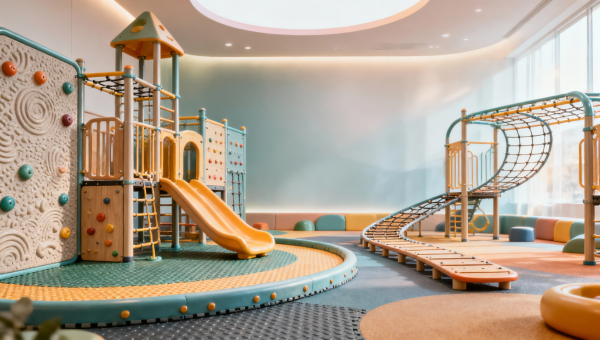
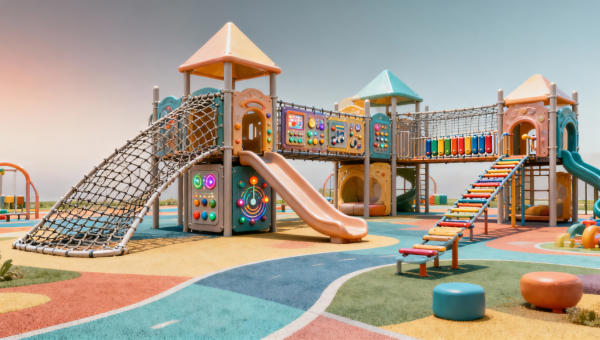
A good sensory playground is not simply a colorful play area with extra textures. For commercial buyers, it is a carefully planned environment that combines inclusive design, meaningful sensory stimulation, durable materials, and dependable playground safety. The best projects help children regulate, explore, and interact while also meeting operational goals such as long service life, easy maintenance, and suitability for schools, resorts, community spaces, and family-oriented venues.
This matters because buyers comparing amusement equipment, playground climbers, and playground borders are often not just asking what looks appealing. They are asking what delivers developmental value, broad user appeal, compliance confidence, and a sound return on investment. In practice, a good sensory playground succeeds when it supports different ages and abilities, creates multiple ways to engage through touch, sound, movement, and visual cues, and remains practical for high-traffic commercial settings.
What do buyers really mean when they ask what makes a good sensory playground?
In most B2B purchasing contexts, this question is really about performance. Decision-makers want to know whether a sensory playground will be safe, inclusive, durable, commercially relevant, and worth the capital investment.
A strong answer usually includes five essentials:
- Inclusive access: children with different physical, sensory, and cognitive needs can participate in meaningful ways
- Balanced sensory input: the space offers stimulation without becoming overwhelming
- Developmental play value: equipment encourages exploration, motor skills, social interaction, and self-regulation
- Safety and compliance: surfacing, spacing, borders, and equipment selection align with recognized safety expectations
- Commercial practicality: the layout is durable, maintainable, and appropriate for the venue’s audience and traffic level
If one of these elements is missing, the playground may still look attractive, but it will not perform as a truly good sensory environment.
Which design features create real sensory value instead of just visual appeal?
The most effective sensory playgrounds engage multiple senses with purpose. This is where many projects succeed or fail. It is easy to install bright equipment and call it sensory design. It is harder, and more valuable, to create varied experiences that help children choose the level and type of stimulation they need.
Useful sensory features often include:
- Tactile variety: textured panels, molded surfaces, ropes, sand play, smooth and rough finishes, and sensory paths
- Auditory play: chimes, drums, talk tubes, and sound-making interactive panels that are engaging but not excessively loud
- Movement-based input: swings, spinners, balance elements, low ramps, and playground climbers that support vestibular and proprioceptive development
- Visual guidance: color contrast, simple wayfinding, shaded zones, and clear transitions between active and calm areas
- Retreat spaces: quiet corners, seating nooks, and lower-stimulation zones for children who need to pause and regulate
For buyers, the key is variety with structure. A playground that only provides high-energy movement may exclude children who need calmer engagement. A playground that only offers static panels may not deliver enough play value. The strongest designs provide choices.
How important is inclusive design in a sensory playground?
Inclusive design is central, not optional. In educational, hospitality, and public-facing commercial environments, a sensory playground should support use by a wider range of children rather than creating a separate experience for only one user group.
That means considering access at several levels:
- Physical access: pathways, ramps, transfer points, and surfacing should allow more users to reach key features
- Sensory access: activities should include different forms of input so children can engage according to their needs
- Social access: group play elements, side-by-side features, and cooperative activities help children interact rather than play in isolation
- Cognitive clarity: intuitive layouts and easy-to-understand play sequences reduce confusion and support independent use
For procurement teams and business evaluators, inclusive design also has strategic value. It broadens user appeal, supports institutional standards, strengthens the project’s reputation, and may better align with school, municipal, or family hospitality requirements. In short, inclusion is not just an ethical consideration; it is also a market advantage.
What safety factors should never be overlooked?
Playground safety is often the first filter in commercial evaluation, and rightly so. A good sensory playground must create rich experiences without introducing unnecessary risk. Buyers should review not only the equipment itself but also the entire play environment.
Critical safety considerations include:
- Age-appropriate zoning: activities should match the developmental abilities of intended users
- Impact-attenuating surfacing: surfacing should support fall protection requirements appropriate to the equipment used
- Equipment spacing: active movement zones need enough clearance to reduce collisions
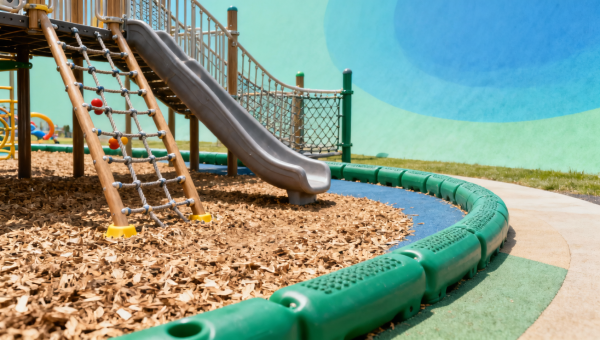
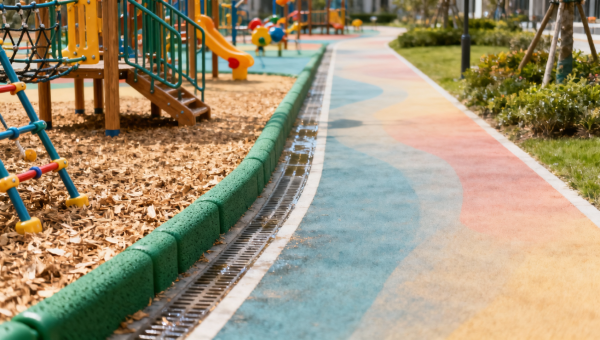
- Playground borders: borders should help define space, contain loose-fill surfacing where applicable, and avoid creating trip hazards
- Visibility: caregivers and staff should be able to supervise key areas clearly
- Material quality: finishes, fasteners, coatings, and plastics should be suitable for outdoor use and heavy traffic
- Compliance review: products should be assessed against relevant local and international safety standards before purchase
Sensory features themselves also require safety judgment. For example, sound elements should not create distress through excessive volume, spinning elements should be suitable for the intended age group, and tactile components should be durable and easy to sanitize.
How should buyers evaluate playground climbers, sensory panels, and movement equipment?
Commercial buyers should assess each component based on function, not just catalog appearance. Playground climbers, sensory panels, and motion-based equipment all contribute differently to the user experience.
When evaluating playground climbers, ask:
- Do they provide graduated challenge levels for different users?
- Do they build coordination, strength, and confidence?
- Are entry and exit points intuitive and safely arranged?
- Will the structure remain engaging after repeated use?
When evaluating sensory panels and interactive elements, ask:
- Do they offer meaningful tactile, auditory, or visual engagement?
- Can multiple children use them together?
- Are they mounted at heights accessible to a wider range of users?
- Will they withstand weather, UV exposure, and frequent contact?
When evaluating movement equipment, ask:
- Does the equipment support balance, rhythm, body awareness, or calming repetitive motion?
- Is the level of stimulation appropriate for the venue’s user profile?
- Can the item be used safely within the available footprint?
This equipment-level review helps prevent a common procurement mistake: buying individually attractive items that do not work well together as a complete sensory play system.
Why do layout and zoning matter as much as the equipment itself?
A sensory playground is experienced as a whole environment. Even high-quality equipment can underperform if the layout is chaotic, overstimulating, or difficult to supervise.
Effective zoning typically includes:
- Active zones: for climbing, swinging, spinning, and energetic play
- Interactive zones: for music, panels, role play, and group engagement
- Calm zones: for retreat, low-stimulation exploration, and rest
- Circulation routes: clear movement paths that reduce bottlenecks and confusion
This is especially important in mixed-use commercial settings such as resorts, schools, family entertainment venues, and community developments. Different users will interact with the space in different ways, and good zoning makes the experience more comfortable for children, caregivers, and facility operators.
Thoughtful layout also supports adjacent commercial requirements. For example, in educational environments, sensory playgrounds may need to connect with outdoor learning areas and commercial furniture. In hospitality settings, they may need to integrate with landscape design, guest flow, and seating for parents.
What makes a sensory playground a good commercial investment?
For procurement teams, the best sensory playground is not necessarily the one with the highest number of features. It is the one that delivers sustained use, broad appeal, manageable maintenance, and a positive reputation for the site.
Commercial value usually comes from the following:
- Higher usability: more children can participate across a wider range of needs and ages
- Longer engagement time: varied activities keep users interested longer than single-function structures
- Stronger family appeal: inclusive, well-designed play spaces can improve site attractiveness
- Lower replacement risk: durable materials and well-planned layouts reduce premature wear and redesign costs
- Better brand perception: venues that visibly support inclusive, developmental play often strengthen trust with families and institutions
For distributors and agents, sensory playgrounds can also represent a higher-value category because they are less about commodity supply and more about solution-based selling. Buyers are often willing to invest more when the design rationale, safety profile, and application fit are clear.
What questions should procurement teams ask suppliers before making a decision?
To reduce risk and improve selection quality, buyers should move beyond basic price and lead time comparisons. A supplier should be able to explain not only product specifications but also application logic.
Useful questions include:
- Which user age range and use scenario is this sensory playground designed for?
- How does the design support inclusive play and different sensory needs?
- What safety standards, testing, or certifications apply in the target market?
- Which materials are used in high-contact and high-wear areas?
- What maintenance schedule is recommended?
- How are playground borders, surfacing, and equipment intended to work together?
- Can the layout be customized for available footprint, climate, and audience profile?
- Are case studies available for schools, resorts, municipalities, or similar commercial sites?
These questions help business evaluators distinguish between a standard playground package and a thoughtfully engineered sensory play solution.
Common mistakes that make a sensory playground less effective
Several recurring issues reduce performance and user satisfaction:
- Overstimulating design: too many intense colors, sounds, and movement elements in one area
- No quiet space: children who need a break have nowhere to regulate
- Weak accessibility planning: some users can reach the site but cannot meaningfully participate
- Feature mismatch: equipment looks sensory-focused but adds little developmental value
- Poor durability choices: materials degrade quickly in outdoor or high-traffic conditions
- Ignoring operational realities: cleaning, inspection, and maintenance are not considered early enough
For buyers, avoiding these mistakes is often more important than adding more components. Good sensory playground planning is usually about better balance, not greater complexity.
How to recognize a good sensory playground at a practical level
A good sensory playground should be easy to understand when viewed through three lenses: user experience, operational reliability, and commercial fit.
From the user experience side, it should offer multiple ways to play, welcome different abilities, and include both active and calming sensory input.
From the operational side, it should support playground safety, straightforward supervision, durable use, and maintainable materials.
From the commercial side, it should fit the venue’s audience, justify investment through long-term use, and contribute positively to the reputation of the site.
If a design can do all three, it is far more likely to succeed as a real-world project rather than just a good-looking concept.
Conclusion
What makes a good sensory playground is not one special feature, but the right combination of inclusive design, purposeful sensory experiences, dependable playground safety, and practical commercial planning. For buyers evaluating amusement equipment, playground climbers, and playground borders, the best choice is the one that serves children well while also meeting the operational and business needs of the site.
In schools, resorts, community spaces, and family-focused venues, a well-designed sensory playground can support learning, interaction, emotional regulation, and stronger user satisfaction. The most successful projects are those that balance engagement with safety, variety with clarity, and creativity with long-term value.
Search News
Hot Articles
- Indoor PlaygroundFan Zhendong Visits Silicon Valley as MLTT Investor, AI Ping-Pong Tech Draws AttentionApr 23, 2026
- Stage Lighting & Truss2026 FIBA Women's World Cup Draw Opens Export Window for Arena Lighting & Timing SystemsApr 23, 2026
- Pro Stage AudioChina Upgrades Security Compliance for International Sports EventsApr 23, 2026
Popular Tags
Need ExpertConsultation?
Connect with our specialized leisureengineering team for procurementstrategies.
Recommended News
 Apr 23, 2026Fan Zhendong Visits Silicon Valley as MLTT Investor, AI Ping-Pong Tech Draws AttentionAI ping-pong tech takes center stage as Fan Zhendong visits Silicon Valley as MLTT investor—key for smart sports hardware, AI coaching platforms & SaaS providers.● Theme Park Strategist
 Apr 23, 2026Vietnam Mandates Child Finger-Trap Sensors for Indoor Play EquipmentChild finger-trap sensors now mandatory for indoor play equipment in Vietnam—learn how QCVN 121:2026 impacts exporters, manufacturers & suppliers ahead of July 1, 2026 enforcement.● Theme Park Strategist
 Apr 22, 2026Vietnam Mandates Child Finger-Trap Sensors for Indoor Playground EquipmentVietnam mandates child finger-trap sensors for indoor playground equipment—comply with QCVN 128:2026 & TCVN 9350:2023 before Oct 2026!● Theme Park Strategist
 Apr 21, 2026Vietnam Mandates Child Finger-Trap Sensors for Indoor Play EquipmentVietnam mandates child finger-trap sensors for indoor play equipment—comply with TCVN 9507:2023 by July 1, 2026 to clear customs & protect kids.● Theme Park Strategist
 Apr 20, 2026NES Launches Sports Community Curator ProgramSports Community Curator program launched by NES — join global fitness studios, uni clubs & outdoor groups to co-create, test gear & grow with Chinese sports brands.● Theme Park Strategist
 Apr 17, 2026CPSC AI Safety Alert: 200ms Delay in Child Playground AI Systems = HazardCPSC AI Safety Alert: 200ms delay in child playground AI systems = hazard. Learn how latency compliance impacts Target/Walmart listings, testing, and supply chain.● Theme Park Strategist
 Apr 17, 20262026 Shanghai Sailing Open Adopts Domestic SeaChronos Pro Timing SystemSeaChronos Pro timing system debuts at 2026 Shanghai Sailing Open — ITU-certified, millisecond-accurate, wind- and tide-integrated. A game-changer for marine sports tech.● Theme Park Strategist
 Apr 16, 2026FDA Proposes New Labeling Rules for Sports Nutrition Supplements with Chinese LabelsFDA's new labeling rules for sports nutrition supplements with Chinese labels take effect April 2026—learn compliance must-dos for U.S. importers, manufacturers & brands.● Theme Park Strategist
 Apr 15, 2026Saudi SASO Updates Amusement Ride Standards: VR Devices Now Require Mandatory EMC TestingSaudi SASO's new 2026 standard mandates EMC testing for VR amusement rides, impacting exporters. Learn key compliance strategies for Saudi market access.● Theme Park Strategist
 Apr 14, 2026Japan Mandates Multilingual E-Manuals for Fitness Equipment from April 2026Japan mandates multilingual e-manuals for fitness equipment from April 2026. Learn how this impacts manufacturers & importers with JIS T 0601-1 compliance requirements. Stay ahead of the regulation!● Theme Park Strategist
 Apr 13, 2026WTT Taiyuan Adopts Chinese AI Table Tennis Analysis System with ITTF Export CertificationWTT Taiyuan adopts Chinese AI table tennis analysis system with ITTF export certification, enabling real-time ball speed & spin tracking. A game-changer for sports tech in emerging markets like Southeast Asia & Middle East.● Theme Park Strategist
 Apr 13, 2026First Female Snooker Player Achieves Multiple Century Breaks as Chinese Table Gains WPBSA CertificationChinese snooker player Bai Yulu makes history with multiple century breaks using WPBSA-certified 'Tournament Pro X7' table, marking a milestone for Chinese manufacturing in professional snooker equipment. Discover how this impacts global markets.● Theme Park Strategist
 Apr 13, 2026RCEP Zero Tariff on China's TPU Sports Protective Gear Boosts ASEAN TradeRCEP's zero-tariff policy on China's TPU sports protective gear boosts ASEAN trade, giving Chinese exporters cost advantages over Korean rivals. Learn how manufacturers and distributors can capitalize on this opportunity.● Theme Park Strategist
 Apr 10, 2026Japan's JIS T 9001:2026 Sports Flooring Anti-Slip Standard Mandatory from April 2026Japan's JIS T 9001:2026 standard mandates anti-slip sports flooring (SCOF ≥ 0.6) from April 2026. Chinese exporters must adapt to meet new requirements. Learn key compliance strategies.● Theme Park Strategist
 Apr 10, 2026Bai Yulu Makes History at Snooker World Championship, Sparks Surge in Women's Sports Equipment DemandBai Yulu makes history at Snooker World Championship with two century breaks, sparking 185% surge in women's sports equipment demand. Discover how manufacturers, e-commerce & supply chains can capitalize on this trend.● Theme Park Strategist
 Apr 10, 20262026 Badminton Asia Championships Quarterfinals Schedule Announced, Shi Yuqi to Compete; Southeast Asia Racket Orders Face 6-8 Week Delays2026 Badminton Asia Championships quarterfinals schedule revealed with Shi Yuqi competing, while Southeast Asia faces 6-8 week racket delays. Learn how supply chain issues impact manufacturers and get strategies to navigate equipment shortages.● Theme Park Strategist
 Apr 10, 2026WTT Taiyuan Challenge Sparks Smart Equipment Demand: Japan Buyers Scrutinize AI Training TechDiscover how the WTT Taiyuan Challenge boosts demand for AI training tech as Japanese buyers evaluate smart sports equipment. Learn key opportunities for manufacturers with JIS-certified solutions.● Theme Park Strategist
 Apr 10, 2026Chinese Snooker Players' Success Spurs Global Demand for Cue AccessoriesChinese snooker players' success drives 210% global demand surge for cue accessories. Explore how manufacturers & exporters can capitalize on this trend with UK, German & Australian markets leading inquiries.● Theme Park Strategist
 Apr 10, 2026EU Updates EN 16830:2026 Eyewear Safety Standard, Impacting China's Sports Goggle ExportsEU's updated EN 16830:2026 eyewear safety standard impacts China's sports goggle exports with stricter CE certification requirements. Learn how manufacturers and exporters can adapt to new impact resistance, UV400+, and blue light blocking standards before the September 2026 deadline.● Theme Park Strategist
 Apr 23, 2026Sensory Playground Ideas That Actually WorkSensory playground ideas with playground climbers, playground borders, music accessories, and playground safety tips for parks, schools, hotels, and commercial furniture buyers.● Theme Park Strategist
 Apr 23, 2026What Makes a Good Sensory Playground?Discover what makes a good sensory playground with strong playground safety, playground borders, and playground climbers. Explore durable amusement equipment and music accessories for inclusive commercial spaces.● Theme Park Strategist
 Apr 23, 2026Best Playground Borders for Safer Play AreasPlayground borders improve playground safety, support sensory playground design, and pair with amusement equipment and playground climbers for durable, organized commercial play areas.● Theme Park Strategist
 Apr 23, 2026Are Playground Borders Worth the Cost?Playground borders improve playground safety, protect sensory playground layouts, and lower maintenance costs. Explore smart choices for amusement equipment and playground climbers.● Theme Park Strategist
 Apr 23, 2026What Playground Safety Complaints Usually Point to FirstPlayground safety complaints often first expose issues with playground borders, playground climbers, sensory playground surfacing, and amusement equipment planning. See what buyers should check.● Theme Park Strategist