2026 Shanghai Smart Campus Expo: VR EdTech Devices Gain ITU & ISO/IEC 23053 Certification
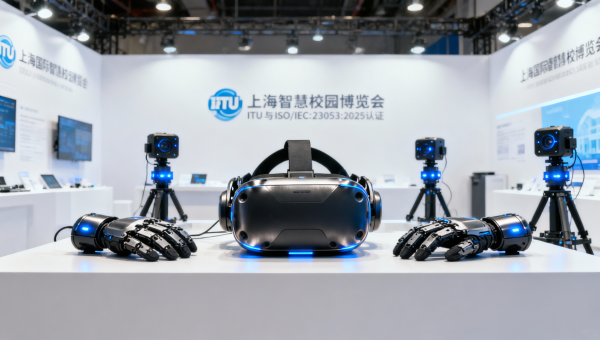
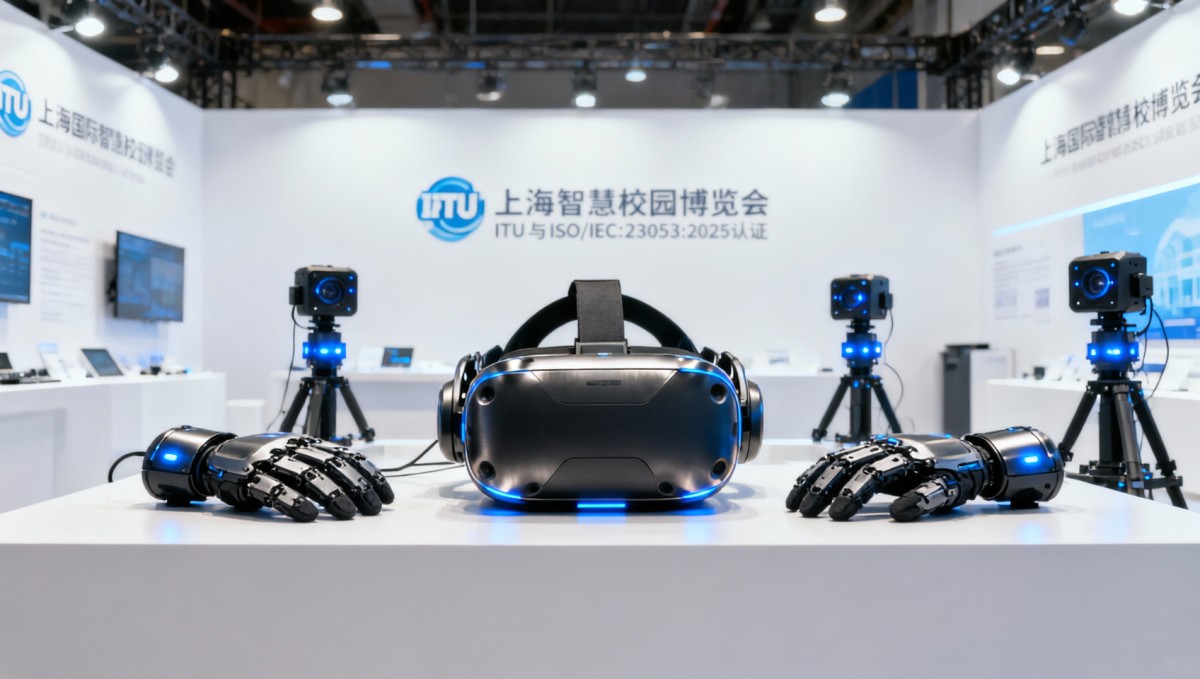
From April 22–24, 2026, six Chinese manufacturers of VR-based haptic teaching equipment received dual certification under ITU and ISO/IEC 23053:2025 at the Shanghai International Smart Campus Exhibition — a development with implications for education technology exporters, edtech integration service providers, and standards-compliance teams in global public procurement markets.
Event Overview
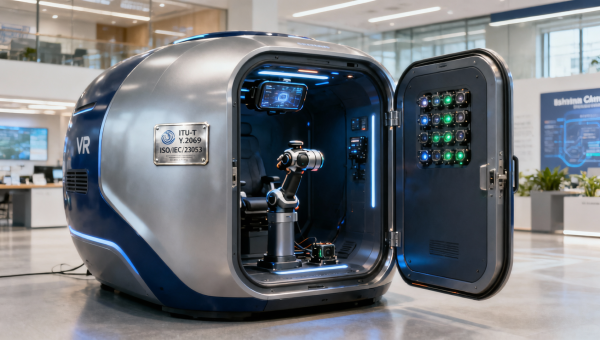
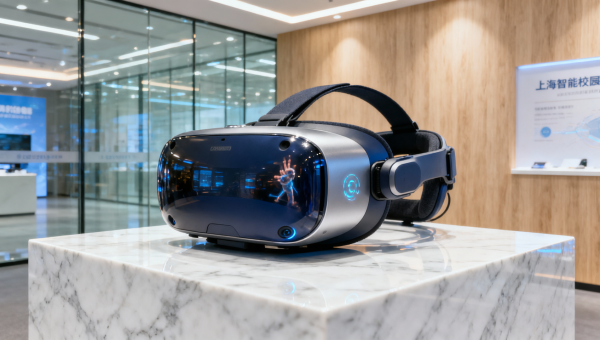
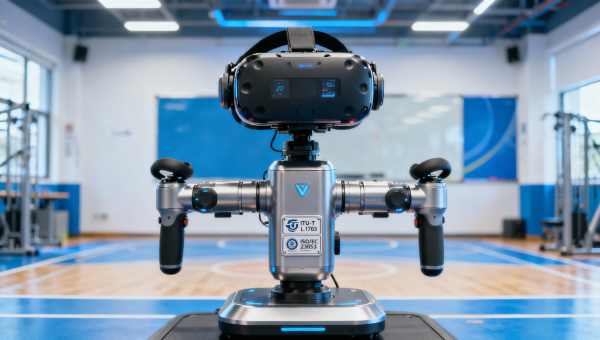
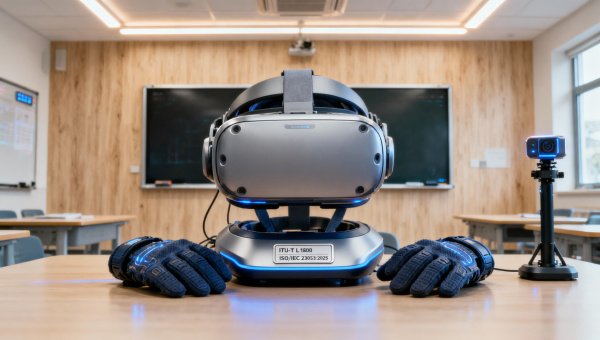
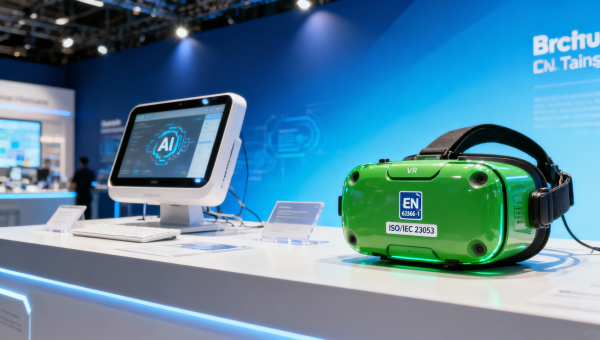
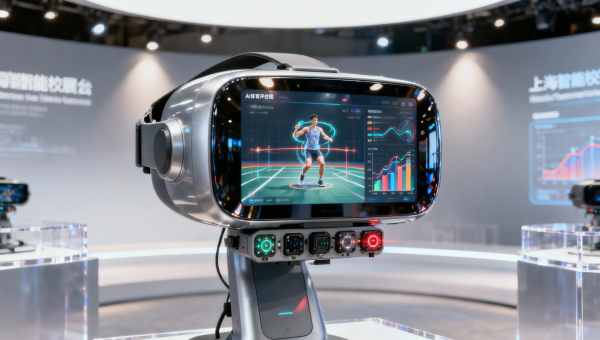
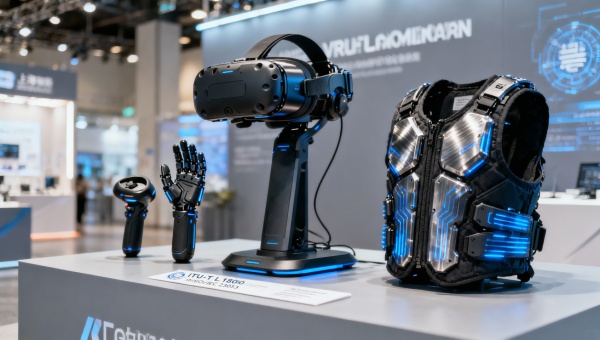
The 2026 Shanghai International Smart Campus Exhibition took place from April 22 to 24. During the event, six China-based VR haptic teaching equipment vendors were confirmed to have obtained certification against ISO/IEC 23053:2025 — a standard jointly published by the International Telecommunication Union (ITU) and ISO/IEC. The certification covers core technical indicators including motion capture accuracy, low-latency rendering, and accessible interaction design. As publicly reported, this certification has been adopted by the Ministries of Education in the United Arab Emirates and Singapore as a mandatory eligibility criterion for inclusion on their official procurement white lists. Chinese vendors are now actively engaging local education system integrators in those markets.
Which Subsectors Are Affected
Direct Exporters and Trade Service Providers
Exporters targeting Gulf Cooperation Council (GCC) and Southeast Asian public education tenders are directly affected because ISO/IEC 23053:2025 is now a formal gatekeeping requirement in UAE and Singapore. This shifts competitive dynamics: compliance is no longer optional but prerequisite for bid eligibility. Impact includes tighter pre-bid technical validation timelines and increased demand for third-party conformity assessment documentation aligned with ITU-endorsed testing protocols.
Education System Integrators (Regional)
Integrators operating in UAE and Singapore must now verify vendor certification status before onboarding new VR teaching hardware into government-approved solution stacks. The impact lies in revised vendor qualification checklists, extended due diligence cycles, and potential re-evaluation of existing hardware deployments if legacy systems lack documented conformance to ISO/IEC 23053:2025.
Standards Compliance and Certification Support Firms
Firms offering conformity assessment, test lab coordination, or technical documentation support for edtech products face rising demand — specifically for services tied to ISO/IEC 23053:2025’s defined test cases (e.g., sub-20ms end-to-end latency verification under network-constrained conditions). Impact includes workload redistribution toward labs accredited for ITU-aligned evaluation methodologies.
What Relevant Enterprises or Practitioners Should Focus On Now
Monitor official updates from UAE and Singapore MOEs on implementation timelines
While ISO/IEC 23053:2025 is listed as a white-list condition, neither ministry has publicly released phased enforcement dates or grandfathering clauses for currently deployed non-certified devices. Enterprises should track official circulars — not just press releases — for binding operational deadlines.
Verify certification scope and validity period for specific product models
Certification applies per model, not per brand. Practitioners should request full certificate copies showing exact device identifiers, test report references, and expiration dates — especially given that ISO/IEC 23053:2025 requires periodic reassessment every 24 months under Clause 8.3.
Distinguish between policy adoption and procurement execution
The inclusion of ISO/IEC 23053:2025 in white lists signals regulatory alignment, but actual tender documents may still reference older technical baselines during transition periods. Cross-check upcoming RFPs for explicit citation of clause numbers or edition years (e.g., “ISO/IEC 23053:2025 Ed.1”) rather than relying solely on high-level policy announcements.
Prepare documentation packages for regional integrator onboarding
Vendors planning engagement with UAE or Singapore integrators should compile standardized dossiers including certified test reports, declaration of conformity, firmware version traceability, and accessibility conformance statements — all formatted per ISO/IEC Guide 2:2020 Annex B requirements for international recognition.
Editorial Perspective / Industry Observation
From industry perspective, this development is best understood as an early-stage regulatory signal — not yet a fully scaled market outcome. The certification’s adoption by two national education ministries reflects growing institutional emphasis on interoperability and accessibility benchmarks in immersive learning infrastructure. However, its current operational weight remains concentrated in procurement eligibility, not pedagogical efficacy validation. Wider adoption across other OECD or ASEAN education systems is plausible but unconfirmed; continued observation is warranted over the next 12–18 months. What makes this notable is not the number of certified vendors, but the precedent of linking ITU-endorsed technical standards directly to public-sector purchasing mandates — a model that could extend beyond VR into AI-powered tutoring platforms or cloud-based LMS architectures.
Conclusively, this milestone signifies a tightening of technical governance in global smart education procurement — one that elevates standardized performance metrics over proprietary feature claims. It does not yet indicate broad market transformation, but it does mark a clear inflection point where compliance readiness begins to influence commercial access in priority growth markets. Current interpretation should emphasize procedural preparedness over strategic overhaul.
Source: Official exhibition announcements from the 2026 Shanghai International Smart Campus Exhibition; publicly available statements from UAE Ministry of Education and Singapore Ministry of Education regarding procurement white list criteria; ISO/IEC 23053:2025 standard document (First Edition, March 2025).
Note: Ongoing monitoring is advised for official implementation guidance from UAE and Singapore MOEs, as well as potential expansion to additional jurisdictions.
Search News
Hot Articles
- Pro Stage AudioFIFA Adopts Chinese Mini-LED Displays for 2026 World Cup VAR SystemApr 24, 2026
- Outdoor RidesChina FA Warns Nanjing City Over Fan Conduct; ISO 20785 Compliance AcceleratesApr 24, 2026
- Pro Stage AudioFan Zhendong Visits Silicon Valley as MLTT Investor, AI Ping-Pong Tech Draws US InterestApr 24, 2026
Popular Tags
Need ExpertConsultation?
Connect with our specialized leisureengineering team for procurementstrategies.
Recommended News
 Apr 24, 20262026 Shanghai Smart Campus Expo: VR EdTech Gains ITU & ISO/IEC 23053 Dual CertificationVR EdTech gains ITU & ISO/IEC 23053 dual certification at 2026 Shanghai Smart Campus Expo—key for global edtech tenders. Discover impact & compliance insights.● Institutional Buyer
 Apr 23, 20262026 Shanghai Smart Campus Expo: VR EdTech Gains ITU & ISO/IEC Dual CertificationVR EdTech gains ITU & ISO/IEC dual certification at 2026 Shanghai Smart Campus Expo — a must-see milestone for global edtech exporters, LMS integrators, and STEM hardware providers.● Institutional Buyer
 Apr 22, 20262026 Shanghai Smart Campus Expo: VR EdTech Gains ITU & ISO/IEC Dual CertificationVR EdTech gains ITU & ISO/IEC dual certification at 2026 Shanghai Smart Campus Expo—unlock B2G opportunities in UAE, Chile & Indonesia now.● Institutional Buyer
 Apr 21, 2026FSAE China 2026: Domestic Timing System Gains ITU CertificationFSAE China 2026: Domestic timing system wins ITU certification — first education-level motorsport solution compliant with ITU-T G.9972. Discover implications for timing tech, AI integration & standards adoption.● Institutional Buyer
 Apr 21, 20262026 Shanghai Smart Campus Expo: VR EdTech Gains ITU & ISO/IEC 23053 Dual CertificationVR EdTech gains ITU & ISO/IEC 23053 dual certification at 2026 Shanghai Smart Campus Expo—key for exporters, integrators & procurement pros.● Institutional Buyer
 Apr 20, 20262026 Shanghai Smart Campus Expo: VR EdTech Gains ITU & ISO/IEC Dual CertificationVR EdTech gains ITU & ISO/IEC dual certification at 2026 Shanghai Smart Campus Expo—key for global edtech exporters, procurement agencies & VR integrators.● Institutional Buyer
 Apr 17, 20262026 Shanghai Smart Campus Expo: VR Teaching Devices Gain ITU & ISO/IEC Dual CertificationVR teaching devices with ITU & ISO/IEC dual certification headline the 2026 Shanghai Smart Campus Expo—unlock global edtech tenders now.● Institutional Buyer
 Apr 16, 20262026 Shanghai Smart Campus Expo Highlights VR EdTech ExportVR EdTech Export takes center stage at 2026 Shanghai Smart Campus Expo — discover VR learning rides, AR sand tables & global procurement opportunities.● Institutional Buyer
 Apr 13, 20262026 China International Education Tour: AI and Green Training Equipment in SpotlightExplore AI education platforms & green training equipment at 2026 China International Education Tour. 242 global exhibitors showcase ISO-certified VR tools & low-carbon solutions for international buyers.● Institutional Buyer
 Apr 11, 20262026 China Intl Education Expo: AI & Green Tech in SpotlightExplore AI & green tech trends at 2026 China Intl Education Expo: 242 global institutions showcase smart classrooms & sustainable training solutions. Discover export opportunities for EdTech and eco-friendly equipment.● Institutional Buyer
 Apr 11, 2026China-Russia Vocational Education Week Launches with Bilingual Textbook ReleaseThe China-Russia Vocational Education Week 2026 launched with bilingual textbook releases, boosting cross-border collaboration in electromechanics, healthcare & digital commerce. Explore new SCO education standards & partnership opportunities.● Institutional Buyer
 Apr 11, 2026China's Smart Education Platform Upgrade Spurs Global AI Teaching Tool DemandChina's AI-powered education platform upgrade boosts global demand for smart teaching tools, featuring multilingual assistants and API integration. Discover how this impacts EdTech exporters and vocational training providers.● Institutional Buyer
 Apr 09, 2026Chengdu Implements Spring Break for Schools, Boosting Study Tour and Camp Equipment ExportsChengdu's new spring break policy boosts study tour & camp equipment exports, creating a $200M opportunity for manufacturers. Learn how to capitalize on this demand surge now.● Institutional Buyer
 Apr 09, 2026China-Russia Vocational Education Week Launches with Bilingual Textbook ReleaseChina-Russia Vocational Education Week launches bilingual textbooks for智能制造 and新能源汽车 sectors, creating export opportunities for vocational training providers. Discover how this impacts edtech and curriculum localization markets.● Institutional Buyer
 Apr 09, 2026Vocational Health Education Collaboration Expands Global Reach with New StandardsVocational health education reaches new global standards with China's 2026 initiative, featuring Luban Workshop standards and cross-border cloud platforms. Explore opportunities for healthcare training, edtech, and equipment exports in emerging markets.● Institutional Buyer
 Apr 09, 2026China's Education Ministry Launches Sunshine Enrollment Campaign, Impacting International School ProgramsChina's Sunshine Enrollment Campaign tightens regulations on international school programs, impacting A-Level/IB/AP providers with new localization requirements. Learn how this affects curriculum partnerships and compliance strategies.● Institutional Buyer
 Apr 09, 2026China's Smart Education Platform Upgrade Sparks Global Demand for AI ToolsChina's AI education platform upgrade drives global demand for smart teaching tools, creating export opportunities in Southeast Asia and beyond. Discover how edtech exporters can capitalize on this trend.● Institutional Buyer
 Apr 26, 20262026 Shanghai Smart Campus Expo: VR EdTech Devices Gain ITU & ISO/IEC 23053 CertificationVR EdTech devices certified to ITU & ISO/IEC 23053 at 2026 Shanghai Smart Campus Expo — key for GCC & SEA education exporters, integrators, and compliance teams.● Institutional Buyer
 Apr 25, 20262026 Shanghai Smart Campus Expo: VR EdTech Gains ITU & ISO/IEC 23053 Dual CertificationVR EdTech gains ITU & ISO/IEC 23053 dual certification at 2026 Shanghai Smart Campus Expo—key for EU/UAE edtech tenders. Act now.● Institutional Buyer
 Apr 19, 20262026 Shanghai Smart Campus Expo: VR EdTech Gains ITU & ISO/IEC Dual CertificationVR EdTech hits a milestone: 2026 Shanghai Smart Campus Expo unveils ITU & ISO/IEC dual-certified haptic teaching devices—game-changing for global edtech exporters, OEMs, and procurement agencies.● Institutional Buyer
 Apr 18, 20262026 Shanghai Smart Campus Expo: VR Teaching Devices Gain ITU & ISO/IEC Dual CertificationVR teaching devices gain ITU & ISO/IEC dual certification at 2026 Shanghai Smart Campus Expo — a must-have for edtech exporters targeting Saudi, Mexico & Poland.● Institutional Buyer
 Apr 17, 2026Smart campus tech integrations that break when you add new educational suppliesDiscover why commercial furniture, sensory playgrounds & educational supplies break smart campus tech—and how to ensure playground safety, interoperability & future-proof amusement equipment.● Institutional Buyer
 Apr 15, 2026Smart campus tech integrations that break when firmware updates dropDiscover firmware-resilient commercial furniture, sensory playgrounds, amusement equipment & hotel tables—engineered to stay safe, synced, and operational post-update.● Institutional Buyer
 Apr 15, 2026Educational supplies that teachers quietly replace after one semesterDiscover high-wear educational supplies, sensory playgrounds, playground climbers & commercial furniture—strategically replaced by teachers. Optimize procurement with GCT’s wear analytics and compliance insights.● Institutional Buyer