2026 Shanghai Smart Campus Expo: VR EdTech Gains ITU & ISO/IEC Dual Certification
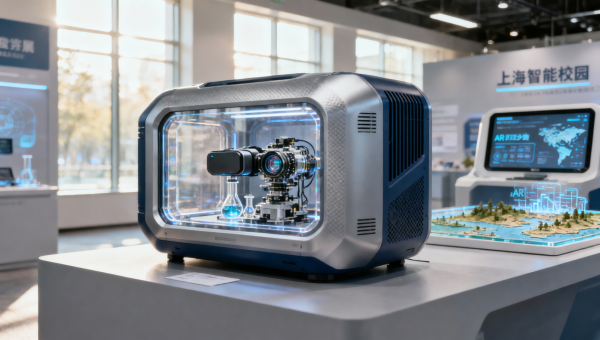
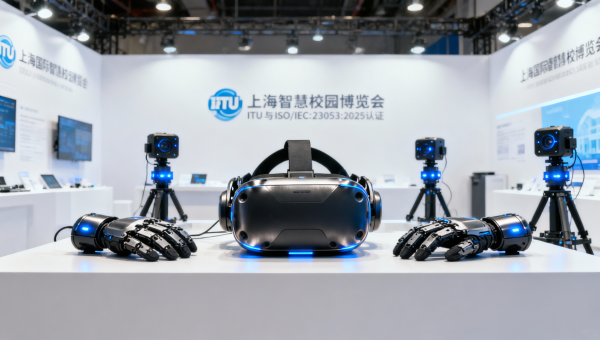
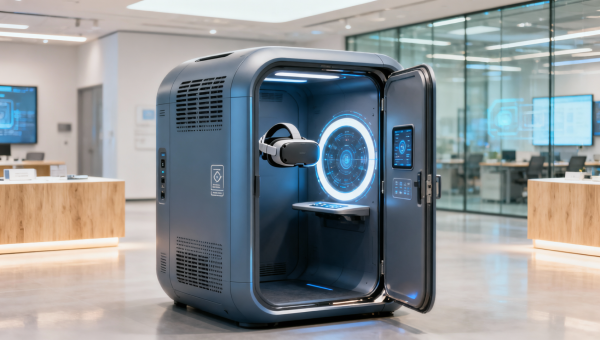
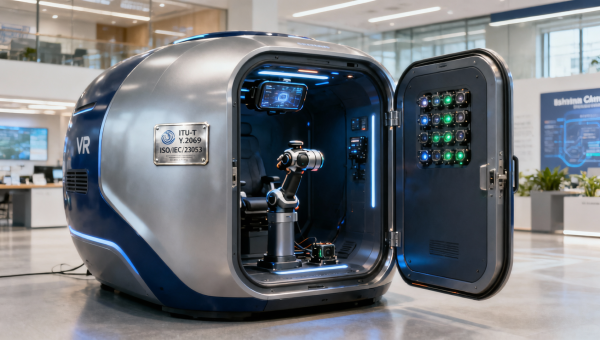
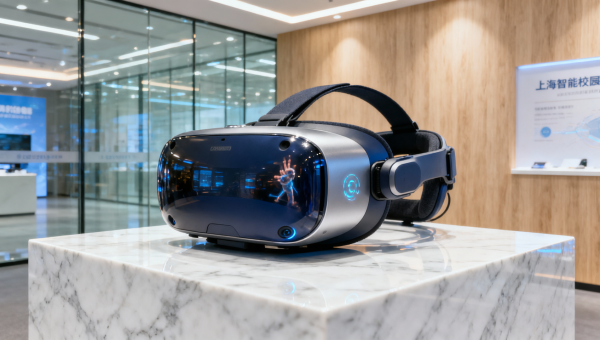
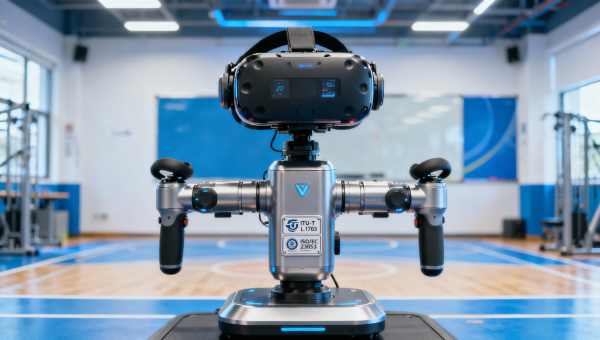
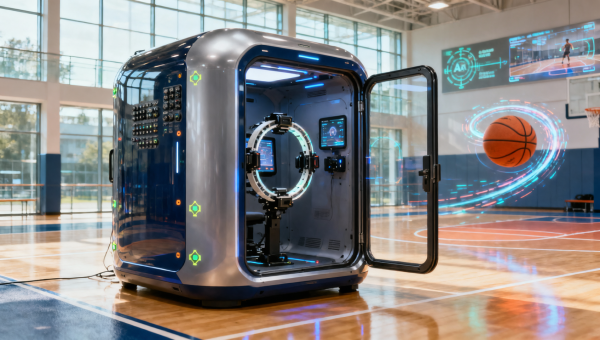
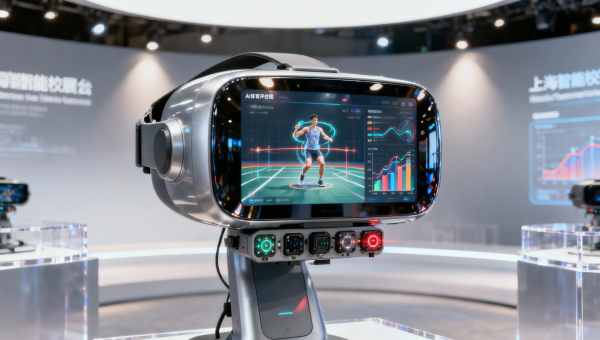
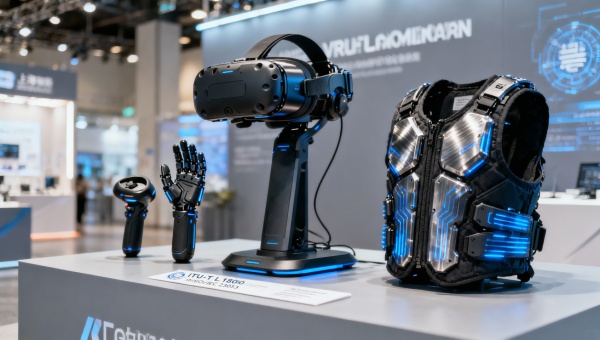
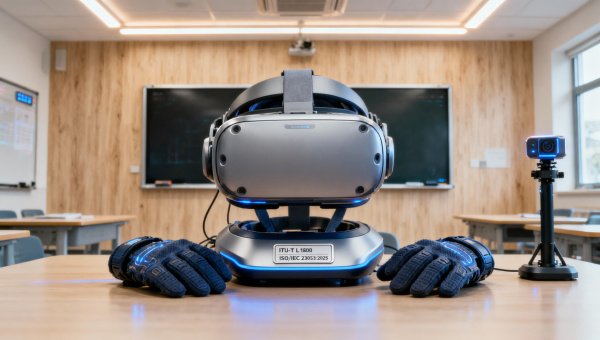
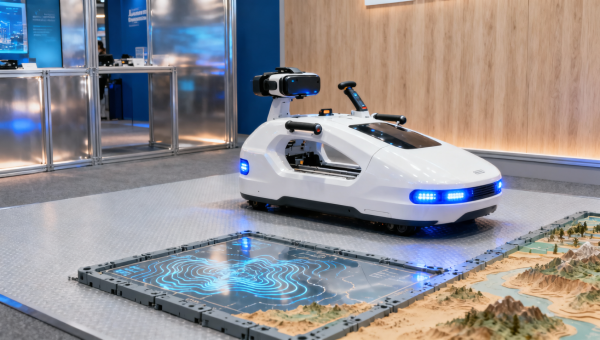
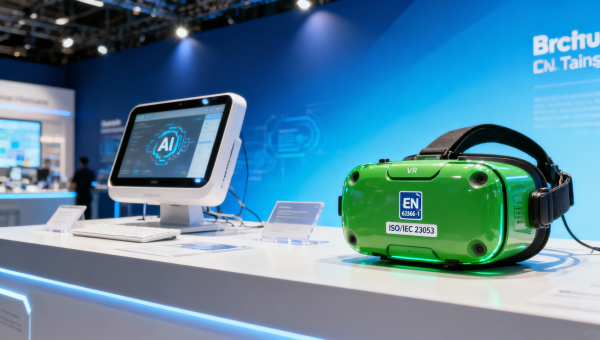
At the 2026 Shanghai International Smart Campus Exhibition held from April 22–24, six Chinese manufacturers’ VR-based immersive teaching devices—including AR geographic sand tables, VR chemistry lab cabins, and holographic historical scene interaction terminals—achieved dual certification under ITU-T Y.2069 (ICT interoperability for education) and ISO/IEC 23053:2025 (security and privacy for immersive learning systems). This certification combination is emerging as a de facto procurement threshold in public education tenders across the Middle East, Latin America, and Eastern Europe—making it highly relevant for edtech exporters, educational hardware integrators, and international compliance officers.
Event Overview
The 2026 Shanghai International Smart Campus Exhibition took place from April 22 to 24, 2026. During the event, six China-based vendors showcased VR-enabled body-sensing teaching equipment. All exhibited products met both ITU-T Y.2069 and ISO/IEC 23053:2025 standards. No further details on testing bodies, certification issuance dates, or vendor names were publicly disclosed at the time of the exhibition.
Impact on Specific Industry Segments
Direct Exporters and Trade Enterprises
These enterprises are directly affected because the dual certification is increasingly referenced in tender documentation for national and regional education infrastructure projects—particularly in emerging markets where interoperability and data governance requirements are being formalized. Impact manifests in bid eligibility, technical evaluation scoring, and post-award compliance audits.
Educational Hardware Integrators
Integrators assembling turnkey smart classroom solutions must now verify upstream component certifications against Y.2069 and ISO/IEC 23053:2025—not just for standalone devices, but for system-level conformance. This affects integration architecture design, middleware selection, and end-to-end data flow documentation.
Supply Chain and Component Procurement Firms
Firms sourcing sensors, haptic feedback modules, or spatial audio subsystems may face new traceability and documentation demands. While the certifications apply to final products, procurement contracts are beginning to include clauses requiring certified subcomponents—especially where security-critical functions (e.g., biometric user identification, student behavioral logging) are embedded.
What Relevant Enterprises or Practitioners Should Monitor and Do Now
Track official tender language updates in target markets
Current tender documents in select Middle Eastern and Eastern European countries reference ITU-T Y.2069 and ISO/IEC 23053:2025 by name—but not yet as mandatory requirements. Analysis来看, this reflects an early-stage alignment phase rather than full enforcement. Monitoring tender revisions over Q3–Q4 2026 will clarify whether these standards shift from ‘preferred’ to ‘required’ status.
Validate certification scope and versioning for specific product models
ISO/IEC 23053:2025 was published in early 2025; its applicability depends on exact edition, annexes invoked, and declared use cases (e.g., ‘student-facing VR lab’ vs. ‘teacher dashboard analytics’). From industry角度看, not all certified units necessarily cover identical functional or data-processing scopes—meaning due diligence must go beyond certificate display to examine test reports and declarations of conformity.
Prepare documentation for cross-border data handling scenarios
ISO/IEC 23053:2025 includes explicit provisions on learner data minimization, anonymization, and storage jurisdiction. Current more suitable understanding is that compliance requires documented policies—not just technical features. Exporters should begin aligning internal privacy impact assessments and data processing agreements with the standard’s Annex B guidance before entering high-scrutiny markets.
Editorial Perspective / Industry Observation
This development is better understood as a regulatory signal than an operational mandate—at least for now. Observation来看, the simultaneous adoption of ITU and ISO/IEC frameworks signals convergence between telecom-sector interoperability norms and ICT security governance in education contexts. It does not yet indicate widespread enforcement, but it does reflect growing institutional awareness among procurement agencies about systemic risks in immersive learning deployments. From industry角度, the significance lies less in immediate compliance pressure and more in the precedent it sets: future education technology tenders are likely to treat multi-standard alignment as baseline technical credibility—not differentiation.
Conclusion
This certification milestone marks an inflection point in global edtech procurement expectations—not because it changes current rules, but because it crystallizes an emerging benchmark. For stakeholders, the appropriate stance is not reactive compliance, but proactive alignment: verifying how existing products map to Y.2069 and ISO/IEC 23053:2025 requirements, auditing associated documentation readiness, and tracking tender language evolution in priority markets. The event itself is a snapshot; its value lies in what it reveals about the trajectory of international education technology standards.
Source Attribution
Main source: Official exhibition summary released by Shanghai Smart Campus Exhibition Organizing Committee (April 24, 2026).
No vendor-specific certification reports, test laboratory names, or tender document excerpts were confirmed in public releases. Ongoing observation is required regarding actual implementation timelines in national education procurement frameworks.
Search News
Hot Articles
- Stage Lighting & Truss2026 FIBA Women's World Cup Draw Sets LED Timing Screen RequirementsApr 27, 2026
- Hotel Room AmenitiesIranian Delegation’s Ritual Gesture at Sanya ASG Sparks Mideast Hospitality Procurement ShiftApr 27, 2026
- Arcade & VR MachinesSnooker World Championship 'China Derby' Drives VR Viewing DemandApr 27, 2026
Popular Tags
Need ExpertConsultation?
Connect with our specialized leisureengineering team for procurementstrategies.
Recommended News
 Apr 27, 20262026 Shanghai Smart Campus Expo: VR EdTech Gains ITU & ISO/IEC Dual CertificationVR EdTech gains ITU & ISO/IEC dual certification at 2026 Shanghai Smart Campus Expo—key for global edtech exporters, integrators, and compliance teams.● Institutional Buyer
 Apr 26, 20262026 Shanghai Smart Campus Expo: VR EdTech Devices Gain ITU & ISO/IEC 23053 CertificationVR EdTech devices certified to ITU & ISO/IEC 23053 at 2026 Shanghai Smart Campus Expo — key for GCC & SEA education exporters, integrators, and compliance teams.● Institutional Buyer
 Apr 25, 20262026 Shanghai Smart Campus Expo: VR EdTech Gains ITU & ISO/IEC 23053 Dual CertificationVR EdTech gains ITU & ISO/IEC 23053 dual certification at 2026 Shanghai Smart Campus Expo—key for EU/UAE edtech tenders. Act now.● Institutional Buyer
 Apr 24, 20262026 Shanghai Smart Campus Expo: VR EdTech Gains ITU & ISO/IEC 23053 Dual CertificationVR EdTech gains ITU & ISO/IEC 23053 dual certification at 2026 Shanghai Smart Campus Expo—key for global edtech tenders. Discover impact & compliance insights.● Institutional Buyer
 Apr 23, 20262026 Shanghai Smart Campus Expo: VR EdTech Gains ITU & ISO/IEC Dual CertificationVR EdTech gains ITU & ISO/IEC dual certification at 2026 Shanghai Smart Campus Expo — a must-see milestone for global edtech exporters, LMS integrators, and STEM hardware providers.● Institutional Buyer
 Apr 22, 20262026 Shanghai Smart Campus Expo: VR EdTech Gains ITU & ISO/IEC Dual CertificationVR EdTech gains ITU & ISO/IEC dual certification at 2026 Shanghai Smart Campus Expo—unlock B2G opportunities in UAE, Chile & Indonesia now.● Institutional Buyer
 Apr 21, 2026FSAE China 2026: Domestic Timing System Gains ITU CertificationFSAE China 2026: Domestic timing system wins ITU certification — first education-level motorsport solution compliant with ITU-T G.9972. Discover implications for timing tech, AI integration & standards adoption.● Institutional Buyer
 Apr 21, 20262026 Shanghai Smart Campus Expo: VR EdTech Gains ITU & ISO/IEC 23053 Dual CertificationVR EdTech gains ITU & ISO/IEC 23053 dual certification at 2026 Shanghai Smart Campus Expo—key for exporters, integrators & procurement pros.● Institutional Buyer
 Apr 20, 20262026 Shanghai Smart Campus Expo: VR EdTech Gains ITU & ISO/IEC Dual CertificationVR EdTech gains ITU & ISO/IEC dual certification at 2026 Shanghai Smart Campus Expo—key for global edtech exporters, procurement agencies & VR integrators.● Institutional Buyer
 Apr 19, 20262026 Shanghai Smart Campus Expo: VR EdTech Gains ITU & ISO/IEC Dual CertificationVR EdTech hits a milestone: 2026 Shanghai Smart Campus Expo unveils ITU & ISO/IEC dual-certified haptic teaching devices—game-changing for global edtech exporters, OEMs, and procurement agencies.● Institutional Buyer
 Apr 18, 20262026 Shanghai Smart Campus Expo: VR Teaching Devices Gain ITU & ISO/IEC Dual CertificationVR teaching devices gain ITU & ISO/IEC dual certification at 2026 Shanghai Smart Campus Expo — a must-have for edtech exporters targeting Saudi, Mexico & Poland.● Institutional Buyer
 Apr 17, 20262026 Shanghai Smart Campus Expo: VR Teaching Devices Gain ITU & ISO/IEC Dual CertificationVR teaching devices with ITU & ISO/IEC dual certification headline the 2026 Shanghai Smart Campus Expo—unlock global edtech tenders now.● Institutional Buyer
 Apr 16, 20262026 Shanghai Smart Campus Expo Highlights VR EdTech ExportVR EdTech Export takes center stage at 2026 Shanghai Smart Campus Expo — discover VR learning rides, AR sand tables & global procurement opportunities.● Institutional Buyer
 Apr 17, 2026Smart campus tech integrations that break when you add new educational suppliesDiscover why commercial furniture, sensory playgrounds & educational supplies break smart campus tech—and how to ensure playground safety, interoperability & future-proof amusement equipment.● Institutional Buyer
 Apr 15, 2026Smart campus tech integrations that break when firmware updates dropDiscover firmware-resilient commercial furniture, sensory playgrounds, amusement equipment & hotel tables—engineered to stay safe, synced, and operational post-update.● Institutional Buyer
 Apr 15, 2026Educational supplies that teachers quietly replace after one semesterDiscover high-wear educational supplies, sensory playgrounds, playground climbers & commercial furniture—strategically replaced by teachers. Optimize procurement with GCT’s wear analytics and compliance insights.● Institutional Buyer
 Apr 13, 20262026 China International Education Tour: AI and Green Training Equipment in SpotlightExplore AI education platforms & green training equipment at 2026 China International Education Tour. 242 global exhibitors showcase ISO-certified VR tools & low-carbon solutions for international buyers.● Institutional Buyer
 Apr 11, 20262026 China Intl Education Expo: AI & Green Tech in SpotlightExplore AI & green tech trends at 2026 China Intl Education Expo: 242 global institutions showcase smart classrooms & sustainable training solutions. Discover export opportunities for EdTech and eco-friendly equipment.● Institutional Buyer
 Apr 11, 2026China-Russia Vocational Education Week Launches with Bilingual Textbook ReleaseThe China-Russia Vocational Education Week 2026 launched with bilingual textbook releases, boosting cross-border collaboration in electromechanics, healthcare & digital commerce. Explore new SCO education standards & partnership opportunities.● Institutional Buyer
 Apr 11, 2026China's Smart Education Platform Upgrade Spurs Global AI Teaching Tool DemandChina's AI-powered education platform upgrade boosts global demand for smart teaching tools, featuring multilingual assistants and API integration. Discover how this impacts EdTech exporters and vocational training providers.● Institutional Buyer
 Apr 12, 2026Educational supplies built for actual classroom chaos — not idealized lesson plansEducational supplies, office supplies & commercial furniture engineered for real classrooms—soundproofing materials, custom fabrication, luxury furniture & supply chain solutions.● Institutional Buyer
 Apr 09, 2026Chengdu Implements Spring Break for Schools, Boosting Study Tour and Camp Equipment ExportsChengdu's new spring break policy boosts study tour & camp equipment exports, creating a $200M opportunity for manufacturers. Learn how to capitalize on this demand surge now.● Institutional Buyer
 Apr 09, 2026China-Russia Vocational Education Week Launches with Bilingual Textbook ReleaseChina-Russia Vocational Education Week launches bilingual textbooks for智能制造 and新能源汽车 sectors, creating export opportunities for vocational training providers. Discover how this impacts edtech and curriculum localization markets.● Institutional Buyer
 Apr 09, 2026Vocational Health Education Collaboration Expands Global Reach with New StandardsVocational health education reaches new global standards with China's 2026 initiative, featuring Luban Workshop standards and cross-border cloud platforms. Explore opportunities for healthcare training, edtech, and equipment exports in emerging markets.● Institutional Buyer