Global VR Fitness Equipment Export Prices Rise 12.3% QoQ
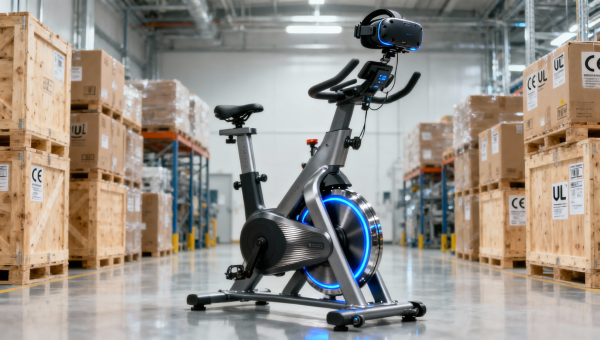
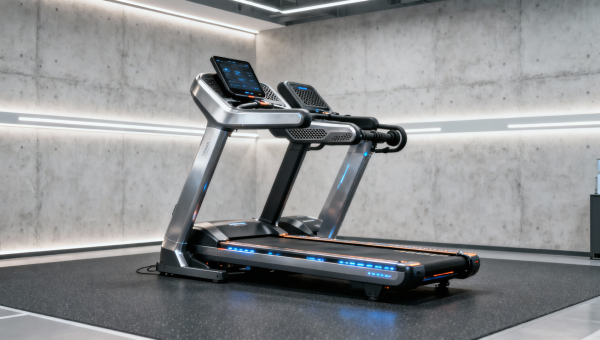
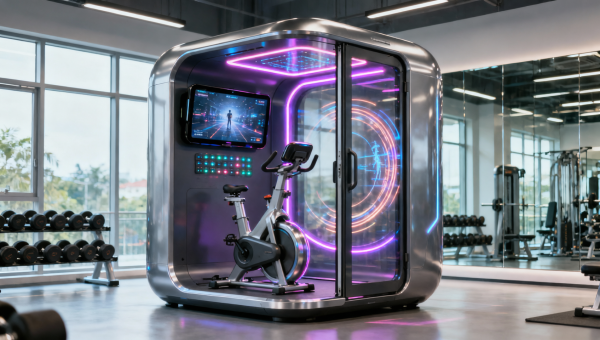
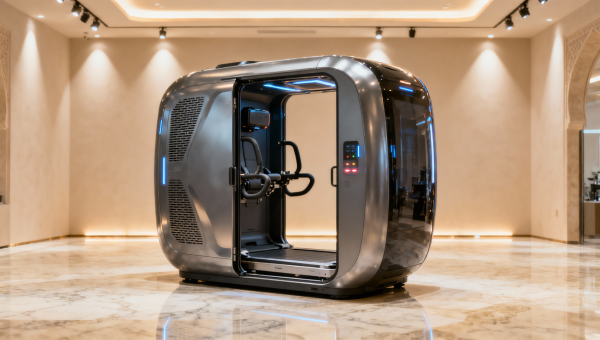
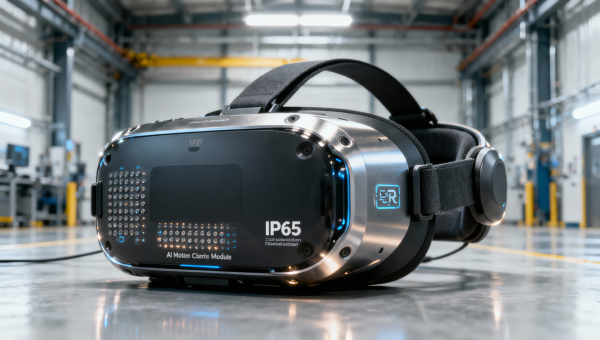
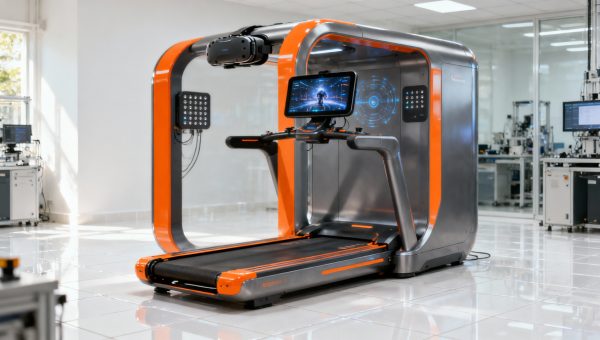
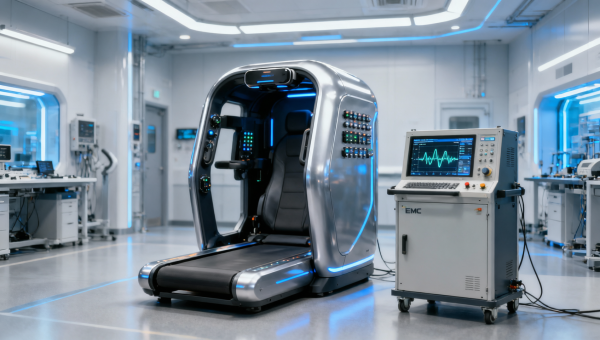
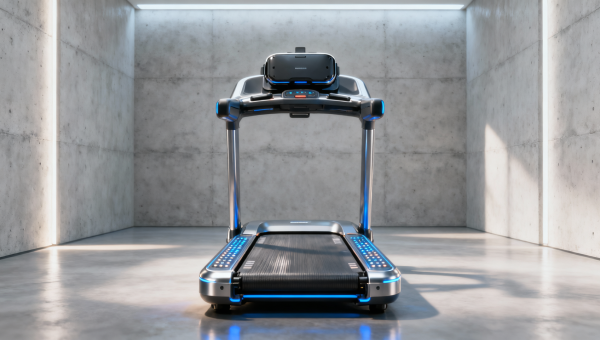
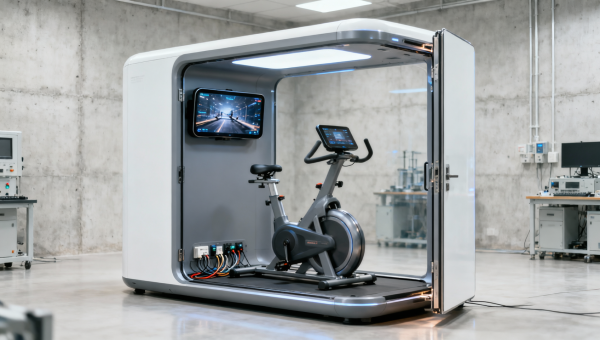
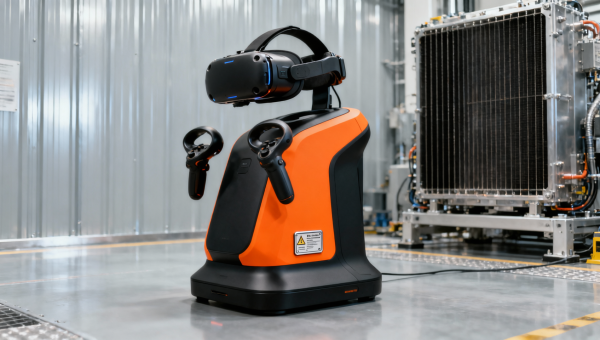
Global export prices for commercial VR fitness equipment — including VR-enabled exercise bikes, rowing simulators, and holographic interactive training pods — rose 12.3% quarter-on-quarter in Q1 2026, reaching a FOB China average of $3,820 per unit, according to GTData’s latest monitoring released on April 26, 2026. This shift signals tightening specification requirements from key Western markets and underscores diverging performance benchmarks across regional manufacturing hubs — particularly relevant for exporters, component suppliers, and logistics providers serving the global smart fitness hardware supply chain.
Event Overview
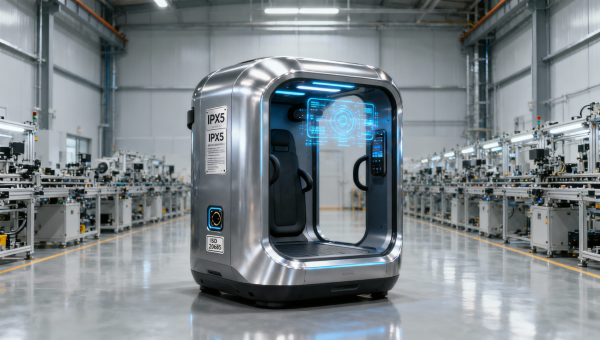
Per Global Trade Data Hub (GTData), as of April 26, 2026, the Q1 2026 FOB China export price for commercial VR fitness equipment stood at $3,820 per unit — a 12.3% increase from Q4 2025. The rise is attributed to heightened demand from European and North American buyers for three specific features: IPX5-rated waterproofing, multi-user cloud-based management modules, and ISO 20685-certified ergonomic design. Concurrently, the top five Chinese suppliers maintained an average on-time delivery rate of 98.6%, exceeding the 91.2% average observed among Southeast Asian peers.
Which Subsectors Are Affected
Direct Exporters & OEM/ODM Manufacturers
Exporters face upward pressure on quoted pricing due to rising compliance-related costs — especially for certifications (ISO 20685), ingress protection testing (IPX5), and embedded cloud infrastructure integration. While higher unit values may improve margin visibility, they also risk elongating buyer approval cycles and increasing quotation-to-PO conversion time in mid-tier markets.
Component & Module Suppliers
Suppliers of waterproof enclosures, certified ergonomic frames, and cloud-connected control boards are seeing stronger demand signals — but only for parts validated against the cited standards. Unverified or legacy-spec components may face reduced order volumes or extended qualification timelines, especially when bundled into turnkey systems.
Logistics & Compliance Service Providers
Freight forwarders and certification support firms handling EU/US-bound shipments must now prioritize documentation traceability for IPX5 test reports and ISO 20685 conformity statements. Delays in certifying subassemblies — not just final units — could trigger shipment holds or customs rejections under evolving CE/UKCA verification protocols.
What Relevant Companies or Practitioners Should Monitor and Do Now
Track certification lead times for IPX5 and ISO 20685 validation
Analysis shows that third-party lab capacity for IPX5 environmental testing and ISO 20685 anthropometric assessment is currently constrained in Shenzhen and Dongguan. Companies should confirm current queue durations with accredited labs — not rely on historical turnaround benchmarks — before committing to new customer deadlines.
Review cloud module sourcing agreements for scalability and data residency clauses
The requirement for multi-user cloud management implies backend service dependencies beyond hardware. Exporters should audit existing SaaS partnerships for GDPR/CCPA-compliant hosting, user concurrency limits, and API update frequency — as these directly affect compliance readiness and post-shipment support liability.
Compare delivery performance metrics across regional production bases
With Chinese TOP5 suppliers sustaining 98.6% on-time delivery versus 91.2% in Southeast Asia, buyers may rebalance orders toward China-domiciled lines — even amid higher unit pricing. Firms operating dual-sourcing strategies should benchmark actual dock-to-door cycle times, not just factory dispatch rates, to assess true reliability.
Monitor GTData’s upcoming Q2 2026 release for category-level divergence
Current data aggregates VR bikes, rowers, and full-capsule systems. GTData has indicated its next report will disaggregate pricing and delivery by product type. Early preparation — such as tagging internal order data by device class — will help firms interpret whether the 12.3% increase reflects broad-based demand or concentration in high-spec segments like full holographic cabins.
Editorial Observation / Industry Perspective
From an industry perspective, this price movement is better understood as a structural recalibration than a short-term volatility spike. It reflects tightening technical gateways — not general inflationary pressure — driven by buyer-side standardization efforts in mature markets. The sustained delivery advantage held by leading Chinese manufacturers suggests that operational discipline remains a differentiator even as compliance complexity rises. Current evidence does not indicate broad-based supply shortages; rather, it signals a segmentation of capability — where only vendors able to concurrently meet enhanced physical, digital, and ergonomic criteria capture premium pricing. That makes certification readiness and cross-functional engineering coordination more decisive than raw cost competitiveness alone.
Conclusion
This data point signifies a shift toward specification-driven value capture in global VR fitness hardware trade — one where pricing power correlates closely with verifiable compliance, not just volume scale. For stakeholders, it reinforces that responsiveness to evolving technical requirements — particularly around safety, interoperability, and human factors — now carries measurable commercial weight. It is less a signal of market overheating and more an indicator of maturing buyer expectations in regulated export corridors.
Information Source
Primary source: Global Trade Data Hub (GTData), Q1 2026 Commercial VR Fitness Equipment Export Monitoring Report, published April 26, 2026. Note: GTData’s methodology covers FOB China transactions for devices classified under HS codes 9506.91 (exercise machines) and 8543.70 (VR-enabled interactive systems). Certification attribution (IPX5, ISO 20685) is based on GTData’s buyer requirement survey component; delivery rate figures reflect self-reported supplier data verified via shipping manifest sampling. Ongoing observation is warranted for GTData’s forthcoming Q2 2026 breakdown by device category.
Search News
Hot Articles
- Stage Lighting & Truss2026 FIBA Women's World Cup Draw Sets LED Timing Screen RequirementsApr 27, 2026
- Hotel Room AmenitiesIranian Delegation’s Ritual Gesture at Sanya ASG Sparks Mideast Hospitality Procurement ShiftApr 27, 2026
- Arcade & VR MachinesSnooker World Championship 'China Derby' Drives VR Viewing DemandApr 27, 2026
Popular Tags
Need ExpertConsultation?
Connect with our specialized leisureengineering team for procurementstrategies.
Recommended News
 Apr 27, 2026Snooker World Championship 'China Derby' Drives VR Viewing DemandVR viewing demand surges after Snooker World Championship 'China Derby' — key opportunity for VR hardware, localization & compliance firms in UK/EU markets.● Theme Park Strategist
 Apr 27, 2026Global VR Fitness Equipment Export Prices Rise 12.3% QoQVR fitness equipment export prices surge 12.3% QoQ — discover why IPX5, ISO 20685, and cloud readiness now drive premium pricing & market share.● Theme Park Strategist
 Apr 27, 2026SASO Updates EMC Rules for VR & Immersive Fitness Devices in Saudi ArabiaSASO EMC updates for VR & immersive fitness devices in Saudi Arabia—Class B compliance mandatory from 25 Apr 2026. Act now to avoid delays & ensure market access.● Theme Park Strategist
 Apr 26, 2026Global VR Fitness Equipment Export Prices Up 12% in Q1 2026VR fitness equipment export prices surge 12.3% in Q1 2026 — discover why reliability-driven pricing is reshaping global gym hardware procurement.● Theme Park Strategist
 Apr 26, 2026SASO Updates EMC Standard for VR Motion Devices in Saudi ArabiaSASO EMC standard update for VR motion devices in Saudi Arabia—Class B limits effective Oct 2026. Ensure compliance now to avoid customs delays & market access risks.● Theme Park Strategist
 Apr 26, 2026Snooker World Championship 'China Derby' Drives VR Viewing DemandSnooker World Championship 'China Derby' drives surging VR viewing demand—CE/UKCA-certified hardware, AI commentary & rapid logistics now critical for venues.● Theme Park Strategist
 Apr 25, 2026Global VR Fitness Equipment Export Prices Up 12% in Q1 2026VR fitness equipment export prices rose 12% in Q1 2026 — discover why $2,840/unit reflects rising value, not just cost, and how OTD leadership reshapes global sourcing.● Theme Park Strategist
 Apr 25, 2026SASO Updates EMC Standard for VR Haptic Devices in Saudi ArabiaSASO updates EMC standard SR 2305:2026 for VR haptic devices in Saudi Arabia—Class B compliance now mandatory for fitness pods & training stations. Act now to avoid port delays.● Theme Park Strategist
![]() Apr 25, 2026Vietnam Enforces Local Type Testing for Commercial VR Fitness CabinsVR fitness cabins for commercial use in Vietnam must now pass local type testing & TÜV SÜD-VN certification—key for exporters, distributors & OEMs. Act before April 24, 2026.● Theme Park Strategist
Apr 25, 2026Vietnam Enforces Local Type Testing for Commercial VR Fitness CabinsVR fitness cabins for commercial use in Vietnam must now pass local type testing & TÜV SÜD-VN certification—key for exporters, distributors & OEMs. Act before April 24, 2026.● Theme Park Strategist Apr 24, 2026Global VR Fitness Equipment Export Prices Up 12% QoQVR fitness equipment export prices surge 12% QoQ to $4,280 — driven by EU 2026/789 & UL 62368-1:Ed4 compliance. Key insight for exporters, suppliers & logistics teams.● Theme Park Strategist
 Apr 24, 2026Vietnam TUV SUD New Rule: VR Fitness Cabins Require Local Type TestVR fitness cabins entering Vietnam now require local type testing per new TUV SUD rule—impacting exporters, distributors & supply chains. Act now to avoid delays & added costs.● Theme Park Strategist
 Apr 24, 2026SASO Updates EMC Standard for VR Motion Devices in Saudi ArabiaSASO EMC update for VR motion devices in Saudi Arabia: Class B compliance now mandatory for fitness, entertainment & edutainment pods—avoid customs rejection!● Theme Park Strategist
 Apr 23, 2026Global VR Fitness Device Export Prices Rise 12% QoQVR fitness device export prices surge 12% QoQ to $3,820 — discover why IP65, AI calibration & 98.7% on-time delivery now define premium global supply.● Theme Park Strategist
 Apr 23, 2026Vietnam TUV SUD Enforces Local Type Testing for VR Fitness CabinsVR fitness cabins entering Vietnam must now undergo local TUV SUD type testing—mandatory from Apr 22, 2026. Learn costs, timelines & compliance steps.● Theme Park Strategist
 Apr 23, 2026SASO Updates EMC Standard for VR Motion Devices to Class BSASO Updates EMC Standard for VR Motion Devices to Class B: Critical compliance shift for VR fitness pods, AR/VR amusement systems & exporters targeting Saudi Arabia.● Theme Park Strategist
 Apr 22, 2026SASO Updates EMC Standard for VR Haptic Devices in Saudi ArabiaSASO EMC standard update for VR haptic devices in Saudi Arabia: Class B compliance required by July 1, 2026 — critical for VR treadmills, AR walls & training pods.● Theme Park Strategist
 Apr 22, 2026Global VR Fitness Device Export Price Up 12% in Q1 2026VR fitness device export prices surge 12% to $1,842/unit in Q1 2026 — discover why China’s 38-day lead times are reshaping global procurement strategies.● Theme Park Strategist
 Apr 22, 2026Vietnam TUV SUD New Rule: VR Fitness Pods Require Local Type TestVR fitness pods now require local type testing in Vietnam per TUV SUD’s new rule—impacting exporters, costs & lead times. Act now!● Theme Park Strategist
 Apr 22, 2026Why Some Arcade Games Perform Well at First Then Fade FastArcade games can shine early then fade fast. Learn how trampoline park, indoor playground, and adventure playground buyers can spot ROI risks and choose longer-lasting winners.● Theme Park Strategist
 Apr 22, 2026Arcade Games That Keep Players Longer Without Prize InflationArcade games that boost dwell time in trampoline park, indoor playground, and adventure playground venues—discover smarter, prize-controlled strategies that improve replay, margins, and ROI.● Theme Park Strategist
 Apr 21, 2026Global VR Fitness Equipment Export Prices Rise 12% in Q1 2026VR fitness equipment export prices surge 12% in Q1 2026—driven by EU safety mandates. Discover cost impacts, compliance risks & supply chain insights.● Theme Park Strategist
 Apr 21, 2026Vietnam TUV SUD Enforces Local Type Testing for VR Fitness CabinsVR fitness cabins entering Vietnam must now undergo local TUV SUD type testing—EMC & safety checks in Hanoi or Ho Chi Minh City starting April 2026. Key for exporters, certifiers & distributors.● Theme Park Strategist
 Apr 21, 2026SASO Updates EMC Standard for VR Motion Devices in Saudi ArabiaSASO EMC update for VR motion devices in Saudi Arabia: Class B compliance now mandatory for fitness pods, edutainment cabins & arcade systems—act now to avoid shipment delays.● Theme Park Strategist
 Apr 20, 2026Global VR Fitness Device Export Price Up 12% in Q1 2026VR fitness device export prices surged 12% in Q1 2026—discover key drivers, regional impacts, and strategic actions for exporters, suppliers & logistics partners.● Theme Park Strategist