SASO Updates EMC Standard for VR Motion Devices in Saudi Arabia
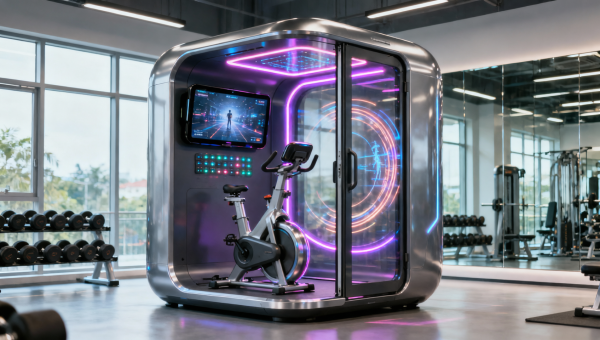
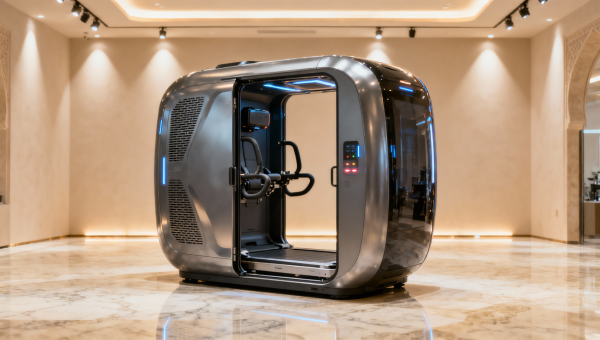
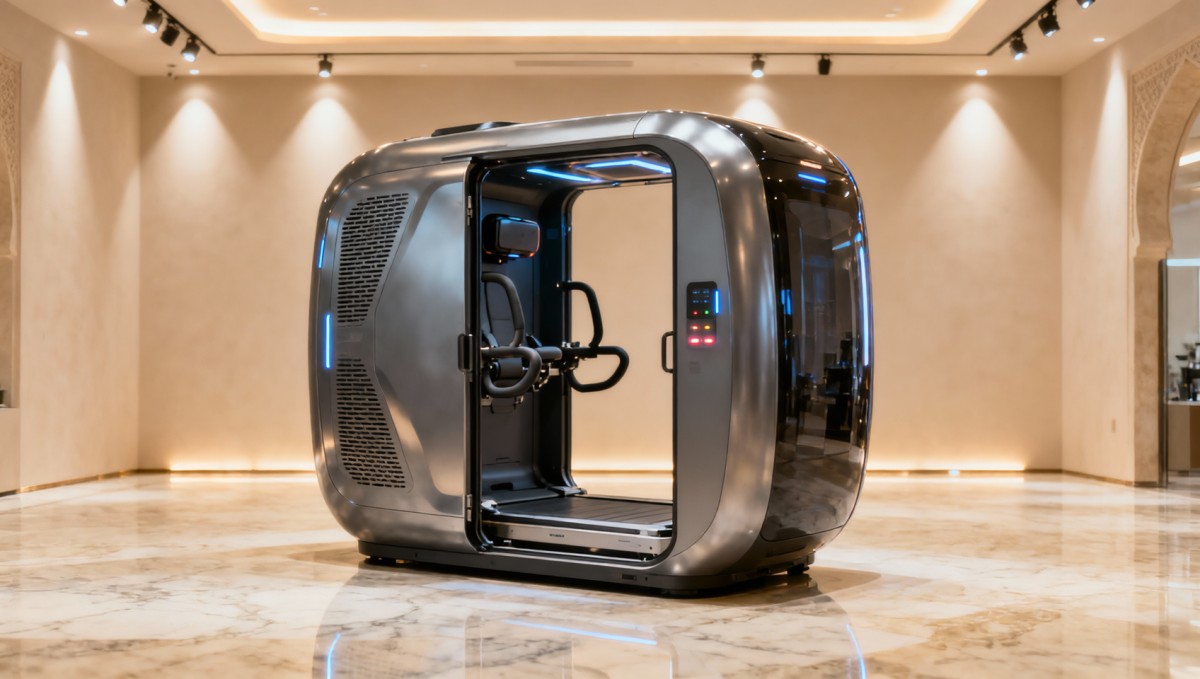
Saudi Arabia’s Standards, Metrology and Quality Organization (SASO) enforced a revised electromagnetic compatibility (EMC) technical regulation on April 23, 2026, mandating Class B emission and immunity limits for all imported commercial VR motion devices—including fitness pods, interactive entertainment pods, and education training pods. This update directly affects manufacturers and exporters of arcade and VR machines from China, particularly those supplying to the Middle East market.
Event Overview
On April 23, 2026, SASO officially implemented its updated EMC technical regulation for VR motion devices. The regulation stipulates that all such devices intended for commercial use must comply with Class B limits for both electromagnetic emissions and immunity testing. Non-compliant products will be denied customs clearance. Publicly confirmed information includes the effective date, scope (commercial VR motion devices), device categories covered (fitness, interactive entertainment, and education training pods), and the enforcement consequence (refusal of entry).
Industries Affected
Direct Exporters & Trading Enterprises: These companies face immediate compliance risk at Saudi customs. Since Class B is now a mandatory准入 requirement—not merely a recommendation—non-certified shipments may be detained or rejected, disrupting delivery schedules and contractual obligations.
OEM/ODM Manufacturing Firms (e.g., Shenzhen, Dongguan-based suppliers): As noted in the source, several ODM manufacturers have already initiated urgent remediation and certification efforts. Their production timelines, test lab coordination, and documentation preparation are now directly tied to meeting Class B requirements before shipment.
Supply Chain & Certification Service Providers: Demand for accredited EMC testing—particularly Class B-level validation under IEC/CISPR standards—is expected to rise among Chinese VR equipment suppliers. Third-party labs and conformity assessment bodies supporting SASO SABER or IECEE CB Scheme submissions may see increased inquiry volume and tighter turnaround expectations.
What Relevant Enterprises Should Monitor and Do Now
Track official SASO guidance and interpretation notes
While the regulation is in force, SASO may issue clarifications on scope boundaries (e.g., whether certain hybrid or low-power VR peripherals fall under Class B), test method references (e.g., CISPR 32 vs. IEC 61000-6-3), or transitional arrangements. Enterprises should subscribe to SASO’s official notifications and monitor updates via the SABER portal.
Verify classification and test scope for each product variant
Class B applies specifically to devices used in residential environments—but SASO has extended it to *commercial* VR motion devices regardless of deployment setting. Exporters must confirm whether their specific models (e.g., high-power haptic feedback systems, multi-user pods) require full Class B testing across all ports and operating modes—not just representative samples.
Distinguish regulatory signal from operational readiness
The April 23, 2026 enforcement date reflects a formal policy shift, but actual customs enforcement rigor may vary initially. However, given documented cases of rejected shipments and ODM remediation activity, enterprises should treat this as operationally binding—not merely indicative—and align internal QA and logistics workflows accordingly.
Prepare documentation and test reports ahead of shipment scheduling
Class B test reports must be issued by SASO-accredited laboratories and linked to the product’s SABER registration. Delays in report issuance or misalignment between test reports and SABER product data can cause clearance hold-ups. Exporters should initiate testing early and ensure traceability between firmware versions, hardware configurations, and test reports.
Editorial Observation / Industry Perspective
From an industry perspective, this update is better understood as a tightening of market access conditions—not a new technical frontier. Class B limits are well-established globally; however, their mandatory application to commercial VR motion equipment in Saudi Arabia signals SASO’s intent to harmonize with broader Gulf Cooperation Council (GCC) EMC expectations and reduce post-import nonconformities. Analysis来看, it reflects a shift from voluntary alignment toward enforceable conformity, especially for emerging tech categories previously treated as low-risk. Observation来看, the urgency shown by Shenzhen and Dongguan ODMs suggests this is not perceived as a procedural formality, but as a concrete barrier affecting near-term export viability. Current more appropriate understanding is that this standard marks the start of stricter technical gatekeeping—not a one-off adjustment.
In summary, SASO’s Class B EMC mandate for VR motion devices establishes a clear, enforceable technical threshold for market access in Saudi Arabia. It does not introduce novel measurement science, but significantly raises the compliance bar for exporters and manufacturers. The regulation is best interpreted not as a temporary hurdle, but as a durable feature of the regional regulatory landscape—one requiring sustained attention to testing infrastructure, documentation discipline, and cross-border regulatory intelligence.
Source: Official SASO announcement (effective April 23, 2026); public reporting on remediation actions by Shenzhen and Dongguan ODM firms. Note: Further SASO implementation guidance, including potential transition periods or scope exclusions, remains under observation.
Search News
Hot Articles
- Pro Stage AudioFIFA Adopts Chinese Mini-LED Displays for 2026 World Cup VAR SystemApr 24, 2026
- Outdoor RidesChina FA Warns Nanjing City Over Fan Conduct; ISO 20785 Compliance AcceleratesApr 24, 2026
- Pro Stage AudioFan Zhendong Visits Silicon Valley as MLTT Investor, AI Ping-Pong Tech Draws US InterestApr 24, 2026
Popular Tags
Need ExpertConsultation?
Connect with our specialized leisureengineering team for procurementstrategies.
Recommended News
 Apr 24, 2026Global VR Fitness Equipment Export Prices Up 12% QoQVR fitness equipment export prices surge 12% QoQ to $4,280 — driven by EU 2026/789 & UL 62368-1:Ed4 compliance. Key insight for exporters, suppliers & logistics teams.● Theme Park Strategist
 Apr 24, 2026Vietnam TUV SUD New Rule: VR Fitness Cabins Require Local Type TestVR fitness cabins entering Vietnam now require local type testing per new TUV SUD rule—impacting exporters, distributors & supply chains. Act now to avoid delays & added costs.● Theme Park Strategist
 Apr 24, 2026SASO Updates EMC Standard for VR Motion Devices in Saudi ArabiaSASO EMC update for VR motion devices in Saudi Arabia: Class B compliance now mandatory for fitness, entertainment & edutainment pods—avoid customs rejection!● Theme Park Strategist
 Apr 23, 2026Global VR Fitness Device Export Prices Rise 12% QoQVR fitness device export prices surge 12% QoQ to $3,820 — discover why IP65, AI calibration & 98.7% on-time delivery now define premium global supply.● Theme Park Strategist
 Apr 23, 2026Vietnam TUV SUD Enforces Local Type Testing for VR Fitness CabinsVR fitness cabins entering Vietnam must now undergo local TUV SUD type testing—mandatory from Apr 22, 2026. Learn costs, timelines & compliance steps.● Theme Park Strategist
 Apr 23, 2026SASO Updates EMC Standard for VR Motion Devices to Class BSASO Updates EMC Standard for VR Motion Devices to Class B: Critical compliance shift for VR fitness pods, AR/VR amusement systems & exporters targeting Saudi Arabia.● Theme Park Strategist
 Apr 22, 2026SASO Updates EMC Standard for VR Haptic Devices in Saudi ArabiaSASO EMC standard update for VR haptic devices in Saudi Arabia: Class B compliance required by July 1, 2026 — critical for VR treadmills, AR walls & training pods.● Theme Park Strategist
 Apr 22, 2026Global VR Fitness Device Export Price Up 12% in Q1 2026VR fitness device export prices surge 12% to $1,842/unit in Q1 2026 — discover why China’s 38-day lead times are reshaping global procurement strategies.● Theme Park Strategist
 Apr 22, 2026Vietnam TUV SUD New Rule: VR Fitness Pods Require Local Type TestVR fitness pods now require local type testing in Vietnam per TUV SUD’s new rule—impacting exporters, costs & lead times. Act now!● Theme Park Strategist
 Apr 21, 2026Global VR Fitness Equipment Export Prices Rise 12% in Q1 2026VR fitness equipment export prices surge 12% in Q1 2026—driven by EU safety mandates. Discover cost impacts, compliance risks & supply chain insights.● Theme Park Strategist
 Apr 21, 2026Vietnam TUV SUD Enforces Local Type Testing for VR Fitness CabinsVR fitness cabins entering Vietnam must now undergo local TUV SUD type testing—EMC & safety checks in Hanoi or Ho Chi Minh City starting April 2026. Key for exporters, certifiers & distributors.● Theme Park Strategist
 Apr 21, 2026SASO Updates EMC Standard for VR Motion Devices in Saudi ArabiaSASO EMC update for VR motion devices in Saudi Arabia: Class B compliance now mandatory for fitness pods, edutainment cabins & arcade systems—act now to avoid shipment delays.● Theme Park Strategist
 Apr 20, 2026Global VR Fitness Device Export Price Up 12% in Q1 2026VR fitness device export prices surged 12% in Q1 2026—discover key drivers, regional impacts, and strategic actions for exporters, suppliers & logistics partners.● Theme Park Strategist
 Apr 20, 2026SASO Updates VR Haptic Device EMC Standard to Class B in Saudi ArabiaSASO VR haptic device EMC update: Class B standard now mandatory in Saudi Arabia from July 1, 2026. Ensure compliance for VR/AR hardware, imports & venues.● Theme Park Strategist
 Apr 20, 2026Vietnam TUV SUD Enforces Local Type Test for Commercial VR Fitness CabinsVietnam TUV SUD now mandates local type testing for commercial VR fitness cabins — including latency, EMC & safety checks. Act now to secure QCVN compliance and market access.● Theme Park Strategist
 Apr 17, 2026Global VR Fitness Equipment Export Prices Rise 12% in Q1 2026VR fitness equipment export prices surge 12.3% in Q1 2026—key insights for exporters, manufacturers & supply chain partners on compliance, pricing, and delivery trends.● Theme Park Strategist
 Apr 17, 2026SASO 2891:2026 Updated: VR Haptic Devices Now Require EMC Class B in Saudi ArabiaSASO 2891:2026 update mandates EMC Class B for VR haptic devices in Saudi Arabia — critical for OEMs, exporters & EdTech suppliers. Act now to avoid delays!● Theme Park Strategist
 Apr 17, 2026Vietnam TUV SUD Mandates Local Type Testing for VR Fitness CabinsVR fitness cabins for gyms & hotels in Vietnam now require local type testing—EMC, thermal, and AI fall detection—to obtain VIEC certification. Act now to avoid delays!● Theme Park Strategist
 Apr 16, 2026VR Fitness Device Export Prices Up 12% — China Supply Stability LeadsVR fitness device export prices up 12%—China’s supply stability and modular hardware-software delivery redefine global competitiveness. Act now.● Theme Park Strategist
 Apr 16, 2026Vietnam Mandates Local TUV SUD Type Testing for VR Fitness CabinsVR fitness cabins entering Vietnam must now pass local TÜV SÜD type testing in Hanoi—key for compliance, customs clearance & market access by July 1, 2026.● Theme Park Strategist
 Apr 16, 2026SASO Updates Playground Standards: VR Devices Now Require EMC TestingSASO now mandates EMC testing for VR playground devices in Saudi Arabia—key update for VR cycling, climbing & motion cabins exporters.● Theme Park Strategist
 Apr 15, 2026Vietnam's New Regulation: Commercial VR Fitness Pods Require Local TUV SUD TestingVietnam's new regulation mandates TUV SUD testing for commercial VR fitness pods. Learn how this impacts exporters, compliance timelines, and market entry strategies for Chinese manufacturers.● Theme Park Strategist
 Apr 15, 2026Global VR Fitness Equipment Export Prices Rise 12% YoY, China Maintains Supply Chain StabilityGlobal VR fitness equipment export prices surge 12% YoY in 2026 Q1, with China maintaining 96.3% delivery reliability. Key insights for VR hardware manufacturers & fitness distributors facing cost pressures.● Theme Park Strategist
 Apr 14, 2026US CPSC Seeks Comments on New Fitness Tracker Rules, Chinese Exporters Need UL/ETL ComplianceUS CPSC proposes new UL/ETL compliance rules for fitness trackers, impacting Chinese exporters. Learn key action points and industry impacts to stay ahead of regulatory changes affecting wearable tech exports to America.● Theme Park Strategist