VR Fitness Device Export Prices Up 12% — China Supply Stability Leads
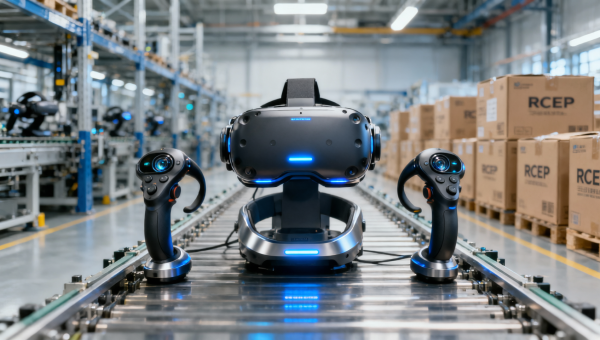
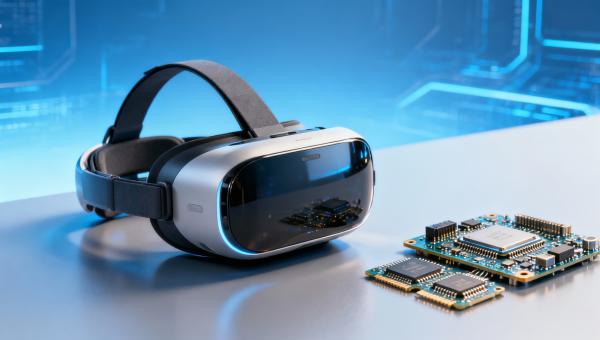
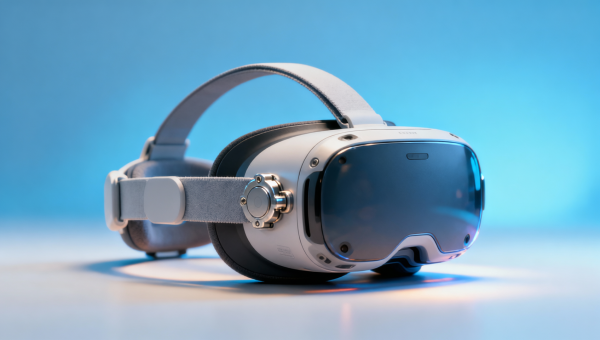
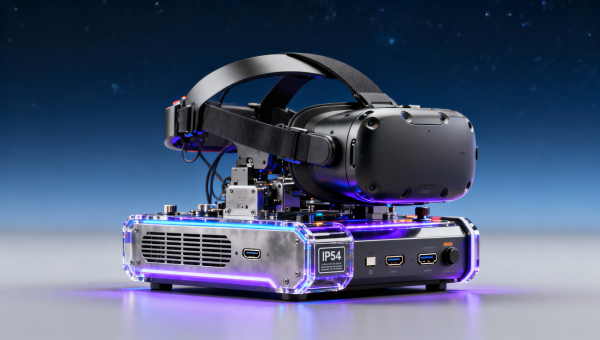
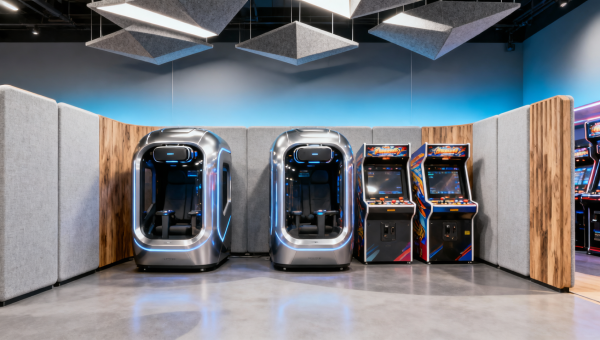
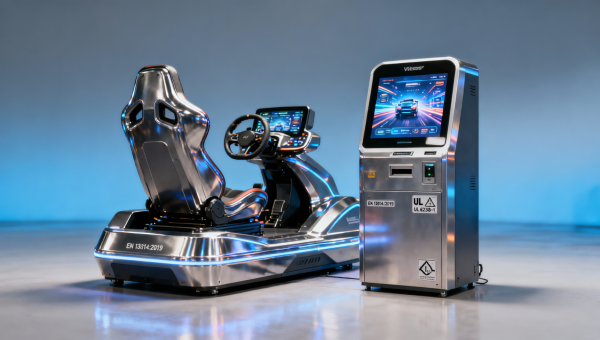
Global export prices for VR fitness devices rose 12.3% quarter-on-quarter in Q1 2026, with China maintaining top-tier delivery reliability—highlighting implications for international trade, hardware integration, and cross-border SaaS deployment teams.
Event Overview
According to China’s General Administration of Customs, the average export price of VR fitness devices (HS code 9504.50) to RCEP member countries reached $1,842 per unit in Q1 2026, a 12.3% increase from Q4 2025. The delivery on-time rate stood at 98.7%, exceeding rates in South Korea (92.1%) and Vietnam (86.5%). This data was released on April 15, 2026.
Industries Affected
Direct Exporters & OEM/ODM Trade Enterprises
These firms face dual pressure: higher unit pricing may compress overseas buyer margins, while the sustained premium on delivery reliability strengthens their competitive positioning in RCEP markets. Pricing adjustments must now account for embedded SDK licensing fees and eye-tracking module costs—not just hardware BOMs.
Hardware Integration & Embedded Software Providers
The shift toward modular delivery—separating hardware shipment from software activation or content rollout—directly impacts integration timelines and version control workflows. Firms supporting localized SDKs must now align release cycles with both hardware dispatch schedules and regional content licensing windows.
Supply Chain & Logistics Service Providers
With 98.7% on-time delivery performance tied closely to customs clearance efficiency and component traceability, logistics partners serving VR fitness exporters require tighter coordination on HS code classification accuracy (especially for hybrid hardware-software bundles) and documentation readiness for RCEP origin certification.
What Enterprises Should Monitor and Act On
Track official updates on RCEP digital trade annex implementation
While not yet active, the RCEP’s digital trade chapter may soon formalize treatment of bundled hardware-software exports. Current pricing trends—including SDK-related cost allocation—may inform upcoming classification guidance.
Monitor pricing drivers by component tier, not just end-device ASP
The 12.3% price rise stems primarily from eye-tracking modules and local content SDK licensing—not broad inflation. Procurement teams should isolate these inputs when benchmarking supplier quotes or renegotiating long-term agreements.
Distinguish between delivery reliability (measurable) and software deployment flexibility (emerging)
China’s 98.7% on-time rate reflects physical logistics strength; however, ‘modular delivery’ introduces new dependencies—e.g., SDK activation timelines, regional content store approvals, or cloud API uptime. These are not captured in customs delivery metrics but affect time-to-value for end users.
Prepare for phased compliance documentation
As modular delivery gains traction, customs documentation may need to reflect staged value realization—e.g., separate invoices for base hardware vs. licensed SDK access. Exporters should pre-test documentation flows with forwarders and customs brokers ahead of Q2 2026 shipments.
Editorial Observation / Industry Perspective
Analysis来看, this price increase is less a sign of broad supply-chain inflation and more a reflection of rising functional complexity—particularly around real-time biometric input (eye tracking) and regionalized software monetization. From industry角度看, it signals a structural shift: VR fitness is moving from ‘device-first’ to ‘hardware-plus-licensed-service’ export models. Current more appropriately understood as an early-stage signal—not yet a market-wide outcome—of how regulatory, technical, and commercial layers are converging in cross-border immersive health tech.
Conclusion
This data point underscores that export competitiveness in VR fitness is no longer defined solely by cost or speed—but by the coherence of hardware delivery, software modularity, and regional licensing readiness. It is best interpreted not as a pricing inflection, but as evidence of maturing export sophistication across China’s immersive hardware ecosystem.
Source Attribution
Main source: China General Administration of Customs, April 2026 Export Monitoring Report (Q1 2026, published April 15, 2026).
Items requiring ongoing observation: RCEP digital trade annex implementation timeline; evolution of customs valuation treatment for bundled hardware-software exports.
Search News
Hot Articles
- Jewelry Packaging & DisplayVietnam's New Regulation: Commercial VR Fitness Pods Must Undergo Local TUV SUD TestingApr 16, 2026
- Jewelry Packaging & DisplaySASO Updates Amusement Ride Standards: EMC Testing Now Mandatory for VR Fitness EquipmentApr 16, 2026
- Stage Lighting & TrussJIS T 0601-2-77:2026 Enforces New Audience Laser Limits in JapanApr 16, 2026
Popular Tags
Need ExpertConsultation?
Connect with our specialized leisureengineering team for procurementstrategies.
Recommended News
 Apr 16, 2026VR Fitness Device Export Prices Up 12% — China Supply Stability LeadsVR fitness device export prices up 12%—China’s supply stability and modular hardware-software delivery redefine global competitiveness. Act now.● Theme Park Strategist
 Apr 16, 2026Vietnam Mandates Local TUV SUD Type Testing for VR Fitness CabinsVR fitness cabins entering Vietnam must now pass local TÜV SÜD type testing in Hanoi—key for compliance, customs clearance & market access by July 1, 2026.● Theme Park Strategist
 Apr 16, 2026SASO Updates Playground Standards: VR Devices Now Require EMC TestingSASO now mandates EMC testing for VR playground devices in Saudi Arabia—key update for VR cycling, climbing & motion cabins exporters.● Theme Park Strategist
 Apr 15, 2026Vietnam's New Regulation: Commercial VR Fitness Pods Require Local TUV SUD TestingVietnam's new regulation mandates TUV SUD testing for commercial VR fitness pods. Learn how this impacts exporters, compliance timelines, and market entry strategies for Chinese manufacturers.● Theme Park Strategist
 Apr 15, 2026Global VR Fitness Equipment Export Prices Rise 12% YoY, China Maintains Supply Chain StabilityGlobal VR fitness equipment export prices surge 12% YoY in 2026 Q1, with China maintaining 96.3% delivery reliability. Key insights for VR hardware manufacturers & fitness distributors facing cost pressures.● Theme Park Strategist
 Apr 14, 2026US CPSC Seeks Comments on New Fitness Tracker Rules, Chinese Exporters Need UL/ETL ComplianceUS CPSC proposes new UL/ETL compliance rules for fitness trackers, impacting Chinese exporters. Learn key action points and industry impacts to stay ahead of regulatory changes affecting wearable tech exports to America.● Theme Park Strategist
 Apr 13, 20262026 Chinese Youth League Upgrades Format with VR Training PodsDiscover how China's 2026 Youth League VR training pods revolutionize football development, boosting exports by 210%. Learn about FIFA-certified tech transforming player training.● Theme Park Strategist
 Apr 09, 2026US CPSC Proposes New VR Safety Standards for Children's Indoor Play EquipmentUS CPSC proposes new VR safety standards for children's indoor play equipment, including dizziness testing and age grading. Learn how these regulations impact VR manufacturers and get compliance strategies.● Theme Park Strategist
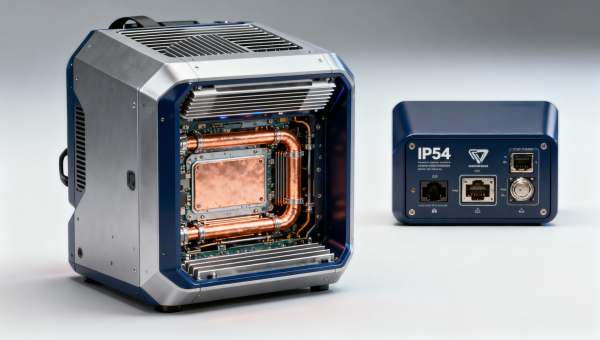
 Apr 15, 2026VR arcade machines with heat dissipation designed for 10+ hours/dayCommercial VR arcade machines with advanced heat dissipation—ideal for amusement equipment, sensory playgrounds, hotel equipment & educational supplies. Built for 10+ hrs/day reliability.● Theme Park Strategist
 Apr 15, 2026Arcade machines with service access points designed for technicians — not engineersCommercial furniture & amusement equipment with technician-first service access—ideal for hotel equipment, sensory playgrounds, and playground safety compliance. Boost uptime, cut labor costs.● Theme Park Strategist
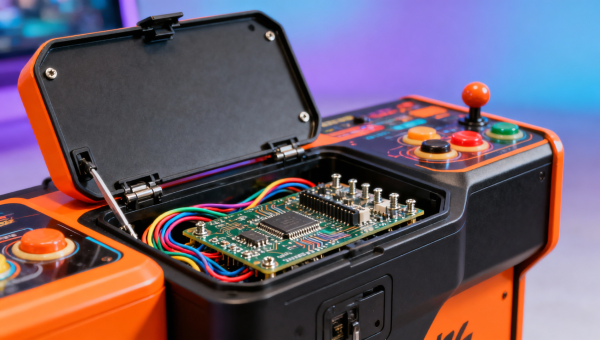
 Apr 14, 2026Arcade game cabinets with field-replaceable PCBs—cutting downtime by 70%Arcade games with field-replaceable PCBs cut downtime by 70%—ideal for office supplies, indoor playgrounds, trampoline parks & adventure playgrounds. Reliable, upgradable, certified.● Theme Park Strategist
 Apr 14, 2026Arcade games with the lowest long-term maintenance costArcade games offer the lowest long-term maintenance cost vs. trampoline parks, indoor playgrounds, adventure playgrounds & office supplies—discover TCO-optimized, certified solutions.● Theme Park Strategist
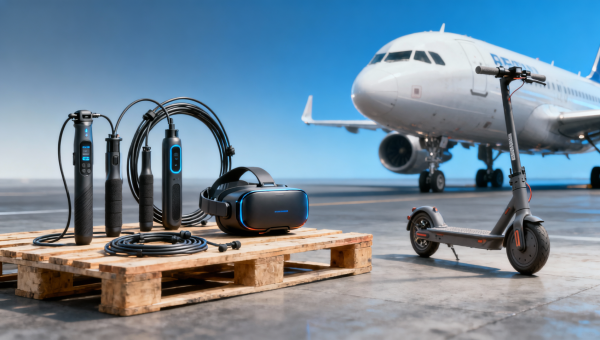
 Apr 08, 2026Middle East Tensions Raise Shipping Costs for Sports EquipmentMiddle East tensions spike shipping costs by 12% for sports equipment like smart fitness gear & e-scooters. Learn how exporters can navigate rising air freight fees & supply chain disruptions.● Theme Park Strategist
 Apr 08, 2026EU Updates EN 16830:2026 Eyewear Safety Standards, Chinese Sports Goggles Exporters Face 6-Month Certification DeadlineEU's EN 16830:2026 update raises safety standards for sports goggles, giving Chinese exporters just 6 months to comply with new impact resistance and UV protection rules. Learn critical deadlines and action steps for EU market access.● Theme Park Strategist
: Mandatory Bilingual Manuals & QR Code Traceability Take Effect April 15") Apr 01, 2026Vietnam's New Technical Standards for Imported Amusement Equipment (2026): Mandatory Bilingual Manuals & QR Code Traceability Take Effect April 15Vietnam's new 2026 standards mandate bilingual manuals & QR codes for imported amusement equipment. Chinese exporters must comply by April 15 to avoid customs issues. Learn key impacts & action steps.● Theme Park Strategist
Apr 01, 2026Vietnam's New Technical Standards for Imported Amusement Equipment (2026): Mandatory Bilingual Manuals & QR Code Traceability Take Effect April 15Vietnam's new 2026 standards mandate bilingual manuals & QR codes for imported amusement equipment. Chinese exporters must comply by April 15 to avoid customs issues. Learn key impacts & action steps.● Theme Park Strategist Apr 04, 2026Arcade & VR Machines Installers Now Source Cables and Mounts from Office Supplies WholesalersOffice supplies wholesaler? Discover UL-certified cables, mounts & trampoline park accessories — engineered for VR arcades, fast B2B delivery & global compliance.● Theme Park Strategist
 Mar 30, 2026Arcade & VR machines with ‘plug-and-play’ labeling—then the network handshake failsCommercial sourcing of arcade & VR machines? Avoid network handshake failures—ensure playground compliance, amusement ride parts interoperability, and hotel bar furniture integration.● Theme Park Strategist
 Mar 28, 2026Arcade game cabinets that don’t age gracefully—and why it matters for foot trafficArcade games, trampoline park anchors & luxury accessories demand durable hardware—discover why cabinet longevity drives foot traffic, ROI, and brand trust.● Theme Park Strategist
 Mar 28, 2026Arcade games with built-in loyalty systems: convenience or hidden maintenance drag?Arcade games with built-in loyalty systems: boost repeat visits in trampoline parks, luxury furniture venues & more—but weigh real maintenance costs first.● Theme Park Strategist
 Mar 28, 2026Golden Horse Amusement Equipment Sees Surge in Overseas VR Ride Orders: Industry ImplicationsGolden Horse Amusement Equipment reports 142% surge in overseas VR ride orders, transforming theme park markets in Southeast Asia and the Middle East with space-efficient, content-upgradable solutions.● Theme Park Strategist
 Mar 27, 2026Can supply chain solutions support just-in-time delivery for arcade & VR machine parts without increasing defect rates?Supply chain solutions for arcade & VR machines—backed by ODM services, OEM manufacturing, and commercial procurement expertise—enable true JIT delivery without raising defect rates.● Theme Park Strategist
 Mar 27, 2026What ODM services actually include when developing custom arcade & VR machines for global distributorsDiscover end-to-end ODM services for arcade & VR machines — supply chain solutions, commercial procurement, amusement park equipment, and more. Source with confidence.● Theme Park Strategist
 Mar 19, 2026Can Soundproofing Materials Be Integrated Into Existing Arcade & VR Machine Zones?Integrate soundproofing materials into arcade & VR zones for adventure playgrounds, trampoline parks, and theme park rides—boost playground safety, indoor/outdoor playground acoustics, and hospitality furniture compliance.● Theme Park Strategist
 Mar 19, 2026Arcade & VR Machines Procurement: Why Warranty Coverage Must Include On-Site Technician Response SLAsCommercial sourcing of arcade & VR machines demands on-site SLAs—like hotel equipment and premium accessories—ensuring uptime, ROI, and guest trust. Get expert warranty benchmarking now.● Theme Park Strategist