Vietnam's New Regulation: Commercial VR Fitness Pods Must Undergo Local TUV SUD Testing
Introduction
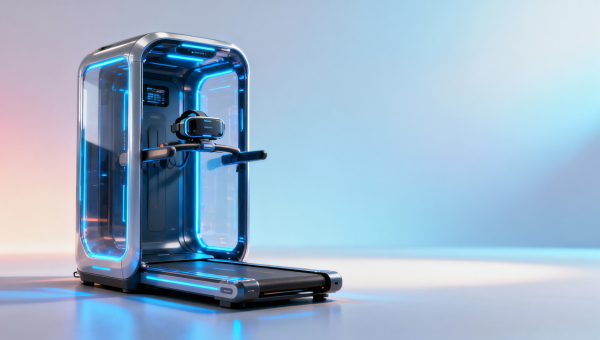
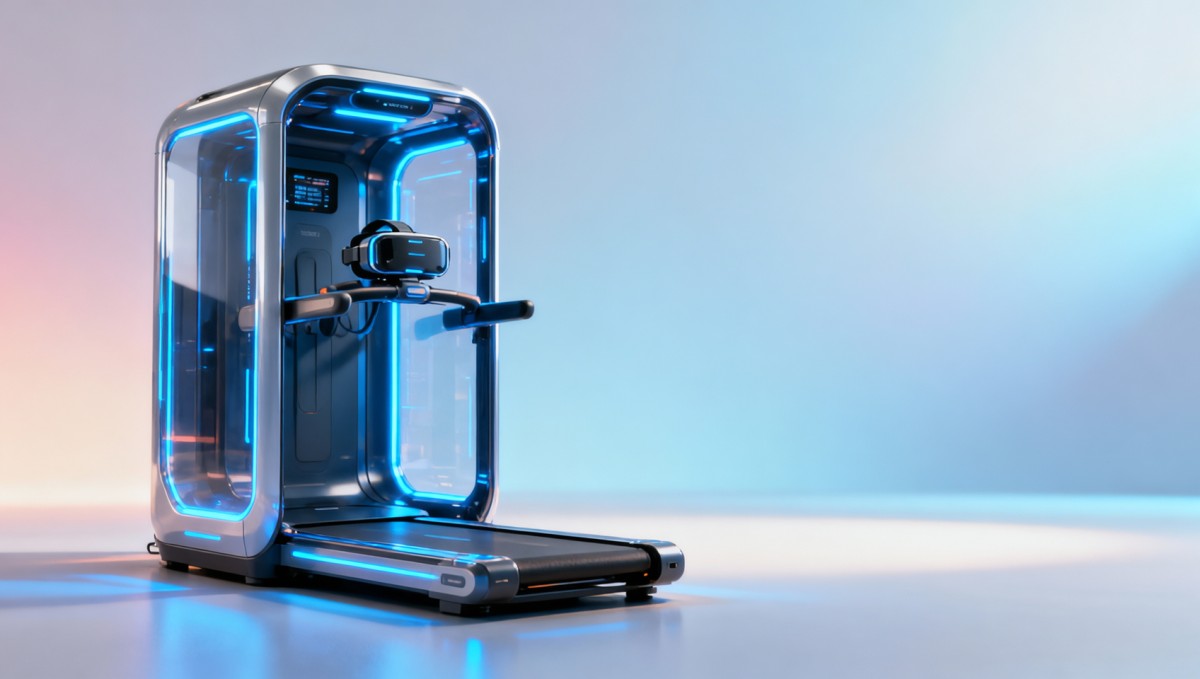
Starting April 14, 2026, Vietnam's Ministry of Industry and Trade (MOIT) will enforce Circular 18/2026/TT-BCT, mandating that all imported commercial VR fitness pods undergo local type testing by TUV SUD Vietnam. This regulation impacts exporters, particularly those from China, as it invalidates prior CNAS or IEC reports, extends customs clearance by ~18 days, and raises testing costs by 23%. Industries involved in VR fitness equipment trade, manufacturing, and supply chain logistics should closely monitor these changes.
Event Overview
Vietnam's MOIT Circular 18/2026/TT-BCT requires:
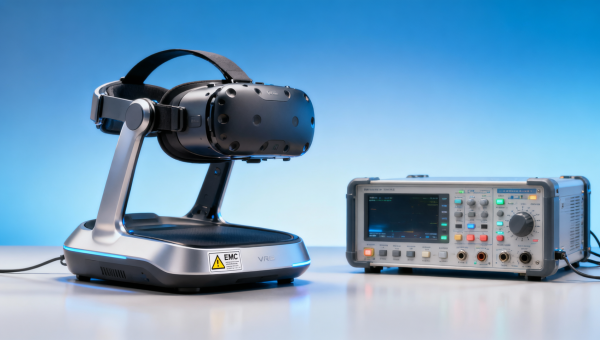
- Local type testing (structural safety, electrical protection, motion trajectory limits) for commercial VR fitness pods by TUV SUD Vietnam.
- CNAS or IEC reports from China no longer accepted for compliance.
- Effective date: April 14, 2026.
- Expected impact: +18 days to clearance, 23% higher testing costs for importers.
Affected Industries
VR Fitness Equipment Exporters
Chinese manufacturers face delayed market entry and higher compliance costs due to mandatory local testing. Previously accepted certifications are now obsolete, requiring rapid documentation adjustments.
Importers & Distributors in Vietnam
Increased lead times and costs may disrupt inventory planning and pricing strategies. Smaller importers could struggle with the 23% cost surge.
Supply Chain Service Providers
Logistics firms must account for extended customs delays (~18 days) in scheduling, potentially rerouting shipments to avoid bottlenecks.
Key Actions for Businesses
1. Update Technical Documentation
Align product specs with TUV SUD Vietnam’s testing criteria (e.g., motion trajectory limits). Pre-testing prototypes locally can reduce post-enforcement delays.
2. Localize Compliance Partnerships
Collaborate with TUV SUD Vietnam early to streamline testing. Explore bundled services for multiple shipments to mitigate cost hikes.
3. Adjust Supply Chain Timelines
Factor in +18 days for clearance in contracts and inventory buffers. Prioritize air freight for time-sensitive orders.
Industry Observation
Analysis suggests this move reflects Vietnam’s tightening control over digital fitness imports. While it currently targets VR pods, the policy may expand to other smart gym equipment. Businesses should treat it as a regulatory signal for broader tech hardware scrutiny.
Conclusion
Vietnam’s new testing mandate reshapes compliance dynamics for VR fitness exporters. Proactive adaptation—through documentation updates, local testing partnerships, and supply chain adjustments—will be critical to maintaining market access. Monitor MOIT updates for potential policy expansions.
Sources: Vietnam MOIT Circular 18/2026/TT-BCT, TUV SUD Vietnam. Ongoing: Watch for testing protocol revisions post-implementation.
Search News
Hot Articles
Popular Tags
Need ExpertConsultation?
Connect with our specialized leisureengineering team for procurementstrategies.
Recommended News
 Apr 16, 2026Vietnam's New Regulation: Commercial VR Fitness Pods Must Undergo Local TUV SUD TestingVietnam's new regulation mandates TUV SUD testing for commercial VR fitness pods from April 2026, impacting exporters with 23% higher costs and 18-day delays. Learn key compliance strategies.● Luxury Retail Analyst
 Apr 16, 2026SASO Updates Amusement Ride Standards: EMC Testing Now Mandatory for VR Fitness EquipmentSASO's new 2770:2026 standard mandates EMC testing for VR fitness equipment in Saudi Arabia. Learn how this impacts manufacturers, importers & certification services. Stay compliant with latest amusement ride regulations.● Luxury Retail Analyst
 Apr 18, 2026Luxury jewelry packaging: When minimalist boxes backfire on shelf appealTrampoline park, indoor playground & adventure playground packaging demands? Discover why luxury jewelry boxes fail—and how to fix shelf appeal across arcade games, musical instruments & office supplies.● Luxury Retail Analyst
 Apr 17, 2026Why luxury jewelry display cases matter more than you thinkLuxury jewelry display cases elevate trampoline parks, indoor playgrounds, arcade games & adventure playgrounds—boosting brand value, safety, and engagement.● Luxury Retail Analyst
 Apr 16, 2026Supply chain solutions for jewelry packaging: How lead time variance breaks seasonal launchesSupply chain solutions for jewelry packaging: Cut lead time variance, ensure on-time seasonal launches for designer eyewear, OEM manufacturing & luxury goods.● Luxury Retail Analyst
 Apr 16, 2026Custom jewelry packaging that enhances perceived valueCustom jewelry packaging for luxury accessories, timepieces & orchestral instruments—engineered for institutional buyers seeking premium unboxing, compliance & ROI.● Luxury Retail Analyst
 Apr 15, 2026Jewelry display cases that meet museum-grade UV and humidity controlsCommercial furniture meets museum-grade precision: UV-stable, humidity-controlled jewelry display cases for amusement equipment, sensory playgrounds, hotel tables & educational supplies.● Luxury Retail Analyst
 Apr 14, 2026Luxury jewelry packaging that survives transit—but not retail handlingLuxury jewelry, office supplies & musical instruments—discover transit-strong, retail-ready packaging that excels for trampoline parks, indoor playgrounds, arcade games and adventure playgrounds.● Luxury Retail Analyst
 Apr 14, 2026Luxury jewelry display cases that prevent tarnish without humidity controlLuxury jewelry display cases prevent tarnish without humidity control—ideal for office supplies, musical instruments, arcade games & adventure playgrounds.● Luxury Retail Analyst
 Apr 10, 2026Jewelry packaging & display suppliers rarely share shelf-life test data for eco-materialsDiscover verified shelf-life data for eco-packaging—trusted by OEM jewelry, ODM watches & designer eyewear brands. Get supply chain solutions that deliver transparency, not just promises.● Luxury Retail Analyst
 Apr 11, 2026Commercial kitchen suppliers offer modular design — but jewelry packaging doesn’t. Why?Unlock modular packaging for ODM watches, OEM jewelry & designer eyewear—agile supply chain solutions, premium accessories, commercial procurement made flexible.● Luxury Retail Analyst
 Mar 30, 2026Jewelry packaging & display units designed for retail are cracking under warehouse stacking pressureOEM jewelry displays failing under warehouse stacking? Discover stacking-ready solutions for hotel cabinets, playground components, live sound equipment & commercial procurement.● Luxury Retail Analyst
 Mar 28, 2026Custom jewelry packaging ordered with foil stamping often arrives with misaligned logos — and replacements take 3 weeksIndoor playground & adventure playground suppliers: Fix foil stamping misalignment in safety signage, luxury timepieces, DJ equipment—get verified ≤±0.2mm precision now.● Luxury Retail Analyst
") Mar 28, 2026Why luxury jewelry packaging fails under real retail lighting (not studio shots)Discover why trampoline park signage, luxury jewelry packaging, arcade games, and musical instruments—including string, wind & keyboard instruments—fail under real retail lighting. Expert insights for procurement pros.● Luxury Retail Analyst
Mar 28, 2026Why luxury jewelry packaging fails under real retail lighting (not studio shots)Discover why trampoline park signage, luxury jewelry packaging, arcade games, and musical instruments—including string, wind & keyboard instruments—fail under real retail lighting. Expert insights for procurement pros.● Luxury Retail Analyst Mar 28, 2026Luxury jewelry display cases that compromise climate control—and how quietly they erode valueDiscover climate-intelligent display cases for trampoline parks, luxury jewelry, musical instruments, arcade games & luxury furniture—preserve value, not just aesthetics.● Luxury Retail Analyst
 Mar 27, 2026Why jewelry packaging & display suppliers shifted from generic ODM services to co-developed design-to-logistics packages in 2026Discover how top amusement park equipment & luxury accessories suppliers leverage co-developed supply chain solutions, ODM services, and OEM manufacturing for faster, compliant commercial procurement.● Luxury Retail Analyst
 Mar 19, 2026Luxury Jewelry Packaging & Display Units That Meet EU EPR Compliance in 2026Luxury jewelry display units & commercial furniture for amusement parks—EU EPR compliant by 2026. OEM jewelry, ODM watches, custom jewelry & premium accessories—certified, traceable, ready to install.● Luxury Retail Analyst
 Mar 19, 2026How Many Microfiber Jewelry Bags Fit in a Standard 20ft Container Without Compression Damage?Microfiber jewelry bags wholesale—discover safe 20ft container capacity (48K–75K units) + trusted suppliers for cross necklaces, amber jewelry, gemstone cabochons & more.● Luxury Retail Analyst
 Mar 19, 2026How Microfiber Jewelry Bags Prevent Oxidation During 90-Day Transit to North American DistributorsMicrofiber jewelry bags prevent oxidation in 90-day transit—essential for cross necklaces wholesale, amber jewelry manufacturer shipments, gemstone cabochons wholesale & more.● Luxury Retail Analyst