Global VR Fitness Device Export Price Up 12% in Q1 2026
Global export prices for VR fitness devices rose 12.3% quarter-on-quarter to $2,840 per unit in Q1 2026, driven by expanded commercial demand in North America and Europe and higher input costs for chips and Micro-LED modules. The data, released on April 19, 2026, signals notable shifts for exporters, component buyers, and logistics providers — particularly those engaged in cross-border trade of VR-enabled exercise equipment.
Event Overview
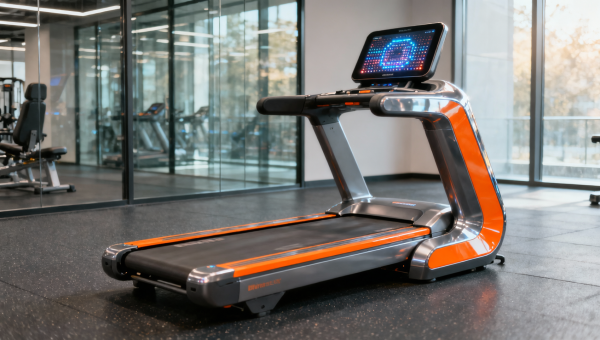
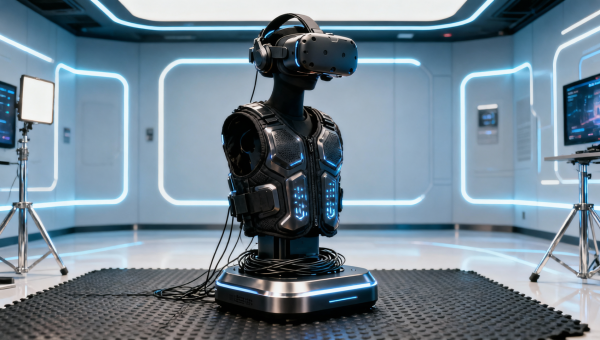
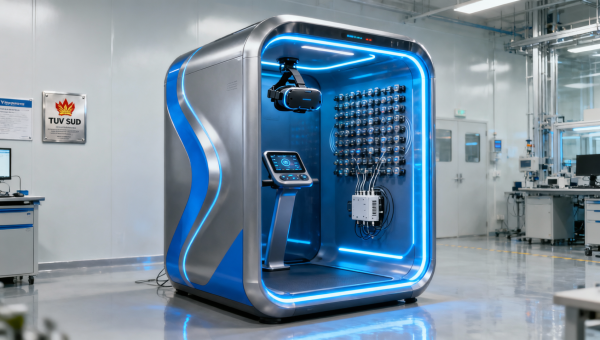
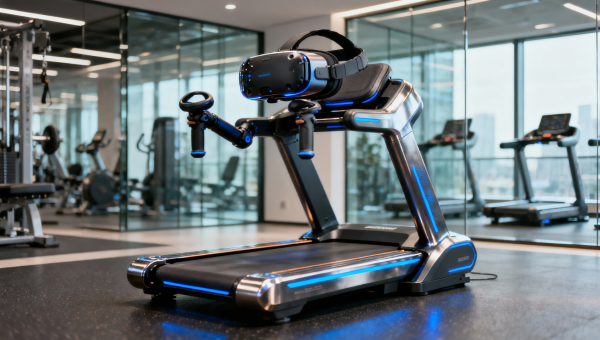
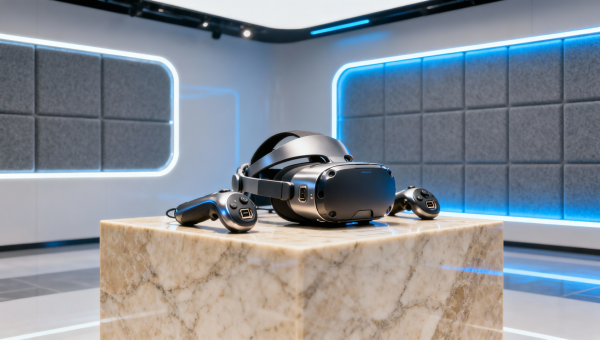
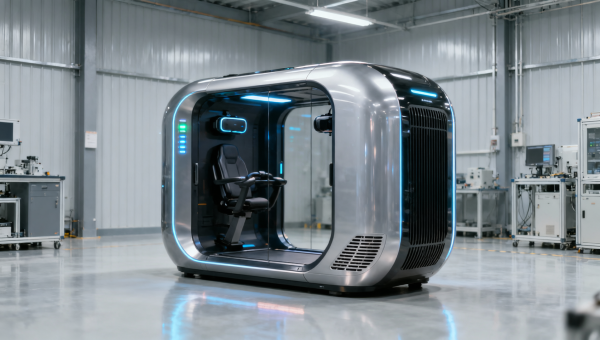
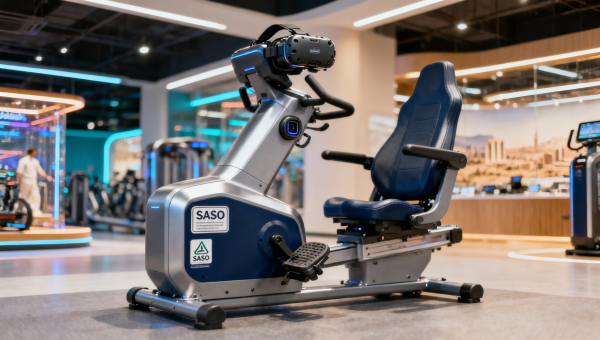
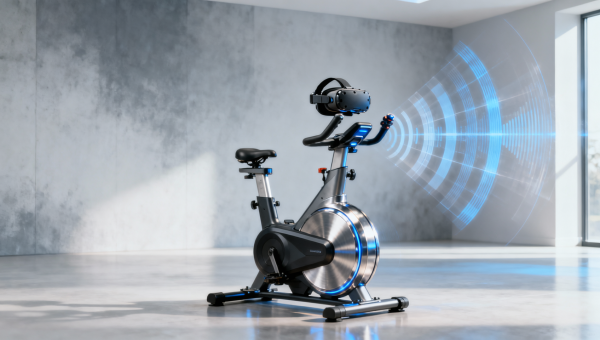
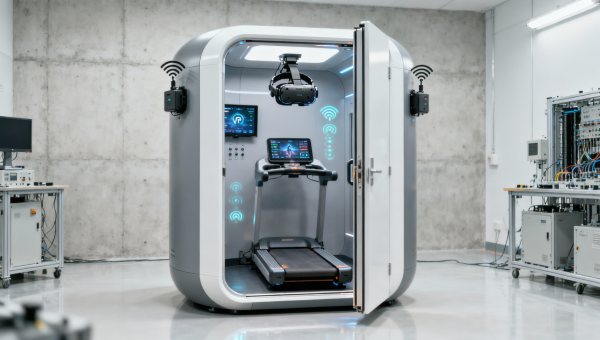
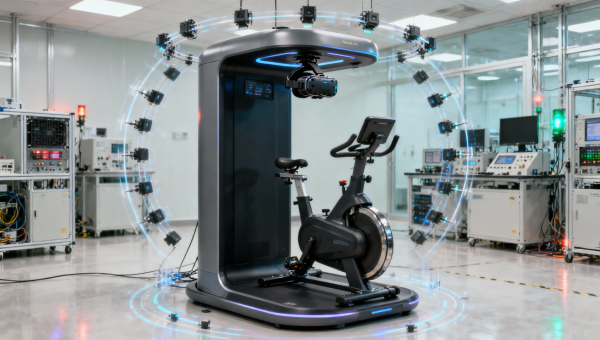
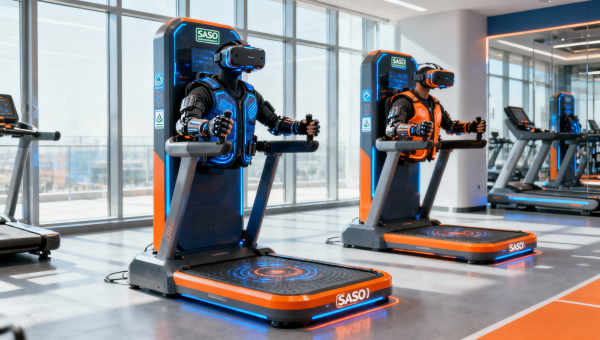
According to joint Q1 2026 data published on April 19, 2026 by China’s General Administration of Customs and Global Trade Analytics, the global export average price of VR fitness devices — including VR-connected stationary bikes, interactive treadmills, and immersive training pods — reached $2,840 per unit, a 12.3% increase from the previous quarter. The top five Chinese exporting manufacturers maintained an average on-time delivery rate of 98.6%, outperforming Southeast Asian peers at 91.2%.
Impact on Specific Industry Segments
Direct Trading Enterprises: Exporters face tighter margin pressure due to rising unit values, especially where pricing is fixed under long-term contracts signed before Q1. Revenue per shipment increases, but cost pass-through lags may compress short-term profitability.
Raw Material Procurement Firms: Buyers of semiconductors and Micro-LED display modules are exposed to upstream cost volatility. The reported price rise correlates with documented increases in chip and advanced display component costs — suggesting procurement cycles may need re-evaluation for lead time and hedging strategies.
Contract Manufacturing & Assembly Providers: Higher export valuations reflect stronger end-market acceptance, yet delivery performance differentials (98.6% vs. 91.2%) highlight growing client emphasis on supply chain reliability over lowest-cost sourcing. This may shift tender criteria toward operational consistency metrics.
Distribution & Channel Operators: Importers and regional distributors in North America and Europe may experience delayed inventory turnover as higher landed costs prompt cautious restocking — particularly for mid-tier commercial gym deployments where ROI calculations are sensitive to equipment CAPEX.
Supply Chain Service Providers: Logistics and customs compliance firms supporting VR fitness exports must anticipate more frequent valuation audits and documentation reviews, given the sharp quarterly price change. Accuracy in HS code classification (e.g., distinguishing between consumer VR headsets and integrated fitness hardware) becomes more consequential.
Key Considerations and Recommended Actions
Monitor official tariff and statistical classification updates
The 12.3% price jump may trigger closer scrutiny from importing-country customs authorities. Firms should verify current HS code assignments for VR fitness devices — especially where dual-use components (e.g., motion sensors, high-refresh displays) could affect duty rates or regulatory pathways.
Track regional demand drivers, not just headline averages
The price increase is attributed to commercial market expansion in North America and Europe — not broad-based consumer adoption. Exporters and channel partners should prioritize engagement with B2B clients (e.g., gym chains, corporate wellness providers) rather than assuming uniform growth across retail segments.
Distinguish between cost-driven and value-driven pricing signals
This price rise stems from input cost inflation and demand-side commercial scaling — not premium branding or feature upgrades. Businesses should avoid interpreting it as validation for unilateral price hikes without corresponding service or reliability enhancements.
Assess delivery performance benchmarks ahead of contract renewals
With Chinese manufacturers sustaining 98.6% on-time delivery versus 91.2% regionally, procurement teams evaluating alternative suppliers should explicitly include verified delivery KPIs — not just quoted lead times — in vendor scorecards.
Editorial Perspective / Industry Observation
From an industry perspective, this price movement is better understood as a near-term cost-and-demand inflection point — not a structural shift in market valuation. The sustained delivery advantage held by leading Chinese manufacturers suggests that operational resilience remains a differentiator even amid rising input costs. Analysis来看, the data reflects tightening coordination between hardware production and commercial deployment timelines, rather than speculative pricing behavior. Current more relevant interpretation is that supply chain execution quality is becoming a prerequisite for participation in high-growth VR fitness export lanes — not merely a competitive differentiator.
It is not yet evidence of broad-based pricing power, nor does it signal imminent consolidation. Rather, it marks a phase where cost management and delivery fidelity jointly determine access to expanding commercial opportunities.
Conclusion
This Q1 2026 pricing and delivery data underscores a maturing export dynamic: VR fitness hardware is transitioning from novelty-driven sales to infrastructure-grade procurement, where cost transparency, component traceability, and logistical predictability carry equal weight to product specs. For stakeholders, the trend is best interpreted not as a margin opportunity, but as a threshold for operational readiness in international B2B markets.
Information Sources
Main source: Joint Q1 2026 report by China’s General Administration of Customs and Global Trade Analytics, published April 19, 2026.
Areas requiring ongoing observation: Subsequent quarterly export price trends; regional breakdowns of delivery performance by destination market; official revisions to Harmonized System (HS) classifications for VR-integrated fitness equipment.
Search News
Hot Articles
Popular Tags
Need ExpertConsultation?
Connect with our specialized leisureengineering team for procurementstrategies.
Recommended News
 Apr 20, 2026Global VR Fitness Device Export Price Up 12% in Q1 2026VR fitness device export prices surged 12% in Q1 2026—discover key drivers, regional impacts, and strategic actions for exporters, suppliers & logistics partners.● Theme Park Strategist
 Apr 20, 2026SASO Updates VR Haptic Device EMC Standard to Class B in Saudi ArabiaSASO VR haptic device EMC update: Class B standard now mandatory in Saudi Arabia from July 1, 2026. Ensure compliance for VR/AR hardware, imports & venues.● Theme Park Strategist
 Apr 20, 2026Vietnam TUV SUD Enforces Local Type Test for Commercial VR Fitness CabinsVietnam TUV SUD now mandates local type testing for commercial VR fitness cabins — including latency, EMC & safety checks. Act now to secure QCVN compliance and market access.● Theme Park Strategist
 Apr 17, 2026Global VR Fitness Equipment Export Prices Rise 12% in Q1 2026VR fitness equipment export prices surge 12.3% in Q1 2026—key insights for exporters, manufacturers & supply chain partners on compliance, pricing, and delivery trends.● Theme Park Strategist
 Apr 17, 2026SASO 2891:2026 Updated: VR Haptic Devices Now Require EMC Class B in Saudi ArabiaSASO 2891:2026 update mandates EMC Class B for VR haptic devices in Saudi Arabia — critical for OEMs, exporters & EdTech suppliers. Act now to avoid delays!● Theme Park Strategist
 Apr 17, 2026Vietnam TUV SUD Mandates Local Type Testing for VR Fitness CabinsVR fitness cabins for gyms & hotels in Vietnam now require local type testing—EMC, thermal, and AI fall detection—to obtain VIEC certification. Act now to avoid delays!● Theme Park Strategist
 Apr 16, 2026VR Fitness Device Export Prices Up 12% — China Supply Stability LeadsVR fitness device export prices up 12%—China’s supply stability and modular hardware-software delivery redefine global competitiveness. Act now.● Theme Park Strategist
 Apr 16, 2026Vietnam Mandates Local TUV SUD Type Testing for VR Fitness CabinsVR fitness cabins entering Vietnam must now pass local TÜV SÜD type testing in Hanoi—key for compliance, customs clearance & market access by July 1, 2026.● Theme Park Strategist
 Apr 16, 2026SASO Updates Playground Standards: VR Devices Now Require EMC TestingSASO now mandates EMC testing for VR playground devices in Saudi Arabia—key update for VR cycling, climbing & motion cabins exporters.● Theme Park Strategist
 Apr 15, 2026Vietnam's New Regulation: Commercial VR Fitness Pods Require Local TUV SUD TestingVietnam's new regulation mandates TUV SUD testing for commercial VR fitness pods. Learn how this impacts exporters, compliance timelines, and market entry strategies for Chinese manufacturers.● Theme Park Strategist
 Apr 15, 2026Global VR Fitness Equipment Export Prices Rise 12% YoY, China Maintains Supply Chain StabilityGlobal VR fitness equipment export prices surge 12% YoY in 2026 Q1, with China maintaining 96.3% delivery reliability. Key insights for VR hardware manufacturers & fitness distributors facing cost pressures.● Theme Park Strategist
 Apr 14, 2026US CPSC Seeks Comments on New Fitness Tracker Rules, Chinese Exporters Need UL/ETL ComplianceUS CPSC proposes new UL/ETL compliance rules for fitness trackers, impacting Chinese exporters. Learn key action points and industry impacts to stay ahead of regulatory changes affecting wearable tech exports to America.● Theme Park Strategist
 Apr 13, 20262026 Chinese Youth League Upgrades Format with VR Training PodsDiscover how China's 2026 Youth League VR training pods revolutionize football development, boosting exports by 210%. Learn about FIFA-certified tech transforming player training.● Theme Park Strategist
 Apr 09, 2026US CPSC Proposes New VR Safety Standards for Children's Indoor Play EquipmentUS CPSC proposes new VR safety standards for children's indoor play equipment, including dizziness testing and age grading. Learn how these regulations impact VR manufacturers and get compliance strategies.● Theme Park Strategist
 Apr 19, 2026Global VR Fitness Device Export Prices Rise 12.3% QoQVR fitness device export prices surge 12.3% QoQ to $2,840 — driven by EU EN 1176-7 & US CPSC compliance. Key insights for exporters, manufacturers & logistics partners.● Theme Park Strategist
 Apr 19, 2026SASO Updates EMC Standard for VR Haptic Devices in Saudi ArabiaSASO EMC update for VR haptic devices in Saudi Arabia: Class B limits effective July 2026 — retest now to avoid shipment delays & customs hold.● Theme Park Strategist
 Apr 19, 2026Vietnam TUV SUD New Rule: VR Fitness Cabins Require Local Type TestingVR fitness cabins entering Vietnam now require local TUV SUD type testing — EMC, motion sickness & Wi-Fi 6E stability checks. Act now to avoid delays & customs rejection.● Theme Park Strategist
 Apr 19, 2026SMT Launches 'PopBadminton AI' Standard API ProtocolPopBadminton AI Standard API Protocol launched — unified badminton equipment interface for serve speed, landing tracking & motion recognition. Open-source, cross-platform (HarmonyOS/Android 15/iOS 19), adopted by Macau & Malaysia.● Theme Park Strategist
 Apr 18, 2026Global VR Fitness Device Export Prices Rise 12% QoQVR fitness device export prices surge 12% QoQ—key insight for OEMs, logistics providers & distributors in SEA and Middle East markets.● Theme Park Strategist
 Apr 18, 2026Vietnam TUV SUD New Rule: VR Fitness Cabins Require Local Type TestVR fitness cabins for commercial use in Vietnam now require local type testing per TUV SUD’s new rule—act before July 1, 2026 to avoid delays & extra costs.● Theme Park Strategist
 Apr 18, 2026SASO Updates EMC Standard for VR Haptic Devices in Saudi ArabiaSASO EMC update for VR haptic devices: Class B testing now mandatory in Saudi Arabia — critical for exporters, ODMs & distributors targeting gyms, malls & schools.● Theme Park Strategist
 Apr 18, 2026Arcade games ROI timeline: When do redemption units typically break even?Arcade games ROI timeline revealed: redemption units break even in 8–18 months. Compare performance with trampoline park, indoor playground & adventure playground investments.● Theme Park Strategist
 Apr 17, 2026Arcade games with cashless payment: Is retrofitting worth it?Arcade games cashless retrofitting boosts revenue & compliance—explore ROI, TCO, and certified kits for trampoline parks, indoor playgrounds & adventure playgrounds.● Theme Park Strategist
 Apr 17, 2026Amusement equipment maintenance costs no one talks about upfrontAmusement equipment maintenance costs shock buyers—especially for sensory playgrounds, playground climbers & borders. Discover hidden TCO drivers in commercial furniture, hotel equipment & playground safety systems.● Theme Park Strategist