Vietnam TUV SUD New Rule: VR Fitness Cabins Require Local Type Testing
On April 17, 2026, TUV SUD Vietnam updated its Technical Guidelines for Import of Commercial Fitness Equipment, mandating local type testing for all commercial VR fitness cabins entering the Vietnamese market — a development directly affecting Chinese exporters of arcade and VR fitness machines, EMC-certified hardware integrators, and Wi-Fi 6E-enabled fitness OEMs.
Event Overview
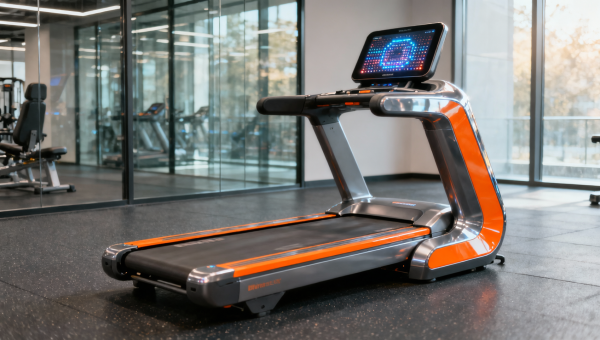
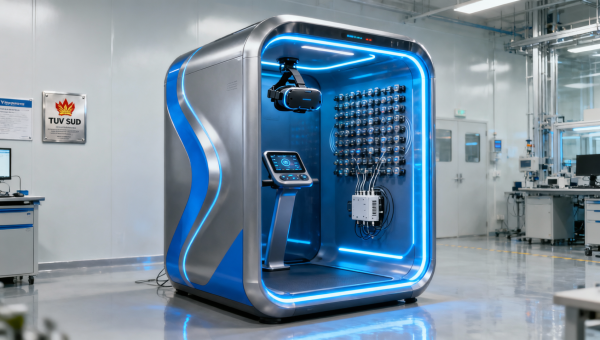
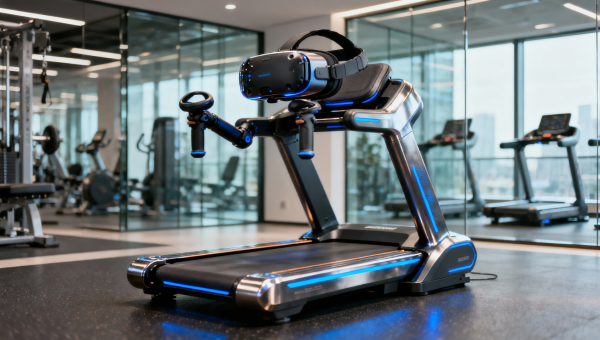
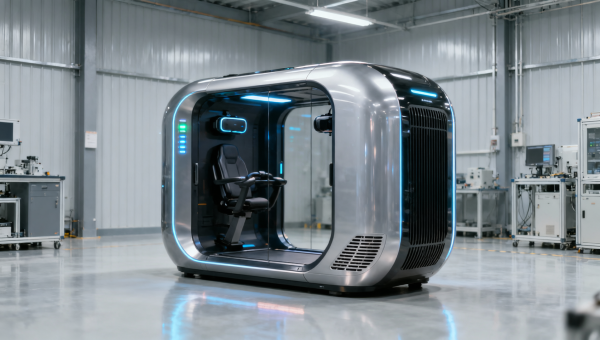
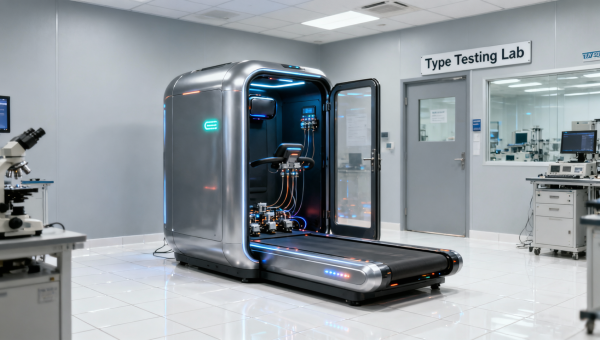
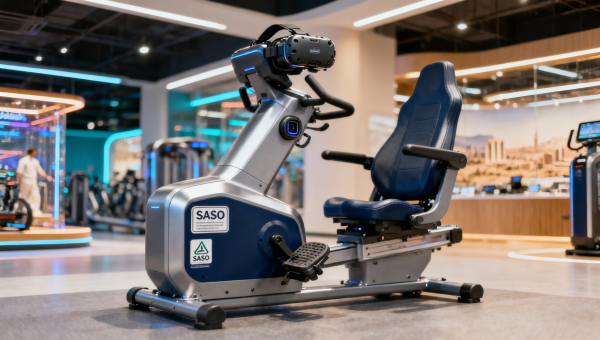
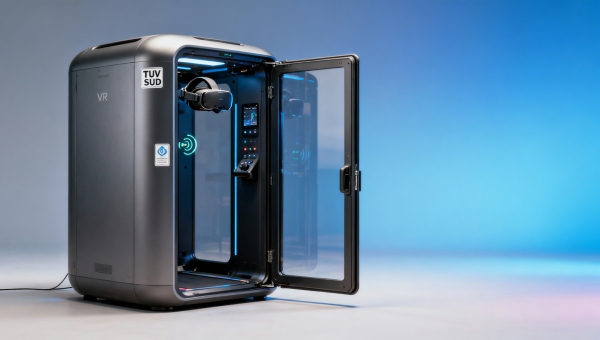
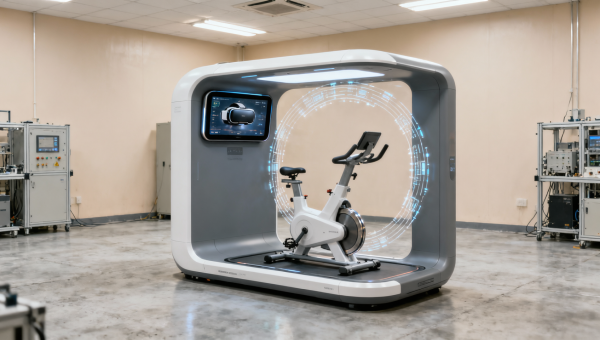
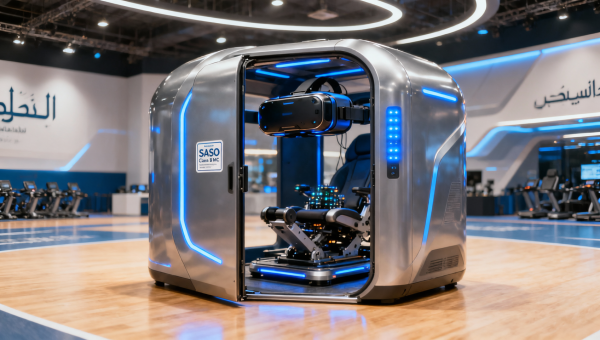
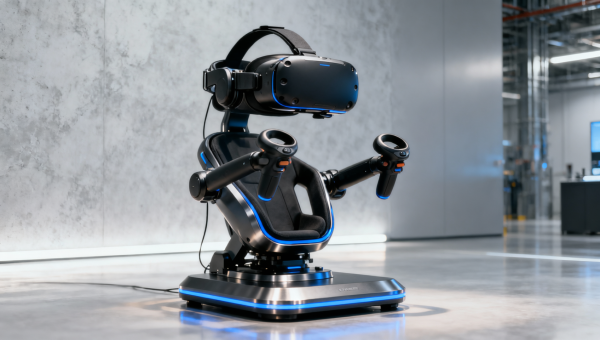
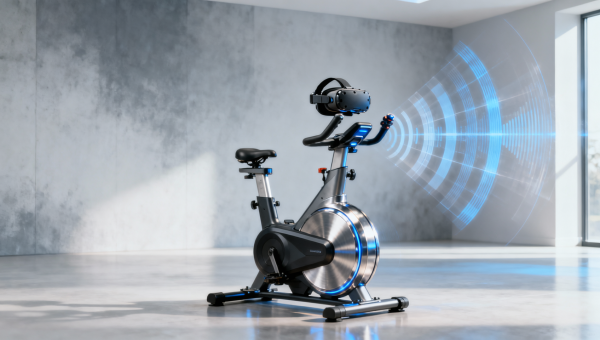
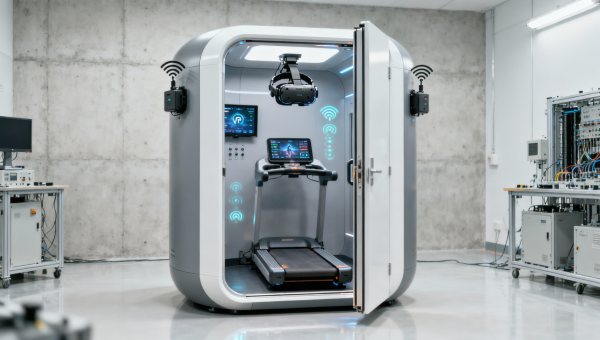
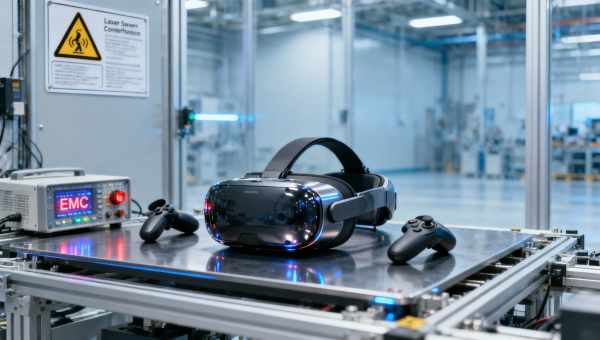
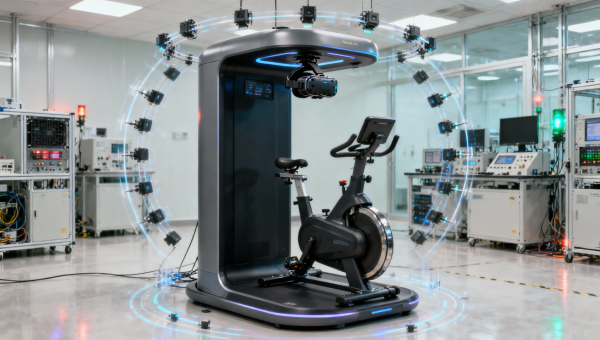
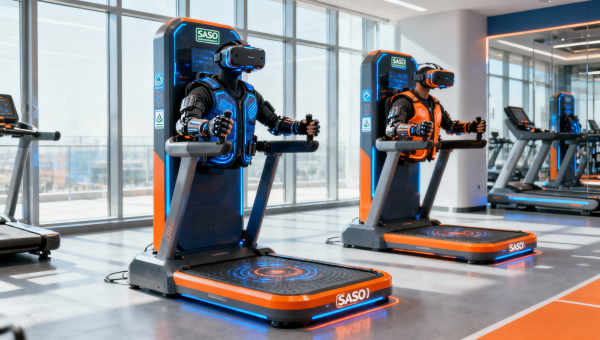
On April 17, 2026, TUV SUD Vietnam issued an update to its Technical Guidelines for Import of Commercial Fitness Equipment. Effective May 1, 2026, all VR-based commercial fitness cabins — including treadmill VR modules, VR-enabled stationary bike kits, and strength-training systems with real-time VR feedback — must undergo mandatory local type testing at TUV SUD’s Ho Chi Minh City laboratory. The test covers three compulsory items: electromagnetic compatibility (EMC) immunity, human-subject motion sickness threshold evaluation under VR conditions, and Wi-Fi 6E channel stability verification. Chinese exporters of arcade and VR fitness machines are advised to adjust delivery timelines and budget USD 1,200–2,800 per model for testing fees.
Industries Affected
Direct Exporters (China-based)
Chinese manufacturers and trading companies exporting VR fitness cabins to Vietnam face immediate compliance obligations. Because the testing must be conducted locally in Ho Chi Minh City — not accepted via overseas lab reports — export lead times will extend by 3–6 weeks per model, and per-model certification costs ($1,200–$2,800) introduce new cost line items not previously accounted for in pricing or contracts.
OEM/ODM Hardware Integrators
Firms supplying VR modules, motion-tracking sensors, or Wi-Fi 6E communication boards to fitness cabin assemblers must now ensure their components meet the specific EMC immunity profiles and latency tolerances required for the full-system VR晕动 (motion sickness) and Wi-Fi 6E stability tests. Component-level pre-validation may no longer suffice without system-level co-testing.
Distribution & Aftermarket Service Providers
Vietnamese distributors and service partners importing or supporting VR fitness cabins will need to verify test completion prior to customs clearance. Inventory planning must now include documentation readiness — untested units risk detention or rejection at entry, disrupting rollout schedules for gym chains and wellness centers.
Key Considerations and Recommended Actions
Monitor official implementation notices from TUV SUD Vietnam
The April 17 guideline is effective May 1, 2026, but formal test protocols, sample submission procedures, and certificate validity periods have not yet been published publicly. Exporters should subscribe to TUV SUD Vietnam’s regulatory bulletins and confirm whether transitional arrangements apply to shipments already en route before May 1.
Identify and prioritize models slated for Vietnam launch
Given the $1,200–$2,800 per-model fee and multi-week turnaround, companies should triage models by expected volume, revenue contribution, and regulatory risk profile. High-volume treadmill VR modules and bike kits warrant earliest scheduling; low-volume specialty units may require re-evaluation of market entry timing.
Verify lab capacity and booking windows with TUV SUD Ho Chi Minh City
Local lab capacity is limited. Early engagement with TUV SUD’s HCMC office is recommended to secure test slots and clarify documentation requirements — especially for human-subject VR testing, which involves participant recruitment, ethics review, and controlled environmental setup.
Update internal compliance checklists and contract terms
Exporters should revise standard sales agreements to allocate responsibility for local testing costs and delays. Internal quality control workflows must now include pre-shipment verification of Wi-Fi 6E firmware version, EMC shielding integrity, and VR software build consistency — all subject to audit during local testing.
Editorial Perspective / Industry Observation
From an industry perspective, this requirement signals Vietnam’s shift toward treating integrated VR fitness hardware not as general consumer electronics, but as regulated electromedical-adjacent equipment — particularly due to the inclusion of human-subject VR motion sickness evaluation. Analysis来看, it reflects growing regional scrutiny of immersive technology’s physiological impact in commercial settings. Observation来看, the mandate appears less about technical protectionism and more about establishing a baseline for post-market safety accountability, especially as VR fitness adoption accelerates across Southeast Asian gyms and wellness hubs. Current enforcement scope remains narrowly defined (VR fitness cabins only), and does not yet extend to standalone VR headsets or non-fitness VR applications — making it a targeted, not systemic, regulatory step.
It is better understood as an early-stage compliance signal — not yet a mature regulatory regime — requiring responsiveness but not wholesale redesign. Industry players should treat it as a procedural checkpoint rather than a fundamental product redesign trigger, unless their current designs fall short on documented Wi-Fi 6E stability or EMC resilience.
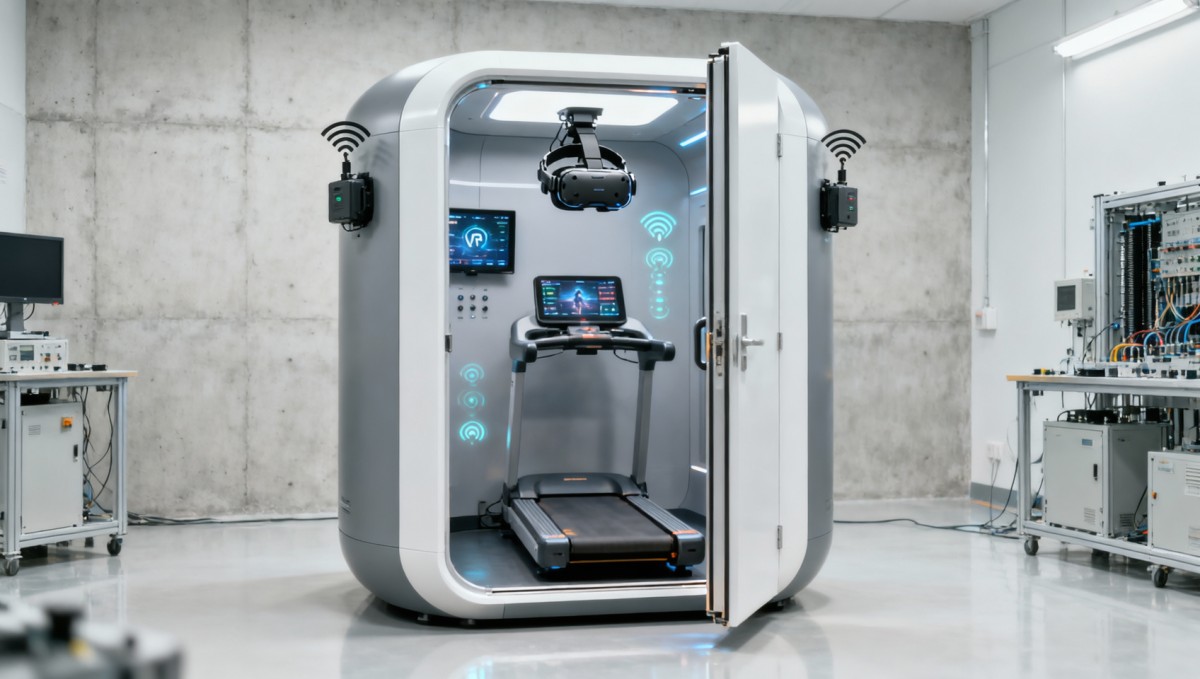
In summary, this update introduces a concrete, localized compliance gate for VR fitness hardware entering Vietnam — one that reshapes cost structures, lead times, and cross-border coordination for exporters and integrators. Its significance lies not in scale or novelty, but in its specificity: it marks the first known national-level requirement tying VR immersion metrics (e.g., motion sickness thresholds) to import eligibility. For now, it is best interpreted as a focused, actionable regulatory milestone — not a broad policy shift — demanding operational adaptation, not strategic pivot.
Source: TUV SUD Vietnam, Technical Guidelines for Import of Commercial Fitness Equipment, revised April 17, 2026. Note: Test protocol details, application forms, and transitional provisions remain pending official publication and are subject to ongoing observation.
Search News
Hot Articles
Popular Tags
Need ExpertConsultation?
Connect with our specialized leisureengineering team for procurementstrategies.
Recommended News
 Apr 20, 2026Global VR Fitness Device Export Price Up 12% in Q1 2026VR fitness device export prices surged 12% in Q1 2026—discover key drivers, regional impacts, and strategic actions for exporters, suppliers & logistics partners.● Theme Park Strategist
 Apr 20, 2026SASO Updates VR Haptic Device EMC Standard to Class B in Saudi ArabiaSASO VR haptic device EMC update: Class B standard now mandatory in Saudi Arabia from July 1, 2026. Ensure compliance for VR/AR hardware, imports & venues.● Theme Park Strategist
 Apr 20, 2026Vietnam TUV SUD Enforces Local Type Test for Commercial VR Fitness CabinsVietnam TUV SUD now mandates local type testing for commercial VR fitness cabins — including latency, EMC & safety checks. Act now to secure QCVN compliance and market access.● Theme Park Strategist
 Apr 17, 2026Global VR Fitness Equipment Export Prices Rise 12% in Q1 2026VR fitness equipment export prices surge 12.3% in Q1 2026—key insights for exporters, manufacturers & supply chain partners on compliance, pricing, and delivery trends.● Theme Park Strategist
 Apr 17, 2026SASO 2891:2026 Updated: VR Haptic Devices Now Require EMC Class B in Saudi ArabiaSASO 2891:2026 update mandates EMC Class B for VR haptic devices in Saudi Arabia — critical for OEMs, exporters & EdTech suppliers. Act now to avoid delays!● Theme Park Strategist
 Apr 17, 2026Vietnam TUV SUD Mandates Local Type Testing for VR Fitness CabinsVR fitness cabins for gyms & hotels in Vietnam now require local type testing—EMC, thermal, and AI fall detection—to obtain VIEC certification. Act now to avoid delays!● Theme Park Strategist
 Apr 16, 2026VR Fitness Device Export Prices Up 12% — China Supply Stability LeadsVR fitness device export prices up 12%—China’s supply stability and modular hardware-software delivery redefine global competitiveness. Act now.● Theme Park Strategist
 Apr 16, 2026Vietnam Mandates Local TUV SUD Type Testing for VR Fitness CabinsVR fitness cabins entering Vietnam must now pass local TÜV SÜD type testing in Hanoi—key for compliance, customs clearance & market access by July 1, 2026.● Theme Park Strategist
 Apr 16, 2026SASO Updates Playground Standards: VR Devices Now Require EMC TestingSASO now mandates EMC testing for VR playground devices in Saudi Arabia—key update for VR cycling, climbing & motion cabins exporters.● Theme Park Strategist
 Apr 15, 2026Vietnam's New Regulation: Commercial VR Fitness Pods Require Local TUV SUD TestingVietnam's new regulation mandates TUV SUD testing for commercial VR fitness pods. Learn how this impacts exporters, compliance timelines, and market entry strategies for Chinese manufacturers.● Theme Park Strategist
 Apr 15, 2026Global VR Fitness Equipment Export Prices Rise 12% YoY, China Maintains Supply Chain StabilityGlobal VR fitness equipment export prices surge 12% YoY in 2026 Q1, with China maintaining 96.3% delivery reliability. Key insights for VR hardware manufacturers & fitness distributors facing cost pressures.● Theme Park Strategist
 Apr 14, 2026US CPSC Seeks Comments on New Fitness Tracker Rules, Chinese Exporters Need UL/ETL ComplianceUS CPSC proposes new UL/ETL compliance rules for fitness trackers, impacting Chinese exporters. Learn key action points and industry impacts to stay ahead of regulatory changes affecting wearable tech exports to America.● Theme Park Strategist
 Apr 13, 20262026 Chinese Youth League Upgrades Format with VR Training PodsDiscover how China's 2026 Youth League VR training pods revolutionize football development, boosting exports by 210%. Learn about FIFA-certified tech transforming player training.● Theme Park Strategist
 Apr 09, 2026US CPSC Proposes New VR Safety Standards for Children's Indoor Play EquipmentUS CPSC proposes new VR safety standards for children's indoor play equipment, including dizziness testing and age grading. Learn how these regulations impact VR manufacturers and get compliance strategies.● Theme Park Strategist
 Apr 21, 2026Global VR Fitness Equipment Export Prices Rise 12% in Q1 2026VR fitness equipment export prices surge 12% in Q1 2026—driven by EU safety mandates. Discover cost impacts, compliance risks & supply chain insights.● Theme Park Strategist
 Apr 21, 2026Vietnam TUV SUD Enforces Local Type Testing for VR Fitness CabinsVR fitness cabins entering Vietnam must now undergo local TUV SUD type testing—EMC & safety checks in Hanoi or Ho Chi Minh City starting April 2026. Key for exporters, certifiers & distributors.● Theme Park Strategist
 Apr 21, 2026SASO Updates EMC Standard for VR Motion Devices in Saudi ArabiaSASO EMC update for VR motion devices in Saudi Arabia: Class B compliance now mandatory for fitness pods, edutainment cabins & arcade systems—act now to avoid shipment delays.● Theme Park Strategist
 Apr 19, 2026Global VR Fitness Device Export Prices Rise 12.3% QoQVR fitness device export prices surge 12.3% QoQ to $2,840 — driven by EU EN 1176-7 & US CPSC compliance. Key insights for exporters, manufacturers & logistics partners.● Theme Park Strategist
 Apr 19, 2026SASO Updates EMC Standard for VR Haptic Devices in Saudi ArabiaSASO EMC update for VR haptic devices in Saudi Arabia: Class B limits effective July 2026 — retest now to avoid shipment delays & customs hold.● Theme Park Strategist
 Apr 19, 2026Vietnam TUV SUD New Rule: VR Fitness Cabins Require Local Type TestingVR fitness cabins entering Vietnam now require local TUV SUD type testing — EMC, motion sickness & Wi-Fi 6E stability checks. Act now to avoid delays & customs rejection.● Theme Park Strategist
 Apr 19, 2026SMT Launches 'PopBadminton AI' Standard API ProtocolPopBadminton AI Standard API Protocol launched — unified badminton equipment interface for serve speed, landing tracking & motion recognition. Open-source, cross-platform (HarmonyOS/Android 15/iOS 19), adopted by Macau & Malaysia.● Theme Park Strategist
 Apr 18, 2026Global VR Fitness Device Export Prices Rise 12% QoQVR fitness device export prices surge 12% QoQ—key insight for OEMs, logistics providers & distributors in SEA and Middle East markets.● Theme Park Strategist
 Apr 18, 2026Vietnam TUV SUD New Rule: VR Fitness Cabins Require Local Type TestVR fitness cabins for commercial use in Vietnam now require local type testing per TUV SUD’s new rule—act before July 1, 2026 to avoid delays & extra costs.● Theme Park Strategist
 Apr 18, 2026SASO Updates EMC Standard for VR Haptic Devices in Saudi ArabiaSASO EMC update for VR haptic devices: Class B testing now mandatory in Saudi Arabia — critical for exporters, ODMs & distributors targeting gyms, malls & schools.● Theme Park Strategist