Vietnam TUV SUD Enforces Local Type Testing for VR Fitness Cabins
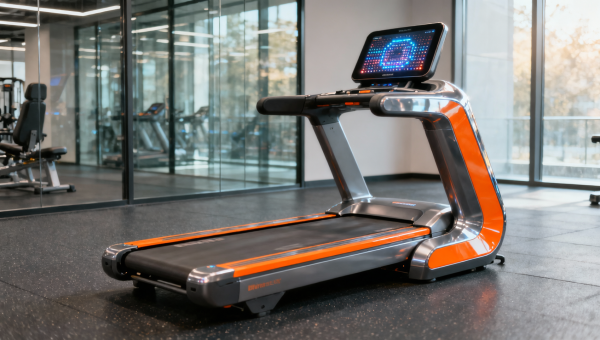
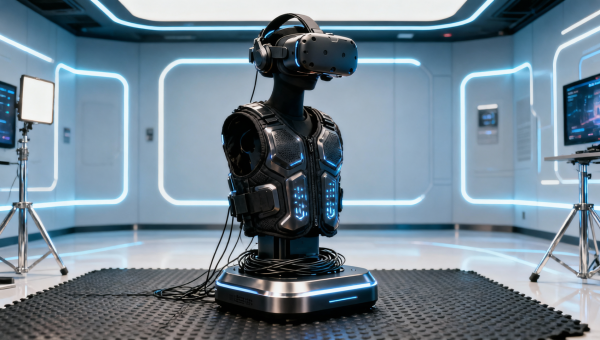
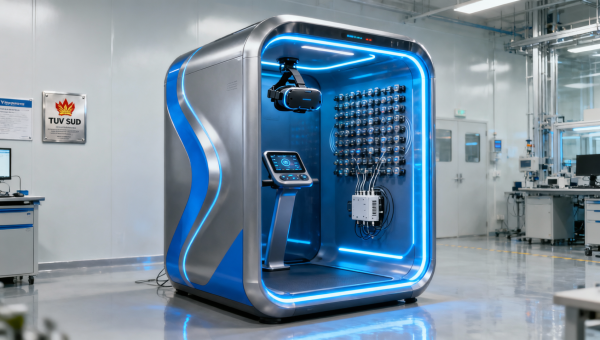
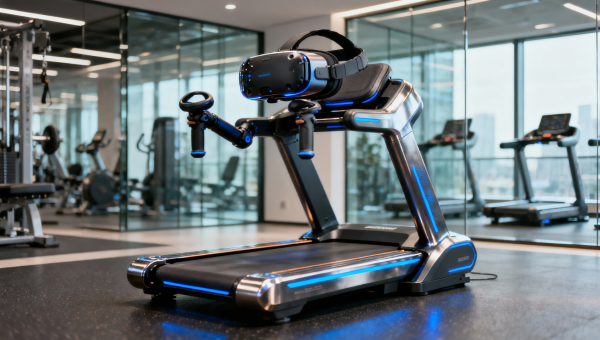
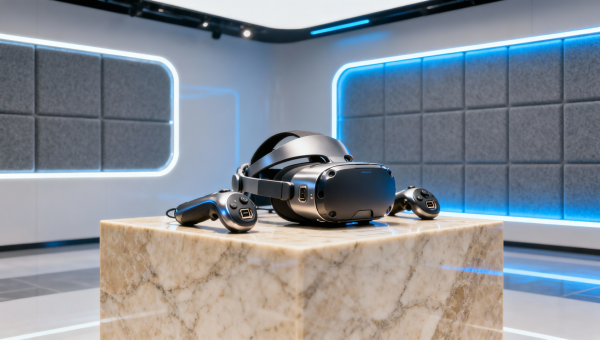
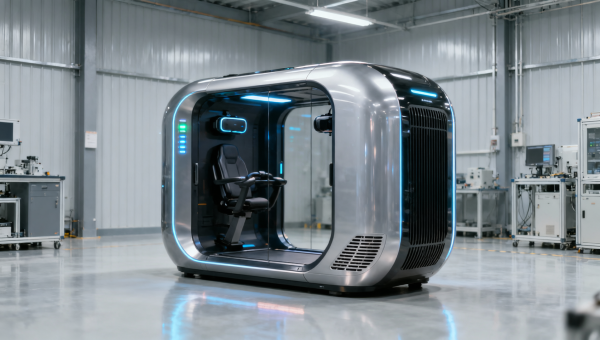
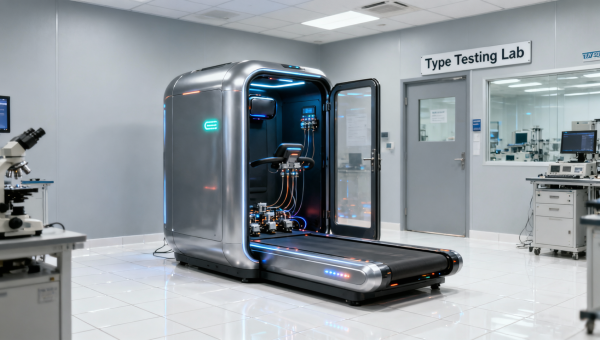
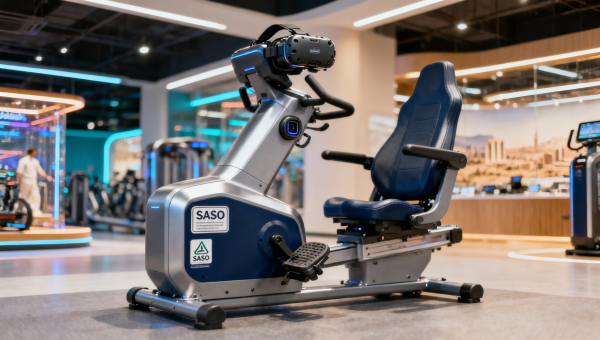
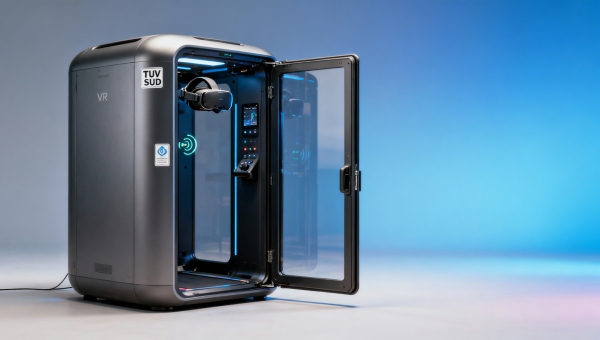
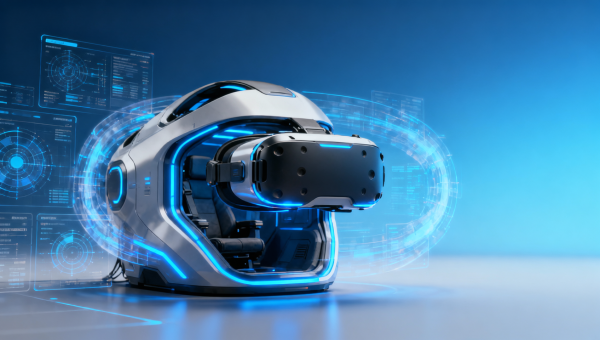
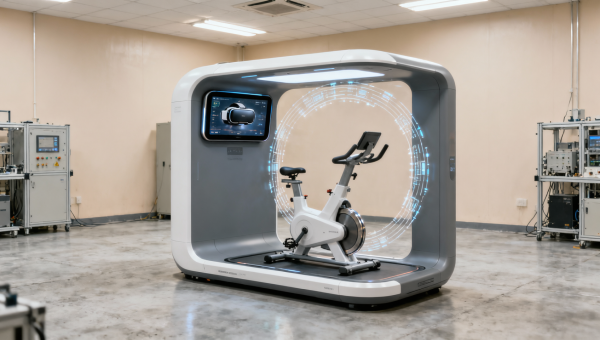
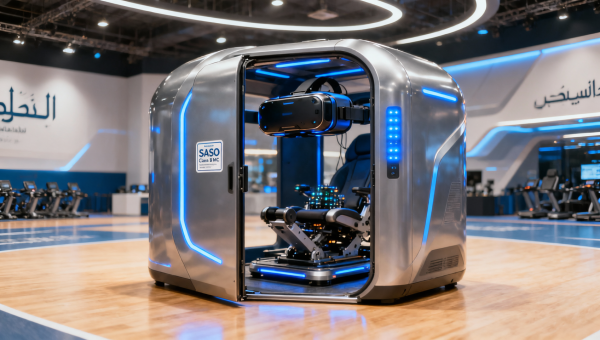
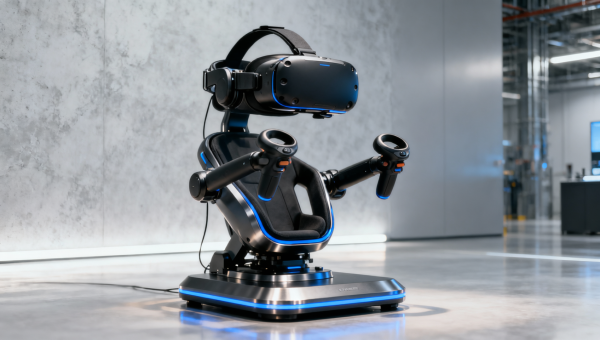
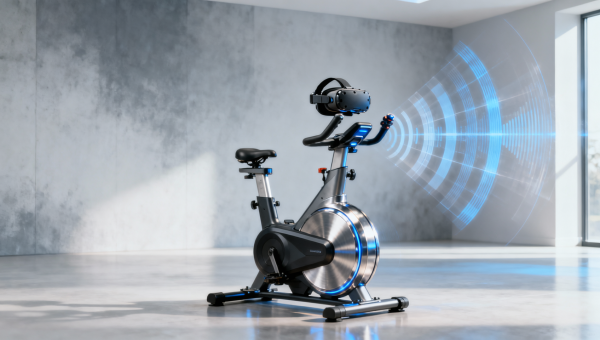
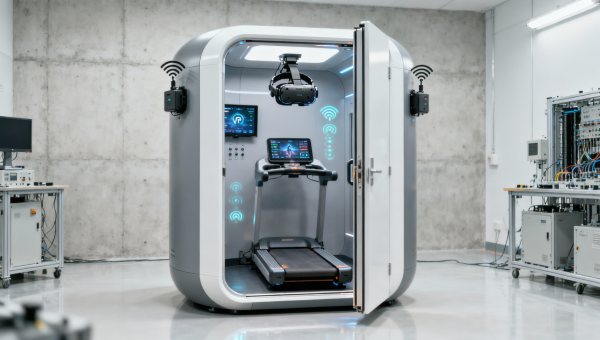
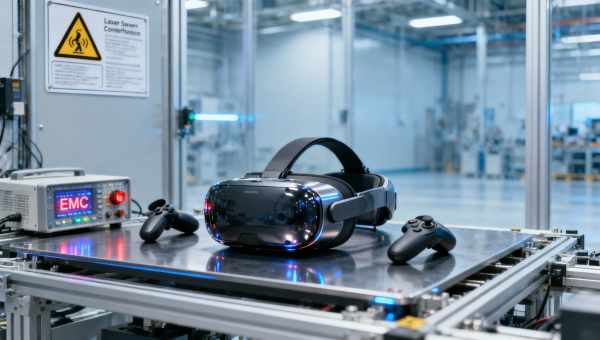
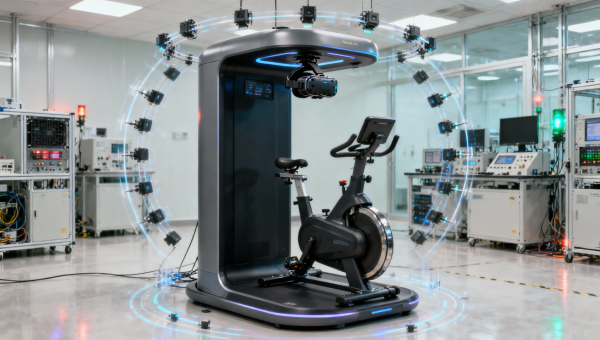
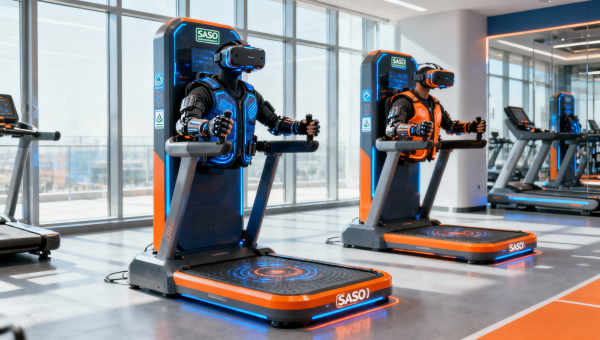
Starting April 18, 2026, Vietnam’s TUV SUD will require all imported commercial VR fitness cabins—including VR-enabled stationary bike systems and immersive strength training cabins—to undergo local EMC and safety type testing at designated laboratories in Hanoi or Ho Chi Minh City. This development directly affects export-oriented manufacturers, logistics providers, and certification service firms serving the Southeast Asian fitness tech market.
Event Overview
Effective April 18, 2026, Vietnam TUV SUD mandates that all commercial VR fitness cabins imported into Vietnam must complete local electromagnetic compatibility (EMC) and safety type testing at approved laboratories in Hanoi or Ho Chi Minh City. Reports issued by CNAS-accredited or IEC-compliant labs outside Vietnam are no longer accepted as substitutes. The requirement applies to systems such as VR-linked stationary bikes and immersive resistance training cabins. Delivery timelines for Chinese exporters are expected to extend by 7–12 working days per batch, with an estimated added certification cost of USD 320 per unit.
Which Subsectors Are Affected
Direct Exporters (e.g., Chinese OEMs/ODMs)
These firms supply VR fitness hardware directly to Vietnamese importers or distributors. They are affected because compliance now requires physical sample submission and testing within Vietnam—eliminating reliance on pre-existing international test reports. Impact includes extended lead times, increased landed costs, and potential delays in contract fulfillment or tender responses.
Supply Chain & Certification Service Providers
Firms offering conformity assessment support—including lab coordination, documentation preparation, and regulatory advisory services—are impacted due to the shift from third-country reporting to mandatory in-country testing. Demand may rise for Vietnam-based lab liaison services, but margins could compress if clients push back on added fees.
Distributors & Importers in Vietnam
Local entities responsible for market entry must now manage logistics for sample transport, coordinate lab scheduling, and absorb or renegotiate the $320/unit cost increase. Inventory planning becomes more complex due to longer certification cycles, especially for time-sensitive product launches or retail promotions.
What Relevant Businesses or Practitioners Should Focus On — And How to Respond
Monitor official updates from Vietnam TUV SUD and MOIT
The current notice specifies scope and timing but does not yet publish a full list of approved labs, test standards references (e.g., exact IEC/EN editions), or exemptions. Exporters should track official bulletins for clarifications before initiating new certifications.
Prioritize high-volume or flagship models for early local testing
Given limited lab capacity and fixed per-unit cost, it is more efficient to schedule testing for best-selling or contract-critical units first—rather than applying the requirement uniformly across entire catalogs. This helps de-risk launch timelines and allocate budget selectively.
Review and adjust lead-time assumptions in sales contracts
Contracts signed after April 2026 must reflect the additional 7–12 working days for certification. Failing to do so may expose exporters to penalty clauses or reputational risk if delivery windows are missed due to unforeseen lab backlogs.
Verify lab accreditation status before sample submission
Only laboratories formally designated by Vietnam TUV SUD qualify. Using an unlisted facility—even if accredited elsewhere—will invalidate results. Confirm designation status directly with TUV SUD or its local representative prior to shipping samples.
Editor Perspective / Industry Observation
From industry perspective, this requirement signals a broader trend toward localized conformity assessment in emerging ASEAN markets—not merely a procedural update. It reflects growing emphasis on enforceable post-market oversight, particularly for interactive consumer electronics with integrated motion sensing and wireless connectivity. Analysis来看, the policy is less about technical risk mitigation (as EMC/safety fundamentals remain unchanged) and more about establishing traceable, jurisdictionally anchored compliance evidence. Current more suitable understanding is that this is a structural shift in market access requirements—not a temporary administrative hurdle. Continuous monitoring is warranted, as similar rules may be extended to adjacent categories (e.g., AR wellness devices or AI-powered rehab equipment) in future revisions.
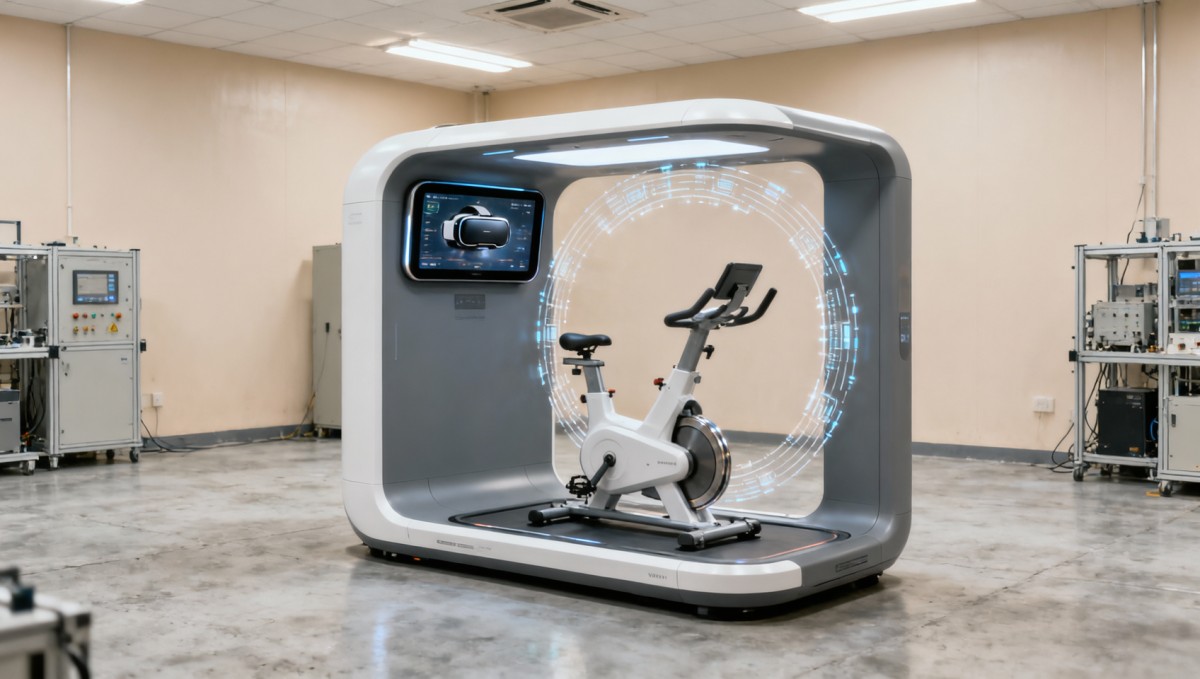
In summary, the new TUV SUD rule redefines the minimum operational threshold for entering Vietnam’s commercial VR fitness equipment market. It introduces predictable cost and timeline implications—not ambiguity—and shifts responsibility for evidence generation from global labs to local infrastructure. For stakeholders, this is best understood not as a barrier, but as a formalized step in Vietnam’s maturing product regulation framework.
Source: Official notice issued by Vietnam TUV SUD (effective date confirmed as April 18, 2026); scope and cost impact data publicly communicated by TUV SUD representatives in Q1 2026 stakeholder briefings.
Note: Lab designation list and detailed test protocol documents remain pending publication and are under ongoing observation.
Search News
Hot Articles
Popular Tags
Need ExpertConsultation?
Connect with our specialized leisureengineering team for procurementstrategies.
Recommended News
 Apr 20, 2026Global VR Fitness Device Export Price Up 12% in Q1 2026VR fitness device export prices surged 12% in Q1 2026—discover key drivers, regional impacts, and strategic actions for exporters, suppliers & logistics partners.● Theme Park Strategist
 Apr 20, 2026SASO Updates VR Haptic Device EMC Standard to Class B in Saudi ArabiaSASO VR haptic device EMC update: Class B standard now mandatory in Saudi Arabia from July 1, 2026. Ensure compliance for VR/AR hardware, imports & venues.● Theme Park Strategist
 Apr 20, 2026Vietnam TUV SUD Enforces Local Type Test for Commercial VR Fitness CabinsVietnam TUV SUD now mandates local type testing for commercial VR fitness cabins — including latency, EMC & safety checks. Act now to secure QCVN compliance and market access.● Theme Park Strategist
 Apr 17, 2026Global VR Fitness Equipment Export Prices Rise 12% in Q1 2026VR fitness equipment export prices surge 12.3% in Q1 2026—key insights for exporters, manufacturers & supply chain partners on compliance, pricing, and delivery trends.● Theme Park Strategist
 Apr 17, 2026SASO 2891:2026 Updated: VR Haptic Devices Now Require EMC Class B in Saudi ArabiaSASO 2891:2026 update mandates EMC Class B for VR haptic devices in Saudi Arabia — critical for OEMs, exporters & EdTech suppliers. Act now to avoid delays!● Theme Park Strategist
 Apr 17, 2026Vietnam TUV SUD Mandates Local Type Testing for VR Fitness CabinsVR fitness cabins for gyms & hotels in Vietnam now require local type testing—EMC, thermal, and AI fall detection—to obtain VIEC certification. Act now to avoid delays!● Theme Park Strategist
 Apr 16, 2026VR Fitness Device Export Prices Up 12% — China Supply Stability LeadsVR fitness device export prices up 12%—China’s supply stability and modular hardware-software delivery redefine global competitiveness. Act now.● Theme Park Strategist
 Apr 16, 2026Vietnam Mandates Local TUV SUD Type Testing for VR Fitness CabinsVR fitness cabins entering Vietnam must now pass local TÜV SÜD type testing in Hanoi—key for compliance, customs clearance & market access by July 1, 2026.● Theme Park Strategist
 Apr 16, 2026SASO Updates Playground Standards: VR Devices Now Require EMC TestingSASO now mandates EMC testing for VR playground devices in Saudi Arabia—key update for VR cycling, climbing & motion cabins exporters.● Theme Park Strategist
 Apr 15, 2026Vietnam's New Regulation: Commercial VR Fitness Pods Require Local TUV SUD TestingVietnam's new regulation mandates TUV SUD testing for commercial VR fitness pods. Learn how this impacts exporters, compliance timelines, and market entry strategies for Chinese manufacturers.● Theme Park Strategist
 Apr 15, 2026Global VR Fitness Equipment Export Prices Rise 12% YoY, China Maintains Supply Chain StabilityGlobal VR fitness equipment export prices surge 12% YoY in 2026 Q1, with China maintaining 96.3% delivery reliability. Key insights for VR hardware manufacturers & fitness distributors facing cost pressures.● Theme Park Strategist
 Apr 14, 2026US CPSC Seeks Comments on New Fitness Tracker Rules, Chinese Exporters Need UL/ETL ComplianceUS CPSC proposes new UL/ETL compliance rules for fitness trackers, impacting Chinese exporters. Learn key action points and industry impacts to stay ahead of regulatory changes affecting wearable tech exports to America.● Theme Park Strategist
 Apr 13, 20262026 Chinese Youth League Upgrades Format with VR Training PodsDiscover how China's 2026 Youth League VR training pods revolutionize football development, boosting exports by 210%. Learn about FIFA-certified tech transforming player training.● Theme Park Strategist
 Apr 09, 2026US CPSC Proposes New VR Safety Standards for Children's Indoor Play EquipmentUS CPSC proposes new VR safety standards for children's indoor play equipment, including dizziness testing and age grading. Learn how these regulations impact VR manufacturers and get compliance strategies.● Theme Park Strategist
 Apr 21, 2026Global VR Fitness Equipment Export Prices Rise 12% in Q1 2026VR fitness equipment export prices surge 12% in Q1 2026—driven by EU safety mandates. Discover cost impacts, compliance risks & supply chain insights.● Theme Park Strategist
 Apr 21, 2026Vietnam TUV SUD Enforces Local Type Testing for VR Fitness CabinsVR fitness cabins entering Vietnam must now undergo local TUV SUD type testing—EMC & safety checks in Hanoi or Ho Chi Minh City starting April 2026. Key for exporters, certifiers & distributors.● Theme Park Strategist
 Apr 21, 2026SASO Updates EMC Standard for VR Motion Devices in Saudi ArabiaSASO EMC update for VR motion devices in Saudi Arabia: Class B compliance now mandatory for fitness pods, edutainment cabins & arcade systems—act now to avoid shipment delays.● Theme Park Strategist
 Apr 19, 2026Global VR Fitness Device Export Prices Rise 12.3% QoQVR fitness device export prices surge 12.3% QoQ to $2,840 — driven by EU EN 1176-7 & US CPSC compliance. Key insights for exporters, manufacturers & logistics partners.● Theme Park Strategist
 Apr 19, 2026SASO Updates EMC Standard for VR Haptic Devices in Saudi ArabiaSASO EMC update for VR haptic devices in Saudi Arabia: Class B limits effective July 2026 — retest now to avoid shipment delays & customs hold.● Theme Park Strategist
 Apr 19, 2026Vietnam TUV SUD New Rule: VR Fitness Cabins Require Local Type TestingVR fitness cabins entering Vietnam now require local TUV SUD type testing — EMC, motion sickness & Wi-Fi 6E stability checks. Act now to avoid delays & customs rejection.● Theme Park Strategist
 Apr 19, 2026SMT Launches 'PopBadminton AI' Standard API ProtocolPopBadminton AI Standard API Protocol launched — unified badminton equipment interface for serve speed, landing tracking & motion recognition. Open-source, cross-platform (HarmonyOS/Android 15/iOS 19), adopted by Macau & Malaysia.● Theme Park Strategist
 Apr 18, 2026Global VR Fitness Device Export Prices Rise 12% QoQVR fitness device export prices surge 12% QoQ—key insight for OEMs, logistics providers & distributors in SEA and Middle East markets.● Theme Park Strategist
 Apr 18, 2026Vietnam TUV SUD New Rule: VR Fitness Cabins Require Local Type TestVR fitness cabins for commercial use in Vietnam now require local type testing per TUV SUD’s new rule—act before July 1, 2026 to avoid delays & extra costs.● Theme Park Strategist
 Apr 18, 2026SASO Updates EMC Standard for VR Haptic Devices in Saudi ArabiaSASO EMC update for VR haptic devices: Class B testing now mandatory in Saudi Arabia — critical for exporters, ODMs & distributors targeting gyms, malls & schools.● Theme Park Strategist