SASO Updates EMC Standard for VR Haptic Devices in Saudi Arabia
Saudi Arabia’s Standards, Metrology and Quality Organization (SASO) issued the revised SASO IEC 61000-6-3:2026 on April 16, 2026, upgrading electromagnetic compatibility (EMC) emission limits for VR haptic devices from Class A to Class B — with stricter requirements in the 30–230 MHz radiated emission band. The update directly affects Chinese manufacturers of arcade and VR machines exporting to Saudi Arabia, requiring retesting and impacting lead times starting July 1, 2026.
Event Overview
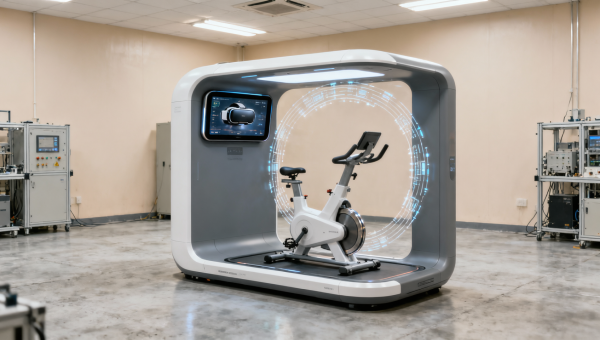
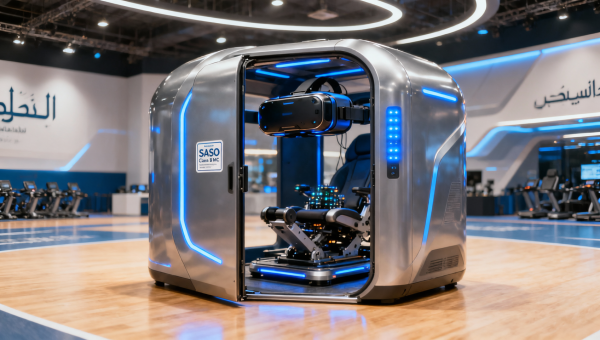
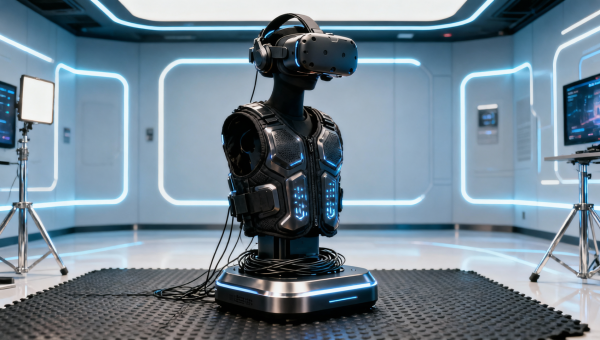
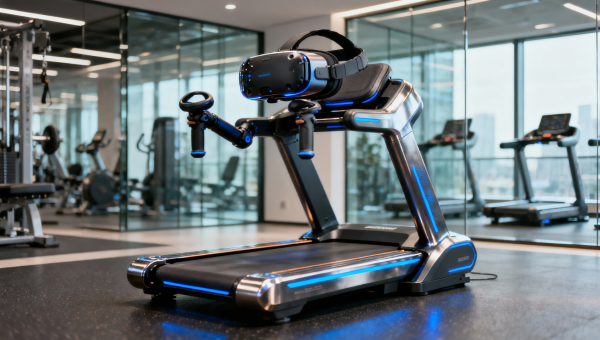
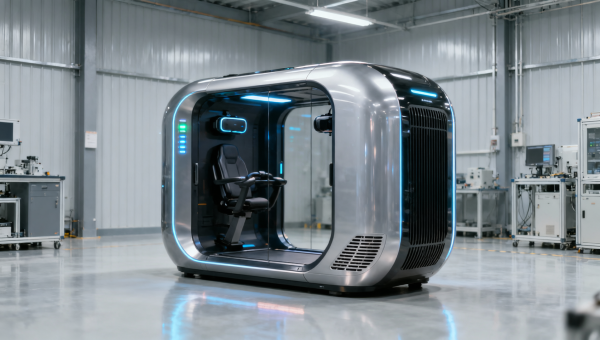
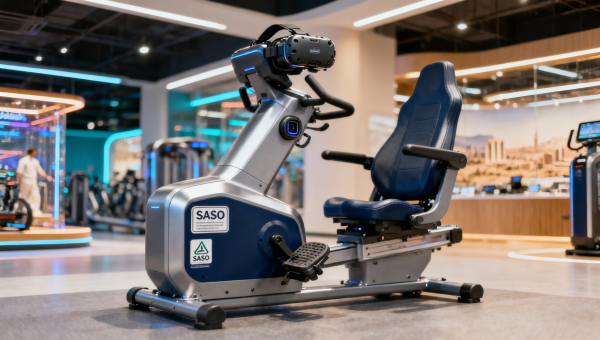
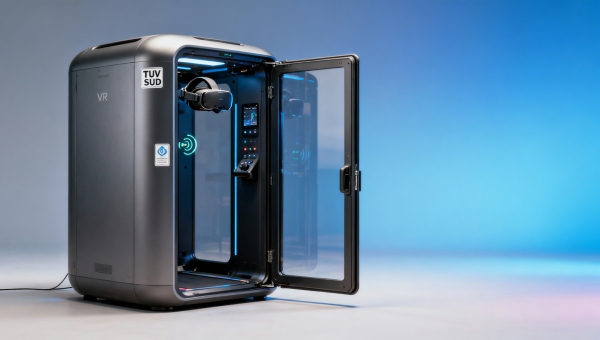
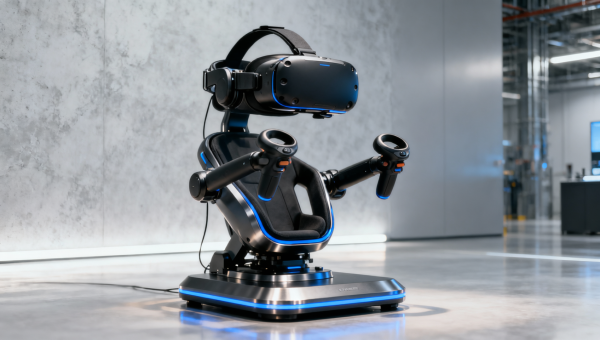
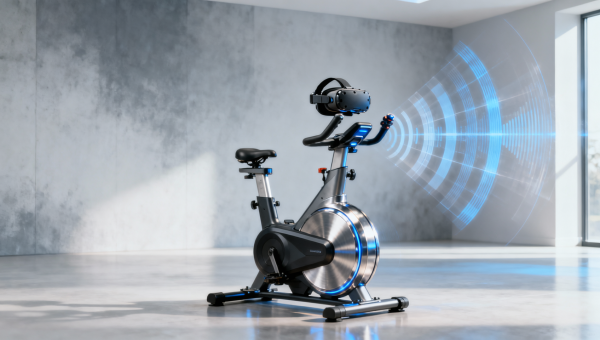
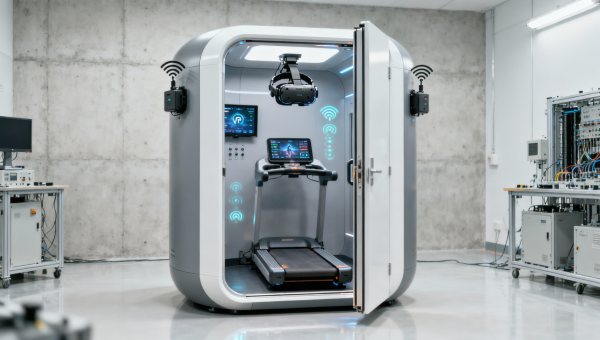
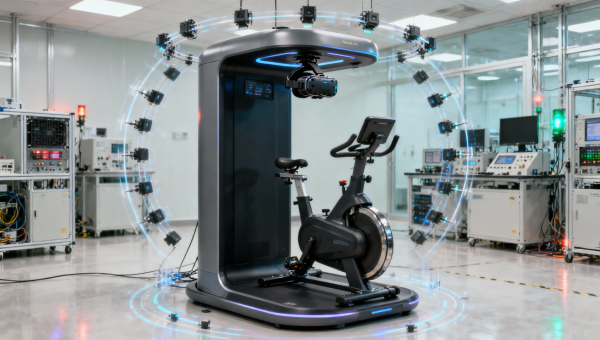
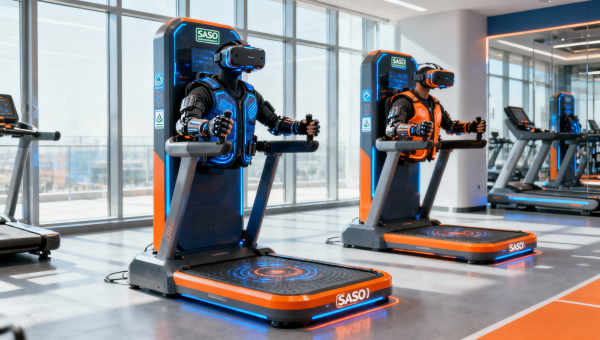
On April 16, 2026, SASO published SASO IEC 61000-6-3:2026, a revision of its EMC emissions standard. The update mandates Class B emission limits — previously applicable only to residential environments — for VR haptic devices, including VR cycling trainers, interactive boxing targets, and full-body motion capture cabins. The requirement takes effect on July 1, 2026. Chinese exporters must submit new test reports; certification turnaround is expected to extend by 12–18 working days.
Which Sub-Sectors Are Affected
Direct Exporters (Arcade & VR Equipment Manufacturers)
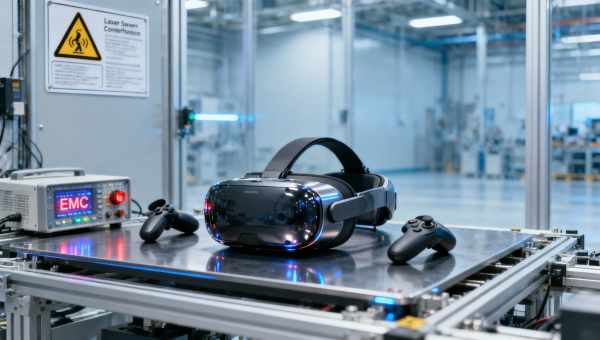
These companies are directly subject to SASO conformity assessment. Because VR haptic devices were previously assessed under Class A (industrial environment), the shift to Class B introduces stricter radiated emission thresholds — especially critical in the 30–230 MHz range where many wireless modules and power supplies operate. Re-testing is mandatory, and existing SASO CoC (Certificate of Conformity) or SABER registrations will not be valid post-July 1, 2026 unless updated.
Contract Manufacturers & OEMs Supplying VR Hardware
OEMs producing PCBs, motor controllers, or wireless subsystems for VR haptic devices may face upstream design revisions. Class B compliance often requires changes such as improved shielding, ferrite suppression, or layout adjustments — potentially triggering engineering change orders (ECOs) for products already in production or pre-shipment stages.
Supply Chain & Certification Service Providers
Third-party testing labs and SABER-accredited certification bodies handling SASO submissions will see increased demand for Class B-compliant EMC reports. Lead time extensions (12–18 additional working days) reflect added test complexity and potential rework cycles — a constraint that cascades to logistics planning and documentation timelines.
What Relevant Companies or Practitioners Should Focus On Now
Confirm device classification and scope applicability
Verify whether your specific VR haptic product falls under SASO’s defined categories (e.g., VR cycling trainer, body-tracking cabin). Not all VR headsets or standalone controllers are included — only those explicitly listed as ‘haptic’ or motion-interactive equipment in the official notice.
Initiate pre-compliance EMC screening before formal submission
Given the extended certification window, conduct internal or lab-based pre-tests focused on the 30–230 MHz band. Early identification of margin issues — especially around switching power supplies or Bluetooth/Wi-Fi modules — helps avoid delays during formal SASO-recognized lab testing.
Review current export orders for July 2026+ shipment dates
Orders scheduled for dispatch after July 1, 2026 must carry updated SASO certification. Where possible, align production scheduling and documentation preparation to accommodate the +12–18-day testing extension — particularly for consignments routed through Saudi customs requiring SABER registration prior to arrival.
Editorial Observation / Industry Perspective
This update is better understood as a regulatory signal than an isolated technical adjustment. From industry perspective, SASO’s move reflects a broader regional trend toward harmonizing EMC requirements with IEC Class B — prioritizing end-user environment safety over industrial flexibility. Analysis来看, it suggests growing scrutiny of immersive consumer electronics entering Gulf markets, especially where RF emissions intersect with dense urban deployment scenarios. Current more relevant interpretation is that this is an early indicator of tightening conformity expectations across GCC countries — not yet a regional mandate, but one likely to inform future UAE or Kuwait EMC guidance.
It is not yet a de facto market access barrier — but rather a procedural inflection point requiring proactive alignment. Continued monitoring of SASO’s official communications (including any transitional provisions or grace periods) remains essential, as no such exceptions have been published to date.
Conclusion
This SASO revision marks a targeted, enforceable shift in EMC compliance expectations for a specific segment of VR hardware exported from China to Saudi Arabia. It does not represent a broad-based policy overhaul, nor does it affect non-haptic VR accessories. Rather, it signals a calibrated elevation of technical entry requirements — one that demands precise scoping, timely retesting, and adjusted operational timelines. For affected manufacturers, the priority is not strategic redirection, but tactical recalibration of certification workflows and order fulfillment schedules.
Information Source
Main source: SASO official publication of SASO IEC 61000-6-3:2026, dated April 16, 2026. No transitional arrangements or exemptions have been announced. Ongoing observation is advised for potential clarifications from SASO or Saudi customs regarding enforcement interpretation post-July 1, 2026.
Search News
Hot Articles
- Stage Lighting & TrussCCTV5 Snooker Broadcast Drives 37% Surge in Stage Lighting Export InquiriesApr 21, 2026
- Indoor PlaygroundVietnam Mandates Child Finger-Trap Sensors for Indoor Play EquipmentApr 21, 2026
- Stage Lighting & TrussGuangdong vs. Shanxi CBA Game Highlights Domestic Smart Arena LightingApr 21, 2026
Popular Tags
Need ExpertConsultation?
Connect with our specialized leisureengineering team for procurementstrategies.
Recommended News
 Apr 21, 2026Global VR Fitness Equipment Export Prices Rise 12% in Q1 2026VR fitness equipment export prices surge 12% in Q1 2026—driven by EU safety mandates. Discover cost impacts, compliance risks & supply chain insights.● Theme Park Strategist
 Apr 21, 2026Vietnam TUV SUD Enforces Local Type Testing for VR Fitness CabinsVR fitness cabins entering Vietnam must now undergo local TUV SUD type testing—EMC & safety checks in Hanoi or Ho Chi Minh City starting April 2026. Key for exporters, certifiers & distributors.● Theme Park Strategist
 Apr 21, 2026SASO Updates EMC Standard for VR Motion Devices in Saudi ArabiaSASO EMC update for VR motion devices in Saudi Arabia: Class B compliance now mandatory for fitness pods, edutainment cabins & arcade systems—act now to avoid shipment delays.● Theme Park Strategist
 Apr 20, 2026Global VR Fitness Device Export Price Up 12% in Q1 2026VR fitness device export prices surged 12% in Q1 2026—discover key drivers, regional impacts, and strategic actions for exporters, suppliers & logistics partners.● Theme Park Strategist
 Apr 20, 2026SASO Updates VR Haptic Device EMC Standard to Class B in Saudi ArabiaSASO VR haptic device EMC update: Class B standard now mandatory in Saudi Arabia from July 1, 2026. Ensure compliance for VR/AR hardware, imports & venues.● Theme Park Strategist
 Apr 20, 2026Vietnam TUV SUD Enforces Local Type Test for Commercial VR Fitness CabinsVietnam TUV SUD now mandates local type testing for commercial VR fitness cabins — including latency, EMC & safety checks. Act now to secure QCVN compliance and market access.● Theme Park Strategist
 Apr 17, 2026Global VR Fitness Equipment Export Prices Rise 12% in Q1 2026VR fitness equipment export prices surge 12.3% in Q1 2026—key insights for exporters, manufacturers & supply chain partners on compliance, pricing, and delivery trends.● Theme Park Strategist
 Apr 17, 2026SASO 2891:2026 Updated: VR Haptic Devices Now Require EMC Class B in Saudi ArabiaSASO 2891:2026 update mandates EMC Class B for VR haptic devices in Saudi Arabia — critical for OEMs, exporters & EdTech suppliers. Act now to avoid delays!● Theme Park Strategist
 Apr 17, 2026Vietnam TUV SUD Mandates Local Type Testing for VR Fitness CabinsVR fitness cabins for gyms & hotels in Vietnam now require local type testing—EMC, thermal, and AI fall detection—to obtain VIEC certification. Act now to avoid delays!● Theme Park Strategist
 Apr 16, 2026VR Fitness Device Export Prices Up 12% — China Supply Stability LeadsVR fitness device export prices up 12%—China’s supply stability and modular hardware-software delivery redefine global competitiveness. Act now.● Theme Park Strategist
 Apr 16, 2026Vietnam Mandates Local TUV SUD Type Testing for VR Fitness CabinsVR fitness cabins entering Vietnam must now pass local TÜV SÜD type testing in Hanoi—key for compliance, customs clearance & market access by July 1, 2026.● Theme Park Strategist
 Apr 16, 2026SASO Updates Playground Standards: VR Devices Now Require EMC TestingSASO now mandates EMC testing for VR playground devices in Saudi Arabia—key update for VR cycling, climbing & motion cabins exporters.● Theme Park Strategist
 Apr 15, 2026Vietnam's New Regulation: Commercial VR Fitness Pods Require Local TUV SUD TestingVietnam's new regulation mandates TUV SUD testing for commercial VR fitness pods. Learn how this impacts exporters, compliance timelines, and market entry strategies for Chinese manufacturers.● Theme Park Strategist
 Apr 15, 2026Global VR Fitness Equipment Export Prices Rise 12% YoY, China Maintains Supply Chain StabilityGlobal VR fitness equipment export prices surge 12% YoY in 2026 Q1, with China maintaining 96.3% delivery reliability. Key insights for VR hardware manufacturers & fitness distributors facing cost pressures.● Theme Park Strategist
 Apr 14, 2026US CPSC Seeks Comments on New Fitness Tracker Rules, Chinese Exporters Need UL/ETL ComplianceUS CPSC proposes new UL/ETL compliance rules for fitness trackers, impacting Chinese exporters. Learn key action points and industry impacts to stay ahead of regulatory changes affecting wearable tech exports to America.● Theme Park Strategist
 Apr 13, 20262026 Chinese Youth League Upgrades Format with VR Training PodsDiscover how China's 2026 Youth League VR training pods revolutionize football development, boosting exports by 210%. Learn about FIFA-certified tech transforming player training.● Theme Park Strategist
 Apr 09, 2026US CPSC Proposes New VR Safety Standards for Children's Indoor Play EquipmentUS CPSC proposes new VR safety standards for children's indoor play equipment, including dizziness testing and age grading. Learn how these regulations impact VR manufacturers and get compliance strategies.● Theme Park Strategist
 Apr 19, 2026Global VR Fitness Device Export Prices Rise 12.3% QoQVR fitness device export prices surge 12.3% QoQ to $2,840 — driven by EU EN 1176-7 & US CPSC compliance. Key insights for exporters, manufacturers & logistics partners.● Theme Park Strategist
 Apr 19, 2026SASO Updates EMC Standard for VR Haptic Devices in Saudi ArabiaSASO EMC update for VR haptic devices in Saudi Arabia: Class B limits effective July 2026 — retest now to avoid shipment delays & customs hold.● Theme Park Strategist
 Apr 19, 2026Vietnam TUV SUD New Rule: VR Fitness Cabins Require Local Type TestingVR fitness cabins entering Vietnam now require local TUV SUD type testing — EMC, motion sickness & Wi-Fi 6E stability checks. Act now to avoid delays & customs rejection.● Theme Park Strategist
 Apr 19, 2026SMT Launches 'PopBadminton AI' Standard API ProtocolPopBadminton AI Standard API Protocol launched — unified badminton equipment interface for serve speed, landing tracking & motion recognition. Open-source, cross-platform (HarmonyOS/Android 15/iOS 19), adopted by Macau & Malaysia.● Theme Park Strategist
 Apr 18, 2026Global VR Fitness Device Export Prices Rise 12% QoQVR fitness device export prices surge 12% QoQ—key insight for OEMs, logistics providers & distributors in SEA and Middle East markets.● Theme Park Strategist
 Apr 18, 2026Vietnam TUV SUD New Rule: VR Fitness Cabins Require Local Type TestVR fitness cabins for commercial use in Vietnam now require local type testing per TUV SUD’s new rule—act before July 1, 2026 to avoid delays & extra costs.● Theme Park Strategist
 Apr 18, 2026SASO Updates EMC Standard for VR Haptic Devices in Saudi ArabiaSASO EMC update for VR haptic devices: Class B testing now mandatory in Saudi Arabia — critical for exporters, ODMs & distributors targeting gyms, malls & schools.● Theme Park Strategist