SASO Updates EMC Standard for VR Motion Devices in Saudi Arabia
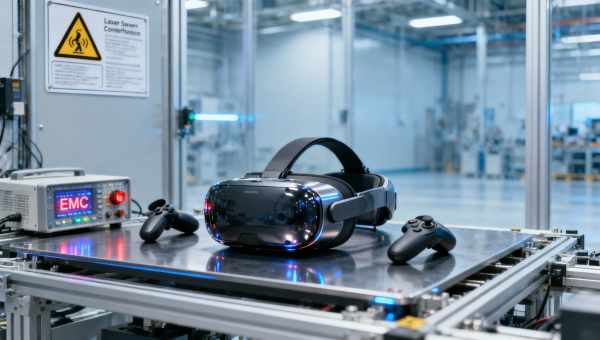
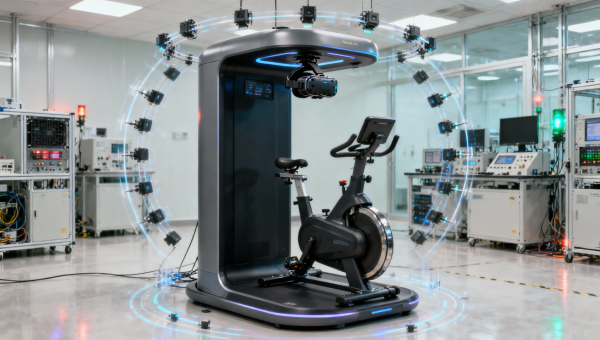
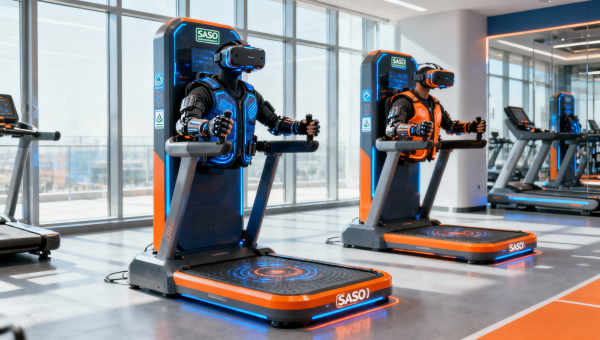
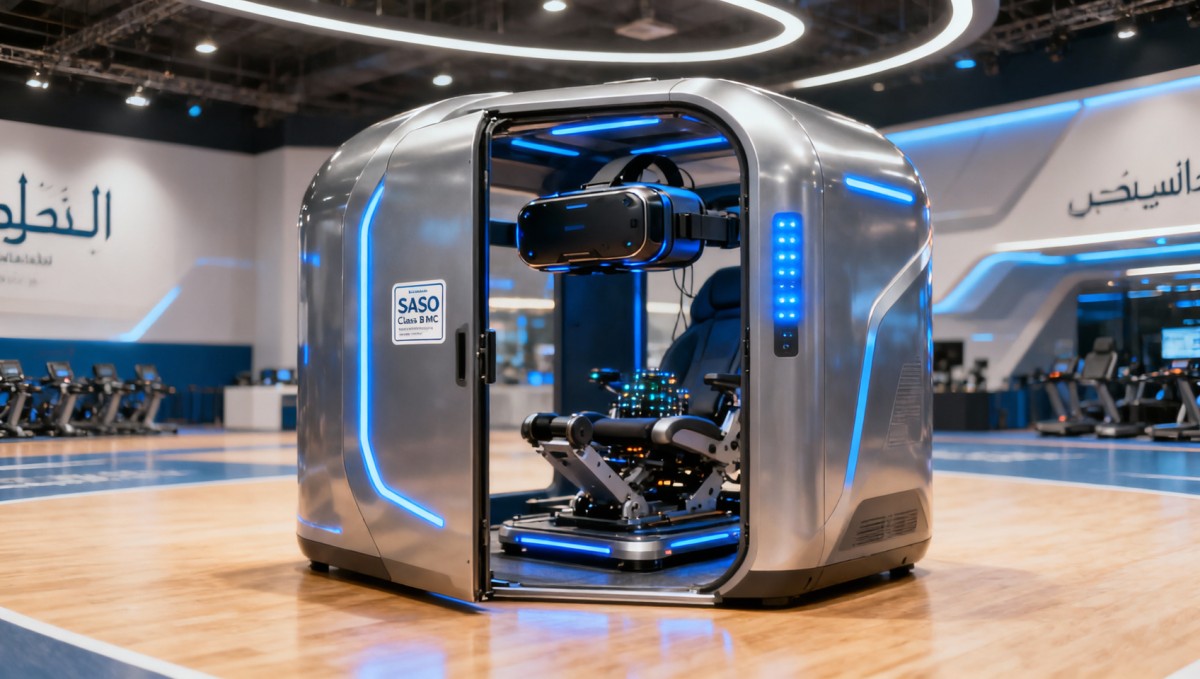
Saudi Arabia’s Standards, Metrology and Quality Organization (SASO) implemented a revised electromagnetic compatibility (EMC) regulation on April 20, 2026, mandating Class B compliance for all imported commercial VR motion devices—including fitness pods, educational simulation cabins, and interactive entertainment cabins. This change directly affects Chinese exporters of arcade and VR machines, with implications for product design, pre-market testing, and delivery timelines.
Event Overview
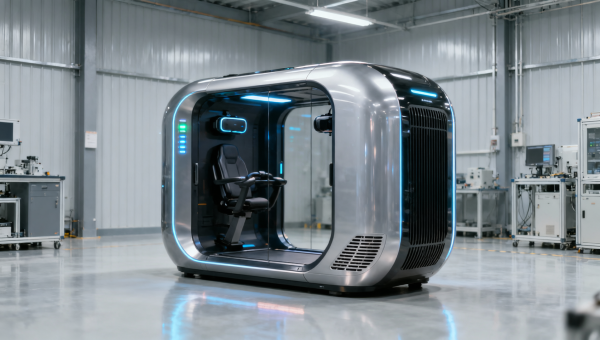
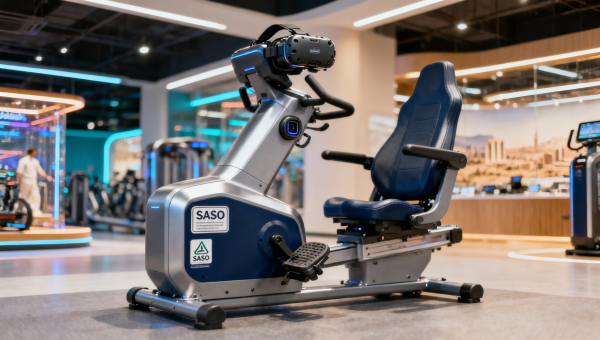
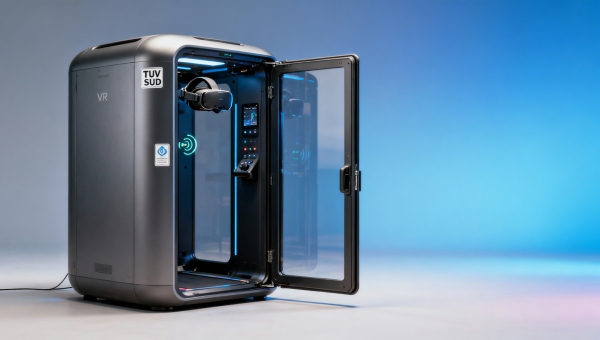
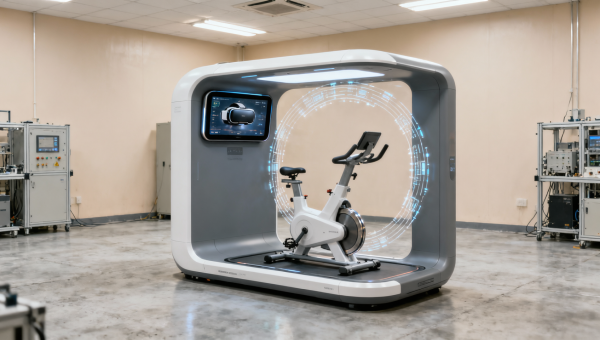
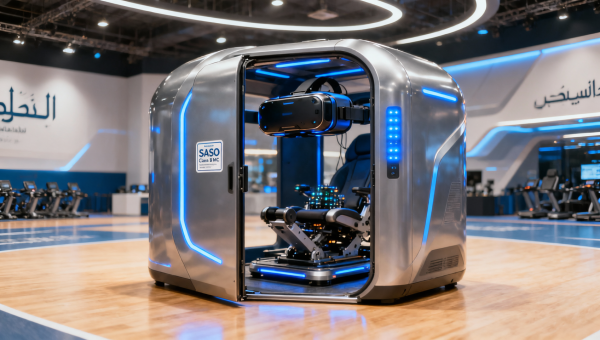
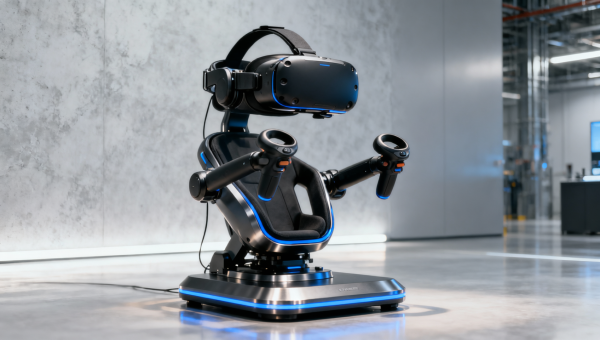
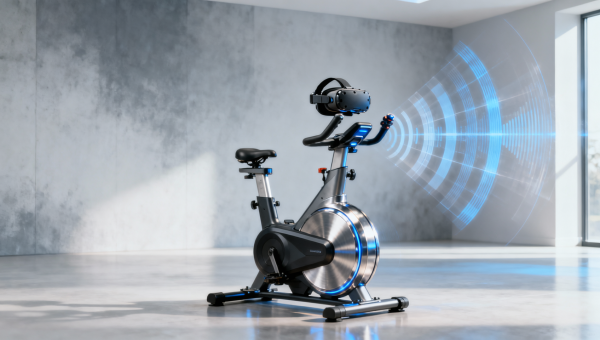
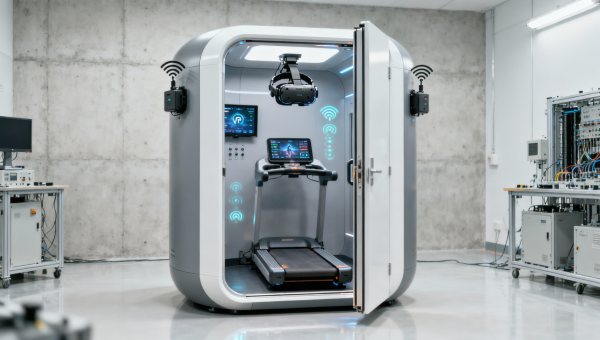
On April 20, 2026, SASO officially enforced its updated EMC regulation for VR motion devices. The regulation stipulates that all commercially imported VR motion devices intended for non-industrial use must meet Class B EMC requirements to clear customs and enter the Saudi market. No transitional period or grandfathering clause has been publicly announced. The scope explicitly covers fitness pods, educational simulation cabins, and entertainment interactive cabins.
Industries Affected
Direct Exporters (China-based Arcade & VR Machine Manufacturers)
These companies supply finished VR motion devices to Saudi importers or distributors. They are directly responsible for ensuring EMC compliance prior to shipment. Impact includes mandatory redesign or shielding modifications for existing models, extended test cycles due to Class B’s stricter radiated/conducted emission limits, and potential delays in order fulfillment if certification is not completed before the effective date.
OEM/ODM Manufacturing Partners
Contract manufacturers producing VR motion hardware for export brands face revised technical specifications from clients. Impact centers on production line adjustments—such as component selection (e.g., EMI filters, shielded enclosures), firmware-level noise mitigation, and updated factory-level pre-compliance testing protocols—before final SASO-accredited lab validation.
EMC Testing & Certification Service Providers
Labs and conformity assessment bodies supporting Chinese exporters will see increased demand for Class B pre-testing and formal SASO-recognized certification. Impact includes higher workload volume, tighter scheduling pressure, and need for verified test reports traceable to SASO-accepted standards (e.g., IEC CISPR 32:2015 Ed.2, aligned with SASO’s referenced version).
Key Points for Enterprises and Practitioners to Monitor and Act Upon
Track official SASO communications for scope clarifications
Current public information confirms applicability to ‘commercial VR motion devices’ but does not define technical boundaries (e.g., power thresholds, frequency ranges, or exclusions for low-power accessories). Enterprises should monitor SASO’s official portal and authorized notification bodies for any technical guidance documents or FAQs released post-implementation.
Prioritize Class B validation for high-volume SKUs destined for Saudi Arabia
Given resource constraints in testing capacity and lead time, exporters should identify top-selling or newly launched VR motion cabin models scheduled for Saudi shipment in Q3–Q4 2026—and initiate Class B EMC testing immediately. Delaying until post-order confirmation risks missed shipping windows and contractual penalties.
Distinguish between regulatory signal and operational readiness
While the April 20, 2026 date is confirmed, enforcement rigor at Saudi ports may vary during initial months. However, analysis来看, customs brokers and local importers are already requiring Class B test reports in pre-clearance submissions—indicating de facto enforcement ahead of formal audits. Relying on informal exemptions is not advisable.
Update supplier agreements and internal compliance checklists
Exporters should revise procurement terms with component suppliers (e.g., power supplies, motion controllers, wireless modules) to require Class B-aligned EMC documentation. Internally, compliance gateways—such as engineering sign-off, QA release, and logistics dispatch—must now include verified Class B report verification as a mandatory checkpoint.
Editorial Perspective / Industry Observation
From industry angle, this update is less a sudden policy shift and more a formalization of an emerging regional expectation: Gulf Cooperation Council (GCC) markets are increasingly harmonizing EMC stringency around Class B for consumer-facing electronic equipment—even where legacy imports previously entered under looser interpretations. Observation来看, SASO’s move signals tightening alignment with EU EMC Directive principles, particularly for immersive tech entering shared public spaces (gyms, schools, malls). It is currently better understood as an operational threshold than a long-term strategic pivot—but one that sets precedent for neighboring jurisdictions considering similar updates.
Crucially, this requirement does not introduce new safety or performance criteria beyond EMC; it refines only the electromagnetic emissions and immunity profile expected of end-user VR motion systems. Analysis来看, the primary challenge lies not in technical feasibility—but in synchronizing cross-border compliance workflows across fragmented supply chains.
Conclusion
This SASO update marks a concrete step toward standardized EMC governance for immersive motion technology in Saudi Arabia. Its significance lies not in novelty, but in enforceability: it transforms a previously advisory or inconsistently applied benchmark into a hard准入 barrier. Current understanding should treat it as an immediate operational prerequisite—not a future consideration—for any VR motion device intended for commercial deployment in the Kingdom.
Information Sources
Main source: Official SASO regulatory notice published April 20, 2026 (reference number and full text not publicly disclosed in available materials). Ongoing observation required for: (1) SASO-issued interpretation notes on device classification; (2) Confirmation of accepted third-party lab accreditation pathways; (3) Evidence of port-level enforcement consistency beyond initial clearance cases.
Search News
Hot Articles
Popular Tags
Need ExpertConsultation?
Connect with our specialized leisureengineering team for procurementstrategies.
Recommended News
 Apr 20, 2026Global VR Fitness Device Export Price Up 12% in Q1 2026VR fitness device export prices surged 12% in Q1 2026—discover key drivers, regional impacts, and strategic actions for exporters, suppliers & logistics partners.● Theme Park Strategist
 Apr 20, 2026SASO Updates VR Haptic Device EMC Standard to Class B in Saudi ArabiaSASO VR haptic device EMC update: Class B standard now mandatory in Saudi Arabia from July 1, 2026. Ensure compliance for VR/AR hardware, imports & venues.● Theme Park Strategist
 Apr 20, 2026Vietnam TUV SUD Enforces Local Type Test for Commercial VR Fitness CabinsVietnam TUV SUD now mandates local type testing for commercial VR fitness cabins — including latency, EMC & safety checks. Act now to secure QCVN compliance and market access.● Theme Park Strategist
 Apr 17, 2026Global VR Fitness Equipment Export Prices Rise 12% in Q1 2026VR fitness equipment export prices surge 12.3% in Q1 2026—key insights for exporters, manufacturers & supply chain partners on compliance, pricing, and delivery trends.● Theme Park Strategist
 Apr 17, 2026SASO 2891:2026 Updated: VR Haptic Devices Now Require EMC Class B in Saudi ArabiaSASO 2891:2026 update mandates EMC Class B for VR haptic devices in Saudi Arabia — critical for OEMs, exporters & EdTech suppliers. Act now to avoid delays!● Theme Park Strategist
 Apr 17, 2026Vietnam TUV SUD Mandates Local Type Testing for VR Fitness CabinsVR fitness cabins for gyms & hotels in Vietnam now require local type testing—EMC, thermal, and AI fall detection—to obtain VIEC certification. Act now to avoid delays!● Theme Park Strategist
 Apr 16, 2026VR Fitness Device Export Prices Up 12% — China Supply Stability LeadsVR fitness device export prices up 12%—China’s supply stability and modular hardware-software delivery redefine global competitiveness. Act now.● Theme Park Strategist
 Apr 16, 2026Vietnam Mandates Local TUV SUD Type Testing for VR Fitness CabinsVR fitness cabins entering Vietnam must now pass local TÜV SÜD type testing in Hanoi—key for compliance, customs clearance & market access by July 1, 2026.● Theme Park Strategist
 Apr 16, 2026SASO Updates Playground Standards: VR Devices Now Require EMC TestingSASO now mandates EMC testing for VR playground devices in Saudi Arabia—key update for VR cycling, climbing & motion cabins exporters.● Theme Park Strategist
 Apr 15, 2026Vietnam's New Regulation: Commercial VR Fitness Pods Require Local TUV SUD TestingVietnam's new regulation mandates TUV SUD testing for commercial VR fitness pods. Learn how this impacts exporters, compliance timelines, and market entry strategies for Chinese manufacturers.● Theme Park Strategist
 Apr 15, 2026Global VR Fitness Equipment Export Prices Rise 12% YoY, China Maintains Supply Chain StabilityGlobal VR fitness equipment export prices surge 12% YoY in 2026 Q1, with China maintaining 96.3% delivery reliability. Key insights for VR hardware manufacturers & fitness distributors facing cost pressures.● Theme Park Strategist
 Apr 14, 2026US CPSC Seeks Comments on New Fitness Tracker Rules, Chinese Exporters Need UL/ETL ComplianceUS CPSC proposes new UL/ETL compliance rules for fitness trackers, impacting Chinese exporters. Learn key action points and industry impacts to stay ahead of regulatory changes affecting wearable tech exports to America.● Theme Park Strategist
 Apr 13, 20262026 Chinese Youth League Upgrades Format with VR Training PodsDiscover how China's 2026 Youth League VR training pods revolutionize football development, boosting exports by 210%. Learn about FIFA-certified tech transforming player training.● Theme Park Strategist
 Apr 09, 2026US CPSC Proposes New VR Safety Standards for Children's Indoor Play EquipmentUS CPSC proposes new VR safety standards for children's indoor play equipment, including dizziness testing and age grading. Learn how these regulations impact VR manufacturers and get compliance strategies.● Theme Park Strategist
 Apr 21, 2026Global VR Fitness Equipment Export Prices Rise 12% in Q1 2026VR fitness equipment export prices surge 12% in Q1 2026—driven by EU safety mandates. Discover cost impacts, compliance risks & supply chain insights.● Theme Park Strategist
 Apr 21, 2026Vietnam TUV SUD Enforces Local Type Testing for VR Fitness CabinsVR fitness cabins entering Vietnam must now undergo local TUV SUD type testing—EMC & safety checks in Hanoi or Ho Chi Minh City starting April 2026. Key for exporters, certifiers & distributors.● Theme Park Strategist
 Apr 21, 2026SASO Updates EMC Standard for VR Motion Devices in Saudi ArabiaSASO EMC update for VR motion devices in Saudi Arabia: Class B compliance now mandatory for fitness pods, edutainment cabins & arcade systems—act now to avoid shipment delays.● Theme Park Strategist
 Apr 19, 2026Global VR Fitness Device Export Prices Rise 12.3% QoQVR fitness device export prices surge 12.3% QoQ to $2,840 — driven by EU EN 1176-7 & US CPSC compliance. Key insights for exporters, manufacturers & logistics partners.● Theme Park Strategist
 Apr 19, 2026SASO Updates EMC Standard for VR Haptic Devices in Saudi ArabiaSASO EMC update for VR haptic devices in Saudi Arabia: Class B limits effective July 2026 — retest now to avoid shipment delays & customs hold.● Theme Park Strategist
 Apr 19, 2026Vietnam TUV SUD New Rule: VR Fitness Cabins Require Local Type TestingVR fitness cabins entering Vietnam now require local TUV SUD type testing — EMC, motion sickness & Wi-Fi 6E stability checks. Act now to avoid delays & customs rejection.● Theme Park Strategist
 Apr 19, 2026SMT Launches 'PopBadminton AI' Standard API ProtocolPopBadminton AI Standard API Protocol launched — unified badminton equipment interface for serve speed, landing tracking & motion recognition. Open-source, cross-platform (HarmonyOS/Android 15/iOS 19), adopted by Macau & Malaysia.● Theme Park Strategist
 Apr 18, 2026Global VR Fitness Device Export Prices Rise 12% QoQVR fitness device export prices surge 12% QoQ—key insight for OEMs, logistics providers & distributors in SEA and Middle East markets.● Theme Park Strategist
 Apr 18, 2026Vietnam TUV SUD New Rule: VR Fitness Cabins Require Local Type TestVR fitness cabins for commercial use in Vietnam now require local type testing per TUV SUD’s new rule—act before July 1, 2026 to avoid delays & extra costs.● Theme Park Strategist
 Apr 18, 2026SASO Updates EMC Standard for VR Haptic Devices in Saudi ArabiaSASO EMC update for VR haptic devices: Class B testing now mandatory in Saudi Arabia — critical for exporters, ODMs & distributors targeting gyms, malls & schools.● Theme Park Strategist