CPSC Urgent Alert: PFAS in Fitness Apparel Risks US Import Delays
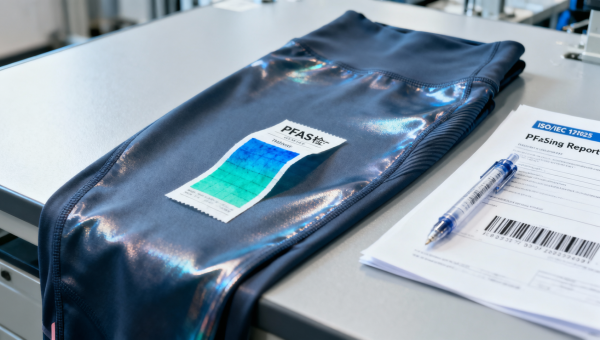
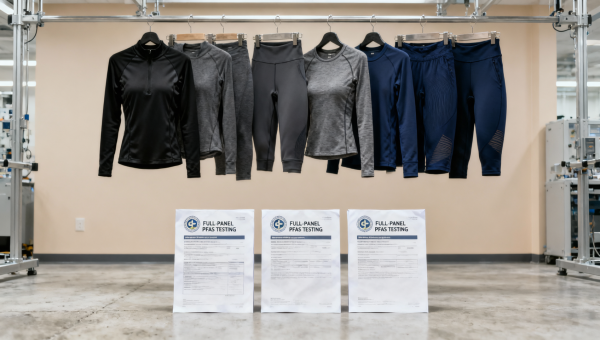
On April 20, 2026, the U.S. Consumer Product Safety Commission (CPSC) issued an urgent compliance alert regarding elevated levels of per- and polyfluoroalkyl substances (PFAS) detected in imported fitness apparel—including yoga wear and compression training garments. This development directly impacts exporters of such products from China and other manufacturing countries, particularly those shipping to U.S. ports including Los Angeles and Long Beach, where shipments lacking CPSC-recognized full-panel PFAS test reports face automatic detention and costly retesting fees.
Event Overview
The U.S. Consumer Product Safety Commission (CPSC) released an urgent compliance alert on April 20, 2026, stating that multiple consignments of imported yoga apparel and compression training wear were found to contain PFAS above allowable thresholds. As a result, these shipments triggered the automatic detention mechanism under the Consumer Product Safety Improvement Act (CPSIA). The CPSC specified that importers must provide full-panel PFAS test reports issued by laboratories recognized by the CPSC; otherwise, goods arriving at the ports of Los Angeles and Long Beach will be detained, and importers may incur substantial retesting fees.
Industries Affected by Segment
Direct Exporters & Trading Companies
These entities are directly responsible for customs clearance and regulatory compliance documentation. They face immediate operational risk: without valid CPSC-recognized PFAS test reports, their shipments are subject to port detention and financial penalties. Impact includes delayed revenue recognition, increased logistics costs, and potential contract defaults with U.S. buyers.
Apparel Manufacturers & Contract Producers
Manufacturers supplying fitness apparel—especially those producing for export-oriented brands or OEM/ODM clients—are exposed to upstream compliance pressure. If finished goods contain PFAS from treated fabrics, dyeing auxiliaries, or water-repellent finishes, they may fail CPSC requirements even if unaware of chemical content. Impact includes production hold-ups, rework demands, and reputational exposure across supply chains.
Textile & Chemical Input Suppliers
Suppliers of functional finishes (e.g., stain-resistant, moisture-wicking, or anti-odor treatments), coated fabrics, or fluorinated polymers may find their materials newly scrutinized. Though not directly regulated as importers, their product specifications and declarations now influence downstream compliance outcomes. Impact includes heightened requests for material safety data sheets (MSDS), substance declarations, and third-party verification of PFAS absence.
Logistics & Customs Compliance Service Providers
Freight forwarders, customs brokers, and testing coordination services face expanded due diligence responsibilities. They are increasingly expected to verify documentation validity—not just presence—of PFAS test reports, including lab accreditation status and scope alignment with CPSC requirements. Impact includes added pre-clearance review time, liability exposure for misrepresentation, and demand for updated compliance checklists.
Key Focus Areas and Immediate Response Measures
Monitor official CPSC guidance and enforcement updates
Analysis来看, the April 20 alert is not yet accompanied by a formal rulemaking or revised CPSIA threshold values. Current action appears enforcement-driven rather than regulation-updated. Stakeholders should track CPSC’s public notices, laboratory recognition lists, and any follow-up FAQs—particularly whether ‘full-panel PFAS’ refers to targeted analytes (e.g., PFOS, PFOA) or broader screening protocols.
Prioritize high-risk product categories and entry points
From industry perspective, yoga wear and compression garments represent priority categories due to frequent use of durable water repellency (DWR) finishes and laminated membranes—both known PFAS application routes. Shipments entering via Los Angeles/Long Beach ports are currently most exposed to detention; alternative ports do not guarantee exemption but may experience lower initial scrutiny.
Distinguish between policy signal and operational requirement
Current more appropriately understood as a compliance enforcement signal—not a new legal standard. The CPSIA does not yet specify PFAS limits for apparel; however, CPSC is invoking its authority under Section 15(b) (hazard reporting) and general enforcement discretion. Businesses should treat the alert as an operational requirement *for now*, while recognizing its basis remains administrative, not statutory.
Prepare documentation and supplier engagement protocols now
Exporters and manufacturers should immediately audit current PFAS-related test reports for CPSC lab recognition status and analytical scope. Concurrently, initiate communication with fabric mills and finish suppliers to obtain updated declarations and supporting test data. Where gaps exist, schedule confirmatory testing with CPSC-recognized labs—not generic ISO/IEC 17025-accredited labs—to avoid port rejection.
Editorial Perspective / Industry Observation
Observation来看, this alert signals a tightening of de facto regulatory expectations for chemical safety in non-children’s apparel—traditionally outside CPSC’s core jurisdiction. While CPSIA historically focused on lead, phthalates, and flammability in children’s products, the PFAS enforcement action reflects growing cross-agency alignment (e.g., EPA, FDA) around persistent chemicals in consumer-facing textiles. It is better interpreted as an early-stage enforcement pivot—not yet a codified rule—but one with tangible near-term consequences for supply chain transparency and testing rigor. Continued attention is warranted because CPSC has indicated it will expand sampling to additional apparel categories in upcoming fiscal quarters.
Conclusion
This CPSC alert marks a material shift in how functional sportswear is evaluated at U.S. entry—not as general merchandise, but as a regulated consumer product subject to chemical hazard oversight. Its significance lies less in introducing new law and more in activating existing authority against a high-profile chemical class. For stakeholders, the event is best understood as a compliance inflection point: preparation must center on verifiable documentation, validated lab partnerships, and traceable input declarations—not broad policy anticipation.
Source Attribution
Main source: U.S. Consumer Product Safety Commission (CPSC), Urgent Compliance Alert dated April 20, 2026.
Points requiring ongoing observation: Whether CPSC publishes formal PFAS testing methodology guidance, updates its list of recognized laboratories for textile PFAS analysis, or expands scope beyond yoga/compression apparel.
Search News
Hot Articles
Popular Tags
Need ExpertConsultation?
Connect with our specialized leisureengineering team for procurementstrategies.
Recommended News
 Apr 20, 2026US CPSC Alert: PFAS in Fitness Apparel May Delay US Import ClearancePFAS in fitness apparel may delay US import clearance—learn how the Texas AG probe & CPSC alert impact compliance, testing, and supply chains now.● Luxury Retail Analyst
 Apr 15, 2026FDA Updates Guidelines for Sports Nutrition Supplement Labels: Chinese Translations Must Be FDA-CertifiedFDA now requires Chinese translations on sports nutrition supplement labels to be FDA-certified. Learn how this impacts manufacturers, importers, and compliance timelines for US market access.● Luxury Retail Analyst
 Apr 14, 2026Japan Updates Jewelry Labeling Rules: Mandatory China Factory Codes from April 2026Japan's new jewelry labeling rules mandate 'Country of Origin + China Factory Code' (CN-FAC-XXXXX) from April 2026. Learn how this impacts Chinese exporters and Japanese importers in the $2.1B precious metals market.● Luxury Retail Analyst
 Apr 14, 2026RCEP Tariff Cuts Boost China's Optical Lens Exports to ASEANRCEP tariff cuts boost China's optical lens exports to ASEAN with 0% duties on CR-39 & polycarbonate lenses. Learn how this + faster logistics create new trade opportunities.● Luxury Retail Analyst
 Apr 14, 2026US CPSC Proposes Stricter Lead Limits in Children's Jewelry, Impacting Chinese ExportersUS CPSC proposes stricter lead limits (40ppm) in children's jewelry, impacting Chinese exporters with new compliance challenges. Learn how this 2026 regulation affects manufacturers & supply chains.● Luxury Retail Analyst
 Apr 14, 2026EU's Revised EN 14138:2026 Eyewear Nickel Standard Takes Effect, Impacting Chinese ExportersEU's EN 14138:2026 eyewear standard tightens nickel limits to 0.2μg/cm²/week, impacting Chinese exporters. Learn compliance strategies for EU market access.● Luxury Retail Analyst
 Apr 21, 2026FDA Proposes Chinese Label Translation Requirement for Sports SupplementsFDA proposes Chinese label translation requirements for sports supplements—learn how protein powders, BCAAs & creatine brands can prepare for Q3 2026 compliance.● Luxury Retail Analyst
 Apr 21, 2026CPSC Urgent Alert: PFAS in Fitness Apparel Risks US Import DelaysPFAS in fitness apparel triggers CPSC alerts—avoid US import delays! Get CPSC-recognized PFAS testing, compliance tips & port detention prevention now.● Luxury Retail Analyst
 Apr 18, 2026Luxury jewelry authenticity verification: Can UV light spot fake gemstones?Trampoline park, luxury jewelry & adventure playground buyers: Discover how UV light detects fake gemstones—fast, non-destructive, field-proven verification for experiential retail and entertainment environments.● Luxury Retail Analyst
 Apr 16, 2026Designer eyewear MOQs that quietly exclude small-batch collectionsDesigner eyewear MOQs stifle creativity—discover agile OEM manufacturing, supply chain solutions & custom fabrication for small-batch luxury collections.● Luxury Retail Analyst
 Apr 16, 2026Designer eyewear supply chain risks no one talks about—beyond MOQ and color matchingDiscover hidden designer eyewear supply chain risks—from lens certification delays to acetate traceability gaps—and get actionable OEM manufacturing & supply chain solutions.● Luxury Retail Analyst
 Apr 16, 2026Luxury accessories with traceable material sourcingLuxury accessories, custom jewelry & luxury timepieces with fully traceable material sourcing—verified for park benches, music stands, orchestral instruments, DJ equipment and more.● Luxury Retail Analyst
 Apr 15, 2026Luxury accessories that actually hold value over timeDiscover luxury accessories that hold value—custom jewelry, orchestral instruments, keyboard instruments, luxury timepieces, park benches & more. Built to last, appreciate, and elevate your procurement strategy.● Luxury Retail Analyst
 Apr 15, 2026Why custom jewelry orders take longer than expected in 2026Discover why custom jewelry, luxury accessories & timepieces face delays in 2026—linked to park benches, music stands, DJ equipment & office supply bottlenecks. Optimize timelines now.● Luxury Retail Analyst
 Apr 13, 2026Designer eyewear materials that age gracefully—or fail silentlyDesigner eyewear materials impact hotel furniture, indoor playground equipment & pro audio gear longevity. Discover which age gracefully—or fail silently.● Luxury Retail Analyst
 Apr 13, 2026OEM manufacturing for eyewear: How small-batch runs affect hinge consistencyOEM manufacturing for eyewear demands precision hinge consistency—especially for designer eyewear, indoor playground equipment & pro audio equipment. Discover how small-batch runs impact durability, brand trust & supply chain solutions.● Luxury Retail Analyst
 Apr 14, 2026Designer eyewear OEM: How lens compatibility affects frame durability over timeDesigner eyewear OEM durability hinges on precise lens compatibility—critical for hotel furniture, indoor playground equipment & pro audio gear. Discover how smart supply chain solutions prevent frame failure.● Luxury Retail Analyst
 Apr 10, 2026OEM jewelry casting defects appear identical across factories — until you check mold maintenance logsUnlock supply chain solutions with OEM manufacturing transparency—spot hidden jewelry, watch & eyewear defects through mold maintenance logs.● Luxury Retail Analyst
 Apr 10, 2026Commercial procurement of premium accessories reveals unexpected inventory biasDiscover how supply chain solutions for premium accessories—ODM watches, OEM jewelry & designer eyewear—are shifting. Optimize commercial procurement today.● Luxury Retail Analyst
 Apr 11, 2026Premium accessories buyers notice subtle finish inconsistencies long before QC reports flag themPremium accessories buyers spot finish flaws before QC—discover vetted OEM manufacturing, ODM watches, designer eyewear & supply chain solutions.● Luxury Retail Analyst
 Apr 11, 2026Supply chain solutions for accessories rarely include real-time material traceabilitySupply chain solutions for premium accessories—ODM watches, OEM jewelry & designer eyewear—with real-time material traceability. Boost compliance, trust & speed-to-market.● Luxury Retail Analyst
 Apr 11, 2026Why OEM jewelry manufacturers still struggle with lead time consistency in 2026Discover why OEM jewelry and ODM watches still face lead time chaos in 2026—and how supply chain solutions, designer eyewear partners, and premium accessories manufacturers are raising the bar.● Luxury Retail Analyst
 Apr 09, 2026Designer eyewear frames with non-replaceable hinges — a durability trade-off worth making?Designer eyewear frames with non-replaceable hinges: sleek aesthetics vs. real-world durability. Explore trade-offs for hotel furniture, inclusive playgrounds, soundproofing materials & more.● Luxury Retail Analyst
 Apr 09, 2026Designer eyewear with UV400 lenses but no polarization — is glare reduction really optional?Designer eyewear with UV400 lenses—essential for outdoor playgrounds, theme park rides & luxury retail. Is non-polarized truly strategic? Discover when glare reduction is optional—and why it matters for safety, branding & compliance.● Luxury Retail Analyst