EU's Revised EN 14138:2026 Eyewear Nickel Standard Takes Effect, Impacting Chinese Exporters
EU's Revised EN 14138:2026 Eyewear Nickel Standard Takes Effect, Impacting Chinese Exporters
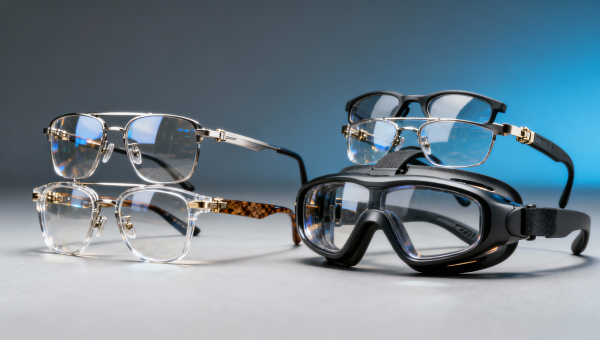
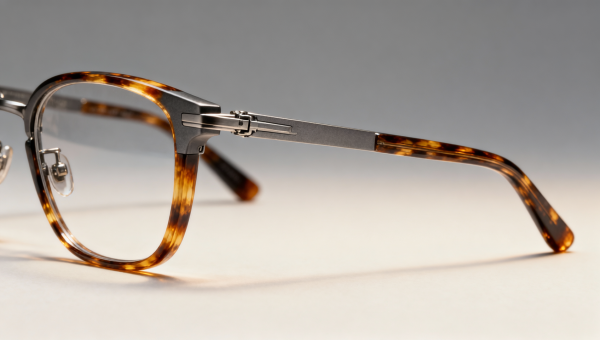
The European Committee for Standardization (CEN) has enforced the updated EN 14138:2026 standard for eyewear frames, effective April 1, 2026. The new regulation tightens nickel release limits from 0.5μg/cm²/week to 0.2μg/cm²/week and mandates ISO 12870:2025-compliant third-party test reports for all eyewear exports to the EU. This change significantly impacts China, which accounts for over 70% of global eyewear frame production, as non-compliant products may face EU customs detention or rejection.
Event Overview
The revised EN 14138:2026 standard, officially implemented on April 1, 2026, introduces stricter nickel release limits for eyewear frames sold in the EU. All products must now include third-party test reports aligned with ISO 12870:2025. Non-compliant shipments risk being held or returned by EU customs authorities.
Industries Affected
Eyewear Manufacturers
Chinese manufacturers, responsible for the majority of global eyewear production, must adapt their processes to meet the stricter nickel limits. Failure to comply could disrupt supply chains and lead to financial losses.
Raw Material Suppliers
Suppliers of nickel-containing materials used in eyewear frames need to ensure their products meet the new standards to avoid disruptions in orders from manufacturers.
Testing and Certification Providers
Demand for ISO 12870:2025-compliant testing services is expected to rise as manufacturers seek to update their certification documents.
Key Considerations and Actions
Update Testing and Certification
Manufacturers should immediately arrange for updated third-party testing to ensure compliance with the new nickel release limits.
Review Supply Chain
Companies must assess their raw material suppliers to confirm their ability to meet the revised standards.
Monitor EU Customs Policies
Stay informed about potential enforcement variations across different EU member states to avoid shipment delays.
Industry Perspective
From an industry standpoint, this regulation represents more than just a technical adjustment—it signals the EU's continued focus on consumer safety and environmental standards. While the immediate impact falls on Chinese exporters, the long-term effect may drive broader industry-wide improvements in material safety.
Conclusion
The EN 14138:2026 revision presents both challenges and opportunities for the eyewear industry. While compliance may require short-term adjustments, it ultimately pushes manufacturers toward safer, more sustainable production practices. Companies should view this as an impetus for quality enhancement rather than merely a regulatory hurdle.
Source Information
European Committee for Standardization (CEN) official release
ISO 12870:2025 documentation
EU customs regulations update notice

Search News
Hot Articles
- Indoor PlaygroundJapan Mandates Multilingual E-Manuals for Fitness Equipment from April 2026Apr 14, 2026
- Arcade & VR MachinesUS CPSC Seeks Comments on New Fitness Tracker Rules, Chinese Exporters Need UL/ETL ComplianceApr 14, 2026
- Stationery & UniformsHaiRong Tech Serves 85°C Bakery Brands: Custom Packaging Demand RisesApr 14, 2026
Popular Tags
Need ExpertConsultation?
Connect with our specialized leisureengineering team for procurementstrategies.
Recommended News
 Apr 14, 2026Japan Updates Jewelry Labeling Rules: Mandatory China Factory Codes from April 2026Japan's new jewelry labeling rules mandate 'Country of Origin + China Factory Code' (CN-FAC-XXXXX) from April 2026. Learn how this impacts Chinese exporters and Japanese importers in the $2.1B precious metals market.● Luxury Retail Analyst
 Apr 14, 2026RCEP Tariff Cuts Boost China's Optical Lens Exports to ASEANRCEP tariff cuts boost China's optical lens exports to ASEAN with 0% duties on CR-39 & polycarbonate lenses. Learn how this + faster logistics create new trade opportunities.● Luxury Retail Analyst
 Apr 14, 2026US CPSC Proposes Stricter Lead Limits in Children's Jewelry, Impacting Chinese ExportersUS CPSC proposes stricter lead limits (40ppm) in children's jewelry, impacting Chinese exporters with new compliance challenges. Learn how this 2026 regulation affects manufacturers & supply chains.● Luxury Retail Analyst
 Apr 14, 2026EU's Revised EN 14138:2026 Eyewear Nickel Standard Takes Effect, Impacting Chinese ExportersEU's EN 14138:2026 eyewear standard tightens nickel limits to 0.2μg/cm²/week, impacting Chinese exporters. Learn compliance strategies for EU market access.● Luxury Retail Analyst
 Apr 13, 2026Designer eyewear materials that age gracefully—or fail silentlyDesigner eyewear materials impact hotel furniture, indoor playground equipment & pro audio gear longevity. Discover which age gracefully—or fail silently.● Luxury Retail Analyst
 Apr 13, 2026OEM manufacturing for eyewear: How small-batch runs affect hinge consistencyOEM manufacturing for eyewear demands precision hinge consistency—especially for designer eyewear, indoor playground equipment & pro audio equipment. Discover how small-batch runs impact durability, brand trust & supply chain solutions.● Luxury Retail Analyst
 Apr 14, 2026Designer eyewear OEM: How lens compatibility affects frame durability over timeDesigner eyewear OEM durability hinges on precise lens compatibility—critical for hotel furniture, indoor playground equipment & pro audio gear. Discover how smart supply chain solutions prevent frame failure.● Luxury Retail Analyst
 Apr 10, 2026OEM jewelry casting defects appear identical across factories — until you check mold maintenance logsUnlock supply chain solutions with OEM manufacturing transparency—spot hidden jewelry, watch & eyewear defects through mold maintenance logs.● Luxury Retail Analyst
 Apr 10, 2026Commercial procurement of premium accessories reveals unexpected inventory biasDiscover how supply chain solutions for premium accessories—ODM watches, OEM jewelry & designer eyewear—are shifting. Optimize commercial procurement today.● Luxury Retail Analyst
 Apr 11, 2026Premium accessories buyers notice subtle finish inconsistencies long before QC reports flag themPremium accessories buyers spot finish flaws before QC—discover vetted OEM manufacturing, ODM watches, designer eyewear & supply chain solutions.● Luxury Retail Analyst
 Apr 11, 2026Supply chain solutions for accessories rarely include real-time material traceabilitySupply chain solutions for premium accessories—ODM watches, OEM jewelry & designer eyewear—with real-time material traceability. Boost compliance, trust & speed-to-market.● Luxury Retail Analyst
 Apr 11, 2026Why OEM jewelry manufacturers still struggle with lead time consistency in 2026Discover why OEM jewelry and ODM watches still face lead time chaos in 2026—and how supply chain solutions, designer eyewear partners, and premium accessories manufacturers are raising the bar.● Luxury Retail Analyst
 Apr 09, 2026Designer eyewear frames with non-replaceable hinges — a durability trade-off worth making?Designer eyewear frames with non-replaceable hinges: sleek aesthetics vs. real-world durability. Explore trade-offs for hotel furniture, inclusive playgrounds, soundproofing materials & more.● Luxury Retail Analyst
 Apr 09, 2026Designer eyewear with UV400 lenses but no polarization — is glare reduction really optional?Designer eyewear with UV400 lenses—essential for outdoor playgrounds, theme park rides & luxury retail. Is non-polarized truly strategic? Discover when glare reduction is optional—and why it matters for safety, branding & compliance.● Luxury Retail Analyst
 Apr 07, 2026Middle East Tensions Raise Air Freight Costs for Jewelry, EyewearMiddle East tensions drive 12% air freight cost surge for jewelry & eyewear exports. Learn how luxury goods shippers adapt to rising logistics challenges and extended delivery times.● Luxury Retail Analyst
 Apr 07, 2026Lao Miao, Chow Sang Sang Gold Jewelry Prices Drop, Easing Cost PressuresLao Miao & Chow Sang Sang gold jewelry prices drop 5-11 yuan/gram, easing cost pressures for manufacturers. Boost your jewelry business with lower production costs & enhanced overseas order competitiveness.● Luxury Retail Analyst
 Apr 07, 2026Central Banks' Gold Demand Boosts Jewelry Sector: WGC ReportWGC report reveals 48% of central banks plan to boost gold reserves by 2026, driving jewelry sector growth. See how this impacts gold trade, jewelry manufacturing & supply chains.● Luxury Retail Analyst
 Apr 07, 20262026 China International Jewelry Show to Highlight Sustainable Gold and Cross-Border CustomizationDiscover sustainable gold & cross-border customization at the 2026 China International Jewelry Show in Beijing. Explore ESG-compliant jewelry, small-batch production solutions, and global supply chain innovations for designers & buyers.● Luxury Retail Analyst
 Apr 03, 2026Gold Price Hits Record High at $4,813/oz: Impact on Jewelry Export CostsGold price hits record high at $4,813/oz, impacting jewelry export costs. Learn how manufacturers and exporters can adapt to rising gold processing fees and implement effective pricing strategies.● Luxury Retail Analyst
 Apr 03, 20262026 Shenzhen Gifts Fair: AI Glasses & Gold IP CollabsDiscover AI glasses & gold IP collabs at 2026 Shenzhen Gifts Fair. Explore FDA-approved smart eyewear for seniors & Saint Seiya-themed jewelry trends shaping global markets. A must-attend for jewelry-tech innovators.● Luxury Retail Analyst
") Apr 07, 2026OEM jewelry suppliers that handle full design-to-delivery — what’s included (and what’s quietly excluded)OEM jewelry suppliers: What's truly included in 'full design-to-delivery'? Discover hidden gaps in compliance, tooling, and certification — vital for commercial watch & luxury retail.● Luxury Retail Analyst
Apr 07, 2026OEM jewelry suppliers that handle full design-to-delivery — what’s included (and what’s quietly excluded)OEM jewelry suppliers: What's truly included in 'full design-to-delivery'? Discover hidden gaps in compliance, tooling, and certification — vital for commercial watch & luxury retail.● Luxury Retail Analyst Apr 07, 2026OEM jewelry production timelines: why ‘4-week turnaround’ often means 6 weeks once stone setting and plating beginOEM jewelry timelines exposed: Why '4-week' promises fail for commercial watch, hotel nightstands & playground contractors—get data-backed clarity now.● Luxury Retail Analyst
 Apr 02, 20262026 Beijing Jewelry Fair Attracts Global Buyers with Traceable SourcingThe 2026 Beijing Jewelry Fair showcases global demand for traceable sourcing, attracting 57 buyer groups with GIA/NGTC-certified jade, pearls & Hetian jade. Key for exporters & supply chain innovators.● Luxury Retail Analyst
 Apr 02, 2026Shenzhen Jewelry Market Strengthens Compliance with New Anti-Money Laundering MeasuresShenzhen's jewelry market enforces new anti-money laundering measures, boosting compliance & transparency. Learn how ERP upgrades & stricter regulations impact export businesses & supply chains.● Luxury Retail Analyst