FDA Proposes Chinese Label Translation Requirement for Sports Supplements
On April 19, 2026, the U.S. Food and Drug Administration (FDA) released a draft guidance titled Dietary Supplement Labeling Guidance Draft, introducing new labeling requirements for sports nutrition supplements sold in the U.S. market with Chinese-language text. The update directly affects importers, manufacturers, and service providers engaged in cross-border trade of protein powders, BCAAs, creatine, and similar products — particularly those targeting bilingual consumers or Chinese-speaking retail channels.
Event Overview
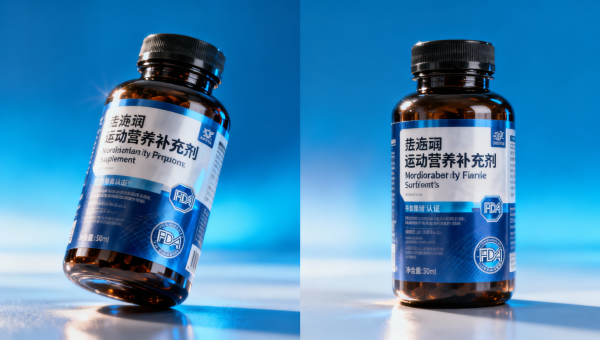
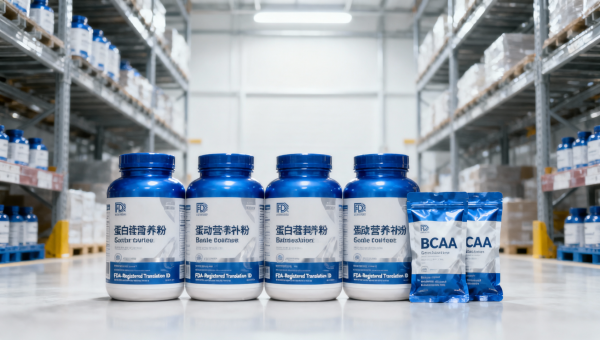
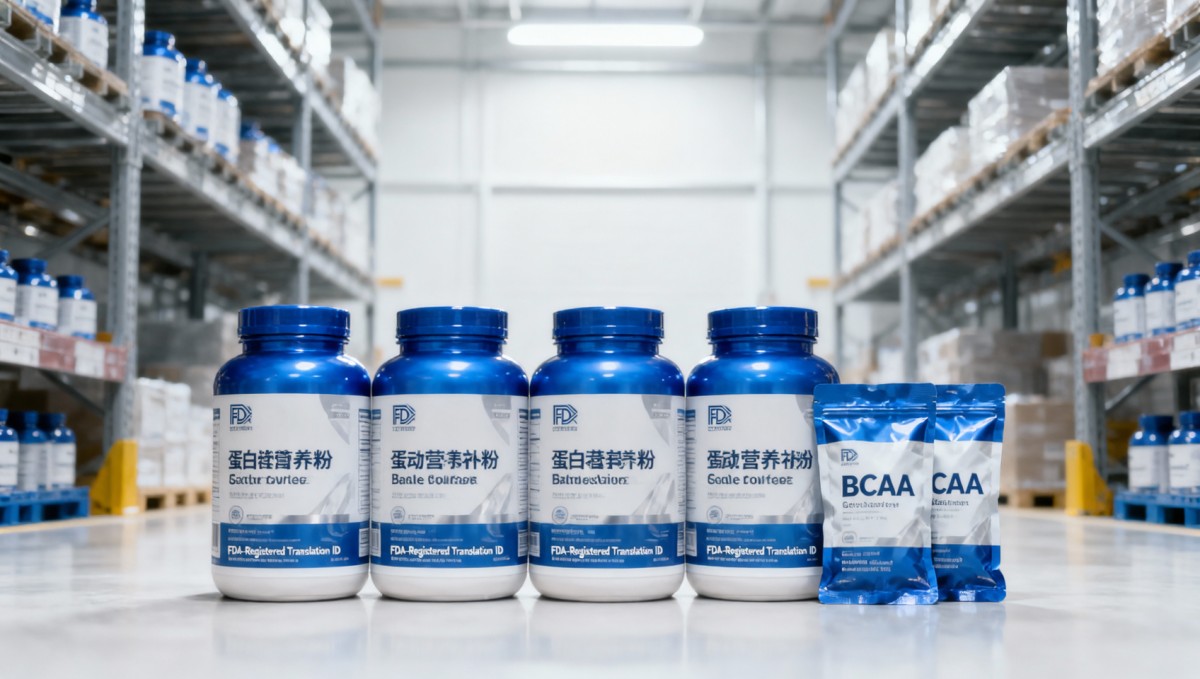
The FDA published the Dietary Supplement Labeling Guidance Draft on April 19, 2026. Section 4.7 of the draft specifies that any sports nutrition dietary supplement bearing Chinese-language ingredient lists, functional claims, or usage instructions must use translations completed by an FDA-registered translation service provider. Such labels must also display a visible ‘FDA-Registered Translation ID’ at the bottom. The public comment period ends on May 20, 2026; the guidance is expected to take effect in Q3 2026.
Industries Affected
Direct Importers and Exporters
Importers placing sports nutrition products into the U.S. market with Chinese labels will face new compliance obligations. Because the requirement applies specifically to Chinese-language content—not just packaging but all label elements including digital inserts or QR-linked instructions—these firms may need to revise label workflows, verify translation vendor status, and retain documentation for FDA review.
Contract Manufacturers and Private-Label Producers
Manufacturers producing private-label or co-packed sports supplements for U.S.-based brands must ensure their clients’ labeling materials—including multilingual versions—comply with the draft rule. This introduces new coordination points between brand owners and production partners regarding language asset management, version control, and regulatory accountability.
Supply Chain Service Providers
Translation agencies, label design firms, and regulatory consultants serving the dietary supplement sector are directly impacted as gatekeepers of compliance. The requirement to use only FDA-registered translation providers creates a new qualification layer—service providers not yet registered may lose eligibility for certain label-related engagements unless they complete registration ahead of implementation.
What Enterprises and Practitioners Should Focus On Now
Monitor official updates through the FDA Docket
The draft remains subject to public comment until May 20, 2026. Stakeholders should track responses in FDA Docket No. FDA-2026-D-XXXXX (to be assigned) for potential revisions to scope, effective date, or exemption criteria — especially regarding minor Chinese annotations (e.g., brand names or non-functional terms).
Identify high-risk product categories and labeling touchpoints
Protein powders, pre-workout formulas, and recovery blends are most likely to include Chinese-language claims or usage instructions. Companies should audit current SKUs for Chinese text across primary packaging, secondary cartons, and digital companion materials — not only printed labels but also e-commerce product pages linked via scannable codes.
Distinguish policy signal from operational mandate
This is a draft guidance, not a binding regulation. While it signals FDA’s enforcement priorities, final requirements may differ in scope or timing. Businesses should avoid full-scale operational overhauls before the final version publishes — instead, prioritize documentation readiness and vendor vetting.
Prepare for translation vendor verification and ID integration
Firms planning to retain Chinese labels should begin identifying FDA-registered translation providers now. They must also assess label real estate constraints: the mandatory ‘FDA-Registered Translation ID’ requires dedicated space at the label bottom — potentially triggering redesigns for compact or multi-language formats.
Editorial Perspective / Industry Observation
From an industry perspective, this draft reflects a broader shift toward traceability and accountability for non-English regulatory communications — especially where consumer-facing claims intersect with safety and substantiation standards. Analysis来看, the requirement is less about restricting Chinese language use and more about establishing an auditable chain of translation responsibility. Observation来看, it functions primarily as a procedural signal rather than an immediate barrier: no new safety thresholds or efficacy standards are introduced, and existing English-language compliance remains unchanged. Current interpretation favors treating this as a supply-chain documentation upgrade — one that aligns with FDA’s increasing emphasis on data integrity across global labeling operations.
Conclusion
While not yet enforceable, the draft guidance marks a formal step toward standardized oversight of multilingual supplement labeling in the U.S. It underscores that language localization is no longer solely a marketing decision — it is increasingly part of the regulatory submission and recordkeeping workflow. For now, the most appropriate understanding is that this is an anticipatory compliance signal: actionable in preparation, but not yet prescriptive in execution.
Information Source
Main source: U.S. FDA, Dietary Supplement Labeling Guidance Draft, published April 19, 2026.
Note: Final version, effective date, and registration process details for translation providers remain pending FDA confirmation and are subject to change following the May 20, 2026 comment deadline.
Search News
Hot Articles
Popular Tags
Need ExpertConsultation?
Connect with our specialized leisureengineering team for procurementstrategies.
Recommended News
 Apr 20, 2026US CPSC Alert: PFAS in Fitness Apparel May Delay US Import ClearancePFAS in fitness apparel may delay US import clearance—learn how the Texas AG probe & CPSC alert impact compliance, testing, and supply chains now.● Luxury Retail Analyst
 Apr 15, 2026FDA Updates Guidelines for Sports Nutrition Supplement Labels: Chinese Translations Must Be FDA-CertifiedFDA now requires Chinese translations on sports nutrition supplement labels to be FDA-certified. Learn how this impacts manufacturers, importers, and compliance timelines for US market access.● Luxury Retail Analyst
 Apr 14, 2026Japan Updates Jewelry Labeling Rules: Mandatory China Factory Codes from April 2026Japan's new jewelry labeling rules mandate 'Country of Origin + China Factory Code' (CN-FAC-XXXXX) from April 2026. Learn how this impacts Chinese exporters and Japanese importers in the $2.1B precious metals market.● Luxury Retail Analyst
 Apr 14, 2026RCEP Tariff Cuts Boost China's Optical Lens Exports to ASEANRCEP tariff cuts boost China's optical lens exports to ASEAN with 0% duties on CR-39 & polycarbonate lenses. Learn how this + faster logistics create new trade opportunities.● Luxury Retail Analyst
 Apr 14, 2026US CPSC Proposes Stricter Lead Limits in Children's Jewelry, Impacting Chinese ExportersUS CPSC proposes stricter lead limits (40ppm) in children's jewelry, impacting Chinese exporters with new compliance challenges. Learn how this 2026 regulation affects manufacturers & supply chains.● Luxury Retail Analyst
 Apr 14, 2026EU's Revised EN 14138:2026 Eyewear Nickel Standard Takes Effect, Impacting Chinese ExportersEU's EN 14138:2026 eyewear standard tightens nickel limits to 0.2μg/cm²/week, impacting Chinese exporters. Learn compliance strategies for EU market access.● Luxury Retail Analyst
 Apr 21, 2026FDA Proposes Chinese Label Translation Requirement for Sports SupplementsFDA proposes Chinese label translation requirements for sports supplements—learn how protein powders, BCAAs & creatine brands can prepare for Q3 2026 compliance.● Luxury Retail Analyst
 Apr 21, 2026CPSC Urgent Alert: PFAS in Fitness Apparel Risks US Import DelaysPFAS in fitness apparel triggers CPSC alerts—avoid US import delays! Get CPSC-recognized PFAS testing, compliance tips & port detention prevention now.● Luxury Retail Analyst
 Apr 18, 2026Luxury jewelry authenticity verification: Can UV light spot fake gemstones?Trampoline park, luxury jewelry & adventure playground buyers: Discover how UV light detects fake gemstones—fast, non-destructive, field-proven verification for experiential retail and entertainment environments.● Luxury Retail Analyst
 Apr 16, 2026Designer eyewear MOQs that quietly exclude small-batch collectionsDesigner eyewear MOQs stifle creativity—discover agile OEM manufacturing, supply chain solutions & custom fabrication for small-batch luxury collections.● Luxury Retail Analyst
 Apr 16, 2026Designer eyewear supply chain risks no one talks about—beyond MOQ and color matchingDiscover hidden designer eyewear supply chain risks—from lens certification delays to acetate traceability gaps—and get actionable OEM manufacturing & supply chain solutions.● Luxury Retail Analyst
 Apr 16, 2026Luxury accessories with traceable material sourcingLuxury accessories, custom jewelry & luxury timepieces with fully traceable material sourcing—verified for park benches, music stands, orchestral instruments, DJ equipment and more.● Luxury Retail Analyst
 Apr 15, 2026Luxury accessories that actually hold value over timeDiscover luxury accessories that hold value—custom jewelry, orchestral instruments, keyboard instruments, luxury timepieces, park benches & more. Built to last, appreciate, and elevate your procurement strategy.● Luxury Retail Analyst
 Apr 15, 2026Why custom jewelry orders take longer than expected in 2026Discover why custom jewelry, luxury accessories & timepieces face delays in 2026—linked to park benches, music stands, DJ equipment & office supply bottlenecks. Optimize timelines now.● Luxury Retail Analyst
 Apr 13, 2026Designer eyewear materials that age gracefully—or fail silentlyDesigner eyewear materials impact hotel furniture, indoor playground equipment & pro audio gear longevity. Discover which age gracefully—or fail silently.● Luxury Retail Analyst
 Apr 13, 2026OEM manufacturing for eyewear: How small-batch runs affect hinge consistencyOEM manufacturing for eyewear demands precision hinge consistency—especially for designer eyewear, indoor playground equipment & pro audio equipment. Discover how small-batch runs impact durability, brand trust & supply chain solutions.● Luxury Retail Analyst
 Apr 14, 2026Designer eyewear OEM: How lens compatibility affects frame durability over timeDesigner eyewear OEM durability hinges on precise lens compatibility—critical for hotel furniture, indoor playground equipment & pro audio gear. Discover how smart supply chain solutions prevent frame failure.● Luxury Retail Analyst
 Apr 10, 2026OEM jewelry casting defects appear identical across factories — until you check mold maintenance logsUnlock supply chain solutions with OEM manufacturing transparency—spot hidden jewelry, watch & eyewear defects through mold maintenance logs.● Luxury Retail Analyst
 Apr 10, 2026Commercial procurement of premium accessories reveals unexpected inventory biasDiscover how supply chain solutions for premium accessories—ODM watches, OEM jewelry & designer eyewear—are shifting. Optimize commercial procurement today.● Luxury Retail Analyst
 Apr 11, 2026Premium accessories buyers notice subtle finish inconsistencies long before QC reports flag themPremium accessories buyers spot finish flaws before QC—discover vetted OEM manufacturing, ODM watches, designer eyewear & supply chain solutions.● Luxury Retail Analyst
 Apr 11, 2026Supply chain solutions for accessories rarely include real-time material traceabilitySupply chain solutions for premium accessories—ODM watches, OEM jewelry & designer eyewear—with real-time material traceability. Boost compliance, trust & speed-to-market.● Luxury Retail Analyst
 Apr 11, 2026Why OEM jewelry manufacturers still struggle with lead time consistency in 2026Discover why OEM jewelry and ODM watches still face lead time chaos in 2026—and how supply chain solutions, designer eyewear partners, and premium accessories manufacturers are raising the bar.● Luxury Retail Analyst
 Apr 09, 2026Designer eyewear frames with non-replaceable hinges — a durability trade-off worth making?Designer eyewear frames with non-replaceable hinges: sleek aesthetics vs. real-world durability. Explore trade-offs for hotel furniture, inclusive playgrounds, soundproofing materials & more.● Luxury Retail Analyst
 Apr 09, 2026Designer eyewear with UV400 lenses but no polarization — is glare reduction really optional?Designer eyewear with UV400 lenses—essential for outdoor playgrounds, theme park rides & luxury retail. Is non-polarized truly strategic? Discover when glare reduction is optional—and why it matters for safety, branding & compliance.● Luxury Retail Analyst