Vietnam TUV SUD Enforces Local Type Testing for VR Fitness Cabins
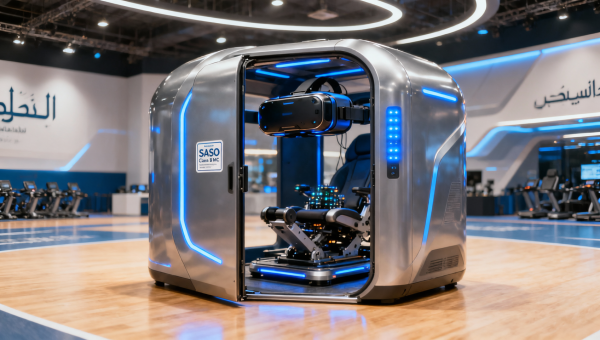
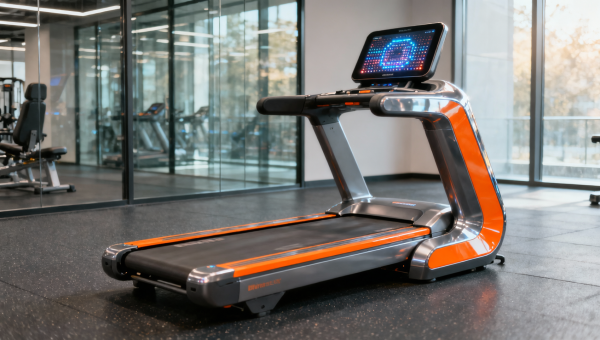
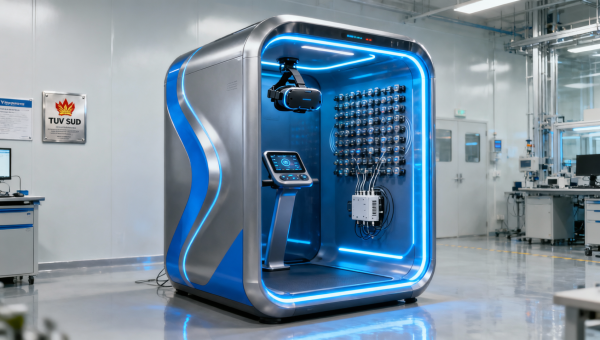
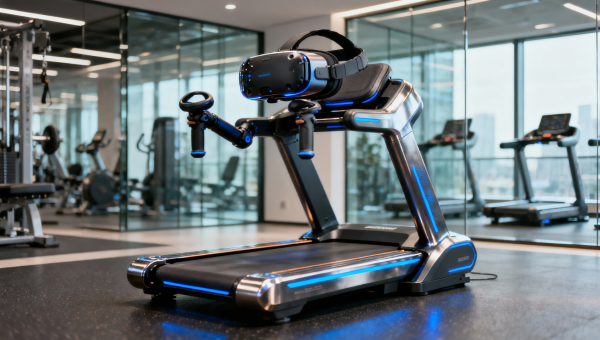
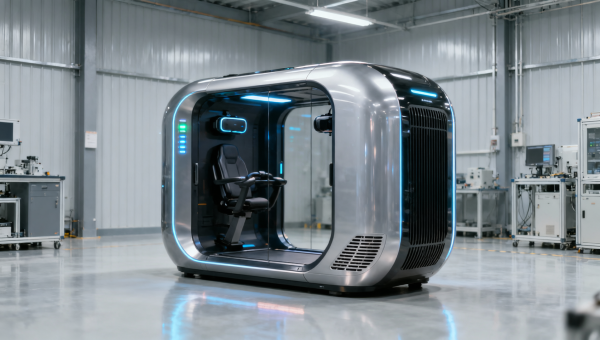
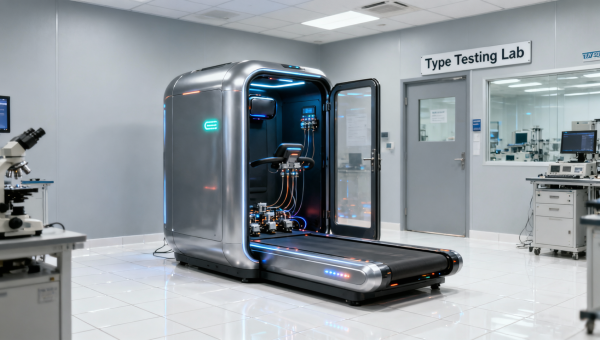
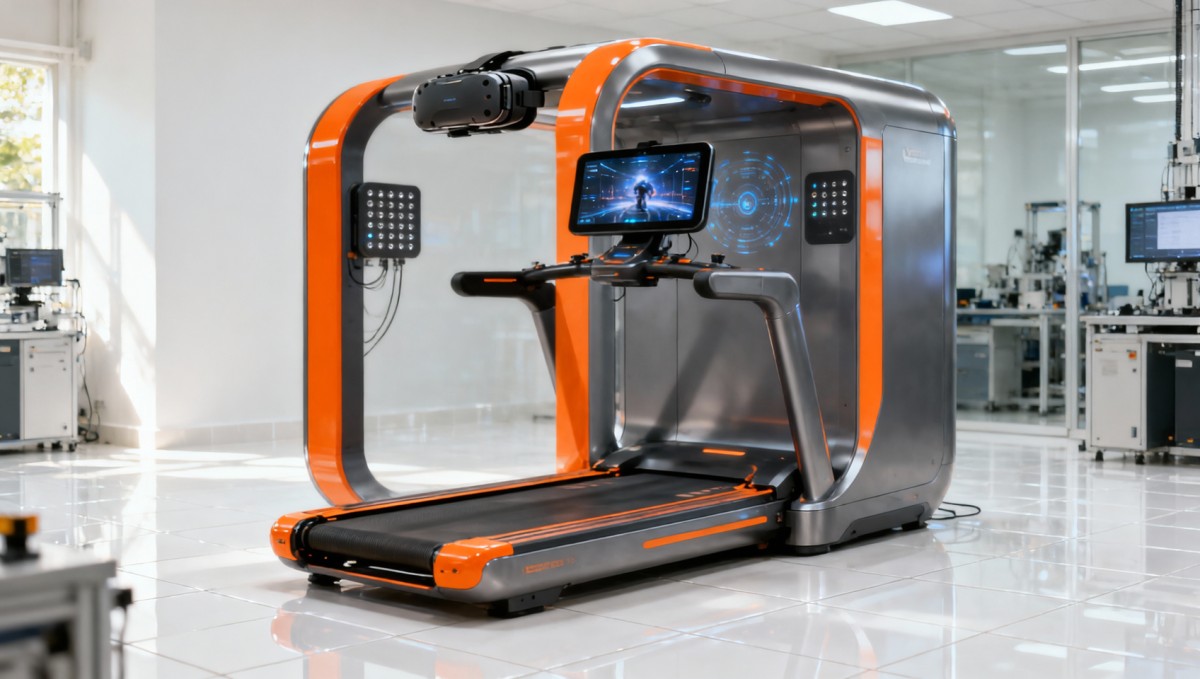
Starting April 22, 2026, Vietnam’s TUV SUD will enforce a new regulatory requirement mandating local type testing for all imported commercial VR fitness cabins—including interactive treadmills, VR exercise bikes, and immersive strength training systems—conducted at designated laboratories in Hanoi or Ho Chi Minh City. This development directly affects VR hardware exporters, cross-border certification service providers, and fitness technology distributors targeting the Vietnamese commercial fitness market.
Event Overview
On April 22, 2026, TUV SUD Vietnam implemented a mandatory regulation requiring full-unit type testing for all commercially imported VR fitness cabins. The testing must be performed at approved laboratories located in Hanoi or Ho Chi Minh City. CE or CB test reports are explicitly not accepted as substitutes. The regulation increases per-unit certification costs by approximately USD 850 and extends lead times by 12–15 working days. Chinese leading VR fitness equipment exporters have initiated pre-certification collaboration with local Vietnamese labs; the first batch of model registrations is expected to complete备案 (filing) by mid-May 2026.
Industries Affected by Segment
Direct Exporters (VR Fitness Hardware Manufacturers)
Exporters shipping VR fitness cabins into Vietnam will face mandatory re-testing under local conditions. Because CE or CB reports are no longer accepted, previously certified models must undergo full re-evaluation—even if identical units have passed international conformity assessments. This impacts product launch timelines, cost structures, and compliance documentation workflows.
Certification & Compliance Service Providers
Third-party certification agencies supporting export clients must now coordinate with Vietnam-authorized labs for type testing—not just document review. Their service scope shifts from report validation to end-to-end lab engagement, including sample logistics, test scheduling, and local technical liaison. Capacity constraints at the two designated labs may further delay turnaround.
Distributors & Channel Operators (Commercial Fitness Sector)
Importers and distributors responsible for bringing VR fitness cabins into Vietnam must now verify that each model has completed—and received formal approval from—a recognized local type test. Inventory planning, customs clearance, and post-import installation schedules must account for the 12–15-day testing window and associated cost uplift.
What Enterprises and Practitioners Should Monitor and Do Now
Confirm lab authorization status and booking availability
Verify whether the intended lab in Hanoi or Ho Chi Minh City remains officially designated by TUV SUD Vietnam—and check current lead times for type test slots. Early booking is advised, especially for multi-model submissions.
Review model portfolios for immediate filing eligibility
Identify which VR fitness cabin models are already in production or near launch and prioritize those for pre-filing. Focus on units with standardized electrical architecture and mechanical interfaces, as these tend to clear testing faster than highly customized variants.
Update cost and timeline assumptions in quotation and delivery terms
Adjust landed-cost calculations to include the USD 850 testing fee and factor in the extended 12–15 working day delay when drafting contracts, pro forma invoices, and delivery commitments for Vietnamese buyers.
Track official communications for possible transitional provisions
Monitor TUV SUD Vietnam’s public notices for any grace periods, grandfathering clauses, or phased implementation guidance—especially regarding units already in transit or under customs bond as of April 22, 2026.
Editorial Observation / Industry Perspective
From an industry perspective, this regulation is better understood as a procedural tightening rather than a market access barrier. It signals Vietnam’s increasing emphasis on localized safety verification for emerging connected fitness hardware—notably where immersive user interaction, real-time motion tracking, and high-power components converge. Analysis来看, it reflects broader regional trends toward national-level type approval for IoT-integrated wellness equipment, particularly in markets upgrading their technical regulatory infrastructure. Current more appropriate interpretation is that this is a signal of maturing regulatory expectations—not yet a systemic bottleneck, but one requiring deliberate operational adjustment.
Conclusion
This regulation marks a concrete step in Vietnam’s alignment of technical conformity requirements with the functional complexity of next-generation commercial fitness hardware. For stakeholders, it underscores the need to treat certification not as a one-time documentation step, but as an embedded, location-specific engineering and logistics activity. It is best understood not as a temporary hurdle, but as a structural shift in how VR fitness hardware enters regulated Southeast Asian markets.
Information Source
Main source: Official announcement by TUV SUD Vietnam, effective April 22, 2026. Note: Transitional arrangements, if any, remain subject to ongoing official clarification and are currently unconfirmed.
Search News
Hot Articles
- Indoor PlaygroundFan Zhendong Visits Silicon Valley as MLTT Investor, AI Ping-Pong Tech Draws AttentionApr 23, 2026
- Stage Lighting & Truss2026 FIBA Women's World Cup Draw Opens Export Window for Arena Lighting & Timing SystemsApr 23, 2026
- Pro Stage AudioChina Upgrades Security Compliance for International Sports EventsApr 23, 2026
Popular Tags
Need ExpertConsultation?
Connect with our specialized leisureengineering team for procurementstrategies.
Recommended News
 Apr 23, 2026Global VR Fitness Device Export Prices Rise 12% QoQVR fitness device export prices surge 12% QoQ to $3,820 — discover why IP65, AI calibration & 98.7% on-time delivery now define premium global supply.● Theme Park Strategist
 Apr 23, 2026Vietnam TUV SUD Enforces Local Type Testing for VR Fitness CabinsVR fitness cabins entering Vietnam must now undergo local TUV SUD type testing—mandatory from Apr 22, 2026. Learn costs, timelines & compliance steps.● Theme Park Strategist
 Apr 23, 2026SASO Updates EMC Standard for VR Motion Devices to Class BSASO Updates EMC Standard for VR Motion Devices to Class B: Critical compliance shift for VR fitness pods, AR/VR amusement systems & exporters targeting Saudi Arabia.● Theme Park Strategist
 Apr 22, 2026SASO Updates EMC Standard for VR Haptic Devices in Saudi ArabiaSASO EMC standard update for VR haptic devices in Saudi Arabia: Class B compliance required by July 1, 2026 — critical for VR treadmills, AR walls & training pods.● Theme Park Strategist
 Apr 22, 2026Global VR Fitness Device Export Price Up 12% in Q1 2026VR fitness device export prices surge 12% to $1,842/unit in Q1 2026 — discover why China’s 38-day lead times are reshaping global procurement strategies.● Theme Park Strategist
 Apr 22, 2026Vietnam TUV SUD New Rule: VR Fitness Pods Require Local Type TestVR fitness pods now require local type testing in Vietnam per TUV SUD’s new rule—impacting exporters, costs & lead times. Act now!● Theme Park Strategist
 Apr 21, 2026Global VR Fitness Equipment Export Prices Rise 12% in Q1 2026VR fitness equipment export prices surge 12% in Q1 2026—driven by EU safety mandates. Discover cost impacts, compliance risks & supply chain insights.● Theme Park Strategist
 Apr 21, 2026Vietnam TUV SUD Enforces Local Type Testing for VR Fitness CabinsVR fitness cabins entering Vietnam must now undergo local TUV SUD type testing—EMC & safety checks in Hanoi or Ho Chi Minh City starting April 2026. Key for exporters, certifiers & distributors.● Theme Park Strategist
 Apr 21, 2026SASO Updates EMC Standard for VR Motion Devices in Saudi ArabiaSASO EMC update for VR motion devices in Saudi Arabia: Class B compliance now mandatory for fitness pods, edutainment cabins & arcade systems—act now to avoid shipment delays.● Theme Park Strategist
 Apr 20, 2026Global VR Fitness Device Export Price Up 12% in Q1 2026VR fitness device export prices surged 12% in Q1 2026—discover key drivers, regional impacts, and strategic actions for exporters, suppliers & logistics partners.● Theme Park Strategist
 Apr 20, 2026SASO Updates VR Haptic Device EMC Standard to Class B in Saudi ArabiaSASO VR haptic device EMC update: Class B standard now mandatory in Saudi Arabia from July 1, 2026. Ensure compliance for VR/AR hardware, imports & venues.● Theme Park Strategist
 Apr 20, 2026Vietnam TUV SUD Enforces Local Type Test for Commercial VR Fitness CabinsVietnam TUV SUD now mandates local type testing for commercial VR fitness cabins — including latency, EMC & safety checks. Act now to secure QCVN compliance and market access.● Theme Park Strategist
 Apr 17, 2026Global VR Fitness Equipment Export Prices Rise 12% in Q1 2026VR fitness equipment export prices surge 12.3% in Q1 2026—key insights for exporters, manufacturers & supply chain partners on compliance, pricing, and delivery trends.● Theme Park Strategist
 Apr 17, 2026SASO 2891:2026 Updated: VR Haptic Devices Now Require EMC Class B in Saudi ArabiaSASO 2891:2026 update mandates EMC Class B for VR haptic devices in Saudi Arabia — critical for OEMs, exporters & EdTech suppliers. Act now to avoid delays!● Theme Park Strategist
 Apr 17, 2026Vietnam TUV SUD Mandates Local Type Testing for VR Fitness CabinsVR fitness cabins for gyms & hotels in Vietnam now require local type testing—EMC, thermal, and AI fall detection—to obtain VIEC certification. Act now to avoid delays!● Theme Park Strategist
 Apr 16, 2026VR Fitness Device Export Prices Up 12% — China Supply Stability LeadsVR fitness device export prices up 12%—China’s supply stability and modular hardware-software delivery redefine global competitiveness. Act now.● Theme Park Strategist
 Apr 16, 2026Vietnam Mandates Local TUV SUD Type Testing for VR Fitness CabinsVR fitness cabins entering Vietnam must now pass local TÜV SÜD type testing in Hanoi—key for compliance, customs clearance & market access by July 1, 2026.● Theme Park Strategist
 Apr 16, 2026SASO Updates Playground Standards: VR Devices Now Require EMC TestingSASO now mandates EMC testing for VR playground devices in Saudi Arabia—key update for VR cycling, climbing & motion cabins exporters.● Theme Park Strategist
 Apr 15, 2026Vietnam's New Regulation: Commercial VR Fitness Pods Require Local TUV SUD TestingVietnam's new regulation mandates TUV SUD testing for commercial VR fitness pods. Learn how this impacts exporters, compliance timelines, and market entry strategies for Chinese manufacturers.● Theme Park Strategist
 Apr 15, 2026Global VR Fitness Equipment Export Prices Rise 12% YoY, China Maintains Supply Chain StabilityGlobal VR fitness equipment export prices surge 12% YoY in 2026 Q1, with China maintaining 96.3% delivery reliability. Key insights for VR hardware manufacturers & fitness distributors facing cost pressures.● Theme Park Strategist
 Apr 14, 2026US CPSC Seeks Comments on New Fitness Tracker Rules, Chinese Exporters Need UL/ETL ComplianceUS CPSC proposes new UL/ETL compliance rules for fitness trackers, impacting Chinese exporters. Learn key action points and industry impacts to stay ahead of regulatory changes affecting wearable tech exports to America.● Theme Park Strategist
 Apr 13, 20262026 Chinese Youth League Upgrades Format with VR Training PodsDiscover how China's 2026 Youth League VR training pods revolutionize football development, boosting exports by 210%. Learn about FIFA-certified tech transforming player training.● Theme Park Strategist
 Apr 09, 2026US CPSC Proposes New VR Safety Standards for Children's Indoor Play EquipmentUS CPSC proposes new VR safety standards for children's indoor play equipment, including dizziness testing and age grading. Learn how these regulations impact VR manufacturers and get compliance strategies.● Theme Park Strategist
 Apr 22, 2026Why Some Arcade Games Perform Well at First Then Fade FastArcade games can shine early then fade fast. Learn how trampoline park, indoor playground, and adventure playground buyers can spot ROI risks and choose longer-lasting winners.● Theme Park Strategist