Snooker World Championship 'China Derby' Drives VR Viewing Demand
On April 25, 2026, the second-session match of the Snooker World Championship — featuring Zhao Xintong leading Ding Junhui 9–7 — triggered a surge in commercial VR viewing deployments across the UK, Germany, and Australia. This event has drawn attention from immersive tech hardware providers, AI localization service developers, and venue operators serving international sports audiences.
Event Overview
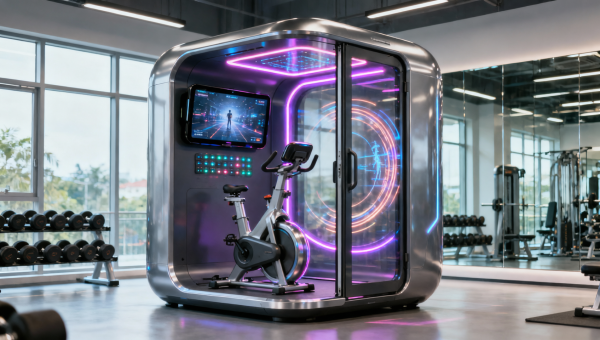
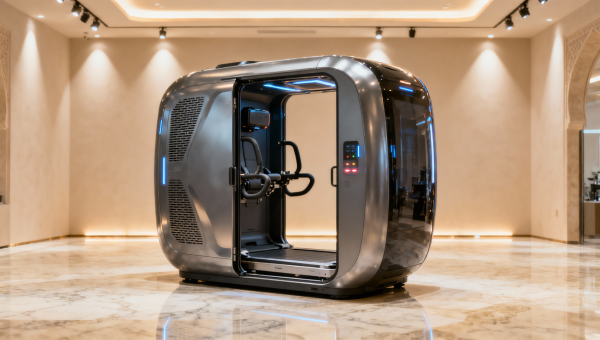
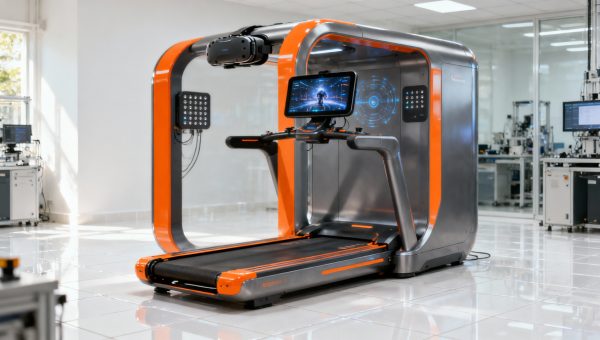
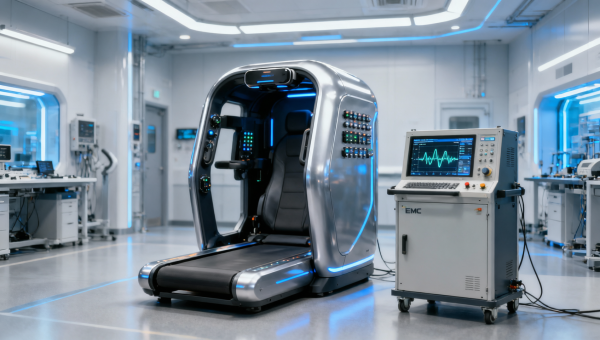
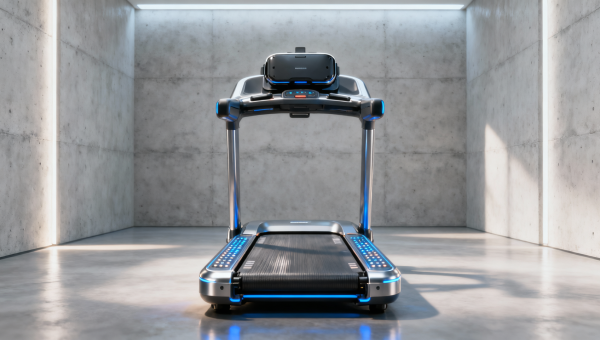
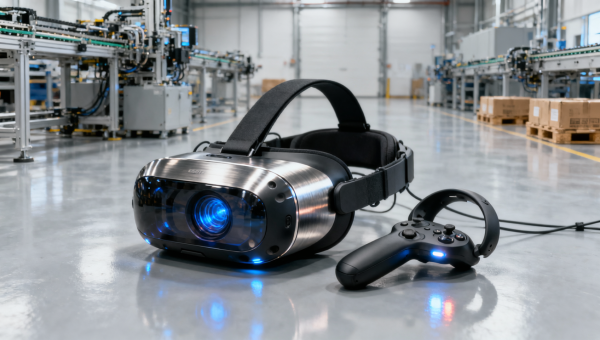
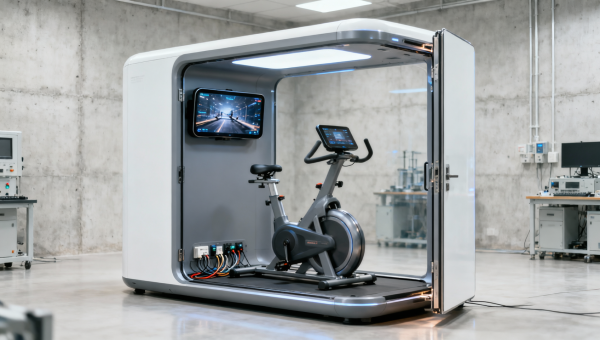
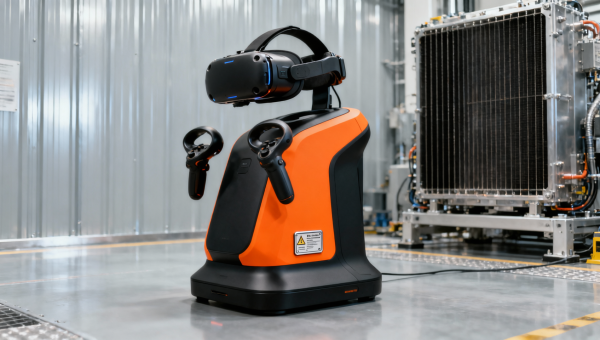
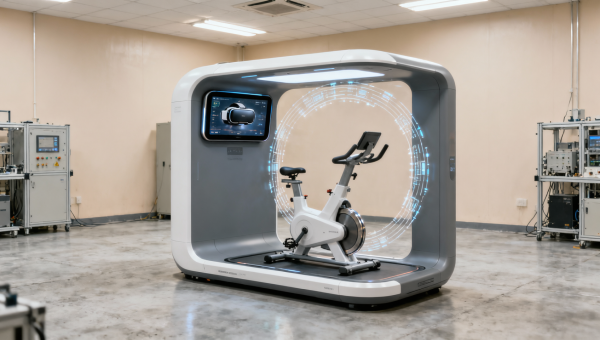
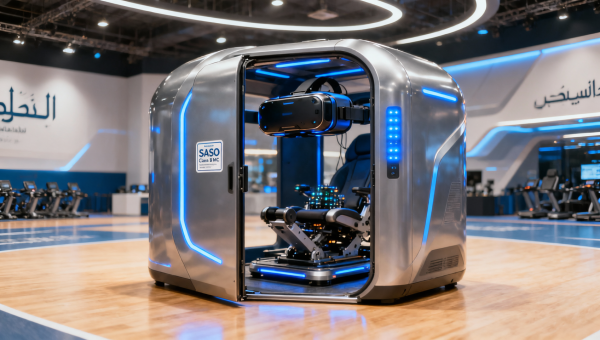
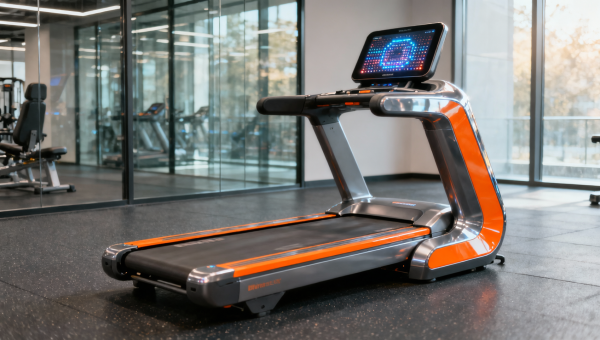
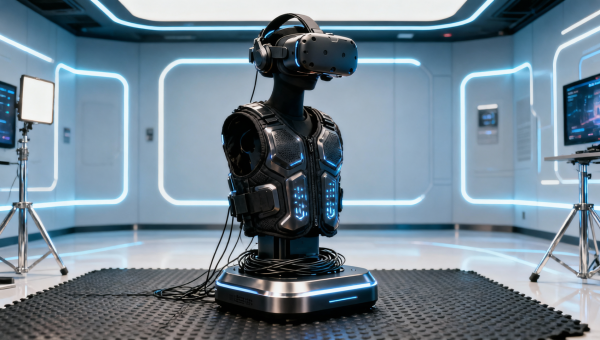
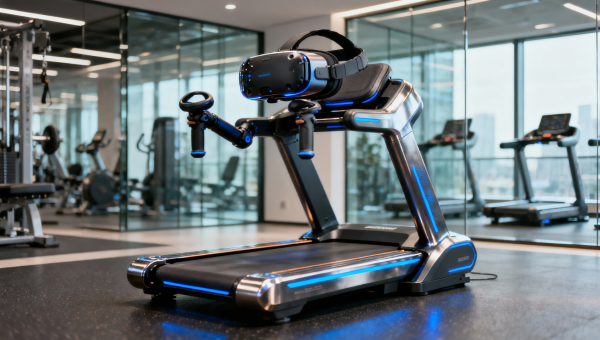
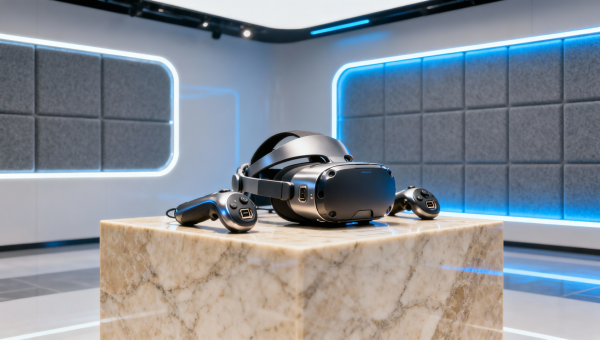
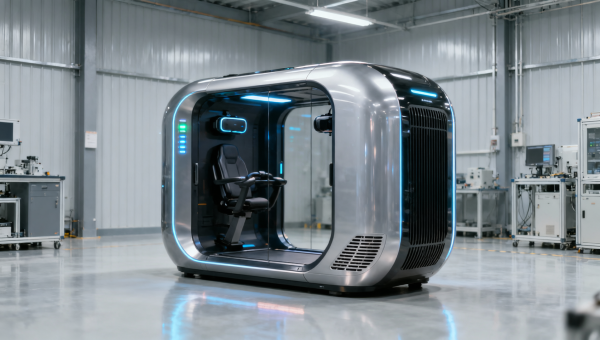
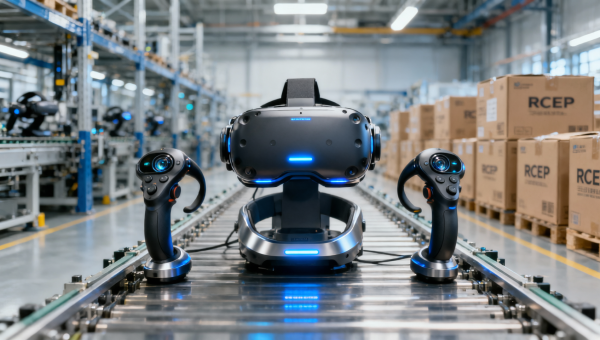
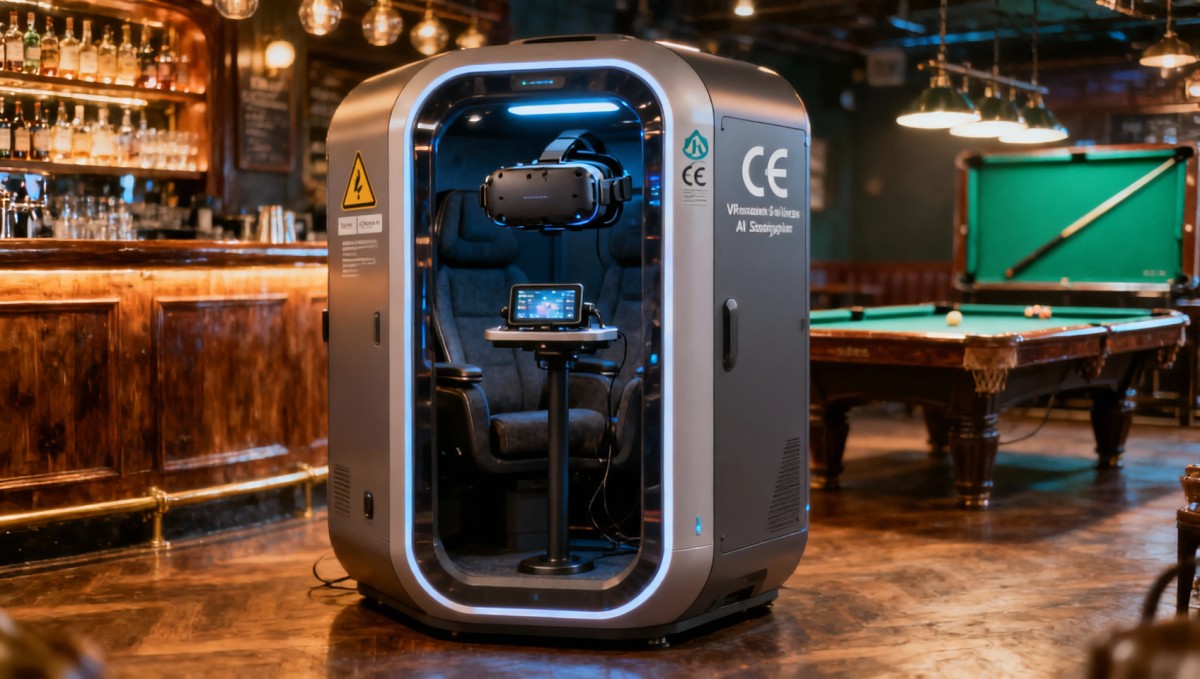
On April 25, 2026, during the second session of the Snooker World Championship at the Crucible Theatre, Zhao Xintong held a 9–7 lead over Ding Junhui. The match drew concentrated global viewership, prompting bars and entertainment venues in the UK, Germany, and Australia to urgently install VR-based immersive viewing cabins and multilingual AI commentary terminals. A leading Chinese VR spectator equipment manufacturer reported receiving over 127 B2B inquiries within 48 hours — all specifying requirements for CE and UKCA dual certification — with delivery cycle sensitivity tightening to four weeks or less.
Industries Affected
VR Hardware Exporters & Certification-Ready Manufacturers
These firms are directly impacted by sudden demand spikes requiring regulatory compliance in key export markets. The surge in CE+UKCA–mandated inquiries signals heightened scrutiny on product conformity documentation, testing timelines, and regional certification readiness — not just technical capability.
Venue Technology Integrators (Bars, Leisure Centers, Event Spaces)
Operators deploying VR viewing solutions face compressed procurement windows and increased expectations around multilingual real-time audio delivery. Their need for plug-and-play compatibility with existing AV infrastructure — plus low-latency streaming integration — has become operationally urgent.
AI Localization & Real-Time Commentary Service Providers
The deployment of multilingual AI commentary terminals reflects growing reliance on automated, context-aware translation for live sports. Demand now centers on domain-specific model training (e.g., snooker terminology), low-latency voice synthesis, and seamless API integration with broadcast feeds — rather than generic translation APIs.
Supply Chain & Logistics Partners Supporting High-Urgency Deliveries
Firms managing cross-border fulfillment for time-sensitive B2B hardware shipments face tighter coordination needs: customs pre-clearance for CE/UKCA-marked goods, air-freight prioritization, and documentation traceability for certification-linked consignments.
What Enterprises and Practitioners Should Focus On Now
Monitor certification authority updates for CE/UKCA alignment
With over 127 inquiries explicitly citing dual certification, enterprises should track ongoing harmonization efforts between EU and UK conformity assessment frameworks — especially any divergence in notified body recognition or technical file requirements post-Brexit.
Prioritize documentation readiness for high-demand product categories
VR viewing cabins and embedded AI commentary terminals now represent a distinct product category under regulatory review. Firms should verify whether their existing technical files cover use-case-specific risk assessments (e.g., prolonged headset usage, real-time audio latency thresholds) required for venue deployment.
Distinguish between inquiry volume and actual order conversion
While 127 B2B inquiries signal market interest, analysis suggests many originate from first-time adopters evaluating feasibility — not confirmed purchase commitments. Current demand appears driven by short-term event response, not long-term infrastructure planning.
Prepare for accelerated logistics coordination with certification-linked milestones
Given the 4-week delivery sensitivity, supply chain teams should align documentation handoffs (test reports, DoC, labeling assets) with production scheduling — ensuring no delay occurs at customs due to incomplete conformity evidence.
Editorial Perspective / Industry Observation
From an industry perspective, this event is better understood as a demand signal — not yet a structural shift. The spike reflects acute, event-driven adoption in venues seeking competitive differentiation during high-profile matches, rather than broad-based infrastructure investment. Observation suggests such surges tend to concentrate in Q2 (coinciding with major snooker tournaments), making them seasonally predictable but operationally volatile. Current relevance lies less in sustained market growth and more in exposing responsiveness gaps across certification, localization, and rapid-deployment logistics layers.
Conclusion
This incident underscores how live-sports viewership patterns — when amplified by culturally resonant matchups — can rapidly stress adjacent technology supply chains. It does not indicate a new vertical market, but rather highlights existing bottlenecks in certifying, localizing, and delivering immersive viewing hardware under compressed timelines. For stakeholders, it serves as a timely reminder that regulatory readiness and logistical agility are now prerequisite capabilities — not optional enhancements — for serving international venue-based audiences.
Information Sources
Main source: Publicly reported B2B inquiry data and deployment activity from a China-headquartered VR spectator equipment manufacturer (as of April 25, 2026).
Note: Ongoing observation is recommended regarding actual order fulfillment rates, repeat deployment patterns beyond April 2026, and potential expansion into other sports viewing contexts.
Search News
Hot Articles
- Pro Stage AudioFIFA Adopts Chinese Mini-LED Displays for 2026 World Cup VAR SystemApr 24, 2026
- Outdoor RidesChina FA Warns Nanjing City Over Fan Conduct; ISO 20785 Compliance AcceleratesApr 24, 2026
- Pro Stage AudioFan Zhendong Visits Silicon Valley as MLTT Investor, AI Ping-Pong Tech Draws US InterestApr 24, 2026
Popular Tags
Need ExpertConsultation?
Connect with our specialized leisureengineering team for procurementstrategies.
Recommended News
 Apr 24, 2026Global VR Fitness Equipment Export Prices Up 12% QoQVR fitness equipment export prices surge 12% QoQ to $4,280 — driven by EU 2026/789 & UL 62368-1:Ed4 compliance. Key insight for exporters, suppliers & logistics teams.● Theme Park Strategist
 Apr 24, 2026Vietnam TUV SUD New Rule: VR Fitness Cabins Require Local Type TestVR fitness cabins entering Vietnam now require local type testing per new TUV SUD rule—impacting exporters, distributors & supply chains. Act now to avoid delays & added costs.● Theme Park Strategist
 Apr 24, 2026SASO Updates EMC Standard for VR Motion Devices in Saudi ArabiaSASO EMC update for VR motion devices in Saudi Arabia: Class B compliance now mandatory for fitness, entertainment & edutainment pods—avoid customs rejection!● Theme Park Strategist
 Apr 23, 2026Global VR Fitness Device Export Prices Rise 12% QoQVR fitness device export prices surge 12% QoQ to $3,820 — discover why IP65, AI calibration & 98.7% on-time delivery now define premium global supply.● Theme Park Strategist
 Apr 23, 2026Vietnam TUV SUD Enforces Local Type Testing for VR Fitness CabinsVR fitness cabins entering Vietnam must now undergo local TUV SUD type testing—mandatory from Apr 22, 2026. Learn costs, timelines & compliance steps.● Theme Park Strategist
 Apr 23, 2026SASO Updates EMC Standard for VR Motion Devices to Class BSASO Updates EMC Standard for VR Motion Devices to Class B: Critical compliance shift for VR fitness pods, AR/VR amusement systems & exporters targeting Saudi Arabia.● Theme Park Strategist
 Apr 22, 2026SASO Updates EMC Standard for VR Haptic Devices in Saudi ArabiaSASO EMC standard update for VR haptic devices in Saudi Arabia: Class B compliance required by July 1, 2026 — critical for VR treadmills, AR walls & training pods.● Theme Park Strategist
 Apr 22, 2026Global VR Fitness Device Export Price Up 12% in Q1 2026VR fitness device export prices surge 12% to $1,842/unit in Q1 2026 — discover why China’s 38-day lead times are reshaping global procurement strategies.● Theme Park Strategist
 Apr 22, 2026Vietnam TUV SUD New Rule: VR Fitness Pods Require Local Type TestVR fitness pods now require local type testing in Vietnam per TUV SUD’s new rule—impacting exporters, costs & lead times. Act now!● Theme Park Strategist
 Apr 21, 2026Global VR Fitness Equipment Export Prices Rise 12% in Q1 2026VR fitness equipment export prices surge 12% in Q1 2026—driven by EU safety mandates. Discover cost impacts, compliance risks & supply chain insights.● Theme Park Strategist
 Apr 21, 2026Vietnam TUV SUD Enforces Local Type Testing for VR Fitness CabinsVR fitness cabins entering Vietnam must now undergo local TUV SUD type testing—EMC & safety checks in Hanoi or Ho Chi Minh City starting April 2026. Key for exporters, certifiers & distributors.● Theme Park Strategist
 Apr 21, 2026SASO Updates EMC Standard for VR Motion Devices in Saudi ArabiaSASO EMC update for VR motion devices in Saudi Arabia: Class B compliance now mandatory for fitness pods, edutainment cabins & arcade systems—act now to avoid shipment delays.● Theme Park Strategist
 Apr 20, 2026Global VR Fitness Device Export Price Up 12% in Q1 2026VR fitness device export prices surged 12% in Q1 2026—discover key drivers, regional impacts, and strategic actions for exporters, suppliers & logistics partners.● Theme Park Strategist
 Apr 20, 2026SASO Updates VR Haptic Device EMC Standard to Class B in Saudi ArabiaSASO VR haptic device EMC update: Class B standard now mandatory in Saudi Arabia from July 1, 2026. Ensure compliance for VR/AR hardware, imports & venues.● Theme Park Strategist
 Apr 20, 2026Vietnam TUV SUD Enforces Local Type Test for Commercial VR Fitness CabinsVietnam TUV SUD now mandates local type testing for commercial VR fitness cabins — including latency, EMC & safety checks. Act now to secure QCVN compliance and market access.● Theme Park Strategist
 Apr 17, 2026Global VR Fitness Equipment Export Prices Rise 12% in Q1 2026VR fitness equipment export prices surge 12.3% in Q1 2026—key insights for exporters, manufacturers & supply chain partners on compliance, pricing, and delivery trends.● Theme Park Strategist
 Apr 17, 2026SASO 2891:2026 Updated: VR Haptic Devices Now Require EMC Class B in Saudi ArabiaSASO 2891:2026 update mandates EMC Class B for VR haptic devices in Saudi Arabia — critical for OEMs, exporters & EdTech suppliers. Act now to avoid delays!● Theme Park Strategist
 Apr 17, 2026Vietnam TUV SUD Mandates Local Type Testing for VR Fitness CabinsVR fitness cabins for gyms & hotels in Vietnam now require local type testing—EMC, thermal, and AI fall detection—to obtain VIEC certification. Act now to avoid delays!● Theme Park Strategist
 Apr 16, 2026VR Fitness Device Export Prices Up 12% — China Supply Stability LeadsVR fitness device export prices up 12%—China’s supply stability and modular hardware-software delivery redefine global competitiveness. Act now.● Theme Park Strategist
 Apr 16, 2026Vietnam Mandates Local TUV SUD Type Testing for VR Fitness CabinsVR fitness cabins entering Vietnam must now pass local TÜV SÜD type testing in Hanoi—key for compliance, customs clearance & market access by July 1, 2026.● Theme Park Strategist
 Apr 16, 2026SASO Updates Playground Standards: VR Devices Now Require EMC TestingSASO now mandates EMC testing for VR playground devices in Saudi Arabia—key update for VR cycling, climbing & motion cabins exporters.● Theme Park Strategist
 Apr 15, 2026Vietnam's New Regulation: Commercial VR Fitness Pods Require Local TUV SUD TestingVietnam's new regulation mandates TUV SUD testing for commercial VR fitness pods. Learn how this impacts exporters, compliance timelines, and market entry strategies for Chinese manufacturers.● Theme Park Strategist
 Apr 15, 2026Global VR Fitness Equipment Export Prices Rise 12% YoY, China Maintains Supply Chain StabilityGlobal VR fitness equipment export prices surge 12% YoY in 2026 Q1, with China maintaining 96.3% delivery reliability. Key insights for VR hardware manufacturers & fitness distributors facing cost pressures.● Theme Park Strategist
 Apr 14, 2026US CPSC Seeks Comments on New Fitness Tracker Rules, Chinese Exporters Need UL/ETL ComplianceUS CPSC proposes new UL/ETL compliance rules for fitness trackers, impacting Chinese exporters. Learn key action points and industry impacts to stay ahead of regulatory changes affecting wearable tech exports to America.● Theme Park Strategist