2026 FIBA Women's World Cup Draw Sets LED Timing Screen Requirements
On April 22, 2026, the FIBA Women’s World Cup group draw was announced, placing China in Group D with the USA, Czech Republic, and Italy — triggering updated technical mandates for arena LED timing displays. This development directly impacts manufacturers and exporters of sports venue LED systems, lighting & truss solutions, and compliance service providers, as FIBA’s newly published 2026 World Cup Technical Specifications introduces binding functional and safety requirements for official competition venues.
Event Overview
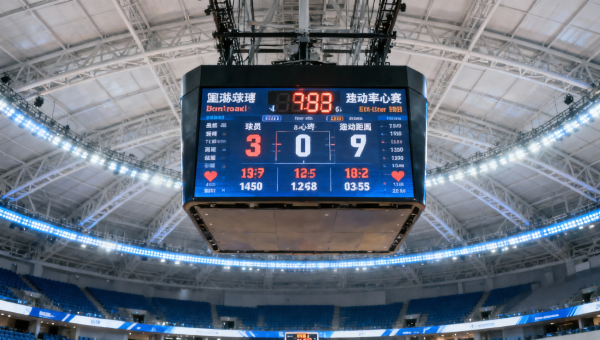
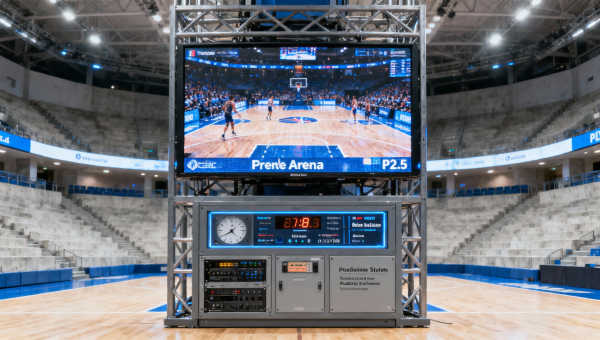
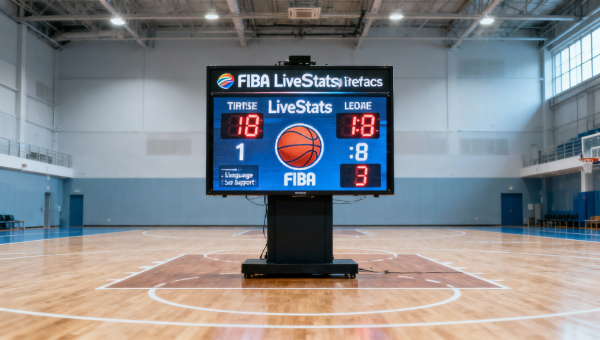
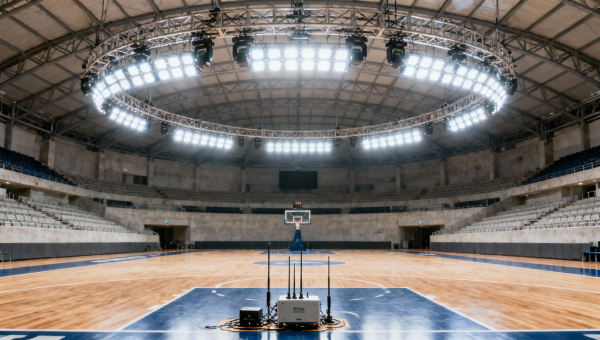
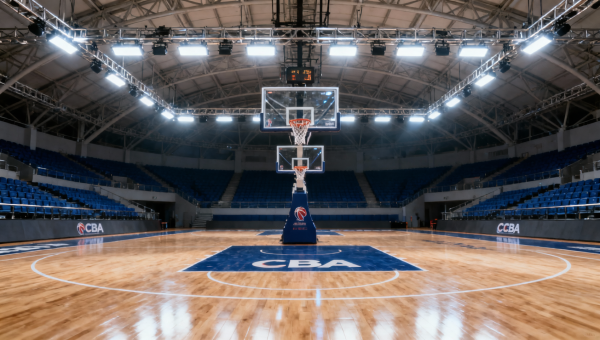
The FIBA Women’s World Cup 2026 group draw took place on April 22, 2026. Group D was confirmed as comprising China, the United States, the Czech Republic, and Italy. Concurrently, FIBA released its updated 2026 World Cup Technical Specifications, which mandate that all official group-stage venues must deploy LED timing screens capable of: (1) real-time bilingual score overlay (English + host country language); (2) visualization of player biometric data (e.g., heart rate, distance covered); and (3) direct integration with the official FIBA API. Chinese enterprises specializing in stage lighting and truss systems have initiated development of multilingual UI firmware and are pursuing EU EN 62471 photobiological safety certification.
Industries Affected by This Development
LED Display Exporters & System Integrators
These companies supply timing screens to international sports venues. The new FIBA specification shifts procurement criteria from basic display functionality to certified interoperability and localized UX. Impact is immediate: legacy single-language or non-API-enabled units no longer meet minimum eligibility for official tournament use — affecting tender qualification, product certification timelines, and post-sale support scope.
Stage Lighting & Truss Manufacturers (China-based)
As noted in the source, Chinese firms in this segment are already responding — initiating multilingual firmware development and pursuing EN 62471 certification. Their exposure stems from growing participation in global sports infrastructure projects, where compliance with regional safety standards (e.g., EU, Australia, GCC) is now a prerequisite for market access — not just an optional upgrade.
Compliance & Certification Service Providers
With FIBA explicitly referencing EN 62471 and API integration as mandatory, demand is rising for third-party validation of both hardware safety and software interoperability. Providers offering combined testing for photobiological safety, electromagnetic compatibility (EMC), and API conformance verification are seeing increased inquiry volume — particularly from SMEs lacking in-house certification capacity.
What Relevant Enterprises or Practitioners Should Focus On Now
Monitor official FIBA implementation bulletins and host-nation localization guidance
FIBA’s specification references ‘host country language’ but does not yet define which language(s) apply per venue. As the 2026 host nation has not been publicly confirmed, language localization scope remains conditional. Enterprises should track FIBA announcements and national federation updates to avoid over-engineering for unsupported language sets.
Prioritize API integration readiness and firmware upgradability
The requirement for ‘FIBA official API direct connection’ implies strict interface protocols and authentication mechanisms — not just generic HTTP polling. Firms should verify whether their current display controllers support secure, low-latency API handshaking and whether firmware architecture allows remote updates without hardware replacement.
Distinguish between specification publication and enforcement timelines
The technical specification was published alongside the draw, but FIBA typically allows a grace period before full enforcement — especially for non-host-nation suppliers. Current procurement cycles for 2025–2026 venue upgrades may still accept transitional solutions, provided they demonstrate clear upgrade paths to full compliance by Q2 2026.
Align certification efforts with parallel regulatory developments
EN 62471 certification is cited, but other markets (e.g., Australia AS/NZS 62471, Saudi SASO IEC 62471) follow similar principles. Firms pursuing EU certification should document test methods and report structures in ways that facilitate recognition under mutual acceptance arrangements — avoiding redundant testing per jurisdiction.
Editorial Perspective / Industry Observation
From an industry perspective, this update is best understood not as an isolated equipment mandate, but as part of FIBA’s broader digital standardization strategy — one that treats timing infrastructure as a data node within a unified competition ecosystem. Analysis来看, the emphasis on real-time biometric visualization and API integration signals a shift toward performance analytics integration at the venue level, extending beyond traditional scoreboard functions. Observation来看, the timing — coinciding precisely with the group draw — suggests FIBA intends specifications to influence pre-tournament procurement decisions, rather than serve only as post-qualification checks. It is currently more of a forward-looking signal than an immediately enforceable operational requirement, but its linkage to tender eligibility makes early alignment strategically relevant.
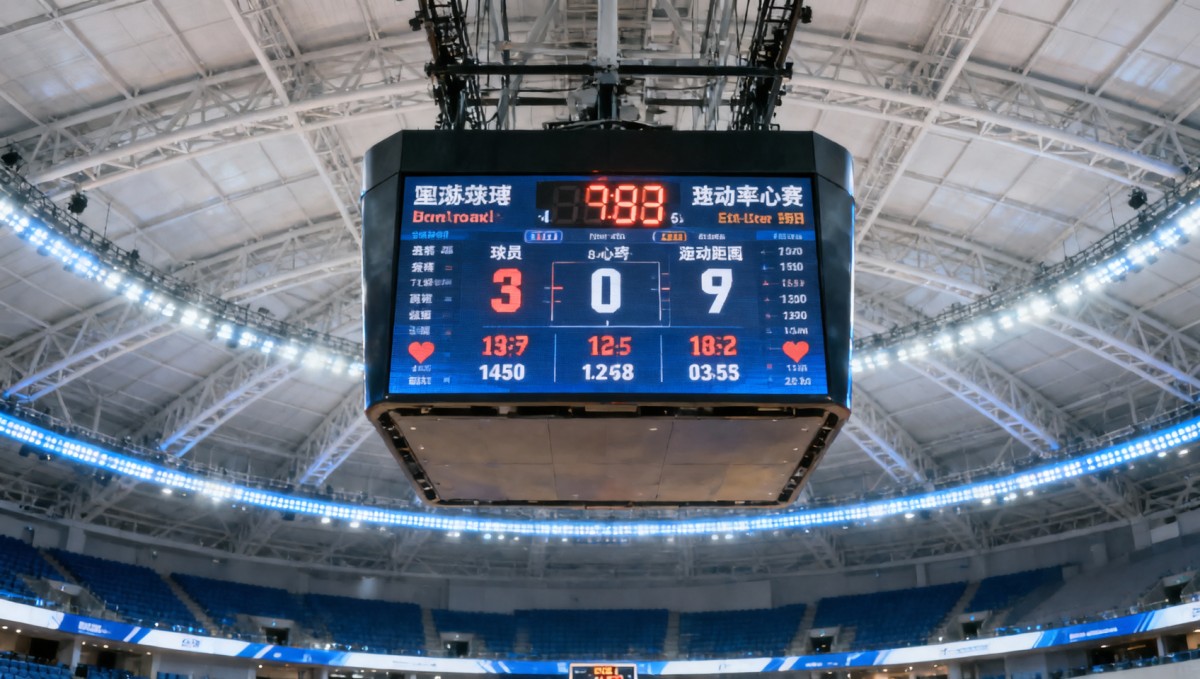
In summary, the 2026 FIBA Women’s World Cup draw and its accompanying technical specification represent a concrete inflection point for LED timing screen suppliers serving international sports infrastructure. The mandate does not introduce entirely new technologies, but it formalizes and bundles previously fragmented requirements into a single, tournament-linked compliance threshold. For affected enterprises, the current priority is not wholesale product redesign, but targeted verification of API readiness, modular firmware capability, and scalable certification pathways — all anchored to verified FIBA documentation and host-nation confirmations yet to be issued.
Source: FIBA official announcement of 2026 Women’s World Cup group draw and 2026 World Cup Technical Specifications (published April 22, 2026); public statements from Chinese stage lighting & truss enterprises regarding multilingual UI and EN 62471 certification activities. Note: Host nation for the 2026 tournament remains unconfirmed as of publication; language localization scope and final enforcement deadlines are pending further FIBA guidance.
Search News
Hot Articles
- Stage Lighting & Truss2026 FIBA Women's World Cup Draw Sets LED Timing Screen RequirementsApr 27, 2026
- Hotel Room AmenitiesIranian Delegation’s Ritual Gesture at Sanya ASG Sparks Mideast Hospitality Procurement ShiftApr 27, 2026
- Arcade & VR MachinesSnooker World Championship 'China Derby' Drives VR Viewing DemandApr 27, 2026
Popular Tags
Need ExpertConsultation?
Connect with our specialized leisureengineering team for procurementstrategies.
Recommended News
 Apr 27, 20262026 FIBA Women's World Cup Draw Sets LED Timing Screen Requirements2026 FIBA Women's World Cup LED timing screen requirements are live — bilingual display, biometric visualization & FIBA API integration now mandatory for official venues.● Pro Audio Engineer
 Apr 27, 2026France to Host 2031 FIBA Basketball World Cup: LED Arena Screens & Smart Timing Systems Export OpportunityLED arena screens & smart timing systems export opportunity: France’s 2031 FIBA Basketball World Cup mandates P2.5 LED displays and AI foul detection—act now to align with 2029 compliance deadlines.● Pro Audio Engineer
 Apr 26, 2026FIFA Adopts Chinese Mini-LED Displays for 2026 World Cup VAR SystemFIFA adopts Chinese Mini-LED displays for 2026 World Cup VAR — ultra-HD, HDR10+, -20°C–60°C rugged performance. Key insight for AV exporters & certifiers.● Pro Audio Engineer
 Apr 26, 20262026 FIBA Women's World Cup Draw Spurs LED Timing Screen Export DemandFIBA Women's World Cup 2026 draw fuels global demand for certified LED timing screens—explore export opportunities, compliance essentials & multilingual UI requirements now.● Pro Audio Engineer
 Apr 25, 2026FIFA Adopts Chinese MicroLED Displays for 2026 World Cup VAR SystemFIFA VAR system adopts Chinese MicroLED displays for 2026 World Cup — ultra-low-latency, 240Hz+ certified tech. Game-changing for sports display exporters & broadcast integrators.● Pro Audio Engineer
 Apr 25, 20262026 FIBA Women's World Cup Draw Sparks Demand for Certified Arena Lighting & Timing SystemsFIBA Women's World Cup 2026 draw fuels global demand for certified arena lighting & timing systems—get FIBA-compliant, multi-standard solutions now.● Pro Audio Engineer
 Apr 25, 2026CCTV5 Snooker Broadcast Drives 37% Surge in Stage Lighting Export InquiriesCCTV5 snooker broadcast drives 37% surge in stage lighting export inquiries—UK, Germany & Australia lead demand for DMX512 & broadcast-ready LED fixtures.● Pro Audio Engineer
 Apr 24, 2026CCTV5 Snooker Broadcast Drives 37% Surge in Global Lighting Export InquiriesCCTV5 snooker broadcast drives 37% global lighting export inquiries—UK, Germany & UAE lead demand for stage lighting, DMX512 & LED follow-spots.● Pro Audio Engineer
 Apr 23, 20262026 FIBA Women's World Cup Draw Opens Export Window for Arena Lighting & Timing SystemsFIBA Women's World Cup 2026 draw unlocks export opportunities for FIBA Level 3 arena lighting & ITU-certified timing systems — act now.● Pro Audio Engineer
 Apr 23, 2026CCTV5 Snooker Broadcast Drives 37% Surge in Stage Lighting Export InquiriesCCTV5 snooker broadcast sparks 37% surge in global stage lighting export inquiries—UAE, Mexico & Indonesia lead demand for DMX512/IP65-compliant Chinese LED fixtures.● Pro Audio Engineer
 Apr 22, 2026Guangdong vs. Shanxi CBA Game Highlights Smart Arena LightingGuangdong vs. Shanxi CBA game showcased smart arena lighting — HDR-ready, UL/GB-certified, and proven for broadcast excellence. Key for lighting makers & stadium developers.● Pro Audio Engineer
 Apr 22, 2026CCTV5 Snooker Broadcast Drives 37% Rise in Lighting Export InquiriesCCTV5斯诺克直播引爆海外采购潮!LED摇头灯、DMX控制系统等专业舞台灯光出口询盘激增37%,低延迟与EMC Class B成关键门槛。立即洞察趋势→● Pro Audio Engineer
 Apr 21, 2026CCTV5 Snooker Broadcast Drives 37% Surge in Stage Lighting Export InquiriesCCTV5 snooker broadcast sparks 37% surge in global stage lighting export inquiries—key demand from Brazil, KSA & Indonesia for IP65, 20k-hr LED moving heads.● Pro Audio Engineer
 Apr 21, 2026Guangdong vs. Shanxi CBA Game Highlights Domestic Smart Arena LightingGuangdong vs. Shanxi CBA game spotlighted domestic smart arena lighting—EN 12193:2023-compliant, flicker-free 4K LED system powering global stadium upgrades.● Pro Audio Engineer
 Apr 20, 2026Guangdong vs. Shanxi CBA Game Highlights Domestic Smart Arena LightingGuangdong vs. Shanxi CBA game spotlighted China-made smart arena lighting—FIBA-certified, broadcast-ready LED system with <0.1s dimming & 5600K stability.● Pro Audio Engineer
 Apr 18, 2026JIS T 0601-2-77:2026 Enforces Tighter Laser Brightness Limits in JapanJIS T 0601-2-77:2026 enforces tighter laser brightness limits in Japan—35% stricter + instantaneous peak detection. Critical for stage laser exporters, integrators & distributors.● Pro Audio Engineer
 Apr 17, 2026JIS T 0601-2-77:2026 Enforces Stricter Laser Limits for Stage Equipment in JapanJIS T 0601-2-77:2026 enforces stricter laser limits for stage equipment in Japan — 35% lower MPE, AI beam monitoring required. Act now to comply.● Pro Audio Engineer
 Apr 16, 2026JIS T 0601-2-77:2026 Enforces New Audience Laser Limits in JapanJIS T 0601-2-77:2026 enforces strict new audience laser limits in Japan — ≤1.0 mW/cm² (0.25s). Critical for pro audio, stage lighting & laser exporters. Act now to ensure compliance.● Pro Audio Engineer
 Apr 17, 2026Stage lighting truss compatibility issues nobody checks before ordering hotel equipmentAvoid costly rework: Verify stage lighting truss compatibility with hotel equipment, amusement equipment, sensory playgrounds & commercial furniture—before you order.● Pro Audio Engineer
 Apr 15, 2026Stage lighting truss systems that ship pre-aligned — no on-site calibrationPre-aligned stage lighting truss systems for amusement equipment, sensory playgrounds & hotel entertainment — zero on-site calibration, certified safety & rapid deployment.● Pro Audio Engineer
 Apr 13, 2026Stage equipment rentals vs. buying: when the break-even point surprises youStage equipment rentals vs. buying? Discover when renting hotel desks, commercial playgrounds, microphone systems & more slashes TCO by 37–52%—get your free break-even analysis now!● Pro Audio Engineer
 Apr 13, 2026Stage equipment rigging specs—why ‘rated for 500kg’ doesn’t mean safe for your trussStage equipment rigging specs matter—especially for trampoline park manufacturers, commercial playgrounds & hospitality furniture. Don’t trust '500kg rated' labels alone.● Pro Audio Engineer
 Apr 04, 2026Stage Lighting & Truss Projects Often Depend on Office Supplies Manufacturer Fasteners — Here’s Why They FitOffice supplies manufacturer fasteners trusted by stage lighting & truss projects—precision, ISO-certified, and B2B-ready. Discover top office supplies supplier, OEM, and exporter solutions.● Pro Audio Engineer
 Mar 30, 2026Amusement park lighting projects stall at the dimming curve—not the fixtureCommercial sourcing for amusement park lighting, playground development & compliance—solve dimming curve bottlenecks before procurement. Expert OEM/ODM insights.● Pro Audio Engineer