Vietnam Enforces Local Type Testing for Commercial VR Fitness Cabins
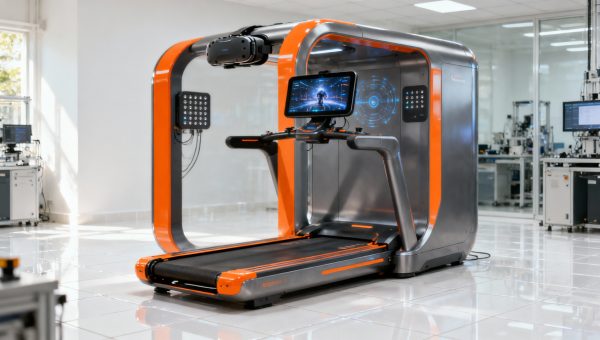
Starting April 24, 2026, Vietnam’s TÜV SÜD-VN will require all commercially sold and imported VR fitness cabins to complete local type testing and obtain TÜV SÜD-VN certification — a development directly impacting Chinese VR equipment exporters’ market access timelines and product compliance workflows.
Event Overview
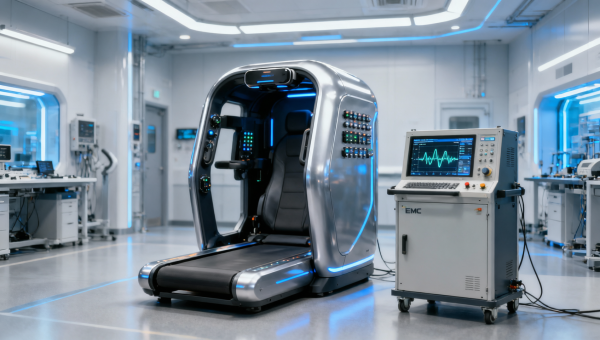
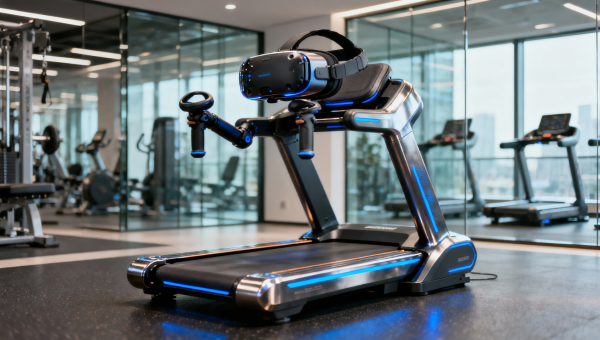
On April 24, 2026, TÜV SÜD-VN formally implemented a new regulatory requirement: all commercial VR fitness cabins entering or sold in the Vietnamese market must undergo local type testing (covering structural integrity, EMC, and safety) and secure TÜV SÜD-VN certification. This applies to both newly imported units and existing inventory offered for sale. No exemptions or alternative conformity pathways have been publicly announced.
Industries Affected
Direct Exporters (China-based VR hardware manufacturers)
These companies face mandatory revalidation of their VR fitness cabin designs against Vietnam-specific test protocols. The requirement introduces an unavoidable 4–6 week delay in shipment readiness and may necessitate physical modifications — particularly to mechanical enclosures, power supply shielding, or emergency stop integration — to pass local test criteria.
OEM/ODM Contract Manufacturers
Manufacturers producing VR fitness cabins on behalf of international brands must now allocate additional time and engineering resources for Vietnam-bound batches. Since type testing is device-specific, even minor configuration changes (e.g., PSU model, cooling fan variant) may trigger retesting — increasing documentation and validation overhead.
Distribution & Channel Partners (Vietnam-based)
Local distributors and system integrators can no longer rely on CE, FCC, or other third-country certifications as sufficient evidence of compliance. Inventory without valid TÜV SÜD-VN certification may be restricted from sale post-implementation, affecting revenue planning and stock rotation cycles.
Supply Chain & Certification Support Providers
Third-party labs, regulatory consultants, and certification facilitators serving VR exporters must now coordinate with TÜV SÜD-VN’s Ho Chi Minh City or Hanoi test facilities. Capacity constraints and scheduling lead times are emerging operational bottlenecks, especially for clients unfamiliar with Vietnam’s domestic type approval process.
What Enterprises and Practitioners Should Focus On — and How to Respond
Confirm device-level scope and test parameters with TÜV SÜD-VN now
Exporters should request the official test plan — including applicable Vietnamese standards (e.g., QCVN, TCVN), sample quantity requirements, and pass/fail criteria — before initiating any submission. Assumptions based on EU or US test reports are not sufficient.
Map current SKUs to upcoming shipments and allocate buffer time
For any VR fitness cabin model scheduled for Vietnam delivery between April and December 2026, add a minimum 5-week buffer to logistics and launch timelines. Prioritize models with highest sales volume or contractual commitments for early test scheduling.
Review design documentation for local adaptability
Assess whether existing mechanical, electrical, and software safety features meet baseline Vietnamese requirements — e.g., Vietnamese-language UI prompts, mains voltage tolerance (220 V/50 Hz), and enclosure IP rating suitability for local gym environments. Early identification reduces late-stage redesign risk.
Engage TÜV SÜD-VN directly for pre-submission technical alignment
Instead of relying solely on regional agents, initiate direct technical dialogue with TÜV SÜD-VN’s testing team to clarify interpretation of ambiguous clauses (e.g., “fitness cabin” boundary definition, user weight assumptions, or vibration stress thresholds). Written confirmation strengthens audit readiness.
Editorial Perspective / Industry Observation
From industry perspective, this requirement signals Vietnam’s broader shift toward localized conformity assessment for interactive consumer electronics — especially in high-touch, physically engaged categories like fitness tech. It is not merely an administrative update but reflects tightening oversight of human safety in immersive digital-physical hybrid environments. Analysis来看, the rule functions less as an isolated compliance hurdle and more as an early indicator of how emerging markets may increasingly decouple from harmonized global frameworks (e.g., IEC/EN standards) in favor of nationally administered type approval. Current more appropriate understanding is that this is a fully enforceable requirement — not a draft proposal — and its implementation timeline is fixed and non-negotiable.
Conclusion
This regulation marks a material change in market entry conditions for VR fitness hardware in Vietnam — one that prioritizes on-ground verification over foreign-certified equivalence. It underscores that compliance is now inherently regionalized, requiring proactive technical and logistical adaptation rather than retrospective certification alignment. For stakeholders, it is best understood not as a temporary friction point, but as the new baseline for commercial deployment in the Vietnamese B2B fitness technology segment.
Source Attribution
Main source: Official announcement issued by TÜV SÜD-VN, effective April 24, 2026.
Points under ongoing observation: Potential updates to test fee structure, availability of expedited test slots, and possible recognition of parallel testing conducted at select ASEAN-accredited labs.
Search News
Hot Articles
- Pro Stage AudioFIFA Adopts Chinese Mini-LED Displays for 2026 World Cup VAR SystemApr 24, 2026
- Outdoor RidesChina FA Warns Nanjing City Over Fan Conduct; ISO 20785 Compliance AcceleratesApr 24, 2026
- Pro Stage AudioFan Zhendong Visits Silicon Valley as MLTT Investor, AI Ping-Pong Tech Draws US InterestApr 24, 2026
Popular Tags
Need ExpertConsultation?
Connect with our specialized leisureengineering team for procurementstrategies.
Recommended News
 Apr 24, 2026Global VR Fitness Equipment Export Prices Up 12% QoQVR fitness equipment export prices surge 12% QoQ to $4,280 — driven by EU 2026/789 & UL 62368-1:Ed4 compliance. Key insight for exporters, suppliers & logistics teams.● Theme Park Strategist
 Apr 24, 2026Vietnam TUV SUD New Rule: VR Fitness Cabins Require Local Type TestVR fitness cabins entering Vietnam now require local type testing per new TUV SUD rule—impacting exporters, distributors & supply chains. Act now to avoid delays & added costs.● Theme Park Strategist
 Apr 24, 2026SASO Updates EMC Standard for VR Motion Devices in Saudi ArabiaSASO EMC update for VR motion devices in Saudi Arabia: Class B compliance now mandatory for fitness, entertainment & edutainment pods—avoid customs rejection!● Theme Park Strategist
 Apr 23, 2026Global VR Fitness Device Export Prices Rise 12% QoQVR fitness device export prices surge 12% QoQ to $3,820 — discover why IP65, AI calibration & 98.7% on-time delivery now define premium global supply.● Theme Park Strategist
 Apr 23, 2026Vietnam TUV SUD Enforces Local Type Testing for VR Fitness CabinsVR fitness cabins entering Vietnam must now undergo local TUV SUD type testing—mandatory from Apr 22, 2026. Learn costs, timelines & compliance steps.● Theme Park Strategist
 Apr 23, 2026SASO Updates EMC Standard for VR Motion Devices to Class BSASO Updates EMC Standard for VR Motion Devices to Class B: Critical compliance shift for VR fitness pods, AR/VR amusement systems & exporters targeting Saudi Arabia.● Theme Park Strategist
 Apr 22, 2026SASO Updates EMC Standard for VR Haptic Devices in Saudi ArabiaSASO EMC standard update for VR haptic devices in Saudi Arabia: Class B compliance required by July 1, 2026 — critical for VR treadmills, AR walls & training pods.● Theme Park Strategist
 Apr 22, 2026Global VR Fitness Device Export Price Up 12% in Q1 2026VR fitness device export prices surge 12% to $1,842/unit in Q1 2026 — discover why China’s 38-day lead times are reshaping global procurement strategies.● Theme Park Strategist
 Apr 22, 2026Vietnam TUV SUD New Rule: VR Fitness Pods Require Local Type TestVR fitness pods now require local type testing in Vietnam per TUV SUD’s new rule—impacting exporters, costs & lead times. Act now!● Theme Park Strategist
 Apr 21, 2026Global VR Fitness Equipment Export Prices Rise 12% in Q1 2026VR fitness equipment export prices surge 12% in Q1 2026—driven by EU safety mandates. Discover cost impacts, compliance risks & supply chain insights.● Theme Park Strategist
 Apr 21, 2026Vietnam TUV SUD Enforces Local Type Testing for VR Fitness CabinsVR fitness cabins entering Vietnam must now undergo local TUV SUD type testing—EMC & safety checks in Hanoi or Ho Chi Minh City starting April 2026. Key for exporters, certifiers & distributors.● Theme Park Strategist
 Apr 21, 2026SASO Updates EMC Standard for VR Motion Devices in Saudi ArabiaSASO EMC update for VR motion devices in Saudi Arabia: Class B compliance now mandatory for fitness pods, edutainment cabins & arcade systems—act now to avoid shipment delays.● Theme Park Strategist
 Apr 20, 2026Global VR Fitness Device Export Price Up 12% in Q1 2026VR fitness device export prices surged 12% in Q1 2026—discover key drivers, regional impacts, and strategic actions for exporters, suppliers & logistics partners.● Theme Park Strategist
 Apr 20, 2026SASO Updates VR Haptic Device EMC Standard to Class B in Saudi ArabiaSASO VR haptic device EMC update: Class B standard now mandatory in Saudi Arabia from July 1, 2026. Ensure compliance for VR/AR hardware, imports & venues.● Theme Park Strategist
 Apr 20, 2026Vietnam TUV SUD Enforces Local Type Test for Commercial VR Fitness CabinsVietnam TUV SUD now mandates local type testing for commercial VR fitness cabins — including latency, EMC & safety checks. Act now to secure QCVN compliance and market access.● Theme Park Strategist
 Apr 17, 2026Global VR Fitness Equipment Export Prices Rise 12% in Q1 2026VR fitness equipment export prices surge 12.3% in Q1 2026—key insights for exporters, manufacturers & supply chain partners on compliance, pricing, and delivery trends.● Theme Park Strategist
 Apr 17, 2026SASO 2891:2026 Updated: VR Haptic Devices Now Require EMC Class B in Saudi ArabiaSASO 2891:2026 update mandates EMC Class B for VR haptic devices in Saudi Arabia — critical for OEMs, exporters & EdTech suppliers. Act now to avoid delays!● Theme Park Strategist
 Apr 17, 2026Vietnam TUV SUD Mandates Local Type Testing for VR Fitness CabinsVR fitness cabins for gyms & hotels in Vietnam now require local type testing—EMC, thermal, and AI fall detection—to obtain VIEC certification. Act now to avoid delays!● Theme Park Strategist
 Apr 16, 2026VR Fitness Device Export Prices Up 12% — China Supply Stability LeadsVR fitness device export prices up 12%—China’s supply stability and modular hardware-software delivery redefine global competitiveness. Act now.● Theme Park Strategist
 Apr 16, 2026Vietnam Mandates Local TUV SUD Type Testing for VR Fitness CabinsVR fitness cabins entering Vietnam must now pass local TÜV SÜD type testing in Hanoi—key for compliance, customs clearance & market access by July 1, 2026.● Theme Park Strategist
 Apr 16, 2026SASO Updates Playground Standards: VR Devices Now Require EMC TestingSASO now mandates EMC testing for VR playground devices in Saudi Arabia—key update for VR cycling, climbing & motion cabins exporters.● Theme Park Strategist
 Apr 15, 2026Vietnam's New Regulation: Commercial VR Fitness Pods Require Local TUV SUD TestingVietnam's new regulation mandates TUV SUD testing for commercial VR fitness pods. Learn how this impacts exporters, compliance timelines, and market entry strategies for Chinese manufacturers.● Theme Park Strategist
 Apr 15, 2026Global VR Fitness Equipment Export Prices Rise 12% YoY, China Maintains Supply Chain StabilityGlobal VR fitness equipment export prices surge 12% YoY in 2026 Q1, with China maintaining 96.3% delivery reliability. Key insights for VR hardware manufacturers & fitness distributors facing cost pressures.● Theme Park Strategist
 Apr 14, 2026US CPSC Seeks Comments on New Fitness Tracker Rules, Chinese Exporters Need UL/ETL ComplianceUS CPSC proposes new UL/ETL compliance rules for fitness trackers, impacting Chinese exporters. Learn key action points and industry impacts to stay ahead of regulatory changes affecting wearable tech exports to America.● Theme Park Strategist