SASO Updates EMC Rules for VR & Immersive Fitness Devices in Saudi Arabia
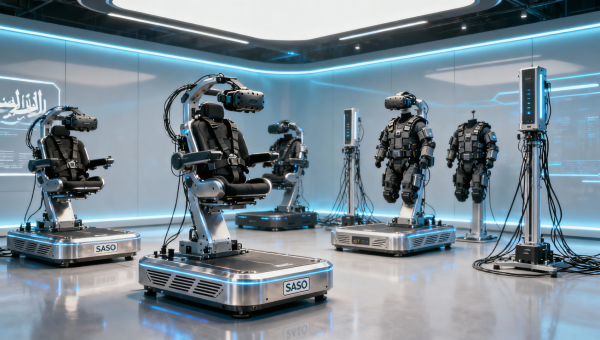
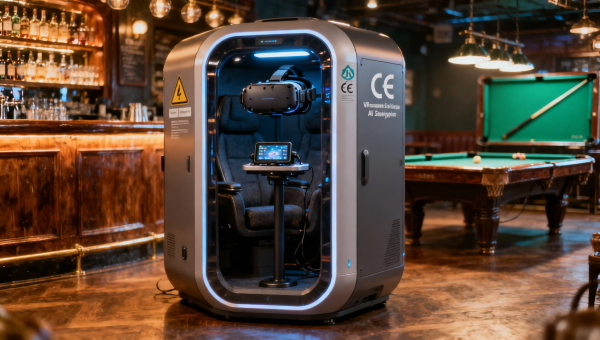
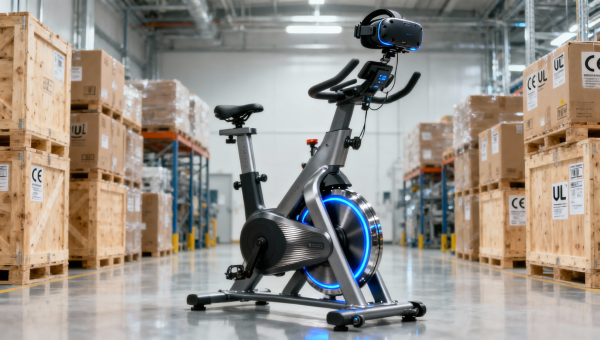
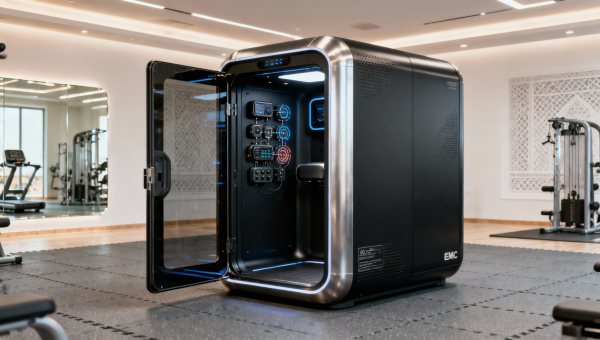
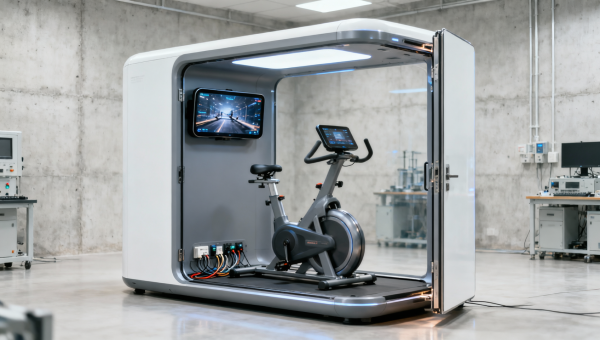
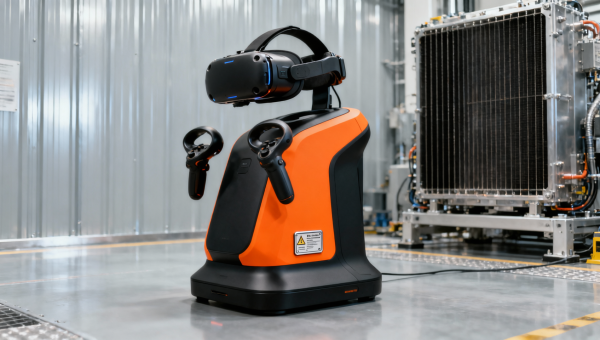
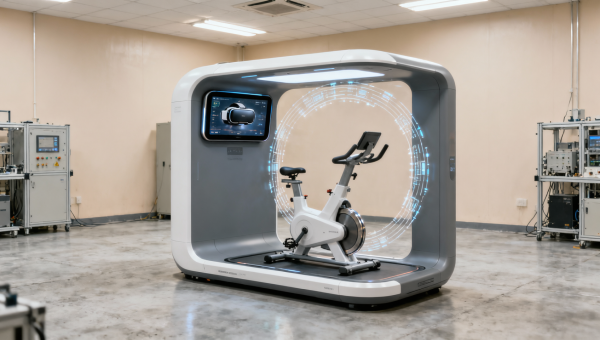
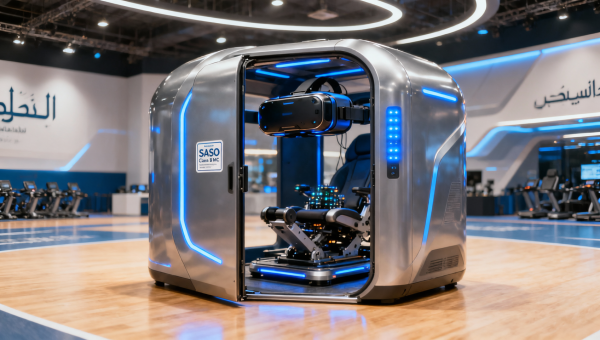
Saudi Arabia’s Standards, Metrology and Quality Organization (SASO) has enforced a revised Electromagnetic Compatibility (EMC) technical regulation for VR and immersive motion-based entertainment equipment, effective 25 April 2026. The update mandates Class B compliance (per IEC/CISPR 32) for all imported VR fitness pods, commercial VR arcade machines, and immersive motion training systems — eliminating prior allowances for Class A. Exporters of arcade and VR machines from China, particularly those targeting the Middle East, must now reassess compliance timelines and certification costs.
Event Overview
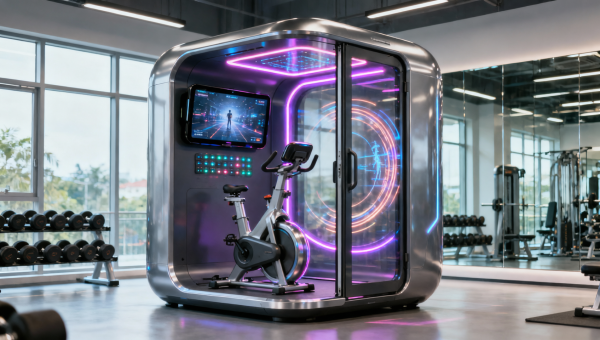
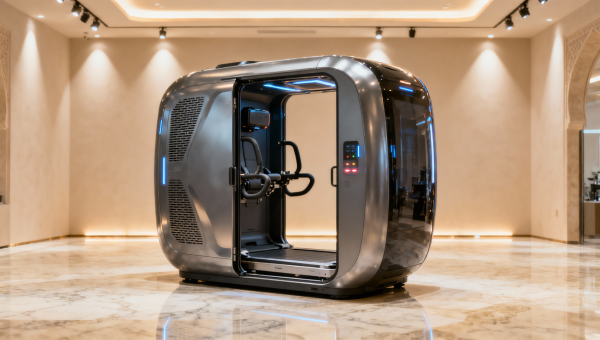
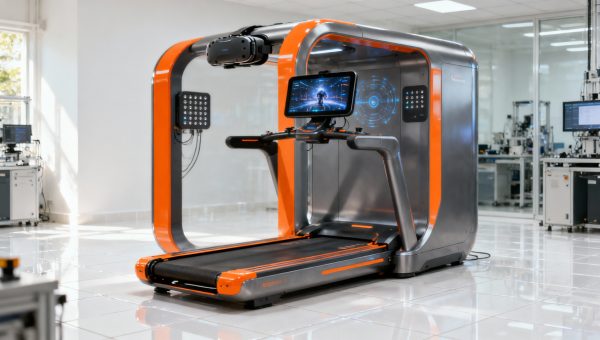
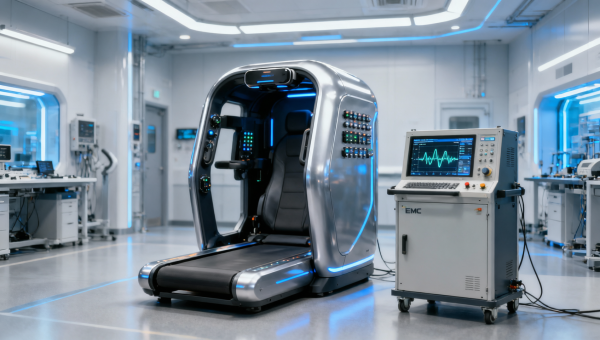
On 25 April 2026, SASO officially implemented the updated Technical Regulation for Electromagnetic Compatibility of Virtual Reality and Immersive Motion Entertainment Equipment. The regulation requires all covered products — including VR fitness cabins, commercial VR amusement machines, and immersive motion-based training systems — to meet Class B immunity and emissions limits under IEC/CISPR 32. The previous provision permitting Class A classification for certain non-residential equipment has been fully revoked.
Industries Affected
Direct Exporters (China-based Arcade & VR Machine Manufacturers)
These companies supply finished VR and motion-entertainment systems directly to Saudi importers or distributors. They are affected because Class B compliance typically demands more rigorous shielding, filtering, and layout design than Class A — increasing both engineering effort and pre-certification testing cycles. Impact is most visible in delayed market entry, higher third-party test fees, and potential redesigns for existing models intended for the Gulf market.
OEM/ODM Manufacturing Partners
Contract manufacturers producing VR hardware on behalf of international brands face revised component-level requirements. Class B enforcement means stricter selection criteria for power supplies, wireless modules, motor drivers, and PCB layouts — potentially triggering supplier requalification and extended lead times for compliant subassemblies.
Supply Chain & Certification Service Providers
Firms offering EMC testing, SASO certification support, or regulatory consultancy for Chinese exporters will see increased demand for Class B-specific validation services. However, capacity constraints may arise if multiple clients pursue parallel certification ahead of planned product launches, especially given limited SASO-accredited labs with regional presence.
What Enterprises and Practitioners Should Focus On Now
Monitor official SASO guidance on transition timelines and grandfathering provisions
While the regulation took effect on 25 April 2026, SASO may issue clarifications regarding grace periods for already shipped or contractually committed units. Exporters should track updates via SASO’s official portal and authorized conformity assessment bodies — not rely solely on distributor interpretations.
Prioritize Class B validation for high-volume or flagship VR/fitness models
Given finite lab capacity and extended test durations for Class B, companies should identify top-selling SKUs destined for Saudi Arabia and initiate pre-compliance EMC scans early. This helps detect layout or filtering issues before formal certification, reducing risk of failure during final testing.
Distinguish between regulatory signal and operational readiness
The enforcement date marks a formal requirement, but actual customs clearance depends on verified SASO CoC (Certificate of Conformity) issuance. Companies should confirm whether their chosen certification body is accredited for Class B assessments under this specific regulation — not assume prior SASO EMC approvals remain valid.
Align procurement and documentation with updated EMC evidence requirements
Suppliers of critical components (e.g., AC-DC converters, Bluetooth/Wi-Fi modules) must now provide Class B-aligned test reports or declarations. Procurement teams should revise vendor questionnaires and update BOM-level compliance tracking to reflect this shift — avoiding last-minute documentation gaps during CoC application.
Editorial Observation / Industry Perspective
From an industry perspective, this revision signals SASO’s broader alignment with residential EMC expectations for consumer-facing immersive electronics — even when deployed commercially. Analysis来看, it reflects growing regulatory attention to electromagnetic interference in densely populated urban entertainment venues (e.g., malls, gyms, family entertainment centers), where proximity to sensitive IT and communication infrastructure heightens interference risks. Current更值得关注的是 how strictly Saudi customs will enforce the requirement at point of entry post-25 April 2026 — especially for shipments accompanied by legacy Class A certificates. It is更适合理解为 a procedural tightening rather than a sudden market barrier, but one requiring deliberate, model-level adaptation rather than broad-brush compliance strategies.
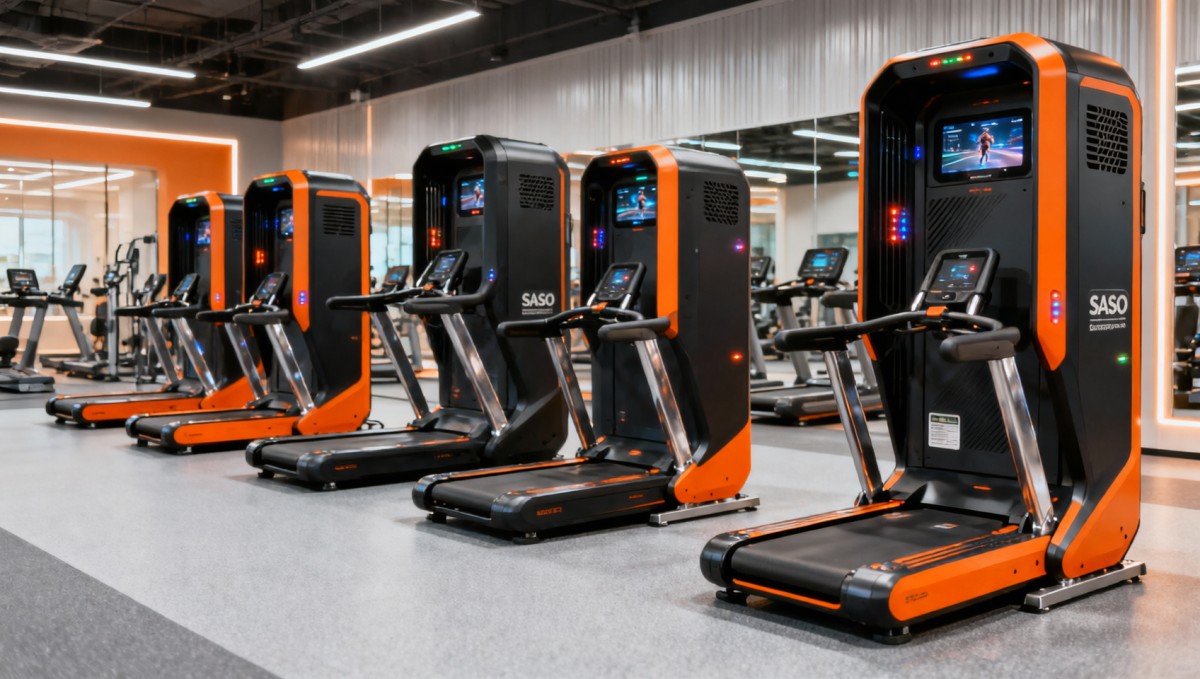
In summary, SASO’s Class B mandate for VR and immersive motion devices is not merely a technical update — it reshapes the compliance pathway for Chinese exporters entering Saudi Arabia’s growing experiential entertainment market. Its significance lies less in novelty and more in enforceability: it converts a previously flexible threshold into a hard, non-negotiable gate. For stakeholders, the current priority is disciplined prioritization, documentation rigor, and verification of service provider capability — not speculation about future revisions.
Source: Saudi Standards, Metrology and Quality Organization (SASO) — Official Technical Regulation Notice, effective 25 April 2026.
Note: Ongoing observation is required for any SASO-issued transitional guidance, lab accreditation updates, or enforcement practice notes following the effective date.
Search News
Hot Articles
- Stage Lighting & Truss2026 FIBA Women's World Cup Draw Sets LED Timing Screen RequirementsApr 27, 2026
- Hotel Room AmenitiesIranian Delegation’s Ritual Gesture at Sanya ASG Sparks Mideast Hospitality Procurement ShiftApr 27, 2026
- Arcade & VR MachinesSnooker World Championship 'China Derby' Drives VR Viewing DemandApr 27, 2026
Popular Tags
Need ExpertConsultation?
Connect with our specialized leisureengineering team for procurementstrategies.
Recommended News
 Apr 27, 2026Snooker World Championship 'China Derby' Drives VR Viewing DemandVR viewing demand surges after Snooker World Championship 'China Derby' — key opportunity for VR hardware, localization & compliance firms in UK/EU markets.● Theme Park Strategist
 Apr 27, 2026Global VR Fitness Equipment Export Prices Rise 12.3% QoQVR fitness equipment export prices surge 12.3% QoQ — discover why IPX5, ISO 20685, and cloud readiness now drive premium pricing & market share.● Theme Park Strategist
 Apr 27, 2026SASO Updates EMC Rules for VR & Immersive Fitness Devices in Saudi ArabiaSASO EMC updates for VR & immersive fitness devices in Saudi Arabia—Class B compliance mandatory from 25 Apr 2026. Act now to avoid delays & ensure market access.● Theme Park Strategist
 Apr 26, 2026Global VR Fitness Equipment Export Prices Up 12% in Q1 2026VR fitness equipment export prices surge 12.3% in Q1 2026 — discover why reliability-driven pricing is reshaping global gym hardware procurement.● Theme Park Strategist
 Apr 26, 2026SASO Updates EMC Standard for VR Motion Devices in Saudi ArabiaSASO EMC standard update for VR motion devices in Saudi Arabia—Class B limits effective Oct 2026. Ensure compliance now to avoid customs delays & market access risks.● Theme Park Strategist
 Apr 26, 2026Snooker World Championship 'China Derby' Drives VR Viewing DemandSnooker World Championship 'China Derby' drives surging VR viewing demand—CE/UKCA-certified hardware, AI commentary & rapid logistics now critical for venues.● Theme Park Strategist
 Apr 25, 2026Global VR Fitness Equipment Export Prices Up 12% in Q1 2026VR fitness equipment export prices rose 12% in Q1 2026 — discover why $2,840/unit reflects rising value, not just cost, and how OTD leadership reshapes global sourcing.● Theme Park Strategist
 Apr 25, 2026SASO Updates EMC Standard for VR Haptic Devices in Saudi ArabiaSASO updates EMC standard SR 2305:2026 for VR haptic devices in Saudi Arabia—Class B compliance now mandatory for fitness pods & training stations. Act now to avoid port delays.● Theme Park Strategist
![]() Apr 25, 2026Vietnam Enforces Local Type Testing for Commercial VR Fitness CabinsVR fitness cabins for commercial use in Vietnam must now pass local type testing & TÜV SÜD-VN certification—key for exporters, distributors & OEMs. Act before April 24, 2026.● Theme Park Strategist
Apr 25, 2026Vietnam Enforces Local Type Testing for Commercial VR Fitness CabinsVR fitness cabins for commercial use in Vietnam must now pass local type testing & TÜV SÜD-VN certification—key for exporters, distributors & OEMs. Act before April 24, 2026.● Theme Park Strategist Apr 24, 2026Global VR Fitness Equipment Export Prices Up 12% QoQVR fitness equipment export prices surge 12% QoQ to $4,280 — driven by EU 2026/789 & UL 62368-1:Ed4 compliance. Key insight for exporters, suppliers & logistics teams.● Theme Park Strategist
 Apr 24, 2026Vietnam TUV SUD New Rule: VR Fitness Cabins Require Local Type TestVR fitness cabins entering Vietnam now require local type testing per new TUV SUD rule—impacting exporters, distributors & supply chains. Act now to avoid delays & added costs.● Theme Park Strategist
 Apr 24, 2026SASO Updates EMC Standard for VR Motion Devices in Saudi ArabiaSASO EMC update for VR motion devices in Saudi Arabia: Class B compliance now mandatory for fitness, entertainment & edutainment pods—avoid customs rejection!● Theme Park Strategist
 Apr 23, 2026Global VR Fitness Device Export Prices Rise 12% QoQVR fitness device export prices surge 12% QoQ to $3,820 — discover why IP65, AI calibration & 98.7% on-time delivery now define premium global supply.● Theme Park Strategist
 Apr 23, 2026Vietnam TUV SUD Enforces Local Type Testing for VR Fitness CabinsVR fitness cabins entering Vietnam must now undergo local TUV SUD type testing—mandatory from Apr 22, 2026. Learn costs, timelines & compliance steps.● Theme Park Strategist
 Apr 23, 2026SASO Updates EMC Standard for VR Motion Devices to Class BSASO Updates EMC Standard for VR Motion Devices to Class B: Critical compliance shift for VR fitness pods, AR/VR amusement systems & exporters targeting Saudi Arabia.● Theme Park Strategist
 Apr 22, 2026SASO Updates EMC Standard for VR Haptic Devices in Saudi ArabiaSASO EMC standard update for VR haptic devices in Saudi Arabia: Class B compliance required by July 1, 2026 — critical for VR treadmills, AR walls & training pods.● Theme Park Strategist
 Apr 22, 2026Global VR Fitness Device Export Price Up 12% in Q1 2026VR fitness device export prices surge 12% to $1,842/unit in Q1 2026 — discover why China’s 38-day lead times are reshaping global procurement strategies.● Theme Park Strategist
 Apr 22, 2026Vietnam TUV SUD New Rule: VR Fitness Pods Require Local Type TestVR fitness pods now require local type testing in Vietnam per TUV SUD’s new rule—impacting exporters, costs & lead times. Act now!● Theme Park Strategist
 Apr 22, 2026Why Some Arcade Games Perform Well at First Then Fade FastArcade games can shine early then fade fast. Learn how trampoline park, indoor playground, and adventure playground buyers can spot ROI risks and choose longer-lasting winners.● Theme Park Strategist
 Apr 22, 2026Arcade Games That Keep Players Longer Without Prize InflationArcade games that boost dwell time in trampoline park, indoor playground, and adventure playground venues—discover smarter, prize-controlled strategies that improve replay, margins, and ROI.● Theme Park Strategist
 Apr 21, 2026Global VR Fitness Equipment Export Prices Rise 12% in Q1 2026VR fitness equipment export prices surge 12% in Q1 2026—driven by EU safety mandates. Discover cost impacts, compliance risks & supply chain insights.● Theme Park Strategist
 Apr 21, 2026Vietnam TUV SUD Enforces Local Type Testing for VR Fitness CabinsVR fitness cabins entering Vietnam must now undergo local TUV SUD type testing—EMC & safety checks in Hanoi or Ho Chi Minh City starting April 2026. Key for exporters, certifiers & distributors.● Theme Park Strategist
 Apr 21, 2026SASO Updates EMC Standard for VR Motion Devices in Saudi ArabiaSASO EMC update for VR motion devices in Saudi Arabia: Class B compliance now mandatory for fitness pods, edutainment cabins & arcade systems—act now to avoid shipment delays.● Theme Park Strategist
 Apr 20, 2026Global VR Fitness Device Export Price Up 12% in Q1 2026VR fitness device export prices surged 12% in Q1 2026—discover key drivers, regional impacts, and strategic actions for exporters, suppliers & logistics partners.● Theme Park Strategist