China FA Warns Nanjing City Over Fan Conduct; Security Compliance Tightens for International Matches
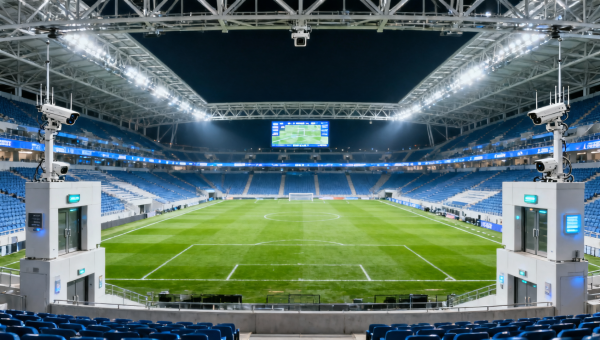
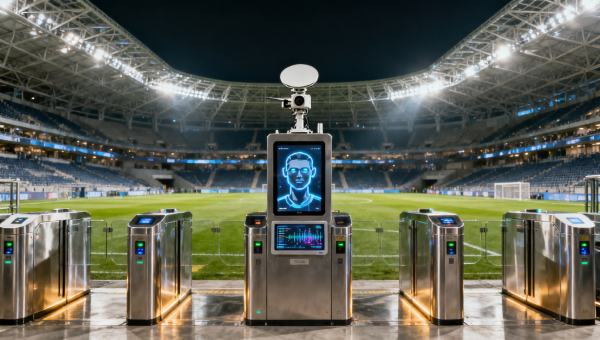
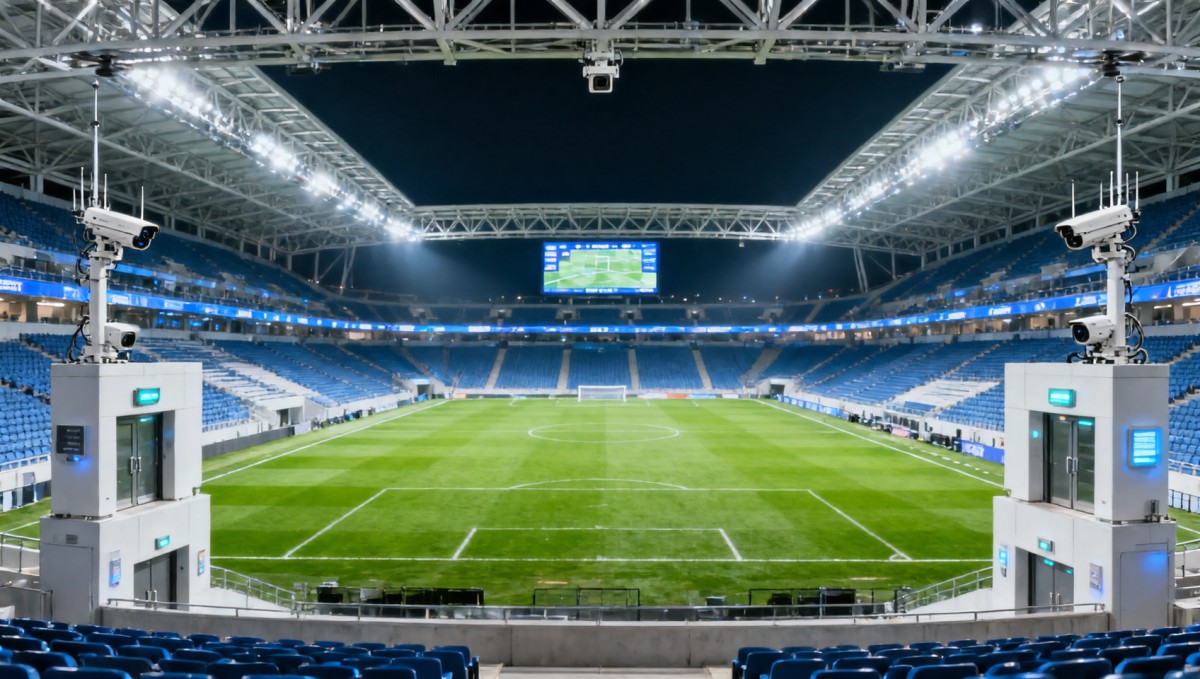
On April 25, 2026, the Chinese Football Association issued a formal warning to Nanjing City FC’s home stadium following fan-related security incidents—including thrown objects and unauthorized drone incursions—during a China League One match. The notice signals heightened regulatory scrutiny for venues hosting international friendlies or commercial matches, particularly concerning public safety risk assessment standards and real-time security platform integration. Facilities involved in overseas club cooperation, venue operations, event security services, and stadium technology infrastructure should closely monitor compliance timelines and certification requirements.
Event Overview
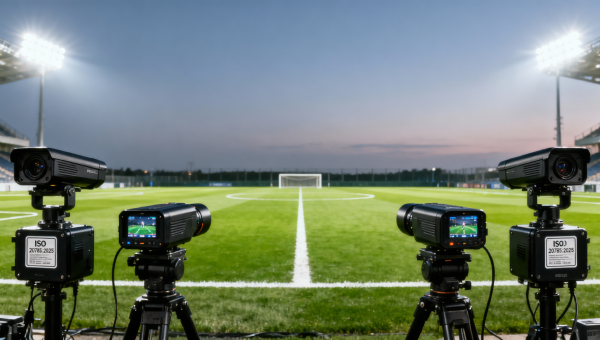
On April 25, 2026, the Chinese Football Association announced a warning sanction against the home venue of Nanjing City FC (a China League One club) due to spectator misconduct—including projectile throwing—and an unauthorized drone entering the stadium perimeter during a domestic match. The association further mandated that all venues planning to host international invitation matches or commercial events must achieve Level-3 certification under GB/T 36735–2018 Public Safety Risk Assessment Specification for Large-Scale Activities by June 30, 2026, and connect to their provincial-level security supervision platform.
Industries Affected
Venue Operations & Management Companies
These entities are directly responsible for meeting the new certification deadline. Failure to obtain GB/T 36735–2018 Level-3 certification by June 30, 2026, may result in disqualification from bidding for or hosting international club friendlies—impacting revenue streams tied to overseas partnerships and commercial event rights.
Event Security Service Providers
Providers offering risk assessment, crowd management, drone detection, and real-time surveillance solutions face expanded scope requirements. Certification under GB/T 36735–2018 mandates documented methodology, third-party validation, and integration-ready reporting systems—shifting demand toward auditable, platform-compatible service delivery.
Stadium Technology Integrators
Firms supplying access control, drone countermeasures, video analytics, or API-based security data feeds must ensure interoperability with provincial regulatory platforms. The mandate implies near-term upgrades to data formatting, authentication protocols, and system logging capabilities to meet ingestion standards.
International Sports Event Organizers
Organizers coordinating overseas club tours to China—including agents, federations, and commercial partners—must now verify host venue certification status prior to contract finalization. Uncertified venues may be excluded from official cooperation lists, increasing pre-event due diligence burden and potential scheduling risk.
What Enterprises and Practitioners Should Focus On Now
Monitor official implementation guidance from provincial sports bureaus
The national mandate sets a deadline but delegates technical interpretation and audit procedures to provincial authorities. Venue operators and integrators should track announcements from local sports and public security departments for jurisdiction-specific checklists, approved certification bodies, and platform API documentation.
Verify current GB/T 36735–2018 readiness—not just physical infrastructure
Certification requires documented risk assessment processes, staff training records, incident response logs, and third-party review—not only hardware upgrades. Organizations should prioritize gap analysis of procedural compliance before initiating technical integration.
Distinguish between policy signal and operational enforcement
The April 25 notice is a binding directive, but enforcement mechanisms (e.g., penalties for non-compliance post-June 30, audit frequency) remain unspecified. Stakeholders should treat the deadline as firm for planning, while recognizing that verification rigor may vary across regions during initial rollout.
Prepare cross-departmental coordination for platform integration
Connecting to provincial security platforms involves IT, operations, legal, and compliance teams. Early alignment on data scope (e.g., camera feed metadata vs. full video), retention policies, and access governance will reduce delays in certification submission.
Editorial Perspective / Industry Observation
From industry perspective, this notice functions primarily as a regulatory signal—not yet a fully enforced regime—but one with clear operational consequences. Analysis来看, it reflects a broader shift from reactive incident response to proactive, standardized risk governance for high-profile sporting venues. Observation来看, the linkage between domestic league sanctions and international event eligibility suggests growing alignment between football administration and public security policy frameworks. Current more appropriate understanding is that this is a phase-one compliance trigger: venues and service providers are expected to demonstrate readiness by mid-2026, but full harmonization across provinces may extend beyond the stated deadline.
Conclusion
This notice marks a formal step toward institutionalizing security accountability for venues engaged in international sports exchange. It does not introduce novel standards, but rather enforces existing national risk assessment norms with concrete deadlines and enforceable linkages to market access. For stakeholders, it is best understood not as an isolated penalty, but as an early indicator of tightening convergence between sports event management and public safety regulation in China’s large-scale activity ecosystem.
Information Sources
Primary source: Official notice issued by the Chinese Football Association on April 25, 2026.
Points requiring ongoing observation: Provincial-level implementation guidelines, list of authorized certification bodies, and enforcement criteria for non-compliance after June 30, 2026.
Search News
Hot Articles
- Pro Stage AudioFIFA Adopts Chinese Mini-LED Displays for 2026 World Cup VAR SystemApr 24, 2026
- Outdoor RidesChina FA Warns Nanjing City Over Fan Conduct; ISO 20785 Compliance AcceleratesApr 24, 2026
- Pro Stage AudioFan Zhendong Visits Silicon Valley as MLTT Investor, AI Ping-Pong Tech Draws US InterestApr 24, 2026
Popular Tags
Need ExpertConsultation?
Connect with our specialized leisureengineering team for procurementstrategies.
Recommended News
 Apr 24, 2026China FA Warns Nanjing City Over Fan Conduct; ISO 20785 Compliance AcceleratesISO 20785 compliance accelerates as China FA warns Nanjing City over fan conduct—key for sports security integrators targeting Middle East & SEA tenders.● Theme Park Strategist
 Apr 20, 2026China's Smart Timing System Gains ITU Certification at Shanghai Bike EventChina's smart timing system wins ITU-T L.1800 certification — the first Chinese sports timing platform approved for UCI-accredited cycling events. Discover how it reshapes reliability, security & global competitiveness in sports tech.● Theme Park Strategist
 Apr 17, 2026Popular Badminton AI Protocol Launched in ChengduPopular Badminton AI protocol launched in Chengdu — a game-changer for smart sports hardware, VR simulators & outdoor ride manufacturers targeting Asian youth academies.● Theme Park Strategist
 Apr 17, 2026EN 1176-7:2026 Enforced: AI Behavior Recognition Required for EU Outdoor Interactive Play EquipmentEN 1176-7:2026 is now enforced — AI behavior recognition is mandatory for EU outdoor interactive play equipment. Ensure CE compliance now.● Theme Park Strategist
 Apr 16, 2026EN 1176-7:2026 Enforces AI Safety Rules for EU Outdoor Interactive Play EquipmentEN 1176-7:2026 enforces AI safety rules for EU outdoor interactive play equipment — mandatory false-trigger ≤0.3% & local-only data processing. Act now to comply.● Theme Park Strategist
 Apr 13, 20262026 CKC China Karting Championship in Macau Sparks Export Interest for Domestic Racing GearThe 2026 CKC China Karting Championship in Macau showcased FIA-compliant racing gear, sparking export interest for domestic timing systems, carbon fiber kits & sustainable tires. Discover how this event opens global opportunities.● Theme Park Strategist
 Apr 13, 2026Japan Revises Sports Equipment Safety Standards: Mandatory Multilingual E-Manuals for Imported Fitness Gear from April 2026Japan's new Sports Equipment Safety Standards mandate multilingual e-manuals for imported fitness gear from 2026. Learn how this impacts global exporters and key compliance strategies for smooth market entry.● Theme Park Strategist
 Apr 10, 2026Middle East Tensions Raise Shipping Risks in Hormuz Strait, Air Freight Costs for Sports Equipment Surge 12%Middle East tensions escalate shipping risks in Hormuz Strait, causing a 12% surge in air freight costs for sports equipment. Learn how this impacts supply chains and strategies to mitigate delays.● Theme Park Strategist
 Apr 26, 2026China FA Warns Nanjing City Over Fan Conduct; Security Compliance Tightens for International MatchesChina FA warns Nanjing City over fan conduct—key alert for venues, security providers & tech integrators ahead of June 30, 2026 compliance deadline.● Theme Park Strategist
 Apr 25, 2026China FA Warns Nanjing City Over Fan Conduct, Ups Security RulesChina FA warns Nanjing City over fan conduct—new AI security, drone countermeasures & spectrum monitoring now mandated for AFC matches.● Theme Park Strategist
 Apr 24, 2026How to Source Park Trash Cans That LastPark trash cans sourcing guide: compare durable materials, supplier options, capacity, and lifecycle cost for playground planning, hospitality procurement, and safer outdoor spaces.● Theme Park Strategist
 Apr 24, 2026Park Trash Cans: What Specs Matter Most?Park trash cans buying guide: compare material, capacity, maintenance, and safety specs for playground planning, playground surfacing, and hospitality procurement projects.● Theme Park Strategist
 Apr 24, 2026What to Check Before Buying Amusement EquipmentAmusement equipment buyers: check playground safety, playground borders, playground climbers, and sensory playground features before purchase to reduce risk and improve long-term value.● Theme Park Strategist
 Apr 24, 2026Amusement Equipment: Buy New or Used?Amusement equipment buying guide: compare new vs. used options for playground climbers, playground borders, sensory playground design, and playground safety to reduce risk and improve ROI.● Theme Park Strategist
 Apr 23, 2026Amusement Equipment Upgrades That Change Guest ExperienceAmusement equipment upgrades improve guest experience with sensory playground features, playground climbers, playground safety, playground borders, and smart commercial furniture solutions.● Theme Park Strategist
 Apr 23, 2026Amusement Equipment Safety Issues Often Missed at InstallAmusement equipment and playground safety start at install. Learn how sensory playground, playground borders, and playground climbers affect compliance, durability, and safer commercial projects.● Theme Park Strategist
 Apr 25, 2026Theme Park Rides That Cut MaintenanceTheme park rides that cut maintenance: compare durable theme park rides, playground structures, inclusive playground and playground swings for leisure park projects. Learn how smart materials and supplier support reduce downtime and lifecycle costs.● Theme Park Strategist
 Apr 25, 2026How to Plan a Profitable Leisure ParkLearn how to build a profitable leisure park with smart theme park rides, inclusive playground design, playground structures, catering equipment, custom furniture, hotel beds, and more.● Theme Park Strategist
 Apr 23, 2026Playground Swings for Parks or SchoolsPlayground swings for parks or schools: compare durable playground structures, inclusive playground options, and leisure park solutions with expert sourcing tips for safer, smarter buying.● Theme Park Strategist
 Apr 22, 2026How to Compare Theme Park RidesCompare theme park rides for safety, capacity, and ROI in a leisure park, while aligning playground structures, inclusive playground zones, and playground swings with smarter sourcing.● Theme Park Strategist
 Apr 22, 2026Is a Leisure Park Worth the InvestmentLeisure park investment guide: compare theme park rides, playground structures, inclusive playground design, swings, soundproofing materials, and custom furniture for stronger returns.● Theme Park Strategist
 Apr 22, 2026Adventure Playground Ideas That Work in Small Outdoor SpacesAdventure playground ideas for small outdoor spaces: compare layouts, indoor playground and trampoline park concepts, plus arcade games and musical instruments features to boost family appeal.● Theme Park Strategist
 Apr 22, 2026Adventure Playground Features That Improve Safety Without Feeling BoringAdventure playground and indoor playground safety features that keep fun high—compare trampoline park layouts, arcade games, and smart design tips for safer, more engaging venues.● Theme Park Strategist
 Apr 18, 20262026 Shanghai Sailing Open Adopts Domestic Smart Timing System2026 Shanghai Sailing Open adopts China's first ITU-R M.2412–certified smart timing system — a game-changer for marine sports exporters, integrators & event organizers worldwide.● Theme Park Strategist