Park Trash Cans: What Specs Matter Most?
When evaluating park trash cans for public spaces, the right specs can directly impact durability, safety, maintenance costs, and user experience. For buyers involved in playground planning, hospitality procurement, or broader site development, choosing commercial waste solutions is not just about appearance—it is about performance, compliance, and long-term value across parks, playgrounds, and recreation venues.
What specs matter most when selecting park trash cans?
For sports and entertainment environments, park trash cans must perform under higher traffic, variable weather, and frequent cleaning cycles. A unit that works in a quiet garden may fail quickly beside a skate park, water play zone, stadium-adjacent plaza, or family recreation area. For procurement teams, the most important approach is to review 5 core factors together: material, capacity, opening design, mounting method, and maintenance efficiency.
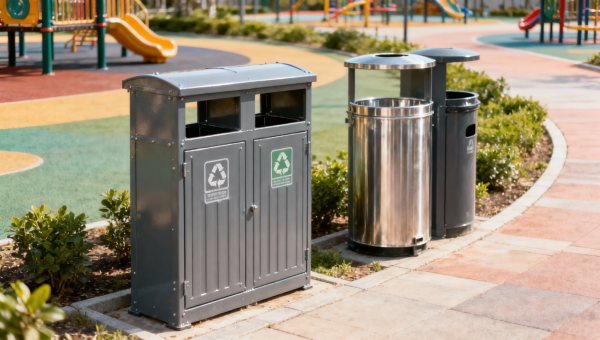
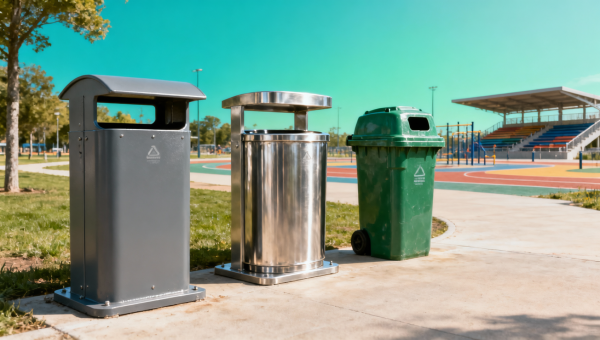
Material is usually the first technical filter. Powder-coated steel, stainless steel, recycled plastic, and concrete each solve different risk profiles. Steel is common for general municipal use, while stainless steel is often preferred in premium hospitality-linked parks or coastal areas. Recycled plastic can reduce corrosion concerns, but buyers should still check wall thickness, UV resistance, and internal frame support before approving large-volume orders.
Capacity should match visitor density, not just visual preference. In many public leisure projects, 30–50 gallon units fit standard walkways and playground zones, while 55–70 gallon bins may be more suitable for event lawns, concession corridors, and amusement park circulation areas. Oversizing can increase liner cost and handling weight. Undersizing leads to overflow, odor complaints, and more frequent servicing.
Opening style affects contamination, cleanliness, and user behavior. Open-top cans offer fast disposal in high-throughput spaces, but covered tops, rain hoods, or side-entry openings often perform better in windy or weather-exposed sites. In family-oriented sports and entertainment venues, buyers should also assess edge finishing, anti-sharp-contact detailing, and whether the opening can discourage bulky household dumping after hours.
A practical shortlist of high-priority specs
- Capacity range aligned to traffic flow, such as 30–50 gallons for standard park paths and 55–70 gallons for high-volume zones.
- Weather resistance based on climate exposure, including UV, rain, freeze-thaw cycles, or salt-laden air near coasts.
- Service-friendly liner access, lift-out frames, and bag retention systems that reduce daily labor time.
- Anchoring or surface-mount options for vandal resistance and better site safety in active public recreation spaces.
Experienced buyers rarely approve park trash cans using one spec alone. The stronger method is a weighted review: first site exposure, then maintenance routine, then visual integration with benches, bollards, planters, and other site furnishings. This is where Global Commercial Trade helps decision-makers compare commercial outdoor waste solutions in a sourcing context, not just a catalog context.
Which material and structure work best for different park environments?
The best park trash can material depends on how the space is used over 12 months, not on a showroom sample. A municipal playground, resort pathway, theme-park queue area, and university recreation campus each create different stress conditions. Procurement teams should evaluate corrosion risk, impact exposure, maintenance method, and expected replacement cycle before locking a material standard across multiple projects.
Powder-coated steel remains a common commercial choice because it balances strength, cost, and design flexibility. It supports slatted, perforated, and decorative forms and can align well with broader site furniture collections. However, coating quality matters. For outdoor sports and leisure applications, buyers should ask about pretreatment, coating consistency, weld finishing, and how touch-up is handled after installation damage.
Stainless steel is often selected for premium projects, waterfront developments, and hospitality-driven public spaces where appearance and corrosion resistance both matter. It can support a cleaner architectural aesthetic, but fingerprint visibility, denting, and cost should be reviewed. Recycled plastic and composite bodies may fit eco-conscious parks and lower-maintenance zones, especially where rust concerns are high and color stability has been tested for long outdoor exposure.
Concrete or stone-look receptacles deliver strong vandal resistance and weight stability, but they increase freight load and limit placement flexibility. In sites with frequent event reconfiguration, lighter metal systems with secure anchoring may be operationally smarter. A 3-stage review is useful: site climate, abuse level, and servicing frequency. That framework usually narrows the right material faster than price comparison alone.
Material comparison for commercial outdoor waste bins
The table below helps buyers compare common park trash can materials across durability, maintenance, and use-case suitability in sports and entertainment settings.
In practice, there is no universal best material. Buyers managing mixed portfolios often specify 2–3 approved material categories by site type. That simplifies sourcing, speeds distributor communication, and supports more consistent replacement planning across leisure parks, hospitality landscapes, and recreation campuses.
How should buyers match capacity, placement, and maintenance needs?
A park trash can that is technically durable but poorly sized or badly placed still creates visible service failure. Overflow near playground equipment or food kiosks damages the guest experience quickly. For procurement and commercial evaluation teams, the better question is not only “What bin should we buy?” but “How many units, in what size, and at what service interval?”
Typical planning starts with traffic intensity and waste type. Dry litter near walking trails may justify a lower service frequency than snack-heavy zones around sports courts, splash pads, or ticketing points. In many recreation projects, a 25–40 meter spacing pattern is common for general circulation areas, while high-consumption zones may need closer placement and larger capacity receptacles to avoid peak-time overflow.
Maintenance teams should confirm how liners are changed, whether doors require special keys, and how much lifting is involved. A larger container may reduce collection rounds, but a full load can become harder to handle safely. Units with side doors, rigid liners, or bag retention rings often improve daily servicing efficiency. Over a 6–12 month operating cycle, labor convenience can matter as much as product price.
Placement should also support site behavior. Waste bins work best when positioned at natural pause points: near benches, exits, crossings, rest zones, and food areas. They should not obstruct wheelchair routes, emergency paths, or active play lines. In sports and entertainment environments, good placement typically reduces both litter scatter and unnecessary housekeeping calls.
Selection guide by usage scenario
The following table translates common site conditions into practical park trash can selection guidance for public and commercial leisure projects.
This type of scenario-based selection is valuable for distributors and sourcing managers handling multiple buyer profiles. It reduces the risk of using one standard unit across very different conditions. Global Commercial Trade supports this evaluation process by helping teams compare site requirements, sourcing options, and commercial fit before tendering or bulk purchasing begins.
A 4-point maintenance review before approval
- Check whether the liner system supports quick replacement during daily or twice-daily service rounds.
- Confirm if the unit can be washed down without trapping water in seams, bases, or decorative panels.
- Review replacement part availability for lids, doors, hinges, and anchors over a realistic operating cycle.
- Match servicing method to staff capability, especially where outsourced cleaning teams handle several zones in one shift.
What compliance, safety, and durability checks are often overlooked?
Buyers often focus on visible design and ignore small specifications that later affect safety claims, maintenance disputes, and replacement cost. In public sports and entertainment spaces, park trash cans should be reviewed as site equipment, not just accessories. Edges, fixation, coating behavior, drainage, fire considerations, and public-contact stability can all influence whether a product remains suitable after installation.
Compliance requirements vary by market and project type, so it is wise to request documentation early in the sourcing cycle. Depending on the buyer’s country, project ownership, and installation environment, teams may need to review material declarations, coating information, fire-related considerations for certain locations, or product testing relevant to public-use fixtures. Even where no single mandatory certificate applies, documentation quality still matters during commercial evaluation.
Durability assessment should include finish performance and structural details. Ask how the body handles repeated opening cycles, whether welded joints are exposed, and if the base design prevents standing water. In outdoor leisure applications, weathering over 2–4 seasons usually reveals whether a bin was engineered for public use or simply adapted from a lighter-duty setting. That is especially relevant for distributors managing warranty risk.
Another common oversight is anchoring. Freestanding units may look convenient, but active recreation environments can create tipping, shifting, or misuse issues. Surface mount, in-ground fixation, or weighted-base strategies should be reviewed according to site traffic and vandal exposure. A good procurement brief should define not only the bin but also the installation method, hardware expectation, and maintenance access conditions.
Checklist for commercial review and sourcing discussions
- Verify whether all user-contact edges are rounded, enclosed, or otherwise finished for public safety.
- Request information on finish system, corrosion approach, and expected outdoor use conditions.
- Confirm drainage or rain-shedding design if the park trash cans will be placed in open-air sites.
- Check anchor hardware compatibility with concrete pads, pavers, or other installed surfaces.
- Review spare part lead time, especially for multi-site projects requiring maintenance continuity over 12–24 months.
For information researchers and commercial buyers, this review stage is where supplier quality differences become visible. GCT’s value is not limited to product discovery. It also supports sourcing intelligence, cross-border specification comparison, and better dialogue between procurement teams, project planners, and qualified manufacturers serving sports and leisure developments.
Common mistakes, budget trade-offs, and smarter B2B buying decisions
One common mistake is selecting park trash cans mainly by unit price. A low-cost bin that needs early refinishing, frequent liner issues, or replacement after one harsh season may cost more over time than a better-built model. Budget evaluation should include at least 4 dimensions: product cost, freight impact, installation method, and maintenance labor. This is especially important for park systems, resort groups, and distributors bidding across multiple locations.
Another error is overdesigning low-risk areas while under-specifying high-abuse zones. For example, a decorative receptacle may suit a landscaped hospitality walkway but fail beside a youth sports court or open event plaza. Procurement teams should separate premium visual zones from utility-heavy zones and allow 2-tier or 3-tier specification planning. That approach often improves budget discipline without lowering overall site quality.
Lead time can also be underestimated. Standard commercial outdoor waste bins may ship faster than custom colors, branded cutouts, or integrated recycling stations. Depending on order volume, finish requirements, and cross-border logistics, sourcing cycles can range from a few weeks for stock-supported items to significantly longer for project-specific production. Buyers with opening deadlines should lock technical approval early and confirm packaging and delivery staging.
For agents, distributors, and business evaluators, the strongest buying decision often comes from standardization. If 70–80% of a portfolio can use a repeatable park trash can platform with minor finish variations, spare part handling, staff training, and reorder speed become easier. This is where GCT’s industry-focused sourcing model helps commercial buyers compare options that fit both operational needs and brand positioning.
FAQ: practical questions from buyers and project teams
How do I choose between open-top and covered park trash cans?
Open-top units suit high-throughput areas where users need fast disposal, such as event routes or concession-adjacent paths. Covered or hooded models are usually better for weather exposure, odor management, and litter control in windy parks. If the site includes food waste, children’s zones, or long intervals between service rounds, covered designs are often the safer operational choice.
What capacity is usually suitable for playgrounds and recreation parks?
For many playgrounds and standard public recreation areas, 30–50 gallon receptacles are a common starting range. Higher-capacity units, such as 55–70 gallons, may fit event-heavy or food-driven spaces. The right answer depends on visitor peaks, servicing frequency, and waste type. Capacity should be tested against real site operations, not chosen only by visual scale.
Are recycled plastic bins always better for outdoor use?
Not always. Recycled plastic can be a strong choice in humid or corrosion-prone environments, but buyers should still assess structural rigidity, UV performance, internal reinforcement, and long-term appearance. In high-abuse sports and entertainment settings, a reinforced metal body may still provide better overall lifecycle performance depending on the project’s risk profile.
What should distributors and resellers ask suppliers before ordering?
Ask for capacity details, material specification, finish information, anchoring method, liner design, replacement part availability, packaging approach, and typical lead-time range. For cross-border projects, also confirm export packing, installation instructions, and whether custom branding or color matching will extend production timing. These questions help prevent cost surprises during resale or project rollout.
Why work with GCT when sourcing park trash cans for commercial projects?
Global Commercial Trade is built for buyers who need more than a simple supplier list. In sports, leisure, hospitality, and public-space development, commercial waste solutions must align with design language, operational realities, and sourcing reliability. GCT helps information researchers, procurement teams, business evaluators, and channel partners assess park trash cans through a commercial lens that includes specification fit, project context, and supplier communication efficiency.
This is particularly valuable when your project spans multiple environments, such as playgrounds, resort landscapes, event plazas, campus recreation areas, or amusement and leisure parks. Instead of comparing products in isolation, you can review how capacity, material, finish, compliance documentation, and delivery expectations fit your actual rollout plan. That reduces selection risk and supports more confident internal approval.
If you are planning a new procurement round, GCT can support discussions around 6 practical areas: parameter confirmation, model selection, custom finishes, lead-time planning, certification or documentation needs, and sample evaluation. For distributors and agents, we can also help frame product positioning across different buyer segments, from municipal park upgrades to premium hospitality-linked outdoor developments.
Contact us if you need help comparing park trash cans for a specific sports or entertainment project. You can discuss capacity ranges, material options, installation methods, delivery windows, customization scope, packaging requirements, sample support, and quotation planning. The goal is not just to source a bin, but to source a solution that works in the field, over time, and across commercial decision stages.
Search News
Hot Articles
- Pro Stage AudioFIFA Adopts Chinese Mini-LED Displays for 2026 World Cup VAR SystemApr 24, 2026
- Outdoor RidesChina FA Warns Nanjing City Over Fan Conduct; ISO 20785 Compliance AcceleratesApr 24, 2026
- Pro Stage AudioFan Zhendong Visits Silicon Valley as MLTT Investor, AI Ping-Pong Tech Draws US InterestApr 24, 2026
Popular Tags
Need ExpertConsultation?
Connect with our specialized leisureengineering team for procurementstrategies.
Recommended News
 Apr 24, 2026China FA Warns Nanjing City Over Fan Conduct; ISO 20785 Compliance AcceleratesISO 20785 compliance accelerates as China FA warns Nanjing City over fan conduct—key for sports security integrators targeting Middle East & SEA tenders.● Theme Park Strategist
 Apr 20, 2026China's Smart Timing System Gains ITU Certification at Shanghai Bike EventChina's smart timing system wins ITU-T L.1800 certification — the first Chinese sports timing platform approved for UCI-accredited cycling events. Discover how it reshapes reliability, security & global competitiveness in sports tech.● Theme Park Strategist
 Apr 17, 2026Popular Badminton AI Protocol Launched in ChengduPopular Badminton AI protocol launched in Chengdu — a game-changer for smart sports hardware, VR simulators & outdoor ride manufacturers targeting Asian youth academies.● Theme Park Strategist
 Apr 17, 2026EN 1176-7:2026 Enforced: AI Behavior Recognition Required for EU Outdoor Interactive Play EquipmentEN 1176-7:2026 is now enforced — AI behavior recognition is mandatory for EU outdoor interactive play equipment. Ensure CE compliance now.● Theme Park Strategist
 Apr 16, 2026EN 1176-7:2026 Enforces AI Safety Rules for EU Outdoor Interactive Play EquipmentEN 1176-7:2026 enforces AI safety rules for EU outdoor interactive play equipment — mandatory false-trigger ≤0.3% & local-only data processing. Act now to comply.● Theme Park Strategist
 Apr 13, 20262026 CKC China Karting Championship in Macau Sparks Export Interest for Domestic Racing GearThe 2026 CKC China Karting Championship in Macau showcased FIA-compliant racing gear, sparking export interest for domestic timing systems, carbon fiber kits & sustainable tires. Discover how this event opens global opportunities.● Theme Park Strategist
 Apr 13, 2026Japan Revises Sports Equipment Safety Standards: Mandatory Multilingual E-Manuals for Imported Fitness Gear from April 2026Japan's new Sports Equipment Safety Standards mandate multilingual e-manuals for imported fitness gear from 2026. Learn how this impacts global exporters and key compliance strategies for smooth market entry.● Theme Park Strategist
 Apr 10, 2026Middle East Tensions Raise Shipping Risks in Hormuz Strait, Air Freight Costs for Sports Equipment Surge 12%Middle East tensions escalate shipping risks in Hormuz Strait, causing a 12% surge in air freight costs for sports equipment. Learn how this impacts supply chains and strategies to mitigate delays.● Theme Park Strategist
 Apr 24, 2026How to Source Park Trash Cans That LastPark trash cans sourcing guide: compare durable materials, supplier options, capacity, and lifecycle cost for playground planning, hospitality procurement, and safer outdoor spaces.● Theme Park Strategist
 Apr 24, 2026Park Trash Cans: What Specs Matter Most?Park trash cans buying guide: compare material, capacity, maintenance, and safety specs for playground planning, playground surfacing, and hospitality procurement projects.● Theme Park Strategist
 Apr 24, 2026What to Check Before Buying Amusement EquipmentAmusement equipment buyers: check playground safety, playground borders, playground climbers, and sensory playground features before purchase to reduce risk and improve long-term value.● Theme Park Strategist
 Apr 24, 2026Amusement Equipment: Buy New or Used?Amusement equipment buying guide: compare new vs. used options for playground climbers, playground borders, sensory playground design, and playground safety to reduce risk and improve ROI.● Theme Park Strategist
 Apr 23, 2026Amusement Equipment Upgrades That Change Guest ExperienceAmusement equipment upgrades improve guest experience with sensory playground features, playground climbers, playground safety, playground borders, and smart commercial furniture solutions.● Theme Park Strategist
 Apr 23, 2026Amusement Equipment Safety Issues Often Missed at InstallAmusement equipment and playground safety start at install. Learn how sensory playground, playground borders, and playground climbers affect compliance, durability, and safer commercial projects.● Theme Park Strategist
 Apr 23, 2026Playground Swings for Parks or SchoolsPlayground swings for parks or schools: compare durable playground structures, inclusive playground options, and leisure park solutions with expert sourcing tips for safer, smarter buying.● Theme Park Strategist
 Apr 22, 2026How to Compare Theme Park RidesCompare theme park rides for safety, capacity, and ROI in a leisure park, while aligning playground structures, inclusive playground zones, and playground swings with smarter sourcing.● Theme Park Strategist
 Apr 22, 2026Is a Leisure Park Worth the InvestmentLeisure park investment guide: compare theme park rides, playground structures, inclusive playground design, swings, soundproofing materials, and custom furniture for stronger returns.● Theme Park Strategist
 Apr 22, 2026Adventure Playground Ideas That Work in Small Outdoor SpacesAdventure playground ideas for small outdoor spaces: compare layouts, indoor playground and trampoline park concepts, plus arcade games and musical instruments features to boost family appeal.● Theme Park Strategist
 Apr 22, 2026Adventure Playground Features That Improve Safety Without Feeling BoringAdventure playground and indoor playground safety features that keep fun high—compare trampoline park layouts, arcade games, and smart design tips for safer, more engaging venues.● Theme Park Strategist
 Apr 18, 20262026 Shanghai Sailing Open Adopts Domestic Smart Timing System2026 Shanghai Sailing Open adopts China's first ITU-R M.2412–certified smart timing system — a game-changer for marine sports exporters, integrators & event organizers worldwide.● Theme Park Strategist
 Apr 18, 2026EN 1176-7:2026 Enforced: AI Behavior Recognition Mandatory for EU Outdoor Play EquipmentEN 1176-7:2026 is now mandatory — AI behavior recognition required for EU outdoor play equipment. Ensure CE compliance, low-latency certification & market access before shipment.● Theme Park Strategist
 Apr 20, 2026Park benches with bolt corrosion you can’t see until it’s too latePark benches with hidden bolt corrosion risk luxury furniture, hotel furniture & commercial furniture safety—spot invisible degradation before failure.● Theme Park Strategist
 Apr 19, 2026Park benches built for coastal climates—what actually worksDiscover coastal-proof park benches, luxury furniture & custom hotel furniture built to last 25+ years in salt, sun & humidity—engineered for resorts, hotels & commercial spaces.● Theme Park Strategist
 Apr 19, 2026Why park benches fail after two seasons of outdoor usePark benches failing in 2 seasons? Discover why luxury furniture, hotel furniture, and commercial furniture specs matter—and how to choose resilient park benches, hotel chairs, and hotel tables.● Theme Park Strategist