Playground Swings for Parks or Schools
Selecting the right playground swings for parks or schools requires more than visual appeal. Buyers and project planners must balance safety, durability, age suitability, and long-term value while comparing playground structures, inclusive playground solutions, and broader leisure park equipment. This guide helps procurement teams, distributors, and commercial evaluators understand what matters most when sourcing reliable playground swings for modern public spaces.
What should buyers really evaluate when sourcing playground swings?
For parks, schools, and public recreation projects, playground swings are not a simple accessory. They are high-use equipment exposed to weather, repeated impact, and strict public safety expectations. A swing set that looks attractive in a catalog may still fail a procurement review if the frame material, seat design, installation method, or safety zone planning does not match the intended user group.
In commercial buying, most evaluation failures happen in 4 areas: age mismatch, insufficient corrosion resistance, unclear compliance documentation, and underestimated lifecycle maintenance. A school may need swing bays designed for daily use across 180–220 school days per year, while a municipal park may need more vandal-resistant configurations for year-round exposure. The sourcing criteria are similar, but the operating risks are not the same.
Procurement teams should also separate aesthetic preference from operational value. Color options, themed shapes, and custom branding are useful, but they should come after decisions about load-bearing structure, protective surfacing compatibility, and inclusive access. In the sports and entertainment sector, equipment reliability and user safety carry more weight than decorative upgrades.
This is where GCT adds value for B2B buyers. Instead of treating playground swings as isolated items, GCT approaches sourcing through a broader commercial lens: supply chain reliability, specification clarity, comparative product review, and suitability for institutional procurement. That helps buyers move from product browsing to decision-ready evaluation.
Core evaluation points before shortlisting suppliers
- User age range: toddler, preschool, primary school, or mixed public-use installation.
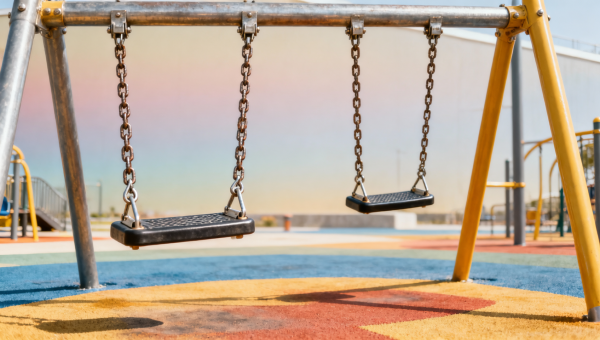
- Frame construction: galvanized steel, powder-coated steel, aluminum alloy, or engineered timber.
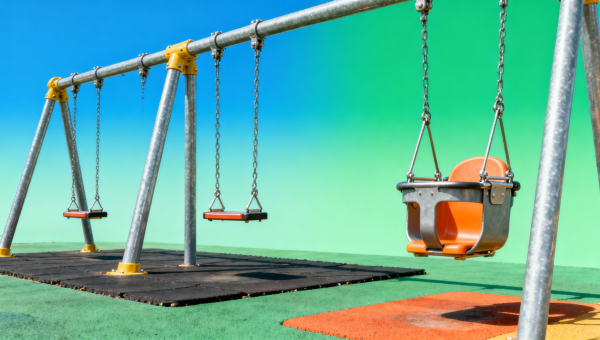
- Seat type: belt seat, flat seat, bucket seat, inclusive support seat, or face-to-face group swing.
- Site conditions: coastal humidity, strong UV exposure, high rainfall, or freeze-thaw cycles.
- Service expectations: spare parts support, lead time, installation drawings, and replacement cycle visibility.
Which swing types fit parks, schools, and inclusive play areas?
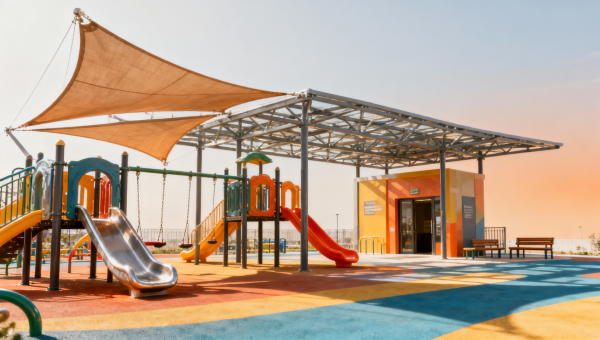
Different environments need different swing configurations. A kindergarten may prioritize enclosed seats and lower transfer height. A public park may prefer multi-bay steel frames that handle heavier throughput. An inclusive playground may need accessible transfer solutions and supportive seating that allows a wider range of users to participate safely. Selecting the wrong type often leads to underuse, complaints, or early retrofit costs.
For many buyers, the best approach is to divide projects into 3 planning groups: early childhood, school-age general use, and inclusive or mixed-ability access. This planning method is practical because it aligns equipment decisions with supervision level, expected traffic, and surfacing design. It also simplifies distributor communication and quotation comparison.
The table below summarizes common playground swing types used in parks and schools, with attention to user profile, operational suitability, and sourcing considerations.
This comparison shows why playground swings should be selected by application, not by appearance alone. For example, basket swings may increase social play value, but they also require more space and can affect total layout density. Inclusive support seats can strengthen public accessibility goals, yet they must be integrated thoughtfully into the overall playground circulation plan.
Typical scenario planning
In school projects, 2-bay and 4-bay swing systems are common because they balance throughput and supervision. In municipal parks, mixed swing zones often combine standard seats with 1 inclusive or toddler-focused option to widen demographic use. In larger amusement and leisure park environments, swings may be part of themed equipment packages and must align with a broader design language.
Distributors and agents should pay close attention to this segmentation because it affects inventory planning. A general-purpose belt seat swing may move faster in many markets, while inclusive configurations usually require project-based selling, technical consultation, and more detailed tender support.
Where public authorities or education groups are involved, it is often useful to prepare 2–3 alternative configurations within the same project budget. That gives buyers room to compare accessibility value, user capacity, and maintenance implications without restarting the approval process.
Technical performance, durability, and safety details that affect long-term value
In the commercial playground sector, initial cost is only one part of the equation. Buyers should look at 5 technical dimensions: frame material, surface treatment, connection hardware, moving suspension parts, and seat construction. These features determine how well playground swings perform after 12 months, 24 months, and longer in real public-use conditions.
Galvanized and powder-coated steel remains a common choice for parks and schools because it offers strong structural performance and reasonable cost control. In coastal or high-humidity environments, however, buyers may need enhanced corrosion protection, especially on chain links, shackle points, and welded joints. Timber can deliver a natural visual effect, but maintenance schedules and climate suitability must be checked carefully.
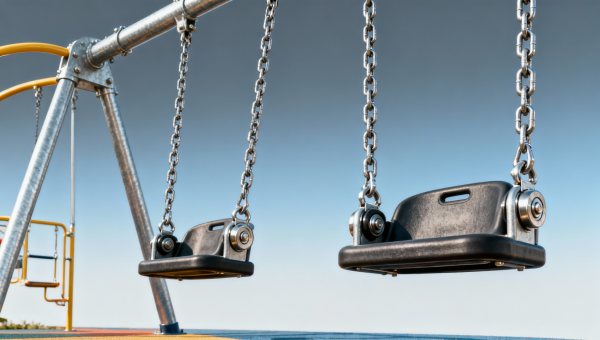
Suspension assemblies deserve close review. Bushings, bearings, and hanger systems directly affect noise, smoothness, and wear rate. If these parts are difficult to replace, the swing may become expensive to maintain even when the main frame remains structurally sound. That is why serious procurement teams ask for spare-parts availability for at least the normal service cycle of public equipment components.
Safety also depends on the surrounding installation context. Clearance zones, impact-attenuating surfacing, and access pathways are not optional add-ons. A strong swing frame installed over unsuitable ground can still create a poor outcome. For this reason, product review should always include both equipment specification and site integration planning.
Key technical checks during specification review
- Confirm frame finish system and expected performance in outdoor exposure over multiple seasons.
- Review moving parts and replacement method for hangers, chains, and connectors.
- Ask whether installation drawings identify required safety zones and foundation details.
- Check whether seat materials remain stable under UV exposure and repeated impact use.
- Verify whether the supplier provides maintenance guidance by monthly, quarterly, and annual intervals.
Why lifecycle cost matters more than headline price
A lower quotation can become expensive if maintenance is frequent or if replacement parts are slow to source. In many public projects, downtime matters almost as much as repair cost because unavailable equipment reduces user satisfaction and may trigger complaints from parents, schools, or local authorities. For distributors, this also affects after-sales reputation.
A practical way to compare offers is to review the first 3 years of expected ownership. Even without exact market-wide pricing, buyers can compare finish quality, inspection frequency, replacement complexity, and service documentation. That provides a more realistic basis for commercial evaluation than comparing unit price alone.
How to compare suppliers, compliance support, and procurement risk
A playground swing supplier should be evaluated not only on product design, but also on documentation quality, communication speed, and project support depth. For schools, parks, and public-space contractors, one of the most common risks is receiving incomplete technical files late in the procurement cycle. That delays approvals, installation, and final acceptance.
Buyers in different regions may reference different standards or local tender requirements, so the safest sourcing method is to request clear compliance information at the beginning. Common references in public playground procurement may include recognized playground safety frameworks, material declarations, installation manuals, and maintenance instructions. Requirements vary by market, but the need for traceable documentation is consistent.
GCT supports this stage by helping procurement teams, distributors, and commercial evaluators compare suppliers beyond superficial claims. In practice, that means reviewing product positioning, OEM or ODM capability, documentation readiness, and supply chain reliability. For projects with 6–12 week implementation windows, this early filtering can prevent expensive delays.
The following table can be used as a practical procurement scorecard when reviewing playground swings for parks or schools.
This scorecard helps shift discussion from sales language to measurable procurement criteria. It is especially useful for agents and distributors comparing several manufacturers with similar-looking product portfolios. The stronger supplier is often the one with clearer files, steadier production planning, and faster response to specification changes.
A simple 4-step sourcing workflow
- Define user group, site exposure, budget range, and expected project timeline.
- Shortlist 2–4 suppliers based on technical suitability and documentation readiness.
- Compare structure, seat options, compliance support, and spare-parts plan.
- Confirm final quotation, delivery schedule, installation requirements, and after-sales process.
Common mistakes, budget trade-offs, and practical FAQ
One of the most frequent mistakes in playground swing procurement is treating all public-use swings as interchangeable. In reality, there is a big difference between a light-duty installation for low-traffic use and a robust configuration intended for continuous use in schools or municipal parks. If this distinction is missed, maintenance costs can rise within the first operating season.
Another mistake is failing to budget for the full installation ecosystem. Buyers may compare frame prices closely but overlook surfacing upgrades, foundations, freight conditions, and replacement part planning. A more disciplined procurement model separates equipment cost, site preparation cost, and service support cost across at least 3 budget lines.
There is also a strategic trade-off between standardized and customized solutions. Standard models usually support shorter delivery cycles, often in the range of several weeks depending on production schedule. Customized colors, special seat combinations, or branded themes can improve project differentiation, but they may extend approval and manufacturing timelines.
For procurement officers and commercial evaluators, the goal is not simply to buy the cheapest playground swings. The goal is to source a configuration that fits the site, serves users safely, and remains commercially manageable over time.
FAQ: what buyers ask most often
How do I choose playground swings for a school rather than a public park?
Start with supervision, user age, and daily traffic. Schools usually need predictable use patterns, durable frames, and easy maintenance. Public parks often need greater resistance to varied user behavior and year-round exposure. In many cases, schools benefit from simpler, robust configurations, while parks may require broader user inclusivity and stronger anti-wear detailing.
What are the main compliance topics to review?
Review safety-related product documentation, installation guidance, maintenance instructions, and any market-specific public playground requirements that apply in your region. Buyers should also check whether surfacing and clearance recommendations are clearly stated. Compliance review is not only about the product itself; it also involves correct installation and ongoing inspection routines.
Is an inclusive swing always necessary?
Not every project requires the same inclusive swing format, but accessibility should be considered early. In many public and educational environments, at least one inclusive play option strengthens the usefulness and social value of the site. The right choice depends on user demographics, caregiver access, available space, and project goals.
What delivery questions should distributors and agents ask?
Ask about production lead time, packaging method, shipment planning, spare-parts support, and whether technical files are available before dispatch. If you are bidding on scheduled public projects, confirm the supplier’s peak-season capacity and whether custom options add extra weeks to completion.
Why work with GCT for playground swing sourcing and project evaluation?
For B2B buyers in the sports and entertainment sector, playground swing sourcing is rarely a single-product decision. It often connects to wider playground structures, leisure park equipment packages, site planning, and long-term vendor relationships. GCT helps buyers navigate this complexity with a sourcing approach built around commercial clarity rather than generic catalog browsing.
Because GCT focuses on commercial experience-driven industries, procurement teams can use it as a practical decision support channel. That includes comparing product categories, identifying suitable supplier capabilities, evaluating OEM or ODM fit, and understanding how different swing solutions align with schools, parks, and public recreation projects. This is especially valuable when procurement windows are tight and specification errors are costly.
If you are a distributor, agent, institutional buyer, or project evaluator, GCT can support conversations around 6 key topics: parameter confirmation, product selection, delivery lead time, custom configuration, certification and documentation expectations, and quotation planning. That makes the buying process faster and more defensible internally.
To move your project forward, contact GCT with your target application, user age group, planned quantity, and site conditions. You can also request support for comparing standard versus inclusive playground swings, reviewing supplier documentation readiness, estimating typical lead times, and discussing sample or quotation requirements for upcoming park or school tenders.
Search News
Hot Articles
Popular Tags
Need ExpertConsultation?
Connect with our specialized leisureengineering team for procurementstrategies.
Recommended News
 Apr 20, 2026China's Smart Timing System Gains ITU Certification at Shanghai Bike EventChina's smart timing system wins ITU-T L.1800 certification — the first Chinese sports timing platform approved for UCI-accredited cycling events. Discover how it reshapes reliability, security & global competitiveness in sports tech.● Theme Park Strategist
 Apr 17, 2026Popular Badminton AI Protocol Launched in ChengduPopular Badminton AI protocol launched in Chengdu — a game-changer for smart sports hardware, VR simulators & outdoor ride manufacturers targeting Asian youth academies.● Theme Park Strategist
 Apr 17, 2026EN 1176-7:2026 Enforced: AI Behavior Recognition Required for EU Outdoor Interactive Play EquipmentEN 1176-7:2026 is now enforced — AI behavior recognition is mandatory for EU outdoor interactive play equipment. Ensure CE compliance now.● Theme Park Strategist
 Apr 16, 2026EN 1176-7:2026 Enforces AI Safety Rules for EU Outdoor Interactive Play EquipmentEN 1176-7:2026 enforces AI safety rules for EU outdoor interactive play equipment — mandatory false-trigger ≤0.3% & local-only data processing. Act now to comply.● Theme Park Strategist
 Apr 13, 20262026 CKC China Karting Championship in Macau Sparks Export Interest for Domestic Racing GearThe 2026 CKC China Karting Championship in Macau showcased FIA-compliant racing gear, sparking export interest for domestic timing systems, carbon fiber kits & sustainable tires. Discover how this event opens global opportunities.● Theme Park Strategist
 Apr 13, 2026Japan Revises Sports Equipment Safety Standards: Mandatory Multilingual E-Manuals for Imported Fitness Gear from April 2026Japan's new Sports Equipment Safety Standards mandate multilingual e-manuals for imported fitness gear from 2026. Learn how this impacts global exporters and key compliance strategies for smooth market entry.● Theme Park Strategist
 Apr 10, 2026Middle East Tensions Raise Shipping Risks in Hormuz Strait, Air Freight Costs for Sports Equipment Surge 12%Middle East tensions escalate shipping risks in Hormuz Strait, causing a 12% surge in air freight costs for sports equipment. Learn how this impacts supply chains and strategies to mitigate delays.● Theme Park Strategist
 Apr 23, 2026Playground Swings for Parks or SchoolsPlayground swings for parks or schools: compare durable playground structures, inclusive playground options, and leisure park solutions with expert sourcing tips for safer, smarter buying.● Theme Park Strategist
 Apr 22, 2026How to Compare Theme Park RidesCompare theme park rides for safety, capacity, and ROI in a leisure park, while aligning playground structures, inclusive playground zones, and playground swings with smarter sourcing.● Theme Park Strategist
 Apr 22, 2026Is a Leisure Park Worth the InvestmentLeisure park investment guide: compare theme park rides, playground structures, inclusive playground design, swings, soundproofing materials, and custom furniture for stronger returns.● Theme Park Strategist
 Apr 22, 2026Adventure Playground Ideas That Work in Small Outdoor SpacesAdventure playground ideas for small outdoor spaces: compare layouts, indoor playground and trampoline park concepts, plus arcade games and musical instruments features to boost family appeal.● Theme Park Strategist
 Apr 22, 2026Adventure Playground Features That Improve Safety Without Feeling BoringAdventure playground and indoor playground safety features that keep fun high—compare trampoline park layouts, arcade games, and smart design tips for safer, more engaging venues.● Theme Park Strategist
 Apr 18, 20262026 Shanghai Sailing Open Adopts Domestic Smart Timing System2026 Shanghai Sailing Open adopts China's first ITU-R M.2412–certified smart timing system — a game-changer for marine sports exporters, integrators & event organizers worldwide.● Theme Park Strategist
 Apr 18, 2026EN 1176-7:2026 Enforced: AI Behavior Recognition Mandatory for EU Outdoor Play EquipmentEN 1176-7:2026 is now mandatory — AI behavior recognition required for EU outdoor play equipment. Ensure CE compliance, low-latency certification & market access before shipment.● Theme Park Strategist
 Apr 20, 2026Park benches with bolt corrosion you can’t see until it’s too latePark benches with hidden bolt corrosion risk luxury furniture, hotel furniture & commercial furniture safety—spot invisible degradation before failure.● Theme Park Strategist
 Apr 19, 2026Park benches built for coastal climates—what actually worksDiscover coastal-proof park benches, luxury furniture & custom hotel furniture built to last 25+ years in salt, sun & humidity—engineered for resorts, hotels & commercial spaces.● Theme Park Strategist
 Apr 19, 2026Why park benches fail after two seasons of outdoor usePark benches failing in 2 seasons? Discover why luxury furniture, hotel furniture, and commercial furniture specs matter—and how to choose resilient park benches, hotel chairs, and hotel tables.● Theme Park Strategist
 Apr 19, 2026Outdoor playground shade planning affects more than comfortOutdoor playground shade planning improves safety, durability, and visitor flow for outdoor playground, indoor playground, and trampoline park projects—explore smarter sourcing for swings and more.● Theme Park Strategist
 Apr 19, 2026Why playground swings fail early at busy public sitesPlayground swings at busy public sites fail early due to heavy traffic, weak materials, and poor maintenance. Compare outdoor playground, indoor playground, and trampoline park solutions for safer, longer-lasting performance.● Theme Park Strategist
 Apr 19, 2026Playground swings with fewer maintenance calls over timePlayground swings built for fewer maintenance calls: compare durable options for outdoor playground, indoor playground, and trampoline park projects with smarter lifecycle value.● Theme Park Strategist
 Apr 19, 2026How weather exposure changes outdoor playground safety plansOutdoor playground safety starts with weather planning. Learn how trampoline park, indoor playground, and playground swings buyers reduce risk, protect value, and choose climate-smart equipment.● Theme Park Strategist
 Apr 19, 2026Outdoor playground surfaces that hide higher lifetime costsOutdoor playground surface choices can raise hidden lifetime costs for trampoline park and indoor playground projects. Compare safer, longer-lasting options around playground swings.● Theme Park Strategist
 Apr 18, 2026Playground structures with integrated solar lighting: Is battery life consistent across seasons?Playground structures with integrated solar lighting: Discover seasonal battery performance data for leisure parks, theme park rides & inclusive playgrounds—backed by real-world climate testing and OEM validation.● Theme Park Strategist
 Apr 18, 2026Theme park rides using recycled steel: How does material origin affect fatigue testing?Theme park rides, playground swings & inclusive playground structures using recycled steel demand origin-aware fatigue testing—discover how material provenance impacts safety, durability & compliance.● Theme Park Strategist