Outdoor playground shade planning affects more than comfort
Outdoor playground shade planning shapes safety, durability, and visitor satisfaction far beyond basic comfort. For buyers evaluating outdoor playground, indoor playground, and trampoline park projects, smart shade design influences equipment lifespan, traffic flow, and brand perception. From playground swings to broader amusement environments, informed sourcing decisions help commercial operators reduce risk, improve user experience, and build more competitive recreational spaces.
For procurement teams, commercial developers, distributors, and project evaluators, shade should be treated as a core planning variable rather than a decorative add-on. In amusement and leisure environments, direct sun exposure affects surface temperature, queue behavior, operating hours, maintenance cycles, and even insurance discussions. A poorly shaded site may still look attractive at handover, yet underperform within 6–12 months due to material fading, user complaints, or uneven zone utilization.
This article examines how outdoor playground shade planning supports safer operations, better equipment preservation, and stronger commercial returns. It also outlines what buyers should review when sourcing shade structures for outdoor playgrounds, complementary indoor playground entrances, hybrid recreation zones, and trampoline park perimeter spaces.
Why Shade Planning Is a Strategic Infrastructure Decision
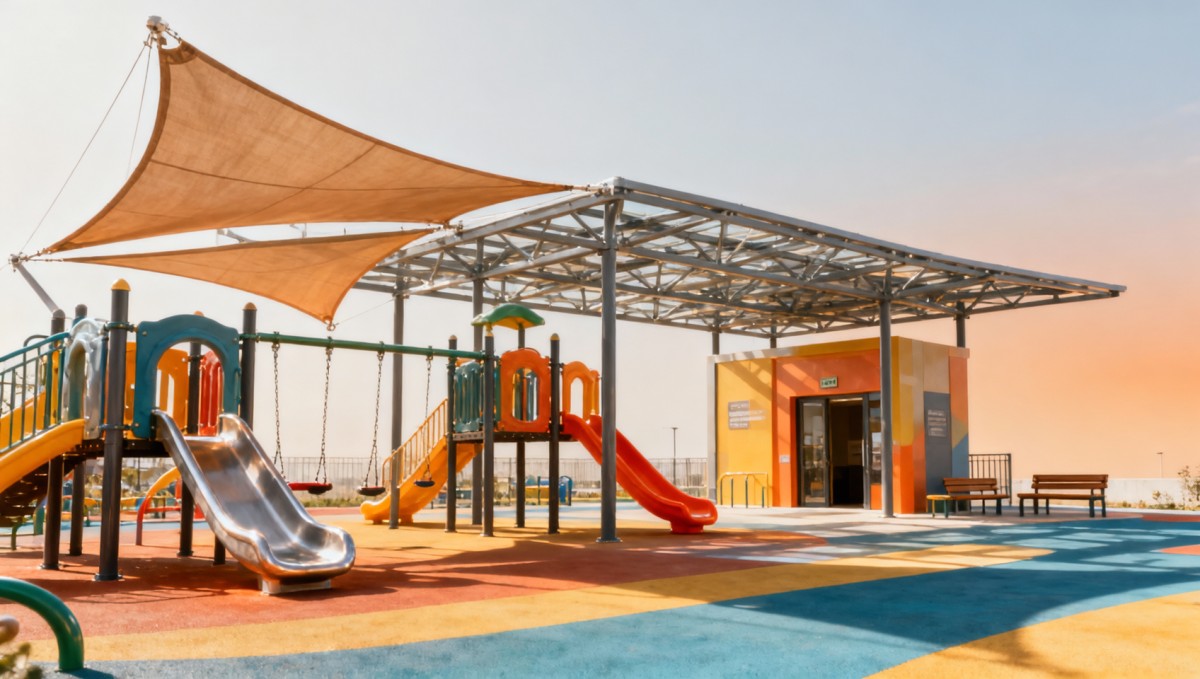
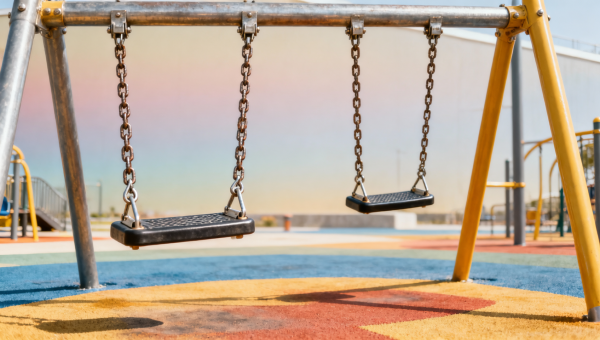
In commercial recreation projects, shade planning directly affects how long visitors stay, which zones they choose, and how frequently operators must service exposed equipment. Sun-facing decks, play towers, slides, playground swings, and rubber flooring can experience substantial heat buildup during peak daytime hours, especially between 11:00 and 15:00. When exposed surfaces become difficult to touch, parents shorten visits, and operators face preventable complaints.
From a B2B sourcing perspective, shade is closely tied to asset preservation. UV exposure can accelerate color fading, coating wear, stitching fatigue, and plastic brittleness over a 2–5 year operating period. In facilities that depend on visual appeal to support ticketing, membership, or venue rental, this deterioration becomes a commercial issue, not only a maintenance issue.
Shade also influences circulation and revenue behavior. When waiting zones, benches, stroller parking areas, and food kiosks lack cover, visitors cluster in limited cool spots. That creates bottlenecks, underused zones, and inconsistent spending patterns. In larger amusement environments, these comfort imbalances can reduce dwell time in high-margin areas such as snack counters, branded retail points, or birthday event sections.
For decision-makers comparing multiple suppliers, the key question is not simply whether a site has shade, but whether the shade strategy matches traffic density, climate conditions, age group behavior, and maintenance capacity. A playground serving toddlers from 9:00 to 17:00 needs a different cover strategy than a mixed-age activity plaza operating into the evening.
Operational areas most affected by poor shading
- High-contact equipment such as handrails, slides, climbing grips, and swing seats, where heat buildup creates immediate user discomfort.
- Resting and supervision zones, where adults decide whether to remain on-site for 20 minutes or 2 hours.
- Entry and queue areas, where first impressions form quickly and affect perceived venue quality.
- Transition spaces between outdoor playground, indoor playground, and trampoline park zones, where crowd flow can become uneven.
Commercial impact beyond thermal comfort
Well-planned shade can support 4 practical objectives at once: reduce heat stress, improve visual aging resistance, encourage balanced zone usage, and protect brand presentation. For distributors and sourcing agents, this makes shade a high-value specification point during project bidding, especially when clients seek durable, family-friendly, and premium-looking amusement spaces.
Key Shade Design Variables Buyers Should Evaluate Early
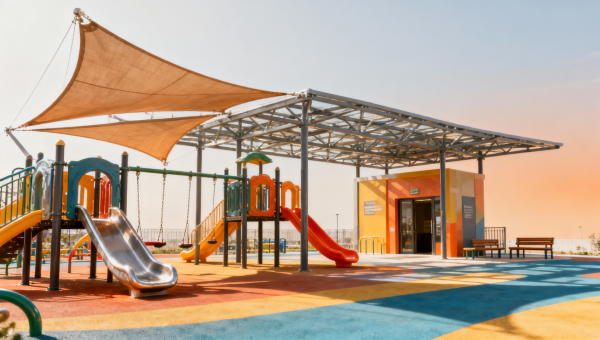
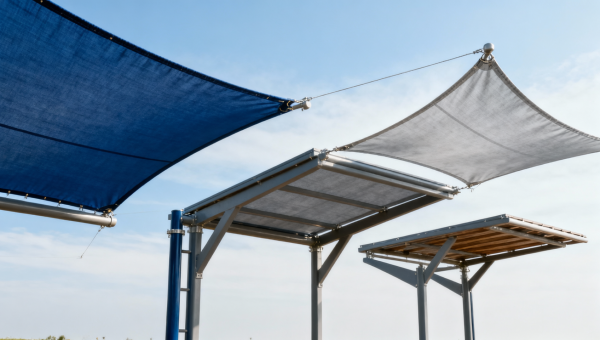
The most common procurement mistake is selecting a shade product before defining site conditions. Buyers should first review 5 planning variables: local UV intensity, wind exposure, peak operating hours, equipment layout, and target age group. These variables determine whether a project needs cantilever structures, sail shade systems, integrated roof canopies, tree-assisted cover planning, or a hybrid solution.
Coverage percentage is a practical starting point. In many commercial playground projects, covering 30%–40% of the total footprint may be enough if the focus is on seating and queue zones. However, family-oriented sites in hot regions often aim for 50%–70% effective shade across high-contact equipment and resting areas. The correct target depends on local weather, operating schedule, and the value of visitor dwell time.
Clearance height matters as much as footprint coverage. Low shade structures may obstruct sightlines, create climbing risk, or complicate maintenance access. In many installations, 2.7–4.5 meters is a workable clearance range depending on whether the shade is above benches, swings, or tower structures. Buyers should also confirm whether seasonal sun angle changes reduce actual afternoon coverage during the hottest months.
Material specification is another critical area. Shade fabrics are often assessed by UV blocking performance, tension stability, color fastness, and drainage behavior. Metal frames must be reviewed for coating performance, corrosion suitability, and anchoring compatibility with concrete, pavers, or compacted ground. This is especially important for coastal projects, resort parks, and school-adjacent recreation spaces.
Practical comparison of common shade solutions
The table below compares several common options used in outdoor playground and mixed recreation environments. It can help procurement teams align product type with operating needs, maintenance planning, and visual positioning.
For most commercial buyers, the strongest result comes from combining 2 or more approaches rather than relying on a single structure type. For example, integrated roofs may protect core play equipment, while tensile shade covers seating and circulation zones. This layered planning supports both usability and long-term asset protection.
Early-stage selection checklist
- Map sun exposure by hour, not just by site orientation.
- Prioritize high-contact equipment and parent waiting areas.
- Review wind load and drainage implications before approving fabric systems.
- Check installation compatibility with surfacing, foundations, and maintenance access.
- Confirm warranty scope for fabric, frame, coatings, and hardware separately.
How Shade Planning Affects Safety, Maintenance, and Equipment Lifecycle
Safety outcomes are one of the strongest reasons to evaluate shade at the design stage. When slides, transfer platforms, and metal connectors remain under direct sun for several hours, touch temperatures can rise quickly. Even where formal limits vary by jurisdiction, operators know that overheated surfaces generate complaints, staff interventions, and occasional temporary shutdown of specific play elements.
Maintenance teams also benefit from better shade planning. UV exposure and thermal cycling place repeated stress on coatings, plastics, rope elements, and sealants. Over a 12–24 month cycle, this can mean more frequent inspections, earlier replacement of appearance-sensitive parts, and higher labor inputs for cleaning faded surfaces that no longer present well. For venues with multiple sites, this compounds into a significant operating cost.
In mixed amusement projects, shade can also protect adjacent assets such as ticket kiosks, lockers, perimeter fencing graphics, stroller parking areas, and outdoor café furniture. Buyers should therefore assess shade planning not only around play equipment, but across the broader visitor journey from entry to exit. This matters particularly for trampoline park operators with outdoor queues or overflow activity courts.
Another issue is surface aging consistency. If one half of the site is heavily exposed while the other remains shaded, the venue can look uneven within a single season. That affects photography, social sharing, and brand presentation. Leisure venues increasingly compete on visual quality, and uneven material aging can undermine premium positioning even when the core equipment is structurally sound.
Typical risk areas and control points
The following table helps buyers connect shade strategy with practical safety and maintenance controls during commercial evaluation.
For commercial operators, the main conclusion is straightforward: shade reduces more than heat. It can lower maintenance pressure, protect visual consistency, and improve day-to-day usability. Buyers who cost only the initial structure price often miss the savings created by lower replacement frequency and better zone performance over 3–5 years.
Maintenance planning recommendations
- Inspect fabric tension, attachment hardware, and drainage paths every 3–6 months.
- Coordinate shade inspection with equipment safety checks to reduce labor duplication.
- Review fading and hotspot complaints after the first summer season and adjust coverage if needed.
Procurement Criteria for Outdoor Playground, Indoor Playground, and Trampoline Park Projects
Different recreation formats require different shade priorities. An outdoor playground usually needs broad environmental protection across play, seating, and supervision zones. An indoor playground may only need shade planning at the entrance plaza, queue space, café terrace, or shoe-change waiting area. A trampoline park with external queuing or party overflow areas may prioritize durable covered circulation rather than equipment shading.
For procurement teams and commercial evaluators, supplier selection should include both product specifications and project execution capability. A supplier may offer an attractive fabric canopy, but if foundation coordination, drainage detailing, replacement lead times, or installation sequencing are unclear, the total project risk remains high. In B2B sourcing, commercial reliability matters as much as visual design.
Lead time is another practical factor. Depending on customization level, structure type, and export route, a typical shade package may require 2–4 weeks for design confirmation, 3–8 weeks for production, and additional time for shipping and site preparation. Buyers managing seasonal openings should lock the shade scope early, especially when integrating foundations with surfacing or playground steelwork.
Distributors and agents should also review how well a shade offering complements broader amusement procurement. Packages that coordinate visually with playground swings, climbing frames, rubber flooring, benches, or fencing are often easier to sell than isolated standalone products. A consistent design language improves bid presentation and supports higher perceived project value.
Buyer evaluation matrix
The table below provides a practical framework for comparing potential shade suppliers or integrated recreation partners.
A strong sourcing decision usually balances 4 dimensions: performance, appearance, service support, and total project coordination. Buyers should avoid selecting solely on the lowest unit price, because installation changes, premature fabric replacement, or uneven coverage often erase the initial savings.
Questions procurement teams should ask suppliers
- What site information is required before finalizing a shade recommendation?
- Which components have separate replacement cycles or different warranty terms?
- How is drainage handled in heavy rain or seasonal storms?
- Can the supplier coordinate shade aesthetics with playground and leisure equipment colors?
- What is the expected timeline from drawing approval to delivery readiness?
Implementation Steps, Common Mistakes, and Buyer FAQs
Even a well-specified shade product can underperform if implementation is rushed. In commercial recreation projects, the best results usually come from a 5-step process: site review, sun-path analysis, equipment zoning, structure selection, and post-installation performance check. This sequence helps reduce conflicts between shade supports, safety clearances, fall zones, drainage lines, and guest movement paths.
One frequent mistake is covering only the visible play feature while ignoring the waiting and recovery spaces around it. Another is specifying shade based on noon sun alone, when real crowd discomfort often peaks in the late morning or mid-afternoon. Buyers should also avoid overloading a site with visually impressive structures that reduce supervision visibility or complicate future equipment replacement.
Commercial operators planning phased expansion should think ahead. If a park may add water play, event seating, or branded food kiosks within 12–18 months, the initial shade plan should leave room for future integration. A modular approach can reduce rework and help distributors present a more scalable solution to their clients.
Below are several practical FAQ points that reflect real buyer concerns in the sports and entertainment sector.
How much playground area should be shaded?
There is no single universal percentage, but many commercial projects begin by shading 30%–50% of critical use areas, then increasing coverage for hotter climates or premium family venues. High-priority zones include slides, swing bays, parent seating, and queue lines. The right target should be based on local exposure, operating hours, and the expected length of stay.
Is shade important if part of the project is an indoor playground?
Yes. Indoor playground projects often still require external comfort planning at arrivals, waiting areas, café terraces, check-in points, and overflow event spaces. Good outdoor shade supports the indoor experience by improving arrival comfort, reducing crowding at doors, and extending usable family space during peak periods.
What is a realistic delivery timeline for a commercial shade package?
For standard-to-semi-custom projects, a common planning range is 5–12 weeks from confirmed drawings to shipment readiness, excluding site works and freight. Highly customized structures, multi-zone packages, or projects requiring coordination with playground foundations may take longer. Buyers should build buffer time for approvals, weather, and installation sequencing.
What are the most overlooked procurement risks?
The most common overlooked issues are inadequate drainage planning, incomplete replacement-part visibility, unclear anchoring requirements, and poor coordination between shade supports and safety zones. Buyers should also confirm ongoing service response, especially for sites with high seasonal utilization where downtime during summer has a disproportionate commercial impact.
Practical implementation priorities
- Review sun, wind, drainage, and circulation together rather than separately.
- Protect the highest-contact play elements first, then extend to seating and queue zones.
- Choose suppliers that can support drawings, coordination, and after-sales replacement planning.
- Plan for lifecycle cost over 3–5 years, not just initial procurement price.
Outdoor playground shade planning is not only about making a site feel cooler. It shapes safety perception, equipment aging, visitor flow, and the long-term commercial performance of recreation spaces. For buyers comparing outdoor playground, indoor playground, and trampoline park solutions, early shade planning can improve usability, reduce avoidable maintenance pressure, and strengthen the overall value of the project.
Global Commercial Trade supports informed sourcing by helping commercial buyers, evaluators, and channel partners assess solution fit, project coordination, and procurement risk across amusement and leisure environments. If you are planning a new site or upgrading an existing recreation venue, contact us to discuss tailored shade strategies, equipment compatibility, and broader sourcing options for competitive commercial spaces.
Search News
Hot Articles
Popular Tags
Need ExpertConsultation?
Connect with our specialized leisureengineering team for procurementstrategies.
Recommended News
 Apr 17, 2026Popular Badminton AI Protocol Launched in ChengduPopular Badminton AI protocol launched in Chengdu — a game-changer for smart sports hardware, VR simulators & outdoor ride manufacturers targeting Asian youth academies.● Theme Park Strategist
 Apr 17, 2026EN 1176-7:2026 Enforced: AI Behavior Recognition Required for EU Outdoor Interactive Play EquipmentEN 1176-7:2026 is now enforced — AI behavior recognition is mandatory for EU outdoor interactive play equipment. Ensure CE compliance now.● Theme Park Strategist
 Apr 16, 2026EN 1176-7:2026 Enforces AI Safety Rules for EU Outdoor Interactive Play EquipmentEN 1176-7:2026 enforces AI safety rules for EU outdoor interactive play equipment — mandatory false-trigger ≤0.3% & local-only data processing. Act now to comply.● Theme Park Strategist
 Apr 13, 20262026 CKC China Karting Championship in Macau Sparks Export Interest for Domestic Racing GearThe 2026 CKC China Karting Championship in Macau showcased FIA-compliant racing gear, sparking export interest for domestic timing systems, carbon fiber kits & sustainable tires. Discover how this event opens global opportunities.● Theme Park Strategist
 Apr 13, 2026Japan Revises Sports Equipment Safety Standards: Mandatory Multilingual E-Manuals for Imported Fitness Gear from April 2026Japan's new Sports Equipment Safety Standards mandate multilingual e-manuals for imported fitness gear from 2026. Learn how this impacts global exporters and key compliance strategies for smooth market entry.● Theme Park Strategist
 Apr 10, 2026Middle East Tensions Raise Shipping Risks in Hormuz Strait, Air Freight Costs for Sports Equipment Surge 12%Middle East tensions escalate shipping risks in Hormuz Strait, causing a 12% surge in air freight costs for sports equipment. Learn how this impacts supply chains and strategies to mitigate delays.● Theme Park Strategist
 Apr 18, 20262026 Shanghai Sailing Open Adopts Domestic Smart Timing System2026 Shanghai Sailing Open adopts China's first ITU-R M.2412–certified smart timing system — a game-changer for marine sports exporters, integrators & event organizers worldwide.● Theme Park Strategist
 Apr 18, 2026EN 1176-7:2026 Enforced: AI Behavior Recognition Mandatory for EU Outdoor Play EquipmentEN 1176-7:2026 is now mandatory — AI behavior recognition required for EU outdoor play equipment. Ensure CE compliance, low-latency certification & market access before shipment.● Theme Park Strategist
 Apr 19, 2026Park benches built for coastal climates—what actually worksDiscover coastal-proof park benches, luxury furniture & custom hotel furniture built to last 25+ years in salt, sun & humidity—engineered for resorts, hotels & commercial spaces.● Theme Park Strategist
 Apr 19, 2026Why park benches fail after two seasons of outdoor usePark benches failing in 2 seasons? Discover why luxury furniture, hotel furniture, and commercial furniture specs matter—and how to choose resilient park benches, hotel chairs, and hotel tables.● Theme Park Strategist
 Apr 19, 2026Outdoor playground shade planning affects more than comfortOutdoor playground shade planning improves safety, durability, and visitor flow for outdoor playground, indoor playground, and trampoline park projects—explore smarter sourcing for swings and more.● Theme Park Strategist
 Apr 19, 2026Why playground swings fail early at busy public sitesPlayground swings at busy public sites fail early due to heavy traffic, weak materials, and poor maintenance. Compare outdoor playground, indoor playground, and trampoline park solutions for safer, longer-lasting performance.● Theme Park Strategist
 Apr 19, 2026Playground swings with fewer maintenance calls over timePlayground swings built for fewer maintenance calls: compare durable options for outdoor playground, indoor playground, and trampoline park projects with smarter lifecycle value.● Theme Park Strategist
 Apr 19, 2026How weather exposure changes outdoor playground safety plansOutdoor playground safety starts with weather planning. Learn how trampoline park, indoor playground, and playground swings buyers reduce risk, protect value, and choose climate-smart equipment.● Theme Park Strategist
 Apr 19, 2026Outdoor playground surfaces that hide higher lifetime costsOutdoor playground surface choices can raise hidden lifetime costs for trampoline park and indoor playground projects. Compare safer, longer-lasting options around playground swings.● Theme Park Strategist
 Apr 18, 2026Playground structures with integrated solar lighting: Is battery life consistent across seasons?Playground structures with integrated solar lighting: Discover seasonal battery performance data for leisure parks, theme park rides & inclusive playgrounds—backed by real-world climate testing and OEM validation.● Theme Park Strategist
 Apr 18, 2026Theme park rides using recycled steel: How does material origin affect fatigue testing?Theme park rides, playground swings & inclusive playground structures using recycled steel demand origin-aware fatigue testing—discover how material provenance impacts safety, durability & compliance.● Theme Park Strategist
 Apr 18, 2026Leisure park shade structures that fade unevenly—UV resistance vs. pigment qualityLeisure park shade structures fading unevenly? Discover why pigment quality—not just UV resistance—dictates longevity, brand integrity & ROI for playground structures, theme park rides & inclusive playgrounds.● Theme Park Strategist
 Apr 18, 2026Playground swings rated for 300kg: Does weight capacity include dynamic load?Playground swings rated for 300kg—do they handle real dynamic loads? Discover certified, inclusive playground structures for leisure parks, theme park rides & more.● Theme Park Strategist
 Apr 18, 2026Playground structures built for coastal climates—do salt-spray tests matter?Playground structures, inclusive playgrounds & theme park rides built for coastal climates—discover why ASTM B117 salt-spray testing matters for safety, compliance & TCO.● Theme Park Strategist
 Apr 18, 2026Theme park rides and service intervals: Why ‘5-year maintenance’ rarely holds upTheme park rides, playground swings & inclusive playground systems demand real-world maintenance—not '5-year' myths. Discover evidence-based service intervals, compliance benchmarks, and smarter sourcing strategies.● Theme Park Strategist
 Apr 18, 2026Leisure park flooring that wears faster than expected—here’s whyLeisure park flooring failing early? Discover why—linked to playground structures, inclusive playground specs, theme park rides & material science. Get data-backed solutions.● Theme Park Strategist
 Apr 18, 2026Playground swings with rust-resistant hardware—what’s actually tested?Playground swings with verified rust-resistant hardware—tested to ASTM F1487 & 2,000h salt spray. Also sourcing hotel beds, custom furniture, catering equipment, soundproofing materials, and instrument cables.● Theme Park Strategist
 Apr 18, 2026Custom furniture for leisure parks: When 'bespoke' means longer lead timesCustom furniture for leisure parks—covering playground swings, inclusive playgrounds, theme park rides & soundproofing materials. Discover how to balance bespoke quality with realistic lead times.● Theme Park Strategist