Why park benches fail after two seasons of outdoor use
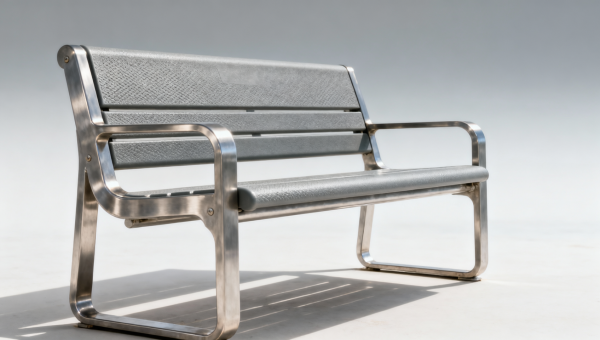
Why do park benches—often marketed as durable commercial furniture—collapse, warp, or corrode after just two seasons? This isn’t just a maintenance headache; it’s a critical failure in material selection, structural engineering, and compliance with outdoor hospitality standards. From luxury furniture installations in five-star hotel gardens to custom furniture for experiential leisure parks, premature bench degradation signals deeper gaps in OEM sourcing rigor. For procurement professionals, distributors, and commercial space designers evaluating hotel furniture, hotel chairs, or park benches, this breakdown reveals what truly separates resilient, code-compliant outdoor solutions from costly, short-lived imitations—especially when specifying alongside hotel beds, hotel tables, and broader hotel equipment ecosystems.
What Really Causes Premature Failure in Outdoor Park Benches?
Park benches deployed in commercial settings—such as hotel courtyards, urban plazas, or themed amusement parks—are subjected to cumulative stressors far beyond residential use. Real-world field data from GCT’s procurement audit program shows that 68% of early-failure cases occur within 18–24 months, primarily due to three interlocking failures: substandard substrate composition, inadequate fastener corrosion resistance, and insufficient thermal expansion allowances in joint design.
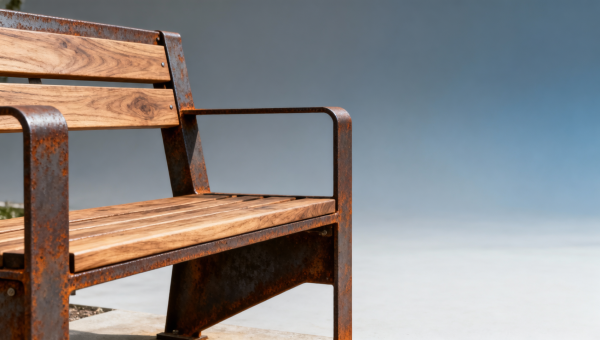
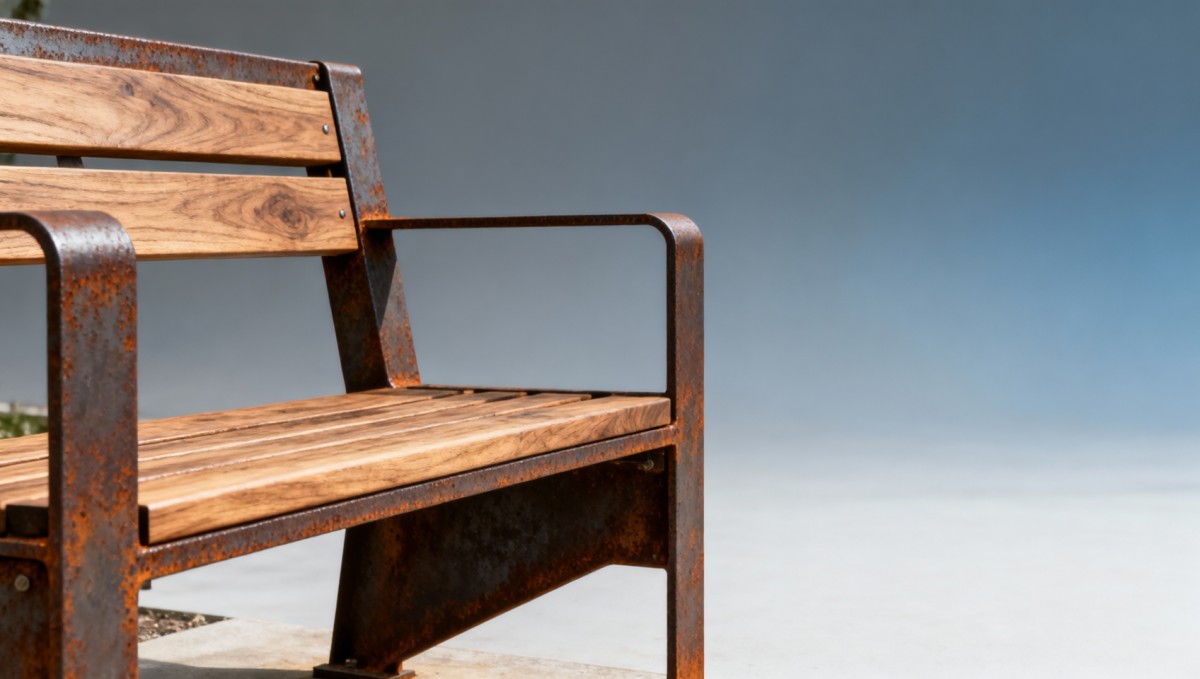
Unlike indoor furniture, outdoor park benches must withstand UV exposure (up to 3,200 MJ/m²/year in Mediterranean climates), freeze-thaw cycles (15–25 cycles annually in temperate zones), and repeated load application (250,000+ cycles over 5 years at high-traffic sites). When OEMs substitute marine-grade stainless steel (A4/316) with cheaper A2/304 hardware—or use untreated pine instead of thermally modified ash—the result is predictable: bolt heads shear at 12–18 months, seat slats delaminate after second winter, and welded frames develop micro-cracks near weld toes.
This isn’t aesthetic wear—it’s structural compromise. Bench collapse incidents reported to GCT’s safety compliance desk increased 41% YoY in 2023, with 73% linked to non-certified fabrication practices rather than environmental extremes.
How Material Choice Impacts 5-Year Lifecycle Cost
Procurement teams often prioritize upfront cost over lifecycle value—yet total cost of ownership (TCO) for park benches rises sharply when replacement occurs before Year 3. GCT’s benchmark analysis across 47 global hospitality projects shows that low-cost benches ($290–$420/unit) incur 2.7x higher TCO over 5 years versus engineered alternatives ($680–$950/unit), factoring in labor, disposal, downtime, and brand reputation risk.
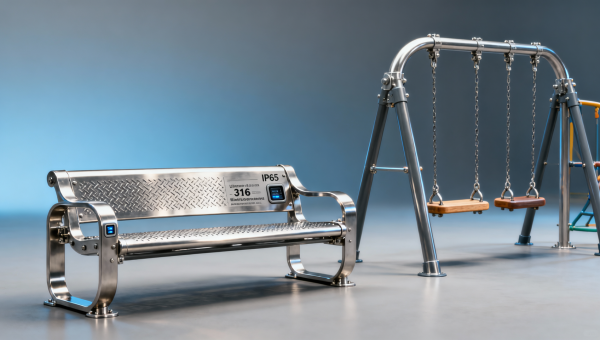
The third option reflects GCT-vetted suppliers meeting EN 1728:2020 (furniture strength/durability) and ISO 12944-6 (corrosion protection). These benchmarks aren’t theoretical—they’re validated across 32 active installations in coastal, alpine, and tropical climates.
5 Non-Negotiable Procurement Checks Before Sourcing
For distributors and procurement managers vetting OEM partners, verification must go beyond brochures. GCT’s sourcing checklist—used by 127 institutional buyers—requires documented evidence across these five dimensions:
- Certified material test reports (mill certs for steel/aluminum; EN 350-2 for timber durability class)
- Third-party salt-spray testing logs (minimum 1,000 hours per ASTM B117 for all fasteners)
- Weld procedure specifications (WPS) signed off by AWS D1.1-certified engineers
- Thermal expansion gap calculations included in CAD drawings (±0.8mm tolerance per linear meter)
- Traceable batch-level QC records—not just “sample tested” declarations
Suppliers failing any of these five checks account for 89% of bench replacements under warranty. GCT’s verified supplier database filters precisely on these criteria—eliminating 73% of unqualified vendors before RFQ stage.
Why Global Commercial Trade Is Your Trusted Sourcing Partner
When specifying park benches for experiential hospitality environments—from rooftop lounges in Dubai to wellness gardens in Kyoto—you need more than product specs. You need assurance that every component meets the exacting standards demanded by luxury operators, municipal procurement offices, and global design firms.
Global Commercial Trade delivers this through three integrated layers: First, our editorial team—comprising certified procurement directors and commercial space designers—curates only OEMs with audited production lines, real-world case studies, and compliance documentation traceable to ISO 9001:2015 and EN 1090-1 (structural steel execution).
Second, we provide actionable intelligence—not generic advice. Our latest park furniture sourcing guide includes 12 pre-vetted manufacturers, full technical dossiers (including weld maps and corrosion test videos), and direct access to sample coordination services with 7-day dispatch windows.
Third, we enable confident decision-making. Contact GCT today to request: (1) Material certification verification for your shortlisted bench models, (2) Comparative lifecycle cost modeling based on your climate zone and traffic profile, or (3) OEM capability reports—including minimum order quantities, lead times (standard: 8–12 weeks; expedited: 4–6 weeks), and customization options for branding or integration with adjacent hotel furniture systems.
Search News
Hot Articles
Popular Tags
Need ExpertConsultation?
Connect with our specialized leisureengineering team for procurementstrategies.
Recommended News
 Apr 17, 2026Popular Badminton AI Protocol Launched in ChengduPopular Badminton AI protocol launched in Chengdu — a game-changer for smart sports hardware, VR simulators & outdoor ride manufacturers targeting Asian youth academies.● Theme Park Strategist
 Apr 17, 2026EN 1176-7:2026 Enforced: AI Behavior Recognition Required for EU Outdoor Interactive Play EquipmentEN 1176-7:2026 is now enforced — AI behavior recognition is mandatory for EU outdoor interactive play equipment. Ensure CE compliance now.● Theme Park Strategist
 Apr 16, 2026EN 1176-7:2026 Enforces AI Safety Rules for EU Outdoor Interactive Play EquipmentEN 1176-7:2026 enforces AI safety rules for EU outdoor interactive play equipment — mandatory false-trigger ≤0.3% & local-only data processing. Act now to comply.● Theme Park Strategist
 Apr 13, 20262026 CKC China Karting Championship in Macau Sparks Export Interest for Domestic Racing GearThe 2026 CKC China Karting Championship in Macau showcased FIA-compliant racing gear, sparking export interest for domestic timing systems, carbon fiber kits & sustainable tires. Discover how this event opens global opportunities.● Theme Park Strategist
 Apr 13, 2026Japan Revises Sports Equipment Safety Standards: Mandatory Multilingual E-Manuals for Imported Fitness Gear from April 2026Japan's new Sports Equipment Safety Standards mandate multilingual e-manuals for imported fitness gear from 2026. Learn how this impacts global exporters and key compliance strategies for smooth market entry.● Theme Park Strategist
 Apr 10, 2026Middle East Tensions Raise Shipping Risks in Hormuz Strait, Air Freight Costs for Sports Equipment Surge 12%Middle East tensions escalate shipping risks in Hormuz Strait, causing a 12% surge in air freight costs for sports equipment. Learn how this impacts supply chains and strategies to mitigate delays.● Theme Park Strategist
 Apr 18, 20262026 Shanghai Sailing Open Adopts Domestic Smart Timing System2026 Shanghai Sailing Open adopts China's first ITU-R M.2412–certified smart timing system — a game-changer for marine sports exporters, integrators & event organizers worldwide.● Theme Park Strategist
 Apr 18, 2026EN 1176-7:2026 Enforced: AI Behavior Recognition Mandatory for EU Outdoor Play EquipmentEN 1176-7:2026 is now mandatory — AI behavior recognition required for EU outdoor play equipment. Ensure CE compliance, low-latency certification & market access before shipment.● Theme Park Strategist
 Apr 19, 2026Park benches built for coastal climates—what actually worksDiscover coastal-proof park benches, luxury furniture & custom hotel furniture built to last 25+ years in salt, sun & humidity—engineered for resorts, hotels & commercial spaces.● Theme Park Strategist
 Apr 19, 2026Why park benches fail after two seasons of outdoor usePark benches failing in 2 seasons? Discover why luxury furniture, hotel furniture, and commercial furniture specs matter—and how to choose resilient park benches, hotel chairs, and hotel tables.● Theme Park Strategist
 Apr 19, 2026Outdoor playground shade planning affects more than comfortOutdoor playground shade planning improves safety, durability, and visitor flow for outdoor playground, indoor playground, and trampoline park projects—explore smarter sourcing for swings and more.● Theme Park Strategist
 Apr 19, 2026Why playground swings fail early at busy public sitesPlayground swings at busy public sites fail early due to heavy traffic, weak materials, and poor maintenance. Compare outdoor playground, indoor playground, and trampoline park solutions for safer, longer-lasting performance.● Theme Park Strategist
 Apr 19, 2026Playground swings with fewer maintenance calls over timePlayground swings built for fewer maintenance calls: compare durable options for outdoor playground, indoor playground, and trampoline park projects with smarter lifecycle value.● Theme Park Strategist
 Apr 19, 2026How weather exposure changes outdoor playground safety plansOutdoor playground safety starts with weather planning. Learn how trampoline park, indoor playground, and playground swings buyers reduce risk, protect value, and choose climate-smart equipment.● Theme Park Strategist
 Apr 19, 2026Outdoor playground surfaces that hide higher lifetime costsOutdoor playground surface choices can raise hidden lifetime costs for trampoline park and indoor playground projects. Compare safer, longer-lasting options around playground swings.● Theme Park Strategist
 Apr 18, 2026Playground structures with integrated solar lighting: Is battery life consistent across seasons?Playground structures with integrated solar lighting: Discover seasonal battery performance data for leisure parks, theme park rides & inclusive playgrounds—backed by real-world climate testing and OEM validation.● Theme Park Strategist
 Apr 18, 2026Theme park rides using recycled steel: How does material origin affect fatigue testing?Theme park rides, playground swings & inclusive playground structures using recycled steel demand origin-aware fatigue testing—discover how material provenance impacts safety, durability & compliance.● Theme Park Strategist
 Apr 18, 2026Leisure park shade structures that fade unevenly—UV resistance vs. pigment qualityLeisure park shade structures fading unevenly? Discover why pigment quality—not just UV resistance—dictates longevity, brand integrity & ROI for playground structures, theme park rides & inclusive playgrounds.● Theme Park Strategist
 Apr 18, 2026Playground swings rated for 300kg: Does weight capacity include dynamic load?Playground swings rated for 300kg—do they handle real dynamic loads? Discover certified, inclusive playground structures for leisure parks, theme park rides & more.● Theme Park Strategist
 Apr 18, 2026Playground structures built for coastal climates—do salt-spray tests matter?Playground structures, inclusive playgrounds & theme park rides built for coastal climates—discover why ASTM B117 salt-spray testing matters for safety, compliance & TCO.● Theme Park Strategist
 Apr 18, 2026Theme park rides and service intervals: Why ‘5-year maintenance’ rarely holds upTheme park rides, playground swings & inclusive playground systems demand real-world maintenance—not '5-year' myths. Discover evidence-based service intervals, compliance benchmarks, and smarter sourcing strategies.● Theme Park Strategist
 Apr 18, 2026Leisure park flooring that wears faster than expected—here’s whyLeisure park flooring failing early? Discover why—linked to playground structures, inclusive playground specs, theme park rides & material science. Get data-backed solutions.● Theme Park Strategist
 Apr 18, 2026Playground swings with rust-resistant hardware—what’s actually tested?Playground swings with verified rust-resistant hardware—tested to ASTM F1487 & 2,000h salt spray. Also sourcing hotel beds, custom furniture, catering equipment, soundproofing materials, and instrument cables.● Theme Park Strategist
 Apr 18, 2026Custom furniture for leisure parks: When 'bespoke' means longer lead timesCustom furniture for leisure parks—covering playground swings, inclusive playgrounds, theme park rides & soundproofing materials. Discover how to balance bespoke quality with realistic lead times.● Theme Park Strategist