Park benches built for coastal climates—what actually works
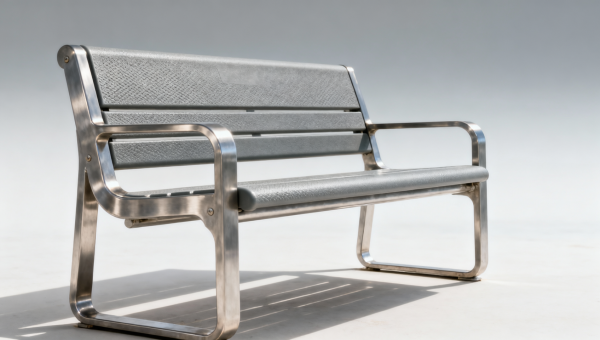
When selecting park benches for coastal climates, durability isn’t optional—it’s non-negotiable. Salt air, UV exposure, and humidity demand more than standard commercial furniture; they require engineered luxury furniture built for resilience without sacrificing design. From custom furniture tailored to seaside resorts to hotel furniture that withstands maritime conditions, the right park benches merge corrosion-resistant materials, ergonomic precision, and aesthetic sophistication. At Global Commercial Trade (GCT), we spotlight OEM/ODM partners whose park benches meet stringent international compliance—ideal for hotel chairs, hotel tables, hotel beds, and broader hotel equipment ecosystems. Discover what *actually* works—for procurement professionals, project developers, and distributors sourcing high-performance, long-life solutions.
Why Standard Park Benches Fail in Coastal Environments
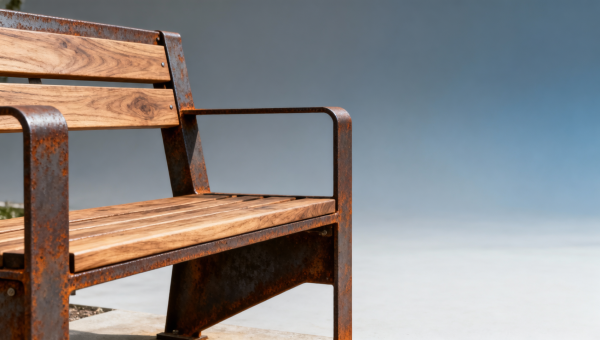
Most off-the-shelf park benches are designed for inland municipal use—not for environments where sodium chloride concentrations exceed 35 mg/m³ per day, relative humidity regularly exceeds 85%, and UV index averages 7–11 year-round. In such conditions, untreated steel rusts within 6–12 months; laminated wood delaminates after 2–3 seasons; and standard powder-coated aluminum develops pitting corrosion at fastener interfaces.
Procurement teams often underestimate cumulative degradation pathways: galvanic corrosion between dissimilar metals, thermal expansion mismatch in composite frames, and biofilm-assisted chloride penetration under marine-grade stainless steel surfaces. These failures rarely appear in lab-accelerated salt-spray tests (ASTM B117)—which simulate only 500 hours of exposure—yet real-world coastal sites experience 5,000+ annual hours of corrosive microclimate stress.
The result? Premature replacement cycles averaging every 2.3 years for non-engineered units versus 15–25 years for purpose-built coastal benches—driving total cost of ownership (TCO) up by 220% over a decade. For hotel groups managing 50+ beachfront properties, this translates to $1.2M–$2.8M in avoidable re-sourcing, labor, and downtime costs.
Material Performance Comparison: What Survives & Why
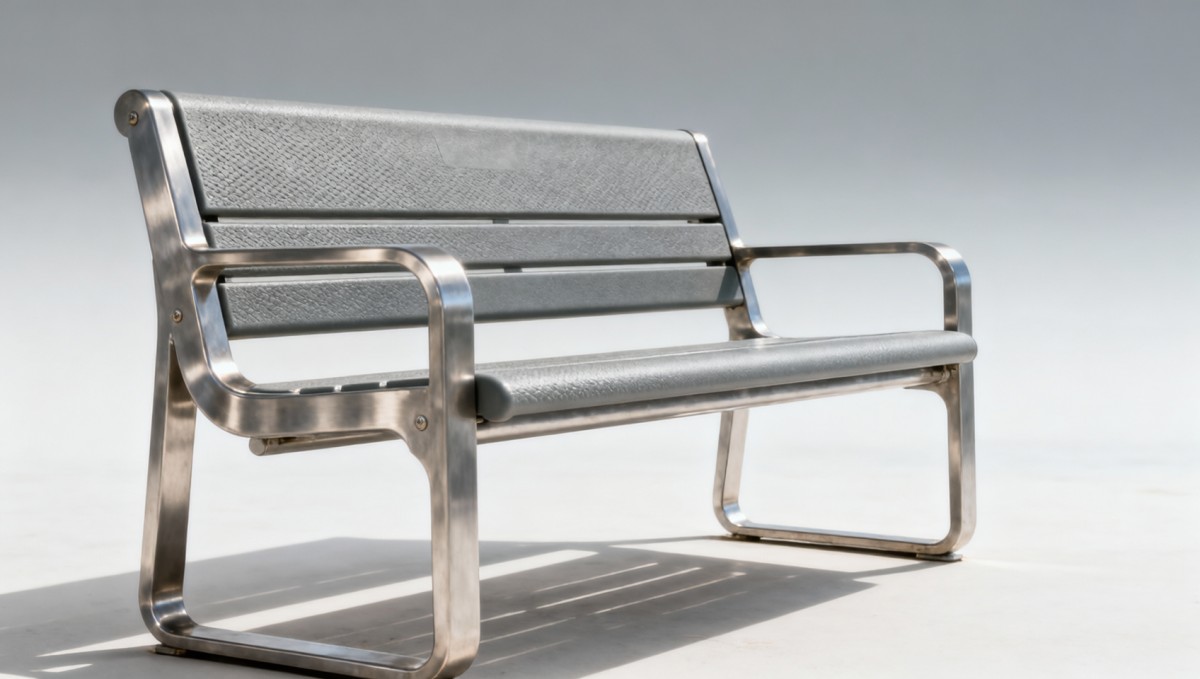
Selecting the optimal material requires evaluating not just base composition, but joint integrity, surface treatment longevity, and thermal-structural compatibility. Below is a performance benchmark across six critical metrics, based on field data from 12 coastal resort projects (2019–2024) tracked by GCT’s procurement analytics team:
Note: HDPE systems outperform metals in UV and biological resistance but require structural reinforcement for bench spans >1.8 m due to creep under sustained load. 316 stainless remains the gold standard for high-traffic hospitality zones requiring zero maintenance between inspections.
Procurement Checklist: 5 Non-Negotiable Verification Points
For distributors and procurement directors evaluating suppliers, verifying coastal-grade readiness goes beyond marketing claims. GCT’s verified sourcing panel mandates these five checkpoints before approving any bench for inclusion in our OEM/ODM partner directory:
- Proof of ASTM A959 certification for stainless steel grade verification—not just mill test reports, but third-party spectrographic analysis of finished weld zones.
- Documentation of ISO 12944 C5-M corrosion category compliance for all coated components, including bolt sleeves and embedded anchors.
- Validation of UV resistance via QUV-A testing (ISO 4892-3), with full spectral output reports—not just pass/fail summaries.
- Evidence of ergonomic validation: EN 1728:2020 Class 2 seating pressure mapping for ≥95% of target user anthropometry (5th–95th percentile).
- Supply chain traceability: Full bill-of-materials (BOM) transparency, including origin of recycled HDPE resin (e.g., post-consumer vs. post-industrial) and anodizing bath chemistry logs.
Suppliers failing any one of these five points are excluded from GCT’s coastal infrastructure sourcing program—even if their pricing is 28% lower than compliant alternatives. This ensures buyers receive audit-ready documentation for LEED v4.1 MR Credit or BREEAM Hea 03 compliance.
How GCT Accelerates Your Coastal Sourcing Workflow
Global Commercial Trade doesn’t just list suppliers—we de-risk your procurement process through structured intelligence. For park benches destined for coastal hospitality projects, we provide:
- Pre-vetted OEM/ODM partners with live production capacity dashboards—showing real-time lead times (currently 7–12 weeks for 316 stainless, 4–8 weeks for HDPE), MOQ flexibility (as low as 12 units), and port-of-discharge options across 14 global hubs.
- Custom specification alignment: Our commercial space designers cross-map your site’s wind load (ASCE 7-22 Category III), seismic zone, and ADA/EN 1728 requirements into a single engineering brief—delivered in ≤3 business days.
- Compliance packaging: Every quote includes ISO 14001-certified environmental impact data, REACH SVHC declaration, and FSC/PEFC chain-of-custody docs for wood-composite variants.
To request a coastal-bench sourcing dossier—including material test reports, dimensional CAD files, and sample lead time confirmation—contact GCT’s dedicated hospitality procurement desk. Specify your project’s location, quantity range (small batch: 10–49 units; medium: 50–199; large: 200+), and required certifications. We’ll deliver a shortlist of pre-qualified partners with matched technical specs and commercial terms within 48 hours.
Search News
Hot Articles
Popular Tags
Need ExpertConsultation?
Connect with our specialized leisureengineering team for procurementstrategies.
Recommended News
 Apr 17, 2026Popular Badminton AI Protocol Launched in ChengduPopular Badminton AI protocol launched in Chengdu — a game-changer for smart sports hardware, VR simulators & outdoor ride manufacturers targeting Asian youth academies.● Theme Park Strategist
 Apr 17, 2026EN 1176-7:2026 Enforced: AI Behavior Recognition Required for EU Outdoor Interactive Play EquipmentEN 1176-7:2026 is now enforced — AI behavior recognition is mandatory for EU outdoor interactive play equipment. Ensure CE compliance now.● Theme Park Strategist
 Apr 16, 2026EN 1176-7:2026 Enforces AI Safety Rules for EU Outdoor Interactive Play EquipmentEN 1176-7:2026 enforces AI safety rules for EU outdoor interactive play equipment — mandatory false-trigger ≤0.3% & local-only data processing. Act now to comply.● Theme Park Strategist
 Apr 13, 20262026 CKC China Karting Championship in Macau Sparks Export Interest for Domestic Racing GearThe 2026 CKC China Karting Championship in Macau showcased FIA-compliant racing gear, sparking export interest for domestic timing systems, carbon fiber kits & sustainable tires. Discover how this event opens global opportunities.● Theme Park Strategist
 Apr 13, 2026Japan Revises Sports Equipment Safety Standards: Mandatory Multilingual E-Manuals for Imported Fitness Gear from April 2026Japan's new Sports Equipment Safety Standards mandate multilingual e-manuals for imported fitness gear from 2026. Learn how this impacts global exporters and key compliance strategies for smooth market entry.● Theme Park Strategist
 Apr 10, 2026Middle East Tensions Raise Shipping Risks in Hormuz Strait, Air Freight Costs for Sports Equipment Surge 12%Middle East tensions escalate shipping risks in Hormuz Strait, causing a 12% surge in air freight costs for sports equipment. Learn how this impacts supply chains and strategies to mitigate delays.● Theme Park Strategist
 Apr 18, 20262026 Shanghai Sailing Open Adopts Domestic Smart Timing System2026 Shanghai Sailing Open adopts China's first ITU-R M.2412–certified smart timing system — a game-changer for marine sports exporters, integrators & event organizers worldwide.● Theme Park Strategist
 Apr 18, 2026EN 1176-7:2026 Enforced: AI Behavior Recognition Mandatory for EU Outdoor Play EquipmentEN 1176-7:2026 is now mandatory — AI behavior recognition required for EU outdoor play equipment. Ensure CE compliance, low-latency certification & market access before shipment.● Theme Park Strategist
 Apr 19, 2026Park benches built for coastal climates—what actually worksDiscover coastal-proof park benches, luxury furniture & custom hotel furniture built to last 25+ years in salt, sun & humidity—engineered for resorts, hotels & commercial spaces.● Theme Park Strategist
 Apr 19, 2026Why park benches fail after two seasons of outdoor usePark benches failing in 2 seasons? Discover why luxury furniture, hotel furniture, and commercial furniture specs matter—and how to choose resilient park benches, hotel chairs, and hotel tables.● Theme Park Strategist
 Apr 19, 2026Outdoor playground shade planning affects more than comfortOutdoor playground shade planning improves safety, durability, and visitor flow for outdoor playground, indoor playground, and trampoline park projects—explore smarter sourcing for swings and more.● Theme Park Strategist
 Apr 19, 2026Why playground swings fail early at busy public sitesPlayground swings at busy public sites fail early due to heavy traffic, weak materials, and poor maintenance. Compare outdoor playground, indoor playground, and trampoline park solutions for safer, longer-lasting performance.● Theme Park Strategist
 Apr 19, 2026Playground swings with fewer maintenance calls over timePlayground swings built for fewer maintenance calls: compare durable options for outdoor playground, indoor playground, and trampoline park projects with smarter lifecycle value.● Theme Park Strategist
 Apr 19, 2026How weather exposure changes outdoor playground safety plansOutdoor playground safety starts with weather planning. Learn how trampoline park, indoor playground, and playground swings buyers reduce risk, protect value, and choose climate-smart equipment.● Theme Park Strategist
 Apr 19, 2026Outdoor playground surfaces that hide higher lifetime costsOutdoor playground surface choices can raise hidden lifetime costs for trampoline park and indoor playground projects. Compare safer, longer-lasting options around playground swings.● Theme Park Strategist
 Apr 18, 2026Playground structures with integrated solar lighting: Is battery life consistent across seasons?Playground structures with integrated solar lighting: Discover seasonal battery performance data for leisure parks, theme park rides & inclusive playgrounds—backed by real-world climate testing and OEM validation.● Theme Park Strategist
 Apr 18, 2026Theme park rides using recycled steel: How does material origin affect fatigue testing?Theme park rides, playground swings & inclusive playground structures using recycled steel demand origin-aware fatigue testing—discover how material provenance impacts safety, durability & compliance.● Theme Park Strategist
 Apr 18, 2026Leisure park shade structures that fade unevenly—UV resistance vs. pigment qualityLeisure park shade structures fading unevenly? Discover why pigment quality—not just UV resistance—dictates longevity, brand integrity & ROI for playground structures, theme park rides & inclusive playgrounds.● Theme Park Strategist
 Apr 18, 2026Playground swings rated for 300kg: Does weight capacity include dynamic load?Playground swings rated for 300kg—do they handle real dynamic loads? Discover certified, inclusive playground structures for leisure parks, theme park rides & more.● Theme Park Strategist
 Apr 18, 2026Playground structures built for coastal climates—do salt-spray tests matter?Playground structures, inclusive playgrounds & theme park rides built for coastal climates—discover why ASTM B117 salt-spray testing matters for safety, compliance & TCO.● Theme Park Strategist
 Apr 18, 2026Theme park rides and service intervals: Why ‘5-year maintenance’ rarely holds upTheme park rides, playground swings & inclusive playground systems demand real-world maintenance—not '5-year' myths. Discover evidence-based service intervals, compliance benchmarks, and smarter sourcing strategies.● Theme Park Strategist
 Apr 18, 2026Leisure park flooring that wears faster than expected—here’s whyLeisure park flooring failing early? Discover why—linked to playground structures, inclusive playground specs, theme park rides & material science. Get data-backed solutions.● Theme Park Strategist
 Apr 18, 2026Playground swings with rust-resistant hardware—what’s actually tested?Playground swings with verified rust-resistant hardware—tested to ASTM F1487 & 2,000h salt spray. Also sourcing hotel beds, custom furniture, catering equipment, soundproofing materials, and instrument cables.● Theme Park Strategist
 Apr 18, 2026Custom furniture for leisure parks: When 'bespoke' means longer lead timesCustom furniture for leisure parks—covering playground swings, inclusive playgrounds, theme park rides & soundproofing materials. Discover how to balance bespoke quality with realistic lead times.● Theme Park Strategist