Luxury furniture that actually holds up in high-traffic lobbies
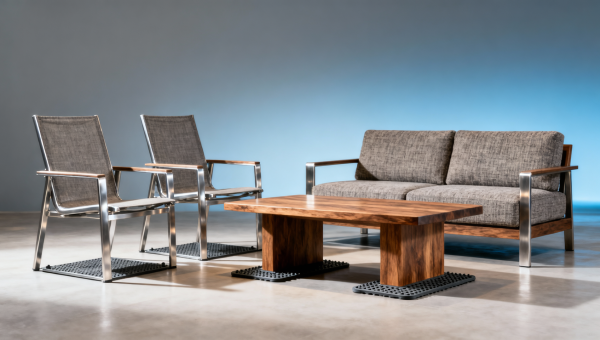
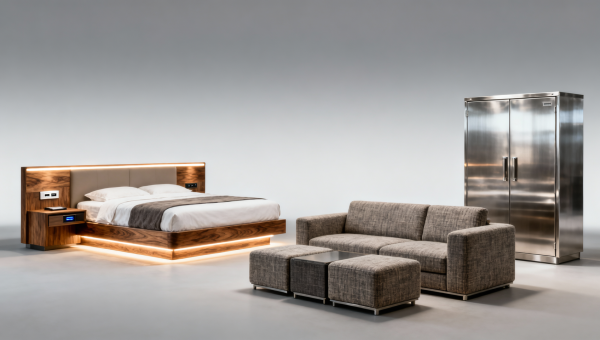
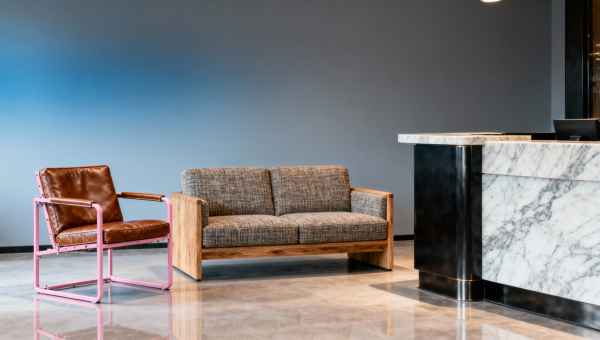
High-traffic lobbies demand luxury furniture that marries uncompromising aesthetics with battlefield-grade durability—think hotel chairs that resist wear, hotel tables built for decades of service, and custom furniture engineered for institutional resilience. Whether sourcing park benches for a luxury resort entrance or hotel beds for a five-star chain, commercial furniture must exceed expectations in safety, compliance, and longevity. At Global Commercial Trade (GCT), we connect procurement professionals, hospitality groups, and distributors with vetted OEM/ODM partners whose hotel furniture, hotel equipment, and luxury furniture solutions are rigorously tested—and trusted—across global flagship projects.
What “Luxury That Holds Up” Really Means in High-Traffic Lobbies
“Luxury furniture” in commercial contexts isn’t defined by veneer thickness or gold leaf alone—it’s measured in cycles of use, resistance to abrasion, structural fatigue tolerance, and post-installation performance under real-world stress. In lobbies receiving 300–800 daily visitors (a typical range for urban five-star hotels and corporate headquarters), failure modes shift from aesthetic fading to mechanical degradation: seat foam compression beyond 15% after 10,000 cycles, armrest lacquer chipping at 20+ impacts per day, or base weld fractures under repeated lateral loading.
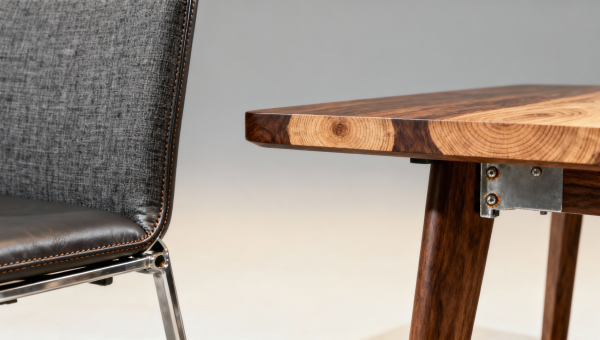
True lobby-grade luxury integrates three non-negotiable layers: (1) architectural-grade framing (e.g., 2.0mm cold-rolled steel or kiln-dried FSC-certified hardwood with ≥12% moisture content control), (2) textile or leather systems rated ≥40,000 double-rubs (Martindale test), and (3) finish systems compliant with EN 15372:2019 for public-use furniture durability. These aren’t premium add-ons—they’re baseline thresholds for viability.
Unlike residential pieces, which may be replaced every 7–10 years, institutional lobby furniture is expected to maintain visual integrity and functional safety for 12–18 years. That timeline demands material science alignment—not just design alignment—with ASTM F2217 (commercial seating load testing), ISO 7176-11 (impact resistance), and UL 1036 (fire-retardant upholstery compliance).
How Procurement Teams Evaluate Durability Without Sacrificing Design
Procurement professionals no longer choose between “beautiful” and “bulletproof.” They assess luxury furniture through four calibrated dimensions: aesthetic resilience (how finishes age gracefully), structural redundancy (load-path backups in joints and bases), serviceability (modular component replacement within 48 hours), and certification traceability (batch-level test reports linked to each SKU). GCT’s vetting process verifies all four across 37 OEM/ODM partners specializing in hospitality and high-end retail environments.
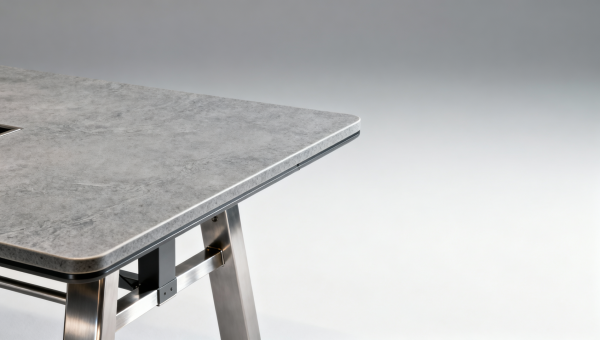
A common misstep is over-indexing on static load ratings while ignoring dynamic usage patterns. For example, a chair rated for 150 kg static load may fail prematurely if its gas lift mechanism lacks ISO 11227 Class 4 certification for 100,000+ height-adjustment cycles. Likewise, marble tabletops require ASTM C503 flexural strength ≥12 MPa—not just aesthetic veining consistency.
GCT’s procurement guides include verified benchmarks for 12 key durability indicators—from castor wheel hardness (Shore A 92–96) to upholstery seam tensile strength (≥250 N per 5 cm)—all cross-referenced against project-specific traffic profiles (e.g., airport concourse vs. boutique hotel atrium).
Core Evaluation Criteria for Lobby Furniture Procurement
- Frame material certification: EN 10210 S355J2H steel or FSC-certified beech with ≤10% moisture variance across batch
- Upholstery abrasion resistance: ≥40,000 Martindale cycles (ISO 12947-2) for high-contact zones
- Fire compliance: BS 5852 Source 5 + CRIB 5 for UK/EU; CAL 117-2013 Section E for US
- Warranty scope: Minimum 10-year structural warranty covering welds, castors, and lifting mechanisms
Comparing Material Systems for Long-Term Lobby Performance
Selecting the right material system involves trade-offs across lifecycle cost, maintenance frequency, and aesthetic evolution. Solid wood frames offer warmth but require climate-controlled environments; powder-coated steel delivers consistency but demands precise weld inspection protocols; aluminum extrusions reduce weight but need anodized layer thickness ≥25 µm to prevent fretting corrosion in humid coastal lobbies.
The table above reflects verified lead times and compliance baselines from GCT’s 2024 OEM/ODM Capability Index. Note: Lead time variability stems primarily from finish curing cycles (e.g., 72-hour UV-cured lacquer vs. 2-week air-dried oil finishes) and third-party fire lab scheduling—not production capacity alone.
Why Partner With GCT for Luxury Lobby Furniture Sourcing
Global Commercial Trade doesn’t broker transactions—we de-risk procurement. Our platform surfaces only those manufacturers who have passed GCT’s 3-phase verification: (1) factory audit (including weld inspection logs and raw material traceability), (2) product validation (third-party lab reports for every SKU), and (3) project reference verification (minimum 3 completed installations ≥50 units each, with post-warranty performance data).
For distributors and agents, GCT provides white-label capability dossiers—including CAD libraries, BIM objects, sustainability declarations (EPD/HPD), and multilingual installation manuals—enabling faster technical pre-sales support. For procurement teams, our intelligence dashboards map supplier capacity against your delivery windows (e.g., “Q3 2025 delivery for 220-seat lobby suite”), flagging bottlenecks before RFQ stage.
Ready to align luxury aesthetics with institutional durability? Contact GCT for: (1) OEM/ODM partner shortlists matched to your traffic profile and compliance region, (2) sample coordination with certified fire-test documentation, (3) lead-time confirmation for specific configurations, or (4) customized specification templates aligned with your procurement workflow. All consultations include access to our live OEM capacity heatmap and quarterly durability benchmark updates.
Search News
Hot Articles
Popular Tags
Need ExpertConsultation?
Connect with our specialized leisureengineering team for procurementstrategies.
Recommended News
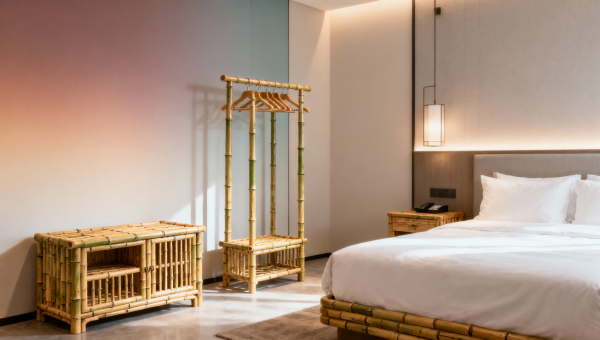
 Apr 10, 2026RCEP Cuts ASEAN Hotel Furniture Tariffs to 0% for Chinese Bamboo ProductsRCEP cuts ASEAN hotel furniture tariffs to 0% for Chinese bamboo products. Explore how this benefits exporters, procurement teams & supply chains in Southeast Asia's booming hospitality sector.● Hospitality Sourcing Dir
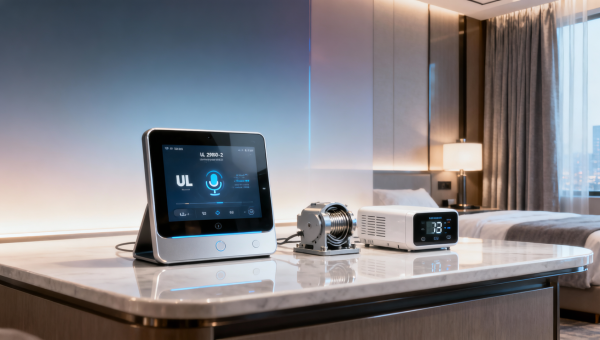
 Apr 10, 2026US Hotel Association Updates 2026 Smart Room Tech Guidelines, Mandates UL 2900-2-2 CertificationUS Hotel Association mandates UL 2900-2-2 certification for smart room tech by 2026. Learn how this impacts IoT manufacturers and hotel chains' procurement strategies.● Hospitality Sourcing Dir
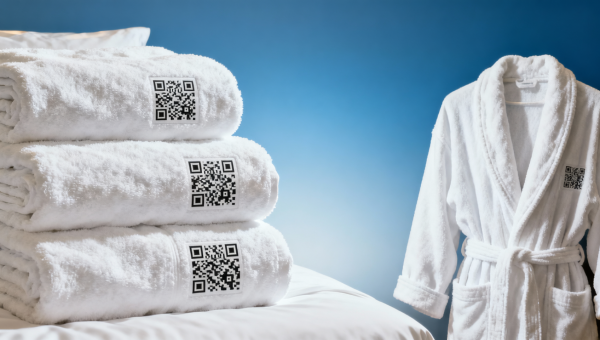
 Apr 10, 2026EU Mandates QR Codes for Hotel Linens: China Exporters Must Comply by April 2026EU mandates QR codes for hotel linens by 2026, impacting China's textile exporters. Learn compliance requirements for traceability, sustainability reporting, and supply chain adaptation.● Hospitality Sourcing Dir
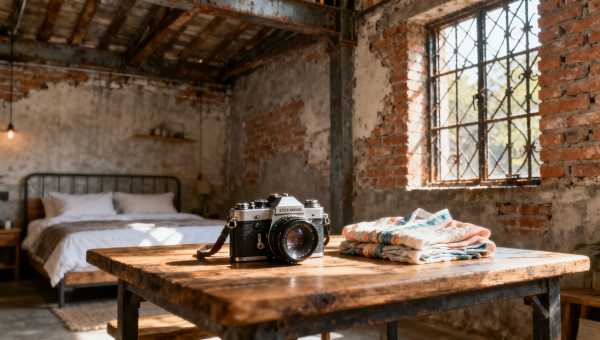
 Apr 09, 2026Zibo Launches 'Treasure Shandong Through the Lens' Photo Tour, Themed Homestays Emerge as Cross-Border Marketing ToolDiscover Zibo's 'Treasure Shandong Through the Lens' photo tour featuring 32 themed homestays blending vintage cameras, Hanfu culture & industrial spaces. A groundbreaking cross-border marketing model attracting global influencers & platforms like Rakuten Travel.● Hospitality Sourcing Dir
 Apr 09, 2026Yangzhou Slender West Lake Flower Festival Opens, Blending Heritage and Tech for Luxury TourismDiscover the 2026 Yangzhou Slender West Lake Flower Festival, blending heritage crafts with AR technology for luxury tourism. Experience cultural performances, workshops, and themed stays attracting global travelers. Explore China's new era of experiential tourism.● Hospitality Sourcing Dir
 Apr 09, 2026New Team Travel Contracts Raise Compliance Standards for Overseas AgenciesNew team travel contracts enforce stricter compliance for overseas agencies, requiring rigorous vetting of Chinese suppliers. Learn how these 2026 regulations impact study tours, hotels, and global partnerships.● Hospitality Sourcing Dir
 Apr 09, 2026Shangyou County's Hotel Subsidy Policy Boosts China's MICE Tourism AppealShangyou County's 2026 hotel subsidy policy offers RMB 100 per room for MICE tourism, boosting China's appeal to international buyers. Discover how this strategic move enhances cost-effective accommodations for corporate events and study tours.● Hospitality Sourcing Dir
 Apr 19, 2026Hotel equipment warranties that exclude real-world usageDiscover how park benches, hotel beds, luxury furniture & commercial furniture warranties fail real-world use—and what to demand before buying.● Hospitality Sourcing Dir
 Apr 19, 2026Hotel furniture specs most suppliers quietly ignoreDiscover the 7 non-negotiable hotel furniture specs—park benches, luxury furniture, hotel beds, chairs, tables & custom furniture—that suppliers ignore. Avoid compliance risks & guest experience gaps.● Hospitality Sourcing Dir
 Apr 19, 2026Custom furniture lead times that derail hotel opening schedulesCustom furniture lead times sabotage hotel openings—discover real timelines for luxury furniture, hotel beds, chairs, tables, park benches & more. Get actionable insights now.● Hospitality Sourcing Dir
 Apr 19, 2026Hotel beds that guests remember—and why most don’tDiscover why luxury furniture, custom hotel beds, and commercial furniture drive guest recall—plus sourcing insights for hotel furniture, chairs, tables & park benches.● Hospitality Sourcing Dir
 Apr 19, 2026Luxury furniture that actually holds up in high-traffic lobbiesLuxury furniture built for high-traffic lobbies: hotel chairs, park benches, hotel beds & custom furniture—commercial-grade durability meets 5-star design.● Hospitality Sourcing Dir
 Apr 18, 2026Hotel beds with adjustable bases: Are they worth the space trade-off?Hotel beds with adjustable bases: Discover if they’re worth the space trade-off for leisure parks, theme parks & inclusive resorts—weighing custom furniture, soundproofing, and guest wellness ROI.● Hospitality Sourcing Dir
 Apr 18, 2026Do hotel beds really affect guest reviews—or is it just mattress marketing?Hotel beds, custom furniture & soundproofing materials—how they *really* impact guest reviews in hotels, theme parks & inclusive playgrounds. Data-driven sourcing insights inside.● Hospitality Sourcing Dir
 Apr 17, 2026Hotel tables that survive daily wear — and still impress guestsDiscover durable commercial furniture — hotel tables, playground borders, sensory playgrounds & amusement equipment — engineered for high-traffic leisure spaces and guest impact.● Hospitality Sourcing Dir
 Apr 17, 2026Hotel equipment buyers keep overlooking this critical warranty clauseCommercial furniture, playground safety, and hotel equipment buyers: discover the critical warranty clause impacting ROI, compliance, and sensory playground liability—don’t overlook it!● Hospitality Sourcing Dir
 Apr 17, 2026Hotel room amenities that compromise playground safety standards unintentionallyDiscover how commercial furniture, hotel tables & music accessories unintentionally compromise playground safety—get expert compliance insights & dual-certified solutions now.● Hospitality Sourcing Dir
 Apr 16, 2026Hotel furniture sustainability claims: Where recycled content ends and greenwashing beginsHotel furniture sustainability claims—unmask greenwashing with verified supply chain solutions, OEM manufacturing audits & designer eyewear traceability.● Hospitality Sourcing Dir
 Apr 16, 2026Hotel room amenities with hidden maintenance costs—what polish and finish choices really cost over 3 yearsDiscover how hotel furniture, designer eyewear & OEM manufacturing finishes impact 3-year maintenance costs—get data-backed supply chain solutions.● Hospitality Sourcing Dir
 Apr 16, 2026Hotel chairs that survive daily wear—what material specs actually matter for high-turnover propertiesHotel chairs built for luxury retail & eyewear boutiques—engineered durability, OEM traceability, flame-retardant specs & abrasion resistance. Source compliant, future-proof seating.● Hospitality Sourcing Dir
 Apr 16, 2026Why hotel furniture orders get delayed—and where the bottlenecks really are in 2026Discover why hotel furniture, designer eyewear & pro audio equipment orders stall—and how OEM manufacturing and supply chain solutions fix 2026 bottlenecks.● Hospitality Sourcing Dir
 Apr 15, 2026Hotel equipment buyers overlook this hidden energy costCommercial furniture, playground borders, sensory playgrounds & hotel equipment hide costly energy drains—discover how to cut TCO by 18%+ with verified energy intelligence.● Hospitality Sourcing Dir
 Apr 15, 2026Hotel tables that survive daily wear — and still impress guestsDiscover durable commercial furniture & hotel tables built for high-traffic spaces — plus playground borders, sensory playgrounds, and amusement equipment.● Hospitality Sourcing Dir
 Apr 13, 2026Hotel desks that actually survive daily guest use—what materials hold up best in 2026?Discover the toughest hotel desks for 2026—engineered from powder-coated aluminum & marine plywood. Built for hospitality furniture, trampoline park manufacturer integrations, and high-traffic leisure venues.● Hospitality Sourcing Dir