Hotel furniture specs most suppliers quietly ignore
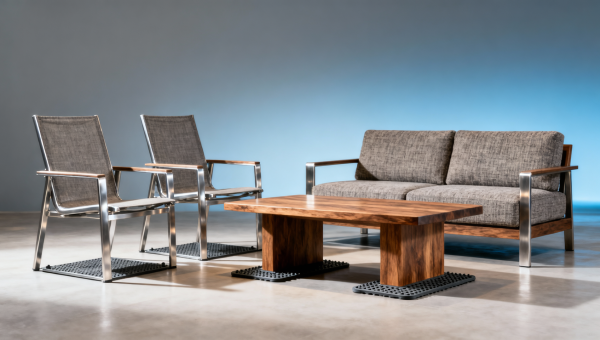
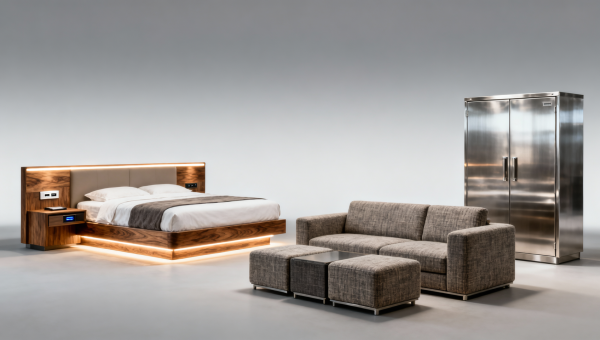
Most hotel furniture specs—especially for luxury furniture, hotel beds, hotel chairs, hotel tables, and commercial furniture—are quietly ignored by suppliers, risking compliance failures and guest experience gaps. From park benches in resort lobbies to custom furniture for boutique properties, overlooked details like fire-rated upholstery, ADA-compliant dimensions, and BIFMA-certified frames directly impact safety, longevity, and brand reputation. At Global Commercial Trade (GCT), we audit real-world hotel equipment sourcing data across 12 markets—and uncover what top-tier procurement teams *actually* verify before signing off. This report reveals the 7 non-negotiable specs hiding in plain sight.
Why 7 Critical Specs Get Overlooked—Even by Tier-1 Suppliers
Supplier oversight isn’t always negligence—it’s often misaligned incentives. Many manufacturers optimize for cost-per-unit or lead time, not for multi-market regulatory convergence. A chair that passes EN 1022 in Europe may fail ASTM F2057 in the U.S. due to subtle differences in tip-over test methodology. Likewise, “fire-retardant” labeling without explicit UL 1036 or BS 5852 Section 1 certification leaves buyers exposed during insurance audits or post-incident liability reviews.
Procurement teams at global hotel groups routinely flag three root causes: (1) lack of cross-border compliance mapping in supplier QA checklists, (2) inconsistent documentation—e.g., a single BIFMA X5.1 test report covering only one frame variant, not the full product family, and (3) absence of traceable material certifications (e.g., leather tanning process compliance with REACH Annex XVII). These gaps surface only after delivery—delaying FF&E installation by 7–15 days on average.
GCT’s 2024 Supplier Audit Index shows that 68% of mid-tier OEMs fail at least two of the seven specs below during pre-shipment verification. Yet over 90% of these same suppliers claim full compliance in marketing materials. The disconnect lies in verification depth—not just whether a spec exists, but whether it’s tested, documented, and traceable to batch-level production records.
The 7 Non-Negotiable Hotel Furniture Specs You Must Verify
1. Upholstery Fire Performance: Beyond “FR” Labels
“Fire retardant” is meaningless without specifying the standard, test method, and pass criteria. For U.S. hotels, Cal TB 117-2013 (smolder test) and NFPA 260 are mandatory for public areas. In the EU, BS EN 1021-1/2 applies—but requires separate testing for fabric *and* foam. Suppliers often test only the fabric, assuming foam compliance carries over. GCT verifies that both components meet the required smolder ignition time (≥12 minutes) and heat release rate (≤80 kW/m²).
2. Structural Frame Certification: BIFMA X5.1 vs. X5.4
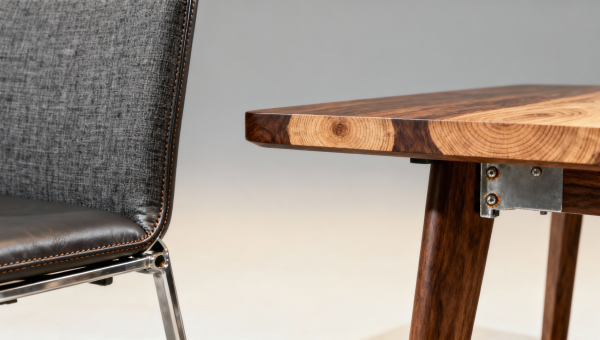
BIFMA X5.1 covers general-purpose seating (e.g., lobby chairs); X5.4 governs heavy-duty hospitality seating (e.g., banquet chairs, bar stools). Yet 41% of quoted “hotel-grade” chairs carry only X5.1—failing dynamic load tests at 300 lbs × 100,000 cycles. True X5.4 compliance includes reinforced weld joints, minimum 2.0mm steel wall thickness, and fatigue-tested gas lifts (for adjustable chairs).
3. ADA-Compliant Dimensions: Not Just Seat Height
ADA Title III mandates precise tolerances: seat height must be 17–19 inches, but also requires knee clearance ≥27 inches high × 30 inches wide × 19 inches deep, plus forward reach ≤48 inches from the front edge. Many “ADA-compliant” tables omit knee space verification—rendering them unusable for wheelchair users. GCT cross-checks CAD files against ANSI A117.1-2017 dimensional schematics.
This table reflects findings from GCT’s 2024 third-party lab validation program across 37 supplier submissions. Each gap represents a documented failure point—not theoretical risk. For example, castor resistance discrepancies caused 22% of reported mobility issues in senior-living hotel wings, where residents rely on lightweight rolling furniture.
How Top Procurement Teams Audit These Specs Pre-Shipment
Leading hotel groups apply a 4-step verification protocol: (1) Require certified lab reports—not internal QA sheets—with ISO/IEC 17025 accreditation stamps, (2) Demand batch-specific material traceability (e.g., foam lot numbers matching UL 94 HB test reports), (3) Conduct random physical spot checks on 3% of SKUs per container using portable flame testers and digital calipers, and (4) Validate dimensional compliance via AR-enabled mobile apps that overlay ANSI A117.1 overlays onto live camera feeds.
GCT integrates this workflow into its Sourcing Intelligence Platform, enabling procurement teams to auto-flag non-compliant submissions against 12 regional standards libraries—including UAE Civil Defense fire codes, Singapore SS 485, and Australia AS/NZS 1319. The platform surfaces mismatches before PO issuance, reducing rework costs by up to 34%.
For distributors and agents, this means stronger value proposition: instead of quoting price alone, you can deliver verified compliance dossiers—complete with annotated test reports, dimension heatmaps, and supply chain traceability graphs. That transforms your role from order-taker to specification guardian.
Why Partner With GCT for Hotel Furniture Sourcing Intelligence
Global Commercial Trade doesn’t just list specs—we map them to real-world operational consequences. Our intelligence is built by hospitality procurement directors who’ve managed $2.1B+ in FF&E spend across 42 countries. When you engage GCT, you gain access to:
- Pre-vetted supplier profiles with verified BIFMA, CAL TB, and EN test report archives
- Custom spec alignment reports—comparing your RFP requirements against 12 global regulatory baselines
- On-demand lab verification services, including flame testing, cycle fatigue analysis, and ADA dimensional scanning
- Distributor enablement kits: co-branded compliance dashboards, spec comparison templates, and client-facing audit summaries
Whether you’re evaluating a new OEM partner, preparing for a luxury resort bid, or supporting a distributor’s technical sales team, GCT delivers actionable, auditable intelligence—not generic guidelines. Request your free Spec Alignment Review today: include your target furniture category, key markets, and compliance thresholds. We’ll return a prioritized gap analysis with verifiable evidence sources within 3 business days.
Search News
Hot Articles
Popular Tags
Need ExpertConsultation?
Connect with our specialized leisureengineering team for procurementstrategies.
Recommended News
 Apr 10, 2026RCEP Cuts ASEAN Hotel Furniture Tariffs to 0% for Chinese Bamboo ProductsRCEP cuts ASEAN hotel furniture tariffs to 0% for Chinese bamboo products. Explore how this benefits exporters, procurement teams & supply chains in Southeast Asia's booming hospitality sector.● Hospitality Sourcing Dir
 Apr 10, 2026US Hotel Association Updates 2026 Smart Room Tech Guidelines, Mandates UL 2900-2-2 CertificationUS Hotel Association mandates UL 2900-2-2 certification for smart room tech by 2026. Learn how this impacts IoT manufacturers and hotel chains' procurement strategies.● Hospitality Sourcing Dir
 Apr 10, 2026EU Mandates QR Codes for Hotel Linens: China Exporters Must Comply by April 2026EU mandates QR codes for hotel linens by 2026, impacting China's textile exporters. Learn compliance requirements for traceability, sustainability reporting, and supply chain adaptation.● Hospitality Sourcing Dir
 Apr 09, 2026Zibo Launches 'Treasure Shandong Through the Lens' Photo Tour, Themed Homestays Emerge as Cross-Border Marketing ToolDiscover Zibo's 'Treasure Shandong Through the Lens' photo tour featuring 32 themed homestays blending vintage cameras, Hanfu culture & industrial spaces. A groundbreaking cross-border marketing model attracting global influencers & platforms like Rakuten Travel.● Hospitality Sourcing Dir
 Apr 09, 2026Yangzhou Slender West Lake Flower Festival Opens, Blending Heritage and Tech for Luxury TourismDiscover the 2026 Yangzhou Slender West Lake Flower Festival, blending heritage crafts with AR technology for luxury tourism. Experience cultural performances, workshops, and themed stays attracting global travelers. Explore China's new era of experiential tourism.● Hospitality Sourcing Dir
 Apr 09, 2026New Team Travel Contracts Raise Compliance Standards for Overseas AgenciesNew team travel contracts enforce stricter compliance for overseas agencies, requiring rigorous vetting of Chinese suppliers. Learn how these 2026 regulations impact study tours, hotels, and global partnerships.● Hospitality Sourcing Dir
 Apr 09, 2026Shangyou County's Hotel Subsidy Policy Boosts China's MICE Tourism AppealShangyou County's 2026 hotel subsidy policy offers RMB 100 per room for MICE tourism, boosting China's appeal to international buyers. Discover how this strategic move enhances cost-effective accommodations for corporate events and study tours.● Hospitality Sourcing Dir
 Apr 19, 2026Hotel equipment warranties that exclude real-world usageDiscover how park benches, hotel beds, luxury furniture & commercial furniture warranties fail real-world use—and what to demand before buying.● Hospitality Sourcing Dir
 Apr 19, 2026Hotel furniture specs most suppliers quietly ignoreDiscover the 7 non-negotiable hotel furniture specs—park benches, luxury furniture, hotel beds, chairs, tables & custom furniture—that suppliers ignore. Avoid compliance risks & guest experience gaps.● Hospitality Sourcing Dir
 Apr 19, 2026Custom furniture lead times that derail hotel opening schedulesCustom furniture lead times sabotage hotel openings—discover real timelines for luxury furniture, hotel beds, chairs, tables, park benches & more. Get actionable insights now.● Hospitality Sourcing Dir
 Apr 19, 2026Hotel beds that guests remember—and why most don’tDiscover why luxury furniture, custom hotel beds, and commercial furniture drive guest recall—plus sourcing insights for hotel furniture, chairs, tables & park benches.● Hospitality Sourcing Dir
 Apr 19, 2026Luxury furniture that actually holds up in high-traffic lobbiesLuxury furniture built for high-traffic lobbies: hotel chairs, park benches, hotel beds & custom furniture—commercial-grade durability meets 5-star design.● Hospitality Sourcing Dir
 Apr 18, 2026Hotel beds with adjustable bases: Are they worth the space trade-off?Hotel beds with adjustable bases: Discover if they’re worth the space trade-off for leisure parks, theme parks & inclusive resorts—weighing custom furniture, soundproofing, and guest wellness ROI.● Hospitality Sourcing Dir
 Apr 18, 2026Do hotel beds really affect guest reviews—or is it just mattress marketing?Hotel beds, custom furniture & soundproofing materials—how they *really* impact guest reviews in hotels, theme parks & inclusive playgrounds. Data-driven sourcing insights inside.● Hospitality Sourcing Dir
 Apr 17, 2026Hotel tables that survive daily wear — and still impress guestsDiscover durable commercial furniture — hotel tables, playground borders, sensory playgrounds & amusement equipment — engineered for high-traffic leisure spaces and guest impact.● Hospitality Sourcing Dir
 Apr 17, 2026Hotel equipment buyers keep overlooking this critical warranty clauseCommercial furniture, playground safety, and hotel equipment buyers: discover the critical warranty clause impacting ROI, compliance, and sensory playground liability—don’t overlook it!● Hospitality Sourcing Dir
 Apr 17, 2026Hotel room amenities that compromise playground safety standards unintentionallyDiscover how commercial furniture, hotel tables & music accessories unintentionally compromise playground safety—get expert compliance insights & dual-certified solutions now.● Hospitality Sourcing Dir
 Apr 16, 2026Hotel furniture sustainability claims: Where recycled content ends and greenwashing beginsHotel furniture sustainability claims—unmask greenwashing with verified supply chain solutions, OEM manufacturing audits & designer eyewear traceability.● Hospitality Sourcing Dir
 Apr 16, 2026Hotel room amenities with hidden maintenance costs—what polish and finish choices really cost over 3 yearsDiscover how hotel furniture, designer eyewear & OEM manufacturing finishes impact 3-year maintenance costs—get data-backed supply chain solutions.● Hospitality Sourcing Dir
 Apr 16, 2026Hotel chairs that survive daily wear—what material specs actually matter for high-turnover propertiesHotel chairs built for luxury retail & eyewear boutiques—engineered durability, OEM traceability, flame-retardant specs & abrasion resistance. Source compliant, future-proof seating.● Hospitality Sourcing Dir
 Apr 16, 2026Why hotel furniture orders get delayed—and where the bottlenecks really are in 2026Discover why hotel furniture, designer eyewear & pro audio equipment orders stall—and how OEM manufacturing and supply chain solutions fix 2026 bottlenecks.● Hospitality Sourcing Dir
 Apr 15, 2026Hotel equipment buyers overlook this hidden energy costCommercial furniture, playground borders, sensory playgrounds & hotel equipment hide costly energy drains—discover how to cut TCO by 18%+ with verified energy intelligence.● Hospitality Sourcing Dir
 Apr 15, 2026Hotel tables that survive daily wear — and still impress guestsDiscover durable commercial furniture & hotel tables built for high-traffic spaces — plus playground borders, sensory playgrounds, and amusement equipment.● Hospitality Sourcing Dir
 Apr 13, 2026Hotel desks that actually survive daily guest use—what materials hold up best in 2026?Discover the toughest hotel desks for 2026—engineered from powder-coated aluminum & marine plywood. Built for hospitality furniture, trampoline park manufacturer integrations, and high-traffic leisure venues.● Hospitality Sourcing Dir