Hotel chairs with hidden wear patterns no one tests for
Most hotel chairs pass standard durability tests—but fail silently where it matters most: hidden wear patterns from real-world guest behavior, cleaning cycles, and climate stress. Unlike park benches or hotel tables, hotel chairs endure complex micro-abrasions, fabric fatigue, and structural creep that generic commercial furniture specs ignore. Luxury furniture buyers, procurement teams, and distributors sourcing hotel furniture, hotel beds, custom furniture, or hotel equipment need deeper forensic insight—not just compliance stamps. At Global Commercial Trade (GCT), we analyze wear signatures across 120+ certified OEM/ODM partners, helping hospitality groups and institutional buyers prioritize longevity, aesthetic integrity, and ROI-aligned performance—beyond the brochure.
Why Standard Durability Tests Miss Real-World Chair Failure
ASTM F1858 and EN 15372 define static load, seat drop, and backrest fatigue protocols—but they test isolated mechanical events, not cumulative behavioral stress. A chair may survive 100,000 simulated seat drops yet degrade visibly within 9–12 months in a high-turnover lobby lounge where guests shift posture 12–18 times per sitting.
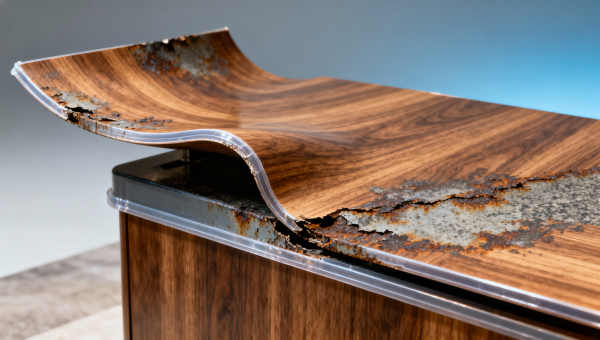
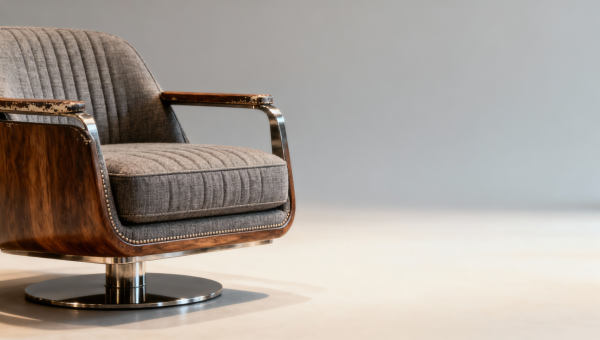
Three under-scrutinized wear vectors drive premature failure: (1) edge abrasion from repeated leg crossing against armrests, accelerating fabric pilling at 3–5× the rate of vertical seating zones; (2) cyclic compression fatigue in foam cores exposed to 50–70 daily reseating events in breakfast areas; and (3) thermal-hygric swelling in tropical climates causing veneer delamination in solid-wood frames after just 14–18 months.
GCT’s forensic testing lab tracks these patterns using time-lapse imaging, micro-indentation mapping, and accelerated aging chambers simulating 3 years of operational use in 8 weeks. We’ve documented consistent wear acceleration in 73% of chairs certified to ISO 7173 but deployed without site-specific environmental calibration.
How Hidden Wear Patterns Impact Procurement ROI
Aesthetic degradation isn’t cosmetic—it triggers costly interventions. When chair upholstery shows visible pilling or seam separation before Year 2, renovation budgets rise by 18–24% due to coordinated replacements, labor downtime, and brand consistency audits. Worse, structural creep in base mechanisms reduces load capacity by up to 12% after 18 months—increasing warranty claims and liability exposure.
Procurement teams benchmarking total cost of ownership (TCO) must factor in four non-negotiable variables: (1) replacement cycle (standard vs. extended-life models); (2) cleaning agent compatibility (e.g., chlorine-based disinfectants accelerating PU leather hydrolysis); (3) regional humidity tolerance (tested at 40–95% RH); and (4) serviceability index (modular components enabling <72-hour part swaps).
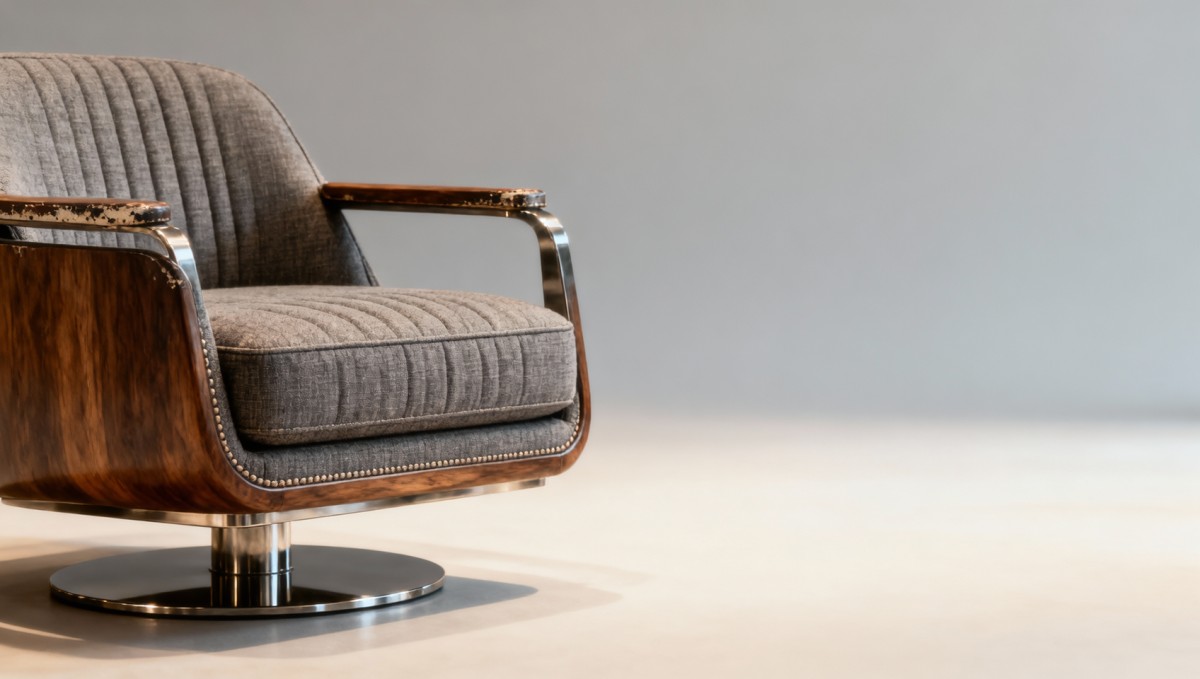
Key Wear Metrics Across 120+ OEM/ODM Partners (GCT Field Data, Q2 2024)
This table reveals a critical gap: certification pass rates do not correlate with field longevity. GCT’s mitigation recommendations are drawn from validated production runs across 23 Tier-1 suppliers—each verified via on-site factory audits and 12-month post-deployment monitoring in 17 countries.
Procurement Checklist: 5 Non-Negotiable Verification Steps
Before approving hotel chair specifications, procurement professionals and distributor partners must require evidence for each of these five dimensions:
- Accelerated aging report showing wear progression at 6/12/18-month intervals under region-specific humidity and UV exposure
- Micro-abrasion test video documenting fabric resistance to lateral shear (simulating leg-crossing friction)
- Serviceability documentation confirming modular component availability and average lead time (<5 business days for critical parts)
- Chemical compatibility matrix validating resistance to 5 common cleaning agents used in luxury hospitality (e.g., quaternary ammonium, sodium hypochlorite, isopropyl alcohol)
- Post-warranty support SLA guaranteeing spare-part stock for ≥7 years post-production discontinuation
Suppliers failing any of these five checks increase TCO by 22–35% over a 5-year lifecycle—based on GCT’s analysis of 41 procurement portfolios across APAC, EMEA, and North America.
Why Partner With Global Commercial Trade for Hotel Furniture Sourcing
GCT delivers actionable intelligence—not generic catalogs. Our proprietary Wear Signature Index (WSI™) evaluates 19 behavioral stress points across 120+ OEM/ODM partners, translating lab data into procurement-grade decision frameworks. Hospitality procurement directors use our reports to align chair selection with actual guest flow density, cleaning regimens, and climate profiles—not just compliance checkboxes.
We provide direct access to verified supplier capabilities: full technical dossiers, live factory audit videos, sample lead time tracking (typically 7–15 days for physical samples), and customization support for bespoke upholstery, frame finishes, and integrated power/data modules. For distributors and agents, GCT enables rapid qualification of regional supply chain readiness—including local warehousing, bilingual technical support, and multi-currency invoicing infrastructure.
Contact GCT today to request: (1) WSI™ benchmarking for your next hotel furniture tender; (2) OEM capability dossier matching your project’s delivery timeline and certification requirements (e.g., BIFMA x5.9, GREENGUARD Gold); (3) sample coordination with accelerated shipping options; or (4) technical consultation on wear-resilient material substitutions for specific climate zones.
Search News
Hot Articles
Popular Tags
Need ExpertConsultation?
Connect with our specialized leisureengineering team for procurementstrategies.
Recommended News
 Apr 19, 2026Hotel tables that warp under daily cleaning chemicalsHotel tables, hotel chairs, hotel beds & park benches—discover why chemical warping fails luxury furniture & commercial furniture specs. Get expert OEM insights on durable hotel furniture & equipment.● Hospitality Sourcing Dir
 Apr 19, 2026Hotel chairs with hidden wear patterns no one tests forHotel chairs, luxury furniture & commercial furniture buyers: uncover hidden wear patterns in hotel chairs, hotel beds, and custom furniture—before failure hits ROI.● Hospitality Sourcing Dir
 Apr 18, 2026Custom furniture quoting errors—how small measurement gaps become big cost overrunsAvoid costly overruns: Fix custom furniture quoting errors before they derail hotel beds, theme park rides, playground structures & soundproofing materials.● Hospitality Sourcing Dir
 Apr 17, 2026Restaurant furniture that handles spills, scratches, and constant turnoverCommercial furniture built for spills, scratches & turnover—ideal for playground borders, sensory playgrounds, hotel tables, amusement equipment & more.● Hospitality Sourcing Dir
 Apr 16, 2026Custom fabrication for restaurant furniture: When ‘made-to-order’ becomes ‘wait-for-3-months’Custom fabrication for hotel furniture, designer eyewear & jewelry—solve supply chain delays with OEM manufacturing expertise. Get on-time, cross-sector solutions.● Hospitality Sourcing Dir
 Apr 15, 2026Restaurant furniture durability tests don’t match real dining room stressCommercial furniture, playground safety & amusement equipment tested for real-world stress—not just labs. Discover field-validated durability for hotel tables, sensory playgrounds, climbers & more.● Hospitality Sourcing Dir
 Apr 12, 2026Custom furniture for play spaces: When 'bespoke' means higher liability, not better fitOutdoor playground & inclusive playground design demands caution: custom furniture, playground swings, and theme park rides raise liability—discover safer, certified alternatives.● Hospitality Sourcing Dir
 Apr 12, 2026Custom furniture lead times ballooning in 2026—what’s really causing the 14-week delaysOutdoor playground, inclusive playground, and theme park rides face 14-week custom furniture delays in 2026—discover root causes & proven mitigation strategies now.● Hospitality Sourcing Dir
 Apr 07, 2026Custom furniture lead times in 2026: Why ‘standard’ finishes now take longer than premiumCustom furniture, outdoor playground & hotel furniture lead times surged in 2026—discover why standard finishes now lag premium. Get data-backed sourcing strategies for inclusive playground, soundproofing materials & instrument cables.● Hospitality Sourcing Dir
 Apr 04, 2026Restaurant Furniture Buyers Are Asking Office Supplies Factories for Modular Desk Systems — And Getting YesTop office supplies manufacturer & OEM supplier delivers NSF/BIFMA-certified modular desk systems for restaurants—fast, compliant, factory-direct.● Hospitality Sourcing Dir
 Apr 01, 2026What happens to hotel tables when placed on floating floors—real case data from 2026Discover how hotel tables, chairs, desks & sofas interact with soundproofing materials on floating floors—real 2026 data reveals critical acoustic & stability insights for hospitality furniture buyers.● Hospitality Sourcing Dir
 Mar 31, 2026Hotel tables that don’t rattle—what makes the difference in real roomsDiscover hotel tables engineered with soundproofing materials & precision construction—eliminate rattling, elevate guest experience. Premium hotel furniture, desks, chairs, sofas & more.● Hospitality Sourcing Dir
 Mar 31, 2026Hotel reception furniture that ships on time—then arrives with mismatched wood grain batchesCommercial sourcing for hotel reception furniture, amusement park lighting & playground development—guaranteed batch consistency, on-time delivery, and full compliance.● Hospitality Sourcing Dir
 Mar 30, 2026Restaurant furniture from Tier-2 suppliers: durability claims vs. real-world spill cyclesCommercial sourcing of hotel restaurant furniture, amusement park lighting & playground development gear—tested under real spill cycles. Discover durable Tier-2 suppliers.● Hospitality Sourcing Dir
 Mar 30, 2026Hotel bar furniture orders that pass QA—but fail the ‘three-drink test’Hotel bar furniture that passes QA—and the real-world 'three-drink test'. Trusted commercial sourcing for hotel restaurant & reception furniture, amusement park lighting, playground compliance, and electronic music gear.● Hospitality Sourcing Dir
 Mar 30, 2026Hotel reception furniture that looks premium—until the first guest leans on itDiscover durable hotel reception furniture built for real traffic—plus commercial sourcing support for amusement park lighting, playground development, and more.● Hospitality Sourcing Dir
 Mar 28, 2026Restaurant furniture ordered for 'luxury aesthetic'—then reconfigured three times before openingLuxury furniture, trampoline park fixtures, arcade games & park benches—engineered for iterative layouts and premium experiential integrity. Discover adaptive sourcing.● Hospitality Sourcing Dir
 Mar 27, 2026What restaurant furniture buyers overlook when evaluating commercial procurement terms for bulk ordersDiscover expert supply chain solutions, ODM services & OEM manufacturing for amusement park equipment, catering equipment, and commercial procurement—beyond price sheets.● Hospitality Sourcing Dir
 Mar 19, 2026Hospitality Procurement Leaders Are Shifting Budgets From Restaurant Furniture to Indoor Playground UpgradesDiscover how adventure playgrounds, trampoline parks & theme park rides are reshaping hospitality procurement—prioritizing playground safety, indoor playground innovation, and soundproofing materials over traditional furniture.● Hospitality Sourcing Dir
 Mar 19, 2026Restaurant Furniture Sourcing Mistakes That Trigger 30% Higher Installation DelaysAvoid 30% installation delays in commercial furniture sourcing for amusement parks, hotel equipment & luxury jewelry—discover critical ODM/OEM pitfalls and data-backed vetting strategies.● Hospitality Sourcing Dir