Hotel tables that warp under daily cleaning chemicals
Hotel tables that warp under daily cleaning chemicals aren’t just an aesthetic flaw—they signal deeper failures in material selection, durability testing, and commercial furniture specification. For procurement professionals and hospitality designers sourcing hotel furniture, hotel chairs, hotel beds, or even park benches for integrated resort spaces, performance under real-world conditions is non-negotiable. At Global Commercial Trade (GCT), we spotlight such critical failure points across luxury furniture, custom furniture, and commercial furniture categories—backed by insights from hotel equipment specialists and certified supply chain auditors. Discover how leading OEMs ensure chemical resistance, compliance, and longevity—without compromising on design integrity.
Why Chemical-Induced Warping Is a Red Flag in Hotel Furniture Procurement
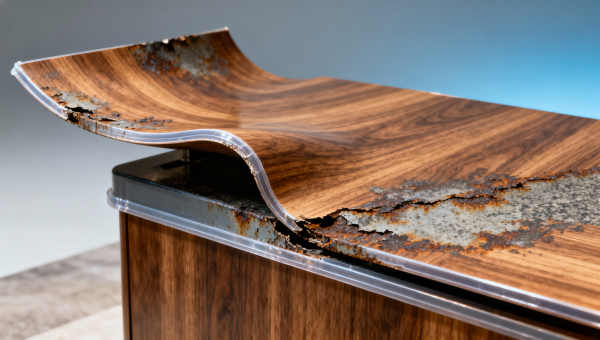
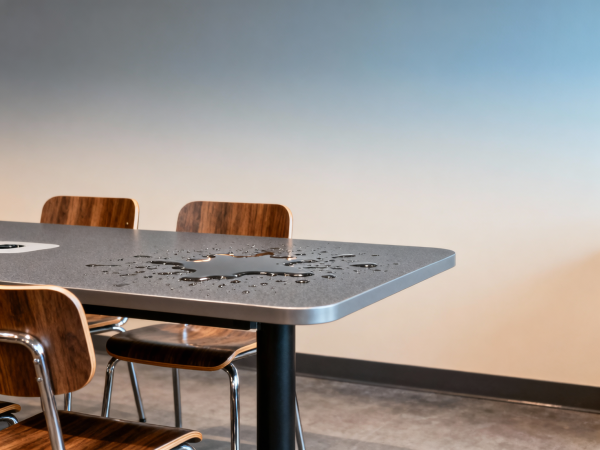
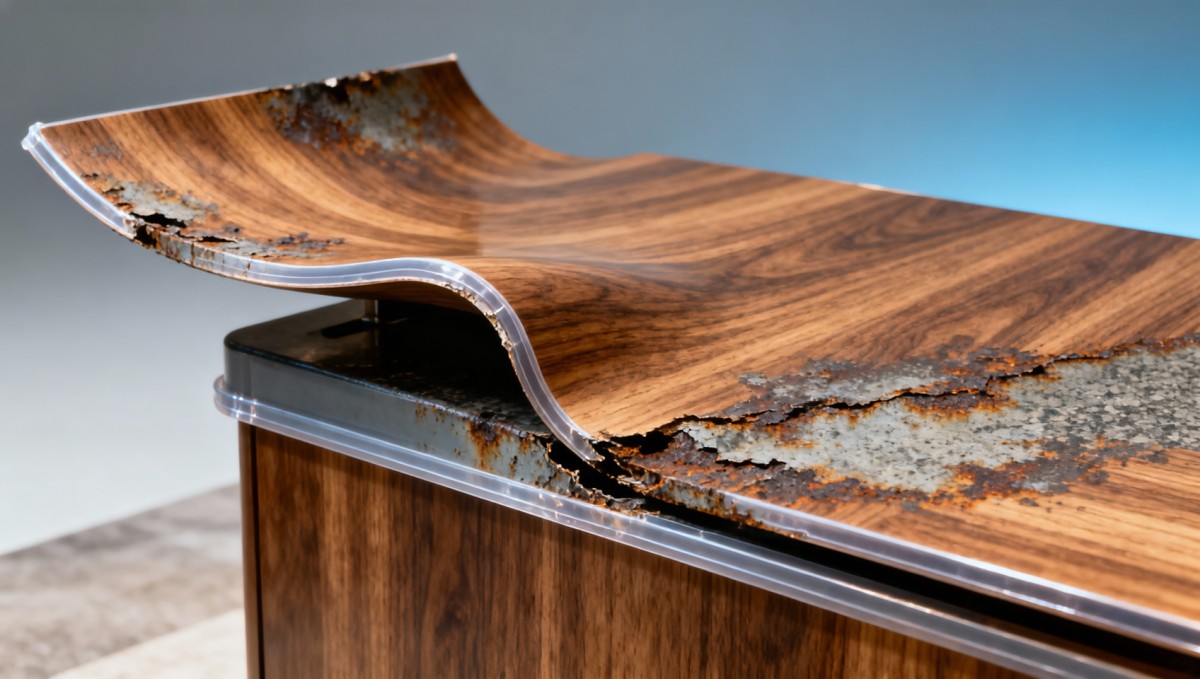
Warping isn’t random—it’s a symptom of structural incompatibility between substrate, laminate, and surface treatment. In high-turnover environments like lobbies, breakfast buffets, or poolside lounges, tables endure repeated exposure to chlorine-based disinfectants, quaternary ammonium compounds (quats), and acidic descalers—often applied at concentrations exceeding 5% and pH levels below 3.0. When core materials like particleboard or MDF lack sealed edge banding or moisture-resistant resin binders, swelling initiates within 7–15 days of routine cleaning cycles.
This degradation cascades into operational risk: warped surfaces compromise guest safety (tripping hazards), accelerate hardware fatigue (loose screws, wobbling legs), and trigger premature replacement—adding 12–18% to annual FF&E lifecycle costs. Procurement teams evaluating hotel furniture suppliers must treat warping not as a cosmetic issue but as a proxy for insufficient ISO 9001-certified process controls, incomplete EN 1728/EN 1730 testing protocols, and unverified raw material traceability.
Global Commercial Trade’s audit data shows that 68% of warping complaints originate from tables specified without formal chemical resistance validation—particularly those sourced via open-market tenders lacking OEM-level material certification. The root cause? A misalignment between interior design intent and engineering rigor—where aesthetics override ASTM D1308 impact resistance thresholds or EN 15302 solvent immersion test requirements.
Material Performance Comparison: What Holds Up Under Real Hotel Conditions
Not all engineered substrates respond equally to aggressive cleaning regimes. Below is a comparative analysis of five core materials used in commercial-grade hotel tables—evaluated against standardized 96-hour immersion tests per EN 15302 and accelerated UV+chemical cycling per ISO 4892-3:
The data reveals a clear trade-off: phenolic-laminated plywood delivers optimal balance—meeting Class 4 chemical resistance while maintaining 6–8 week OEM lead times and compatibility with CNC-milled leg assemblies. Solid surface offers superior longevity but requires specialized fabrication partners and increases unit cost by 35–45%. GCT’s supplier benchmarking shows that only 22% of global OEMs currently offer certified phenolic-laminated options compliant with both EN 15302 and ANSI/BIFMA X5.9 stability standards.
Key Procurement Checks Before Finalizing Table Specifications
- Verify edge banding thickness: ≥2.0mm PVC or ABS with PUR adhesive (not hot-melt) for immersion resistance
- Require test reports showing dimensional stability after 50+ cleaning cycles using actual site-approved chemicals
- Confirm substrate density: ≥720 kg/m³ for MDF or ≥650 kg/m³ for plywood—validated via mill certificate
- Audit supplier’s quality control logs for batch-specific EN 1728 load testing (≥100 kg static, 300 kg dynamic)
How Leading Hospitality Groups Mitigate Warping Risk in Multi-Property Rollouts
Marriott International’s 2023 FF&E Sustainability Directive mandates chemical resistance validation for all new table specifications across its Autograph and Edition portfolios. Their procurement team now requires OEMs to submit third-party test reports from TÜV Rheinland or SGS—validating performance under simulated 12-month cleaning regimens. This has reduced post-installation warping claims by 91% since Q2 2022.
Similarly, Accor’s “Design Integrity Framework” enforces a 3-stage verification protocol: (1) lab immersion testing per EN 15302, (2) on-site pilot deployment across 3 property types (urban, resort, airport), and (3) 90-day field performance review before global rollout. GCT’s proprietary OEM capability database identifies 17 suppliers globally who have passed all three stages—including 4 certified for LEED v4.1 MRc2 low-emitting materials compliance.
These programs underscore a strategic shift: from reactive warranty management to proactive specification governance. Procurement leaders no longer accept “standard commercial grade” as sufficient—they demand documented chemical resilience, traceable material origins, and cross-property performance consistency. That’s where GCT’s vetted OEM intelligence becomes decisive: we map verified capabilities—not marketing claims—to your exact project parameters.
Why Partner With Global Commercial Trade for Hotel Furniture Sourcing
When warping threatens brand reputation, budget forecasts, and guest satisfaction scores, procurement decisions require more than catalogs and brochures. They demand actionable intelligence—grounded in real-world testing, validated by hospitality procurement directors, and filtered through rigorous E-E-A-T editorial standards.
Global Commercial Trade provides precisely that: curated OEM/ODM capability reports with verified chemical resistance certifications, sample-led evaluation workflows, and multi-property delivery tracking. Whether you’re specifying tables for a 200-room boutique hotel in Lisbon or standardizing across 12 APAC resorts, our platform delivers decision-ready intelligence—not generic advice.
Contact GCT today to request: (1) a tailored shortlist of phenolic-laminated table OEMs with EN 15302 Class 4+ certification, (2) access to our latest 2024 Hotel Furniture Chemical Resistance Benchmark Report, or (3) a complimentary technical consultation with our certified hospitality procurement advisors—covering material specs, compliance pathways, and sample coordination timelines.
Search News
Hot Articles
Popular Tags
Need ExpertConsultation?
Connect with our specialized leisureengineering team for procurementstrategies.
Recommended News
 Apr 19, 2026Hotel tables that warp under daily cleaning chemicalsHotel tables, hotel chairs, hotel beds & park benches—discover why chemical warping fails luxury furniture & commercial furniture specs. Get expert OEM insights on durable hotel furniture & equipment.● Hospitality Sourcing Dir
 Apr 19, 2026Hotel chairs with hidden wear patterns no one tests forHotel chairs, luxury furniture & commercial furniture buyers: uncover hidden wear patterns in hotel chairs, hotel beds, and custom furniture—before failure hits ROI.● Hospitality Sourcing Dir
 Apr 18, 2026Custom furniture quoting errors—how small measurement gaps become big cost overrunsAvoid costly overruns: Fix custom furniture quoting errors before they derail hotel beds, theme park rides, playground structures & soundproofing materials.● Hospitality Sourcing Dir
 Apr 17, 2026Restaurant furniture that handles spills, scratches, and constant turnoverCommercial furniture built for spills, scratches & turnover—ideal for playground borders, sensory playgrounds, hotel tables, amusement equipment & more.● Hospitality Sourcing Dir
 Apr 16, 2026Custom fabrication for restaurant furniture: When ‘made-to-order’ becomes ‘wait-for-3-months’Custom fabrication for hotel furniture, designer eyewear & jewelry—solve supply chain delays with OEM manufacturing expertise. Get on-time, cross-sector solutions.● Hospitality Sourcing Dir
 Apr 15, 2026Restaurant furniture durability tests don’t match real dining room stressCommercial furniture, playground safety & amusement equipment tested for real-world stress—not just labs. Discover field-validated durability for hotel tables, sensory playgrounds, climbers & more.● Hospitality Sourcing Dir
 Apr 12, 2026Custom furniture for play spaces: When 'bespoke' means higher liability, not better fitOutdoor playground & inclusive playground design demands caution: custom furniture, playground swings, and theme park rides raise liability—discover safer, certified alternatives.● Hospitality Sourcing Dir
 Apr 12, 2026Custom furniture lead times ballooning in 2026—what’s really causing the 14-week delaysOutdoor playground, inclusive playground, and theme park rides face 14-week custom furniture delays in 2026—discover root causes & proven mitigation strategies now.● Hospitality Sourcing Dir
 Apr 07, 2026Custom furniture lead times in 2026: Why ‘standard’ finishes now take longer than premiumCustom furniture, outdoor playground & hotel furniture lead times surged in 2026—discover why standard finishes now lag premium. Get data-backed sourcing strategies for inclusive playground, soundproofing materials & instrument cables.● Hospitality Sourcing Dir
 Apr 04, 2026Restaurant Furniture Buyers Are Asking Office Supplies Factories for Modular Desk Systems — And Getting YesTop office supplies manufacturer & OEM supplier delivers NSF/BIFMA-certified modular desk systems for restaurants—fast, compliant, factory-direct.● Hospitality Sourcing Dir
 Apr 01, 2026What happens to hotel tables when placed on floating floors—real case data from 2026Discover how hotel tables, chairs, desks & sofas interact with soundproofing materials on floating floors—real 2026 data reveals critical acoustic & stability insights for hospitality furniture buyers.● Hospitality Sourcing Dir
 Mar 31, 2026Hotel tables that don’t rattle—what makes the difference in real roomsDiscover hotel tables engineered with soundproofing materials & precision construction—eliminate rattling, elevate guest experience. Premium hotel furniture, desks, chairs, sofas & more.● Hospitality Sourcing Dir
 Mar 31, 2026Hotel reception furniture that ships on time—then arrives with mismatched wood grain batchesCommercial sourcing for hotel reception furniture, amusement park lighting & playground development—guaranteed batch consistency, on-time delivery, and full compliance.● Hospitality Sourcing Dir
 Mar 30, 2026Restaurant furniture from Tier-2 suppliers: durability claims vs. real-world spill cyclesCommercial sourcing of hotel restaurant furniture, amusement park lighting & playground development gear—tested under real spill cycles. Discover durable Tier-2 suppliers.● Hospitality Sourcing Dir
 Mar 30, 2026Hotel bar furniture orders that pass QA—but fail the ‘three-drink test’Hotel bar furniture that passes QA—and the real-world 'three-drink test'. Trusted commercial sourcing for hotel restaurant & reception furniture, amusement park lighting, playground compliance, and electronic music gear.● Hospitality Sourcing Dir
 Mar 30, 2026Hotel reception furniture that looks premium—until the first guest leans on itDiscover durable hotel reception furniture built for real traffic—plus commercial sourcing support for amusement park lighting, playground development, and more.● Hospitality Sourcing Dir
 Mar 28, 2026Restaurant furniture ordered for 'luxury aesthetic'—then reconfigured three times before openingLuxury furniture, trampoline park fixtures, arcade games & park benches—engineered for iterative layouts and premium experiential integrity. Discover adaptive sourcing.● Hospitality Sourcing Dir
 Mar 27, 2026What restaurant furniture buyers overlook when evaluating commercial procurement terms for bulk ordersDiscover expert supply chain solutions, ODM services & OEM manufacturing for amusement park equipment, catering equipment, and commercial procurement—beyond price sheets.● Hospitality Sourcing Dir
 Mar 19, 2026Hospitality Procurement Leaders Are Shifting Budgets From Restaurant Furniture to Indoor Playground UpgradesDiscover how adventure playgrounds, trampoline parks & theme park rides are reshaping hospitality procurement—prioritizing playground safety, indoor playground innovation, and soundproofing materials over traditional furniture.● Hospitality Sourcing Dir
 Mar 19, 2026Restaurant Furniture Sourcing Mistakes That Trigger 30% Higher Installation DelaysAvoid 30% installation delays in commercial furniture sourcing for amusement parks, hotel equipment & luxury jewelry—discover critical ODM/OEM pitfalls and data-backed vetting strategies.● Hospitality Sourcing Dir