Theme Park Rides That Cut Maintenance
For buyers evaluating theme park rides, reducing maintenance is now as important as boosting guest appeal and operating uptime. From durable playground structures and inclusive playground solutions to reliable playground swings for mixed-use leisure park projects, smart equipment choices can lower lifecycle costs. This guide helps procurement teams and distributors identify ride options, materials, and supplier standards that support safer, more efficient long-term performance.
In today’s amusement and leisure park market, maintenance is no longer a back-office issue. It directly affects guest throughput, staffing costs, spare-parts planning, seasonal readiness, and revenue stability. A ride that requires 2 hours of inspection and adjustment every day may appear attractive on the sales sheet, yet over 3 to 5 operating years it can become far more expensive than a simpler, more robust alternative.
For procurement managers, business evaluators, and distributors, the practical question is not only which ride attracts visitors, but which ride continues to perform with fewer stoppages, predictable servicing intervals, and accessible replacement parts. That is especially important for family entertainment centers, municipal leisure parks, resort recreation zones, and mixed-use outdoor projects where maintenance teams are often lean.
The most cost-efficient decision usually comes from balancing 4 factors: ride complexity, material durability, environmental exposure, and supplier support. Buyers that assess these factors early can reduce unplanned maintenance events, improve annual uptime, and make more confident sourcing decisions for long-term commercial use.
Why low-maintenance ride selection matters in commercial leisure projects
In amusement procurement, maintenance cost is often underestimated because the initial purchase price is easier to compare than long-term servicing needs. However, over a typical 5- to 10-year lifecycle, maintenance labor, wear parts, lubrication, corrosion treatment, and downtime can represent a significant share of total ownership cost. This is especially true for high-use rides operating 8 to 12 hours per day during peak season.
Low-maintenance theme park rides are not limited to large mechanical attractions. They also include family rides, modular playground structures, interactive play towers, inclusive playground equipment, and swing systems designed for public leisure environments. In many mixed-use projects, these assets serve thousands of users per week and must tolerate frequent use with limited intervention.
The hidden costs behind frequent maintenance
A ride that needs weekly adjustment of bearings, monthly repainting, or frequent alignment checks increases more than technician workload. It also creates spare-parts inventory pressure, scheduling disruption, and guest dissatisfaction when sections of a park close unexpectedly. For distributors and agents, high maintenance rates can also increase warranty disputes and after-sales pressure.
A more durable ride profile usually shows three operational advantages: fewer service points, longer replacement cycles, and easier routine inspections. For example, a corrosion-resistant play structure with sealed connectors and UV-stable panels may require quarterly inspection plus annual tightening checks, while a lower-grade alternative may need monthly intervention in humid or coastal environments.
Key signs of a lower-maintenance design
- Fewer moving parts and fewer exposed mechanical joints subject to dust, water, or vandalism.
- Modular components that can be replaced in 30 to 60 minutes without dismantling major structural sections.
- Powder-coated steel, stainless steel, HDPE panels, and UV-resistant plastics suitable for outdoor use.
- Standardized fasteners and accessible service points that shorten inspection time by 20% to 40%.
For commercial buyers, this means ride selection should be framed as an uptime strategy. A ride that reduces manual servicing, resists weather exposure, and allows faster parts replacement can strengthen profitability even if the upfront cost is 8% to 15% higher.
Ride categories that typically reduce maintenance burden
Not all theme park rides carry the same maintenance profile. In many leisure park projects, the most maintenance-efficient assets are those with stable structural loads, simple motion systems, and weather-tolerant materials. Family zones, resort parks, and urban recreation spaces often benefit from ride categories that deliver repeat play value without demanding heavy technical intervention every week.
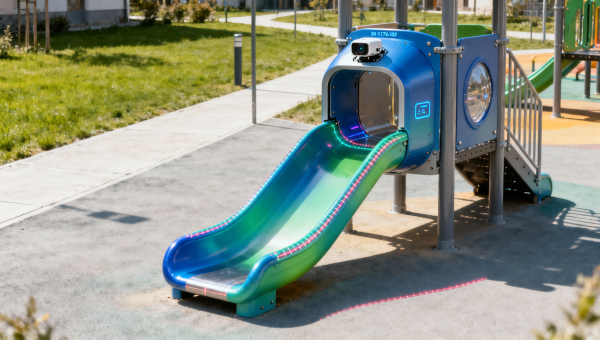
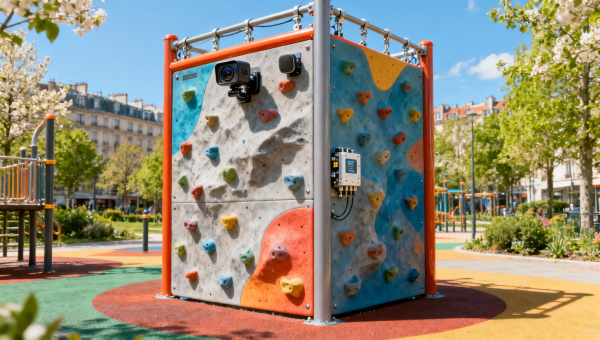
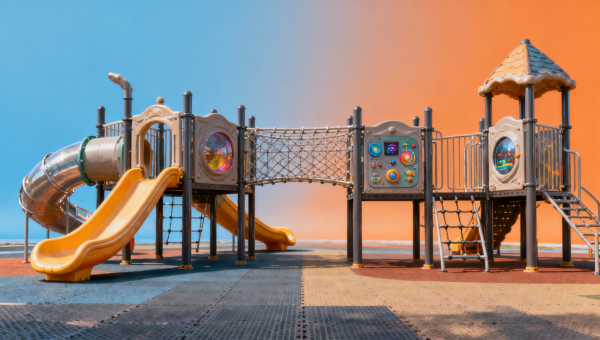
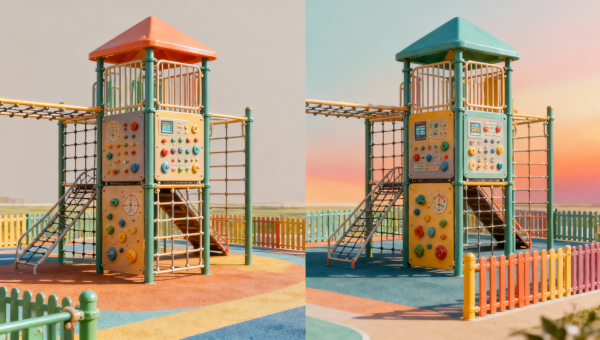
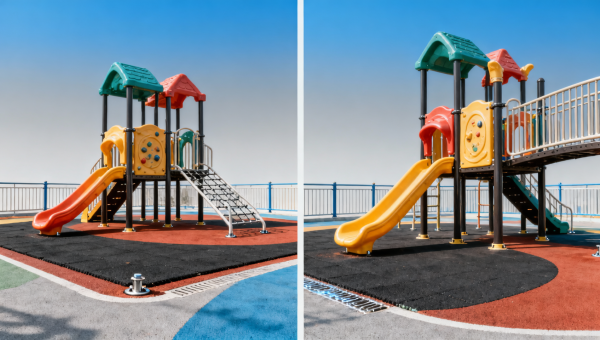
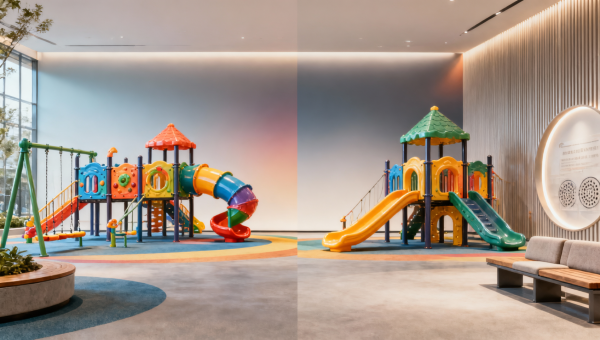
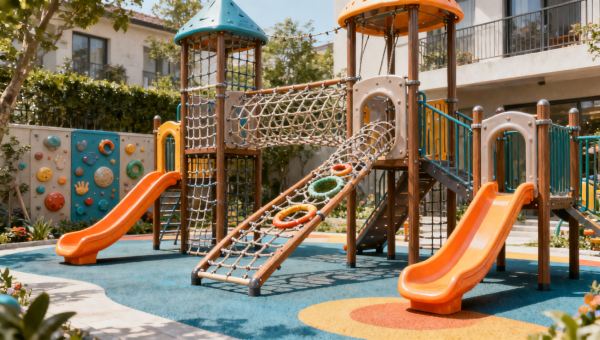
Durable playground structures are one of the strongest examples. Compared with high-speed mechanical rides, they usually have fewer active components and less dependence on motors, hydraulic assemblies, or control systems. When specified with anti-corrosion framing and impact-resistant panels, they can maintain appearance and functionality with routine inspections every 1 to 3 months depending on footfall.
Best-fit low-maintenance options for mixed-use parks
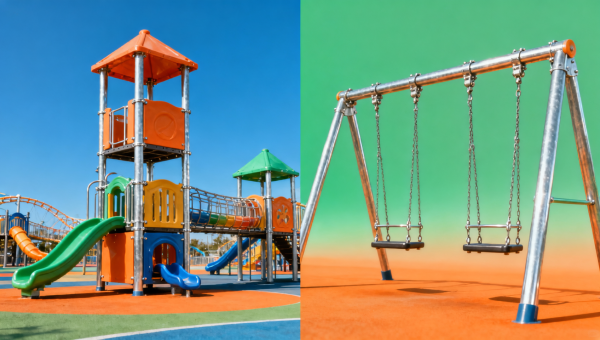
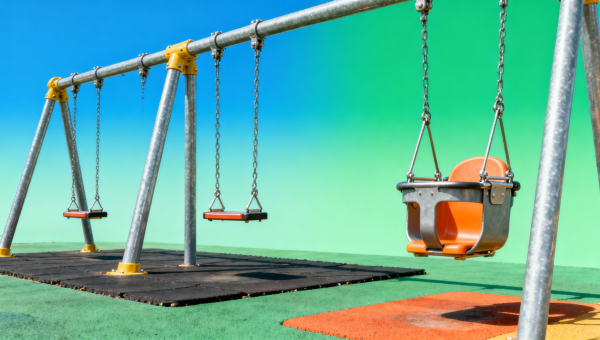
Inclusive playground solutions also deserve attention because many are designed around accessibility, safety surfacing compatibility, and low-force interaction rather than intensive mechanical movement. This often translates into simpler service routines and lower risk of recurrent part failure. Reliable playground swings with reinforced hangers, sealed bearings, and heavy-duty seats can also offer long service intervals when correctly installed.
The table below compares common ride and play equipment types from a maintenance perspective. These are typical commercial patterns rather than fixed performance guarantees, but they help procurement teams create a practical shortlist.
The comparison shows that maintenance reduction usually comes from design simplicity and durable materials, not from aesthetics alone. Procurement teams should match ride category with their actual staffing model. A park with only 1 to 2 on-site technicians may be better served by modular and low-motion attractions than by equipment demanding daily mechanical adjustment.
Common buyer priority list
- Prioritize rides that can remain operational with weekly rather than daily servicing.
- Confirm whether common spare parts can be stocked locally within 7 to 21 days.
- Check whether routine inspection tasks can be completed by general maintenance staff after supplier training.
For distributors evaluating resale potential, low-maintenance ride categories are also easier to position in emerging markets, where buyers often need dependable commercial solutions without large engineering teams.
Materials and engineering features that lower lifecycle maintenance
Ride performance over time depends heavily on materials. In outdoor amusement and leisure settings, UV exposure, moisture, dust, salt air, and heavy touch frequency can quickly degrade low-grade surfaces. Buyers should therefore assess not only ride layout but also the engineering details that determine whether the structure can hold alignment, appearance, and safety over multi-season use.
For frames and support elements, galvanized steel and stainless steel are common choices. Galvanized steel often offers a practical balance of cost and corrosion resistance for many inland projects, while stainless steel is frequently preferred in coastal or high-humidity installations where exposure is more severe. High-density polyethylene panels are also widely used because they resist moisture, do not splinter, and generally need less refinishing than wood-based alternatives.
What procurement teams should inspect in technical specifications
The most maintenance-relevant engineering features are often small but decisive. Sealed bearings, tamper-resistant fasteners, rounded drainage paths, and protected connection points can significantly reduce wear, rust, and loosening. A platform that sheds water efficiently may preserve coating integrity longer than one with trapped moisture around joints and brackets.
The following table outlines common material and design choices that influence maintenance frequency in theme park rides and commercial playground systems.
The practical conclusion is that buyers should ask for more than a visual brochure. They should request component lists, coating details, expected inspection intervals, and replacement logic for high-wear parts. If a supplier cannot clearly explain how a part is serviced in 3 steps or how long a replacement typically takes, that may indicate future maintenance friction.
Useful engineering questions during sourcing
- Which components are expected to wear first within 12 to 24 months of heavy use?
- Are panels, seats, and guard elements modular or integrated into larger assemblies?
- How many routine service points must be accessed during monthly inspection?
- Does the design suit inland, tropical, or coastal environments without major material changes?
These questions help procurement teams compare suppliers on lifecycle practicality rather than catalog appearance alone.
How to evaluate suppliers for maintenance efficiency and after-sales reliability
Even a well-designed ride can become costly if supplier support is weak. For commercial buyers, supplier evaluation should include technical documentation, spare-part planning, training support, and response speed. In practice, a low-maintenance procurement decision depends as much on after-sales structure as on the ride itself.
A dependable supplier should be able to provide maintenance schedules by operating intensity, not just generic manuals. For example, a family ride in a resort may need one maintenance cycle every 8 weeks, while the same unit in a high-volume public park may require checks every 2 to 4 weeks. That level of detail helps buyers budget labor and parts more accurately.
Core supplier criteria for B2B sourcing teams
Distributors and agents should pay close attention to parts standardization and training quality. If replacement parts require long lead times or proprietary tools, service delays can extend beyond acceptable operating windows. A better supplier model offers service documentation, exploded component views, basic technician training, and defined response windows such as 24 to 72 hours for initial technical feedback.
The checklist below can be used during RFQ comparison, factory qualification, or distributor onboarding.
The strongest suppliers are usually those that think in terms of park operation, not just shipment completion. Buyers should prefer partners that discuss traffic levels, climate conditions, maintenance capacity, and installation context before recommending ride configurations.
Frequent sourcing mistakes to avoid
- Choosing visually complex attractions without confirming local maintenance skill availability.
- Ignoring the cost of special tools, custom parts, or imported wear components.
- Approving equipment without a preventive maintenance schedule tied to real operating hours.
For global buyers, a supplier with structured after-sales support can often be a safer commercial choice than a lower-price option with unclear maintenance responsibility.
Implementation, inspection planning, and FAQ for long-term uptime
Reducing maintenance does not end at purchase order stage. Installation quality, site preparation, staff training, and inspection planning all affect ride reliability. Many avoidable service issues begin in the first 30 to 90 days because of poor anchoring, drainage problems, improper tensioning, or incomplete operator handover.
A practical implementation model usually follows 5 steps: site survey, technical confirmation, installation supervision, commissioning, and scheduled preventive inspection. For multi-unit leisure park projects, buyers should also group rides by maintenance type so technicians can complete weekly and monthly routines more efficiently.
Recommended maintenance planning framework
- Daily or pre-opening checks: visible damage, loose fittings, surface cleanliness, and access area safety.
- Monthly checks: fastener torque verification, hanger wear, moving point review, and drainage inspection.
- Quarterly or semi-annual checks: coating condition, structural integrity, part replacement forecasting, and usage-pattern review.
This framework helps parks align maintenance frequency with actual risk. Low-motion structures may only need routine monthly review, while swings and rotating family ride elements often benefit from more frequent wear-point checks. The goal is to prevent minor defects from becoming expensive shutdown events.
FAQ: practical buyer questions
How do I know whether a theme park ride is truly low maintenance?
Ask for the preventive maintenance schedule, list of wear parts, expected replacement intervals, and average service time per inspection. If the supplier can clearly define what must be checked every day, month, and quarter, and if most service tasks can be completed within 15 to 60 minutes, the ride is usually easier to maintain than systems requiring frequent calibration or disassembly.
Are inclusive playground solutions better for commercial projects with limited technical staff?
In many cases, yes. Inclusive playground solutions often combine high public value with simpler maintenance demands. Because they focus on accessibility, safety, and robust interaction zones, they may place less pressure on mechanical servicing teams than motion-heavy attractions. They are especially suitable for schools, public parks, hotels, and community leisure developments.
What delivery and service timing should buyers prepare for?
For standard commercial playground structures or swing systems, manufacturing and delivery can often fall within 4 to 10 weeks depending on customization, destination, and volume. Spare-part response windows should ideally be discussed before purchase, with common consumables or wear items available in 7 to 21 days where possible.
Which three indicators matter most during procurement?
Focus on material durability, serviceability, and supplier support. These three indicators influence whether the ride remains economical after installation. A visually appealing unit that lacks modular parts, clear manuals, or corrosion resistance can quickly lose its value in real operating conditions.
For buyers, distributors, and commercial evaluators, the best maintenance-saving strategy is to source rides that combine durable materials, manageable inspection routines, and dependable supplier support. Modular playground structures, inclusive playground solutions, and reliable playground swings often offer strong long-term value when matched to site conditions and staffing capacity.
Global sourcing decisions in the amusement and leisure park sector should be guided by lifecycle cost, not just purchase price. If you are comparing ride options, reviewing supplier capability, or planning a mixed-use leisure project, now is the right time to refine your shortlist around uptime, serviceability, and operational efficiency.
To explore sourcing options, evaluate suitable ride configurations, or request a tailored procurement recommendation for your project, contact us today to get a customized solution and learn more about reliable commercial amusement equipment.
Search News
Hot Articles
- Pro Stage AudioFIFA Adopts Chinese Mini-LED Displays for 2026 World Cup VAR SystemApr 24, 2026
- Outdoor RidesChina FA Warns Nanjing City Over Fan Conduct; ISO 20785 Compliance AcceleratesApr 24, 2026
- Pro Stage AudioFan Zhendong Visits Silicon Valley as MLTT Investor, AI Ping-Pong Tech Draws US InterestApr 24, 2026
Popular Tags
Need ExpertConsultation?
Connect with our specialized leisureengineering team for procurementstrategies.
Recommended News
 Apr 24, 2026China FA Warns Nanjing City Over Fan Conduct; ISO 20785 Compliance AcceleratesISO 20785 compliance accelerates as China FA warns Nanjing City over fan conduct—key for sports security integrators targeting Middle East & SEA tenders.● Theme Park Strategist
 Apr 20, 2026China's Smart Timing System Gains ITU Certification at Shanghai Bike EventChina's smart timing system wins ITU-T L.1800 certification — the first Chinese sports timing platform approved for UCI-accredited cycling events. Discover how it reshapes reliability, security & global competitiveness in sports tech.● Theme Park Strategist
 Apr 17, 2026Popular Badminton AI Protocol Launched in ChengduPopular Badminton AI protocol launched in Chengdu — a game-changer for smart sports hardware, VR simulators & outdoor ride manufacturers targeting Asian youth academies.● Theme Park Strategist
 Apr 17, 2026EN 1176-7:2026 Enforced: AI Behavior Recognition Required for EU Outdoor Interactive Play EquipmentEN 1176-7:2026 is now enforced — AI behavior recognition is mandatory for EU outdoor interactive play equipment. Ensure CE compliance now.● Theme Park Strategist
 Apr 16, 2026EN 1176-7:2026 Enforces AI Safety Rules for EU Outdoor Interactive Play EquipmentEN 1176-7:2026 enforces AI safety rules for EU outdoor interactive play equipment — mandatory false-trigger ≤0.3% & local-only data processing. Act now to comply.● Theme Park Strategist
 Apr 13, 20262026 CKC China Karting Championship in Macau Sparks Export Interest for Domestic Racing GearThe 2026 CKC China Karting Championship in Macau showcased FIA-compliant racing gear, sparking export interest for domestic timing systems, carbon fiber kits & sustainable tires. Discover how this event opens global opportunities.● Theme Park Strategist
 Apr 13, 2026Japan Revises Sports Equipment Safety Standards: Mandatory Multilingual E-Manuals for Imported Fitness Gear from April 2026Japan's new Sports Equipment Safety Standards mandate multilingual e-manuals for imported fitness gear from 2026. Learn how this impacts global exporters and key compliance strategies for smooth market entry.● Theme Park Strategist
 Apr 10, 2026Middle East Tensions Raise Shipping Risks in Hormuz Strait, Air Freight Costs for Sports Equipment Surge 12%Middle East tensions escalate shipping risks in Hormuz Strait, causing a 12% surge in air freight costs for sports equipment. Learn how this impacts supply chains and strategies to mitigate delays.● Theme Park Strategist
 Apr 25, 2026China FA Warns Nanjing City Over Fan Conduct, Ups Security RulesChina FA warns Nanjing City over fan conduct—new AI security, drone countermeasures & spectrum monitoring now mandated for AFC matches.● Theme Park Strategist
 Apr 24, 2026How to Source Park Trash Cans That LastPark trash cans sourcing guide: compare durable materials, supplier options, capacity, and lifecycle cost for playground planning, hospitality procurement, and safer outdoor spaces.● Theme Park Strategist
 Apr 24, 2026Park Trash Cans: What Specs Matter Most?Park trash cans buying guide: compare material, capacity, maintenance, and safety specs for playground planning, playground surfacing, and hospitality procurement projects.● Theme Park Strategist
 Apr 24, 2026What to Check Before Buying Amusement EquipmentAmusement equipment buyers: check playground safety, playground borders, playground climbers, and sensory playground features before purchase to reduce risk and improve long-term value.● Theme Park Strategist
 Apr 24, 2026Amusement Equipment: Buy New or Used?Amusement equipment buying guide: compare new vs. used options for playground climbers, playground borders, sensory playground design, and playground safety to reduce risk and improve ROI.● Theme Park Strategist
 Apr 23, 2026Amusement Equipment Upgrades That Change Guest ExperienceAmusement equipment upgrades improve guest experience with sensory playground features, playground climbers, playground safety, playground borders, and smart commercial furniture solutions.● Theme Park Strategist
 Apr 23, 2026Amusement Equipment Safety Issues Often Missed at InstallAmusement equipment and playground safety start at install. Learn how sensory playground, playground borders, and playground climbers affect compliance, durability, and safer commercial projects.● Theme Park Strategist
 Apr 25, 2026Theme Park Rides That Cut MaintenanceTheme park rides that cut maintenance: compare durable theme park rides, playground structures, inclusive playground and playground swings for leisure park projects. Learn how smart materials and supplier support reduce downtime and lifecycle costs.● Theme Park Strategist
 Apr 25, 2026How to Plan a Profitable Leisure ParkLearn how to build a profitable leisure park with smart theme park rides, inclusive playground design, playground structures, catering equipment, custom furniture, hotel beds, and more.● Theme Park Strategist
 Apr 23, 2026Playground Swings for Parks or SchoolsPlayground swings for parks or schools: compare durable playground structures, inclusive playground options, and leisure park solutions with expert sourcing tips for safer, smarter buying.● Theme Park Strategist
 Apr 22, 2026How to Compare Theme Park RidesCompare theme park rides for safety, capacity, and ROI in a leisure park, while aligning playground structures, inclusive playground zones, and playground swings with smarter sourcing.● Theme Park Strategist
 Apr 22, 2026Is a Leisure Park Worth the InvestmentLeisure park investment guide: compare theme park rides, playground structures, inclusive playground design, swings, soundproofing materials, and custom furniture for stronger returns.● Theme Park Strategist
 Apr 22, 2026Adventure Playground Ideas That Work in Small Outdoor SpacesAdventure playground ideas for small outdoor spaces: compare layouts, indoor playground and trampoline park concepts, plus arcade games and musical instruments features to boost family appeal.● Theme Park Strategist
 Apr 22, 2026Adventure Playground Features That Improve Safety Without Feeling BoringAdventure playground and indoor playground safety features that keep fun high—compare trampoline park layouts, arcade games, and smart design tips for safer, more engaging venues.● Theme Park Strategist
 Apr 18, 20262026 Shanghai Sailing Open Adopts Domestic Smart Timing System2026 Shanghai Sailing Open adopts China's first ITU-R M.2412–certified smart timing system — a game-changer for marine sports exporters, integrators & event organizers worldwide.● Theme Park Strategist
 Apr 18, 2026EN 1176-7:2026 Enforced: AI Behavior Recognition Mandatory for EU Outdoor Play EquipmentEN 1176-7:2026 is now mandatory — AI behavior recognition required for EU outdoor play equipment. Ensure CE compliance, low-latency certification & market access before shipment.● Theme Park Strategist