China FA Warns Nanjing City Over Fan Conduct, Ups Security Rules
On April 22, 2026, Nanjing City Football Club’s home stadium received an official warning from the Chinese Football Association (CFA) due to unauthorized laser light use and unapproved drone flights during a China League One match. The incident triggers new compliance requirements for venues hosting international friendlies or AFC competitions — directly affecting stadium technology providers, security system integrators, and event operations firms.
Event Overview
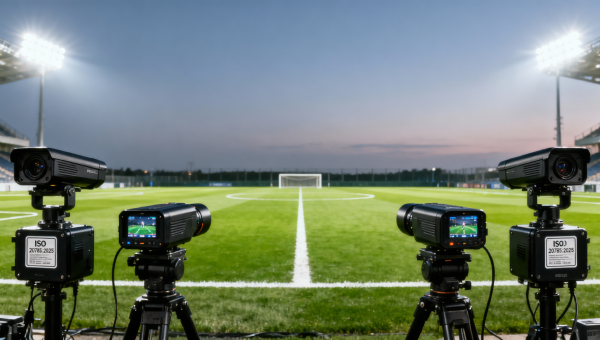
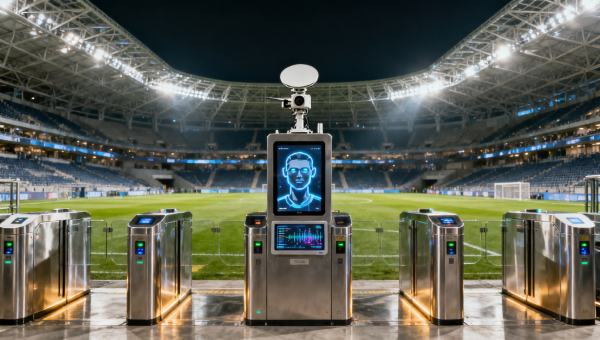
The Chinese Football Association issued a public notice on April 24, 2026, confirming that Nanjing City Football Club’s home venue was warned following incidents on April 22, 2026. During the match, large-scale unauthorized laser illumination and unpermitted drone flights occurred. As a result, the club was instructed to upgrade its intelligent security infrastructure. The CFA’s notice specifies that all stadiums hosting international friendlies or AFC-sanctioned matches must now deploy AI-powered facial recognition entry gates, spectrum monitoring equipment, and anti-drone base stations.
Industries Affected
Stadium Technology Suppliers
Suppliers of access control, surveillance, and drone mitigation hardware are directly impacted because the CFA’s directive mandates specific technical capabilities — including AI facial recognition gate systems, RF spectrum analyzers, and fixed anti-drone jammers. Demand for certified, interoperable solutions meeting these functional thresholds is now institutionally anchored, not optional.
Security System Integrators
Integrators responsible for deploying and commissioning venue-wide security platforms face revised scope-of-work expectations. The requirement for integrated AI facial recognition, real-time RF monitoring, and drone countermeasures implies tighter coordination across subsystem vendors, stricter certification validation, and longer pre-event testing windows.
Sports Event Operations Firms
Firms managing match-day logistics, crowd management, and regulatory compliance for clubs or tournament organizers must now embed new technical checkpoints into operational protocols — especially around pre-match equipment screening (e.g., laser devices), airspace coordination with local civil aviation authorities, and verification of installed security hardware against CFA-mandated specs.
What Enterprises and Practitioners Should Monitor and Do Now
Track formal implementation timelines and venue-tier definitions
The CFA notice confirms new requirements but does not yet specify phased rollout dates or differentiate obligations by competition level (e.g., League One vs. Super League) or venue capacity. Stakeholders should monitor follow-up circulars from the CFA or local sports bureaus for binding deadlines and applicability criteria.
Validate product compliance against three mandated components
Vendors and integrators should assess whether their current offerings meet all three stipulated capabilities: (1) AI-based facial recognition at entry points, (2) real-time RF spectrum monitoring (not just signal detection), and (3) fixed-site drone radio-frequency countermeasures — not portable jammers alone. Certification documentation, not marketing claims, will be decisive.
Distinguish between policy signal and field enforcement
While the Nanjing City case sets a precedent, it remains unclear whether warnings will escalate to point deductions or venue bans in future non-compliance cases. Enterprises should treat this as an early-stage regulatory signal — not yet a fully enforced standard — and prioritize documentation, pilot deployments, and stakeholder alignment over broad commercial scaling.
Prepare for cross-agency coordination requirements
New drone restrictions imply mandatory coordination with civil aviation authorities (CAAC) and local public security bureaus for flight authorization and spectrum licensing. Firms should initiate internal reviews of existing airspace permission workflows and identify gaps in inter-agency reporting procedures ahead of upcoming international fixtures.
Editorial Perspective / Industry Observation
From an industry perspective, this incident is better understood as a regulatory calibration step than a sudden policy shift. Analysis shows the CFA is aligning domestic stadium security expectations with AFC Competition Regulations and broader national-level smart city and public safety initiatives — particularly those involving AI-driven crowd monitoring and unmanned aerial system governance. Observation suggests the mandate reflects growing institutional emphasis on *preventive* rather than reactive security design. It signals increasing convergence between sports infrastructure standards and national critical infrastructure protection frameworks — but actual enforcement rigor and audit mechanisms remain to be observed.
Current more appropriate interpretation is that this represents a formalized baseline for high-profile match venues, not an immediate universal requirement for all professional stadiums. Its significance lies less in immediate penalties and more in establishing a traceable, enforceable benchmark for future tender specifications and facility certifications.
Conclusion: This CFA notice marks a procedural tightening in stadium security compliance — one that elevates technical specificity and inter-agency accountability. For stakeholders, it underscores the need to treat venue security not as standalone IT procurement, but as a regulated, multi-layered operational domain requiring coordinated hardware, software, process, and regulatory engagement. At present, it is best understood as an actionable signal — not yet a fully matured standard — demanding structured readiness, not wholesale re-engineering.
Information Sources: Chinese Football Association (CFA) official notice dated April 24, 2026. Note: Implementation timelines, tiered applicability, and enforcement escalation protocols remain under observation and are not confirmed in the published notice.
Search News
Hot Articles
- Pro Stage AudioFIFA Adopts Chinese Mini-LED Displays for 2026 World Cup VAR SystemApr 24, 2026
- Outdoor RidesChina FA Warns Nanjing City Over Fan Conduct; ISO 20785 Compliance AcceleratesApr 24, 2026
- Pro Stage AudioFan Zhendong Visits Silicon Valley as MLTT Investor, AI Ping-Pong Tech Draws US InterestApr 24, 2026
Popular Tags
Need ExpertConsultation?
Connect with our specialized leisureengineering team for procurementstrategies.
Recommended News
 Apr 24, 2026China FA Warns Nanjing City Over Fan Conduct; ISO 20785 Compliance AcceleratesISO 20785 compliance accelerates as China FA warns Nanjing City over fan conduct—key for sports security integrators targeting Middle East & SEA tenders.● Theme Park Strategist
 Apr 20, 2026China's Smart Timing System Gains ITU Certification at Shanghai Bike EventChina's smart timing system wins ITU-T L.1800 certification — the first Chinese sports timing platform approved for UCI-accredited cycling events. Discover how it reshapes reliability, security & global competitiveness in sports tech.● Theme Park Strategist
 Apr 17, 2026Popular Badminton AI Protocol Launched in ChengduPopular Badminton AI protocol launched in Chengdu — a game-changer for smart sports hardware, VR simulators & outdoor ride manufacturers targeting Asian youth academies.● Theme Park Strategist
 Apr 17, 2026EN 1176-7:2026 Enforced: AI Behavior Recognition Required for EU Outdoor Interactive Play EquipmentEN 1176-7:2026 is now enforced — AI behavior recognition is mandatory for EU outdoor interactive play equipment. Ensure CE compliance now.● Theme Park Strategist
 Apr 16, 2026EN 1176-7:2026 Enforces AI Safety Rules for EU Outdoor Interactive Play EquipmentEN 1176-7:2026 enforces AI safety rules for EU outdoor interactive play equipment — mandatory false-trigger ≤0.3% & local-only data processing. Act now to comply.● Theme Park Strategist
 Apr 13, 20262026 CKC China Karting Championship in Macau Sparks Export Interest for Domestic Racing GearThe 2026 CKC China Karting Championship in Macau showcased FIA-compliant racing gear, sparking export interest for domestic timing systems, carbon fiber kits & sustainable tires. Discover how this event opens global opportunities.● Theme Park Strategist
 Apr 13, 2026Japan Revises Sports Equipment Safety Standards: Mandatory Multilingual E-Manuals for Imported Fitness Gear from April 2026Japan's new Sports Equipment Safety Standards mandate multilingual e-manuals for imported fitness gear from 2026. Learn how this impacts global exporters and key compliance strategies for smooth market entry.● Theme Park Strategist
 Apr 10, 2026Middle East Tensions Raise Shipping Risks in Hormuz Strait, Air Freight Costs for Sports Equipment Surge 12%Middle East tensions escalate shipping risks in Hormuz Strait, causing a 12% surge in air freight costs for sports equipment. Learn how this impacts supply chains and strategies to mitigate delays.● Theme Park Strategist
 Apr 25, 2026China FA Warns Nanjing City Over Fan Conduct, Ups Security RulesChina FA warns Nanjing City over fan conduct—new AI security, drone countermeasures & spectrum monitoring now mandated for AFC matches.● Theme Park Strategist
 Apr 24, 2026How to Source Park Trash Cans That LastPark trash cans sourcing guide: compare durable materials, supplier options, capacity, and lifecycle cost for playground planning, hospitality procurement, and safer outdoor spaces.● Theme Park Strategist
 Apr 24, 2026Park Trash Cans: What Specs Matter Most?Park trash cans buying guide: compare material, capacity, maintenance, and safety specs for playground planning, playground surfacing, and hospitality procurement projects.● Theme Park Strategist
 Apr 24, 2026What to Check Before Buying Amusement EquipmentAmusement equipment buyers: check playground safety, playground borders, playground climbers, and sensory playground features before purchase to reduce risk and improve long-term value.● Theme Park Strategist
 Apr 24, 2026Amusement Equipment: Buy New or Used?Amusement equipment buying guide: compare new vs. used options for playground climbers, playground borders, sensory playground design, and playground safety to reduce risk and improve ROI.● Theme Park Strategist
 Apr 23, 2026Amusement Equipment Upgrades That Change Guest ExperienceAmusement equipment upgrades improve guest experience with sensory playground features, playground climbers, playground safety, playground borders, and smart commercial furniture solutions.● Theme Park Strategist
 Apr 23, 2026Amusement Equipment Safety Issues Often Missed at InstallAmusement equipment and playground safety start at install. Learn how sensory playground, playground borders, and playground climbers affect compliance, durability, and safer commercial projects.● Theme Park Strategist
 Apr 25, 2026Theme Park Rides That Cut MaintenanceTheme park rides that cut maintenance: compare durable theme park rides, playground structures, inclusive playground and playground swings for leisure park projects. Learn how smart materials and supplier support reduce downtime and lifecycle costs.● Theme Park Strategist
 Apr 25, 2026How to Plan a Profitable Leisure ParkLearn how to build a profitable leisure park with smart theme park rides, inclusive playground design, playground structures, catering equipment, custom furniture, hotel beds, and more.● Theme Park Strategist
 Apr 23, 2026Playground Swings for Parks or SchoolsPlayground swings for parks or schools: compare durable playground structures, inclusive playground options, and leisure park solutions with expert sourcing tips for safer, smarter buying.● Theme Park Strategist
 Apr 22, 2026How to Compare Theme Park RidesCompare theme park rides for safety, capacity, and ROI in a leisure park, while aligning playground structures, inclusive playground zones, and playground swings with smarter sourcing.● Theme Park Strategist
 Apr 22, 2026Is a Leisure Park Worth the InvestmentLeisure park investment guide: compare theme park rides, playground structures, inclusive playground design, swings, soundproofing materials, and custom furniture for stronger returns.● Theme Park Strategist
 Apr 22, 2026Adventure Playground Ideas That Work in Small Outdoor SpacesAdventure playground ideas for small outdoor spaces: compare layouts, indoor playground and trampoline park concepts, plus arcade games and musical instruments features to boost family appeal.● Theme Park Strategist
 Apr 22, 2026Adventure Playground Features That Improve Safety Without Feeling BoringAdventure playground and indoor playground safety features that keep fun high—compare trampoline park layouts, arcade games, and smart design tips for safer, more engaging venues.● Theme Park Strategist
 Apr 18, 20262026 Shanghai Sailing Open Adopts Domestic Smart Timing System2026 Shanghai Sailing Open adopts China's first ITU-R M.2412–certified smart timing system — a game-changer for marine sports exporters, integrators & event organizers worldwide.● Theme Park Strategist
 Apr 18, 2026EN 1176-7:2026 Enforced: AI Behavior Recognition Mandatory for EU Outdoor Play EquipmentEN 1176-7:2026 is now mandatory — AI behavior recognition required for EU outdoor play equipment. Ensure CE compliance, low-latency certification & market access before shipment.● Theme Park Strategist